

IBS antispasmodic drugs help calm intestinal spasms and reduce cramping pain for people whose symptoms come in waves. For many adults living with IBS, the hard part is figuring out whether a prescription antispasmodic, peppermint oil, or another option fits the symptom pattern without causing constipation, dryness, or drowsiness.
These medicines relax gut muscle rather than treat IBS itself, so the real goal is targeted relief you can discuss with a clinician.
That’s why this overview looks at the main drug groups, how they work, which symptoms they tend to help most, and where the evidence is strongest. It also compares dicyclomine, hyoscyamine, mebeverine, pinaverium, otilonium bromide, alverine, and enteric-coated peppermint oil, along with side effects, contraindications, and subtype fit. The result is a practical framework for judging benefit against risk before a prescription is filled or an OTC option is tried.
For adults with IBS, and for caregivers helping them weigh next steps, the details matter because a medicine that eases cramping can still be a poor fit for constipation, glaucoma, urinary retention, or medication sensitivity.
A person with IBS-D and painful urgency may find short-term relief, while someone with IBS-C may notice harder stools and more straining instead. That kind of tradeoff shows up clearly in the comparison sections, so you can walk into a conversation with a healthcare professional better prepared.
IBS Antispasmodic Drugs Key Takeaways
- Antispasmodics relax gut muscle and help with IBS cramping, not a cure.
- They work best for short-term relief during flare-ups, especially pain and urgency.
- Peppermint oil is a common OTC option with evidence for reducing spasm pain.
- Dicyclomine and hyoscyamine can help pain, but side effects are common.
- IBS-C needs caution because antispasmodics can worsen constipation and straining.
- Evidence varies by drug, with otilonium and pinaverium among stronger options.
- Glaucoma, urinary retention, and myasthenia gravis are major reasons for caution.
What Are IBS Antispasmodic Drugs?
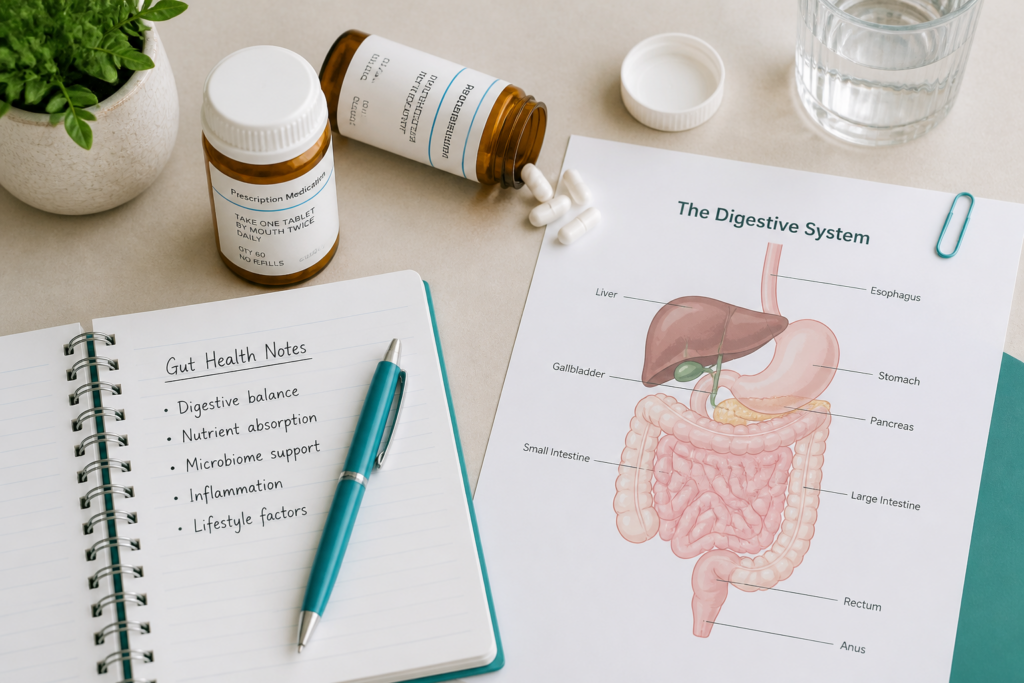
IBS antispasmodics are medicines that relax intestinal smooth muscle. That can ease spasms, calm cramping pain, and help you feel more in control during a flare. They are used for Irritable Bowel Syndrome (IBS) symptom relief, not as a cure. The bigger treatment picture is shown in how to treat IBS, where these medicines sit alongside diet, stress support, and other options.
Their mechanisms of action are easier to follow than the drug names suggest. Some anticholinergic agents and antimuscarinic agents reduce nerve signaling to the gut, so the bowel muscle gets fewer cues to contract. Other antispasmodics act on smooth muscle or calcium channels, which helps quiet strong contractions and lower spasm intensity.
That makes them better for short-term symptom control than for long-term disease management. They can be most useful when pain drives urgency, when cramps keep interrupting your day, or when you need targeted relief for a specific episode. The main benefits usually show up as less cramping, less pain, and fewer spasm-related bathroom urges.
The main categories used in North America are:
- Anticholinergic or antimuscarinic agents: These slow the nerve signals that trigger tight gut contractions.
- Calcium-channel inhibitors: These ease the muscle response that keeps contractions going.
- Direct smooth muscle relaxants: These work more directly on the bowel wall to reduce spasm.
Results vary by your IBS subtype, symptom pattern, and personal response. Some people notice a clear drop in pain and urgency. Others get only partial relief. For that reason, antispasmodics are usually one part of an IBS plan, especially when you want a short-term option to discuss with a healthcare professional.
Which IBS Symptoms Can They Help?
Antispasmodics usually help most when you need short-term relief during an IBS flare-up, not as a cure or the only treatment you depend on every day. They fit best when your symptoms show up as cramping, pain after meals, or painful urgency that comes and goes in waves.
The symptoms they tend to calm most reliably are abdominal cramping and pain. That makes sense because these medicines relax smooth muscle in the gut and reduce spasms. Some people also notice less bloating and less diarrhea-related discomfort, but that response is less consistent. Relief may be partial if your symptoms come from more than muscle spasm alone.
Peppermint oil is another evidence-supported option to keep in mind. Enteric-coated peppermint oil may reduce gut spasms and abdominal pain for some people, and the coating helps it pass through the stomach before it dissolves. That makes peppermint oil a practical over-the-counter choice to discuss with your clinician if you want symptom-focused relief.
Response varies from person to person, and trial results show the same pattern. One person may get meaningful relief while another notices very little change. The biggest factors are often your IBS subtype, your main symptom pattern, and how sensitive you are to medication effects.
The pattern many people notice looks like this:
- Most reliable relief: abdominal cramping and pain
- Sometimes improved: bloating and diarrhea-related discomfort
- Least predictable: overall symptom control across IBS subtypes
Which Antispasmodics Have The Strongest Evidence?
The evidence is real, but it is uneven. For many people with IBS, antispasmodics can reduce abdominal pain and cramping, yet the overall efficacy of antispasmodic drugs is usually rated as low to moderate because studies vary in size, quality, and the symptoms they measure. That is why the best fit often depends on whether pain, bloating, stool changes, or a mix of symptoms is driving your day.
A few agents have stronger clinical trial evidence than the class as a whole:
| Agent | What the studies suggest |
|---|---|
| otilonium bromide | Repeated 15-week randomized trials found less pain, less bloating or distention, and a longer time before symptoms returned |
| pinaverium bromide | Multicenter studies showed better abdominal pain and stool consistency, including trials shaped like FDA guidance and one study with simethicone |
| hyoscine | Placebo-controlled trials suggest benefit, but comparisons are harder because some studies did not measure pain the same way |
| alverine citrate | It sits in the gut-targeted smooth muscle relaxant group, but the evidence base is smaller than the leaders above |
Some antispasmodics have shown benefit in placebo-controlled trials, but the strength of evidence varies by drug and study design (source). That makes otilonium bromide one of the more convincing choices when you are weighing symptom relief against side effects. Pinaverium bromide has trial support for improving abdominal pain and some bowel symptoms, although results vary across studies (source).
Hyoscine, sometimes called scopolamine, has supportive but limited evidence. Three placebo-controlled trials lasting about 4 weeks to 3 months found benefit, but the mixed outcome measures make the results harder to compare with other drugs. That does not mean it does not work. It means the data are less tidy.
The gut-targeted smooth muscle relaxants often sit in a different lane from broader anticholinergic drugs. Mebeverine, pinaverium bromide, otilonium bromide, and alverine citrate act on calcium-dependent smooth muscle contraction, so they may cause fewer general anticholinergic effects like dry mouth, blurry vision, or urinary trouble. That can matter if you are sensitive to medication side effects.
This is also why gastroenterology guidelines do not always line up. The clinical trial evidence behind antispasmodics is mixed, and the strongest support applies to only a few specific drugs rather than the whole class. Before starting or switching treatment, compare likely benefit with side effects, contraindications, and your IBS subtype, then talk through the best option with a healthcare professional.
How Do The Main Drugs Compare?
Dicyclomine and hyoscyamine are usually the most cramp-focused options, especially when sharp pain or sudden spasm is the main problem. They are classic antimuscarinic agents, so they block acetylcholine at muscarinic receptors and can quiet intestinal contractions. That same effect can also bring the most familiar side effects.
Here’s the practical comparison:
| Option | Main target | Best fit for | Common tradeoffs |
|---|---|---|---|
| dicyclomine | Antimuscarinic cramp relief | Sharp abdominal spasm or pain | Dry mouth, blurred vision, constipation, drowsiness |
| hyoscyamine | Antimuscarinic cramp relief | Painful spasms that need quick relief | Dry eyes, dizziness, urinary retention, sedation |
| mebeverine | Direct smooth muscle relaxation | Cramping with fewer systemic effects | Mixed evidence and variable response |
| pinaverium | Gut-focused relaxation | IBS pain and spasm | Usually fewer anticholinergic effects |
| otilonium bromide | Local antispasmodic action | Cramping when dryness is a concern | Study results vary |
| alverine | Smooth muscle relaxation | Spasm and discomfort | Often better tolerated, but not always effective |
| peppermint oil | Local spasm relief | Pain and bloating with less dryness | Can trigger heartburn in some people |
If constipation, urinary problems, glaucoma risk, or sedation already affect you, dicyclomine or hyoscyamine may be a poorer fit. Their anticholinergic effects can be a dealbreaker even when the cramp relief is good. For that reason, tolerability matters as much as symptom control.
The evidence is strongest for short-term relief, not a permanent fix. Dicyclomine has some trial support for short-term symptom relief, but the evidence base is limited and the studies are small (source). Some dicyclomine studies reported more side effects than placebo, so tolerability can matter as much as symptom relief (source). Mebeverine has a more mixed record, with encouraging older studies but less consistent results in modern placebo-controlled trials and reviews.
For a gentler side-effect profile, direct smooth muscle relaxants and peppermint oil often make more sense. That group includes mebeverine, pinaverium, otilonium bromide, and alverine, which are usually discussed as alternatives to classic antimuscarinic drugs. Peppermint oil stands apart because it tends to cause fewer systemic anticholinergic effects. If your IBS symptoms are mostly painful spasms, the stronger cramp relief of antimuscarinic drugs may appeal to you, but your healthcare professional can help you match the option to your bowel pattern and safety concerns.
This content is for educational purposes only and is not a substitute for personalized medical advice. Digestive symptoms can have many causes, and you should consult a qualified healthcare professional for persistent, severe, or worsening symptoms. Results vary by person, and any dietary or supplement advice should be individualized.
Which Antispasmodic Fits Your IBS Subtype?
The best fit usually comes down to your IBS subtype and which symptom drives the day. Antispasmodics may fit best when cramping and urgency are the main symptoms, especially in IBS-D or IBS-M, but constipation risk should guide the choice (source). In IBS-C, that same slowing effect can make constipation worse, so these medicines are often a poor routine choice unless pain relief matters more than bowel regularity.
A practical way to choose is to match the option to the symptom that bothers you most:
- Meal-related cramping or spasms: Short-acting prescription choices such as dicyclomine or hyoscyamine are often discussed first.
- A gentler first step: Peppermint oil can be a reasonable over-the-counter option when you want pain relief before moving to prescription therapy.
- Loose stools plus urgency: An antispasmodic may fit better when cramping is part of the same flare that drives frequent bowel movements, alongside other approaches like antidiarrheal options for IBS-D.
Response is still personal, not just subtype-based. One person may get solid cramp relief with only mild dry mouth. Another may notice bloating or constipation. That is why the most useful comparison is not which drug is strongest, but which one gives you the best relief with the fewest downsides.
IBS-C deserves extra caution. Because antispasmodics can slow bowel motility, they may worsen hard stools, fewer bowel movements, and straining. Routine use is usually avoided in constipation-predominant IBS unless abdominal pain relief clearly outweighs the bowel-habit trade-off.
Evidence also shows that subtype fit does not mean one class wins across the board. Pinaverium bromide has been studied for its effects on gut motility and abdominal pain, but the published evidence should be checked against the exact outcome being described (source). Small studies have suggested short-term pain relief with phloroglucinol and trimethylphloroglucinol, but the evidence is limited and should be interpreted cautiously (source).
| IBS subtype | Typical fit | Main caution |
|---|---|---|
| IBS-D | Often a reasonable option | Watch for dry mouth, bloating, or constipation |
| IBS-M | Can fit when cramping and urgency dominate | Track which bowel pattern is active most often |
| IBS-C | Usually a weaker fit | May worsen constipation and straining |
For your clinician visit, weigh pain control, constipation risk, and local availability or prescription status before you decide which option deserves a closer look.
Learn more about antispasmodic drugs for IBS relief.
When Is Constipation A Poor Fit?
Antispasmodics are usually a poor match when constipation is already part of your IBS pattern. These medicines can slow gut movement through anticholinergic effects, which can make stools harder to pass and cramping feel more stubborn instead of calmer. Evidence for chronic abdominal pain relief is mixed, with small trials and uneven results, so fit matters more than a one-size-fits-all approach.
Warning signs that constipation is taking over include:
- Infrequent bowel movements
- Hard, dry stools
- Straining or feeling blocked
- Bloating with little relief after a bowel movement
- A sense that stool is still left behind
- Pain that feels worse after taking the medicine
Common anticholinergic side effects matter here too, because they can signal that the drug is not a good fit for your symptom pattern. Dry mouth, blurred vision, dry eyes, dizziness, drowsiness, constipation, a fast heartbeat, and trouble emptying your bladder all deserve attention.
IBS-D or cramping that comes from spasms can respond differently from constipation-predominant IBS. If constipation is the bigger issue, the first step is usually to treat the constipation rather than quiet the bowel even more. If pain still needs relief, ask your clinician about constipation-friendly options that address the stool problem directly and use a different symptom strategy instead of a strong anticholinergic.
How Do Availability And Dosing Differ By Drug?
Availability changes a lot by country, so the same antispasmodic can feel standard in one market and unfamiliar in another. In the United States, dicyclomine and hyoscyamine are the main prescription anticholinergic choices for IBS, while the IBS medication guide can help you place those options in the bigger treatment picture.
| Region or market | More common options | What that means in practice |
|---|---|---|
| United States | Dicyclomine, hyoscyamine | Common prescription anticholinergics |
| Europe, Canada, Mexico, and similar regions | hyoscine butylbromide, mebeverine, alverine, otilonium, pinaverium bromide | These drugs are used more often outside routine U.S. care |
| U.S. routine gut care | Some calcium channel blockers and essential oil-based antispasmodics | These are less common in everyday IBS treatment |
Buscopan is the brand most people know for hyoscine butylbromide. It is widely used in Europe, Canada, and other countries, but it is not a standard U.S. IBS medicine. That gap matters because a drug may be familiar to your pharmacist and still be hard to find where you live.
Dosing is usually straightforward in concept, but not one-size-fits-all. Some antispasmodics are taken before meals or on a regular schedule, depending on the product label and the clinician’s directions (source). The exact dose and timing depend on the product, the strength, and whether it is immediate-release or extended-release, so follow your label or prescription directions instead of generic internet advice.
Symptom pattern matters just as much as availability. These medicines often fit IBS with diarrhea or mixed bowel habits when cramping is the main issue. They can be a poor fit for IBS with constipation because they may slow the gut further.
Pinaverium bromide is worth discussing if you have access to it. Multicenter trial data have shown improvement in abdominal pain and stool consistency, including studies consistent with Food and Drug Administration guidance. Even so, evidence across antispasmodics is mixed, so stronger access does not always mean stronger support.
Side effects deserve caution, especially if constipation already bothers you. Common concerns include dry mouth, blurred vision, dizziness, and constipation, and those effects are more likely with anticholinergic drugs. Confirm region-specific availability and dosing with a pharmacist or clinician before you start anything new.
Where Are Dicyclomine, Hyoscyamine, And Peppermint Oil Available?
In the U.S., dicyclomine and hyoscyamine are prescription antispasmodics, so you usually need a clinician’s visit before you can get them. That makes them a planned option rather than a quick shelf pick. Outside the U.S., access can look very different, and the drug names most people hear can shift with local prescribing habits.
A quick comparison helps:
| Option | Usual access in the U.S. | Access outside the U.S. |
|---|---|---|
| Dicyclomine | Prescription only | May be limited or used less often |
| Hyoscyamine | Prescription only | May be limited or used less often |
| Enteric-coated peppermint oil | Widely available over the counter | Also widely available in many markets |
Enteric-coated peppermint oil is often the easiest nonprescription choice to find in many countries, including the U.S. The enteric coating helps the capsule pass through the stomach before it releases. That’s why this form is commonly used for cramping and spasm relief. Broad OTC access can make peppermint oil a practical IBS first step when prescription anticholinergics are harder to get or not your preference.
Keep the comparison grounded in your own situation:
- Prescription-only choices: dicyclomine and hyoscyamine usually require a doctor visit.
- Nonprescription choice: peppermint oil can often be tried sooner.
- Regional differences: availability can vary across the U.S., Europe, Canada, Mexico, and other markets.
- Best fit: your IBS subtype and symptom pattern should guide the choice, not just what is easiest to buy.
Checking what is actually sold locally is the safest next step before you assume a medicine will be easy to access.
What Safety Risks Should You Know Before Taking Them?

Antispasmodics can ease cramping, but their safety and tolerability depends on the drug and on how your body reacts. Many anticholinergic agents can trigger dry mouth, dry eyes, blurred vision, dizziness, drowsiness, headaches, bloating, constipation, a faster heart rate, and trouble emptying the bladder. These adverse events are more likely if you’re sensitive to anticholinergic effects or already take medicines that add to the load.
The biggest tradeoff is that these medicines often work best for flare-ups or short-term relief. They are usually not a complete long-term IBS plan on their own. That is why the efficacy of antispasmodic drugs has to be weighed against any side effects you notice after starting treatment. If relief is modest and the side effects feel bigger, continued use may not be worth it.
Older adults need extra caution, especially with dicyclomine and hyoscyamine. These anticholinergic antispasmodics can increase confusion, dizziness, and balance problems, which raises fall risk and can make daily tasks less safe. They can also worsen constipation, so they may be a poor fit for IBS with constipation or for anyone who notices harder stools, more straining, or fewer bowel movements after starting them.
Some antispasmodics are taken before meals, while others are used only when symptoms flare, so the label and clinician’s directions should guide timing (source). Matching the timing to your symptom pattern can help you judge whether the benefit is worth the side effects.
Seek urgent medical care if you notice any of these warning signs:
- Shortness of breath
- Severe weakness or fainting
- Inability to urinate
- Chest symptoms
- Sudden confusion
- Sudden vision changes
If your symptoms change after you start an antispasmodic, contact a healthcare professional. Digestive symptoms can have many causes, and persistent or worsening symptoms deserve a closer look.
Who Should Avoid Antispasmodics?
Some people should avoid antispasmodics unless a clinician decides the benefit is worth the risk. These medicines can ease cramping, but their anticholinergic effects can also cause trouble in the wrong setting.
People who have these conditions usually need extra caution:
- Glaucoma: Anticholinergic antispasmodics such as dicyclomine and hyoscyamine can raise eye pressure and may worsen some forms of glaucoma.
- Myasthenia gravis: These drugs can add to muscle weakness, which may make fatigue, drooping, and swallowing problems harder to control.
- BPH or urinary retention: If you have benign prostatic hyperplasia, especially if you’re an older man, these medicines can make it harder to empty your bladder and may trigger urinary retention.
- Paralytic ileus, intestinal obstruction, or severe constipation: Antispasmodics slow gut movement, so they can worsen blockage or push constipation into a more serious range.
- Older adults: Anticholinergic effects can increase confusion, dizziness, blurred vision, and falls, so many older adults need extra caution or a different option.
Pregnancy also calls for medical guidance rather than self-treatment. Safety data can be limited, and the right choice depends on your symptoms, trimester, and overall health.
If any of these apply to you, a healthcare professional can help you compare safer options and decide whether an antispasmodic belongs in your IBS plan.
IBS Antispasmodics FAQs
These FAQs cover the most common questions about IBS antispasmodics, from how they fit into Irritable Bowel Syndrome care to which side effects and symptom patterns matter most. If you’re weighing options, this is a good place to get oriented before you talk with your clinician.
1. How Fast Do IBS Antispasmodics Work?
Antispasmodics are usually meant for flare relief, so you may notice help with cramping, post-meal pain, or urgency. Some anticholinergic options are taken 30 to 60 minutes before meals to help prevent cramping, while others are used as needed when symptoms start. Relief can happen the same day for some people, but it varies by drug and by your IBS pattern, and short dicyclomine studies lasting about 10 days to 2 weeks support its role in short-term symptom control rather than a cure.
2. Are Any IBS Antispasmodics Over The Counter?
Yes, and the OTC option you’ll most often see is enteric-coated peppermint oil. In the U.S., peppermint oil capsules are the main nonprescription choice, and some people also use chamomile for milder support, though it is not the same as a standard antispasmodic drug. Availability varies by region, so dicyclomine, hyoscyamine, and hyoscine butylbromide may be prescription medicines in one country and handled differently in another, which is why local pharmacy labeling, a pharmacist, or a clinician can help. Enteric-coated peppermint oil is often discussed as a practical, evidence-based alternative, but results vary by person and it may not be right for everyone.
3. Should You Take Them Before Or After Meals?
In general, anticholinergic antispasmodics are often taken 30 to 60 minutes before a meal. That timing helps relax smooth muscle before food sets off pain. If your flares are less predictable, some people use them as needed during an IBS flare-up, but you should follow your clinician’s directions or the product label. If pain starts after you eat, a later dose may still help, although relief may be slower and results can vary from person to person.
4. Can You Use Antispasmodics With Peppermint Oil?
Enteric-coated peppermint oil can sometimes be used with antispasmodics because it works through a different smooth-muscle pathway, and that may give you extra relief when one option is not enough. Peppermint oil has helped reduce gut spasms and belly pain for some people with IBS, but the combination can also raise the chance of heartburn, nausea, or cramping, even though both usually cause fewer systemic anticholinergic effects than antimuscarinic drugs. If you’re already improving, you may not need both, and if you have reflux, worsening pain, or new side effects, use peppermint oil as directed and check with your doctor since digestive symptoms can have many causes and results vary by person.
5. Are IBS Antispasmodics Safe In Pregnancy?
Safety data for IBS antispasmodics in pregnancy is limited, so medicines like dicyclomine or hyoscyamine should not be assumed safe without a clinician’s review. The main concern is the lack of strong pregnancy-specific evidence, especially in the first trimester and for how these drugs may affect you or the baby. Side effects such as dry mouth, blurred vision, dizziness, drowsiness, constipation, and urinary retention can feel worse during pregnancy, so talk with your obstetric provider before starting, stopping, or continuing one, and seek care sooner if symptoms are severe, worsening, or affecting eating, hydration, or daily life.
- Bezzy: https://bezzy.com/
- Greatist: https://greatist.com/
- Antispasmodics for chronic abdominal pain: Analysis of North American treatment options.: https://journals.lww.com/ajg/Fulltext/2021/08000/Antispasmodics_for_Chronic_Abdominal_Pain_.12.aspx
- Psych Central: https://psychcentral.com/
- Careers: https://rvohealth.com/careers
- Multiple Sclerosis: https://bezzyms.com/
- Psoriasis: https://bezzypsoriasis.com/
- About: https://healthlinemedia.com/
- Advertise with us: https://healthlinemedia.com/advertise