


Traveling with IBS can bring a predictable set of triggers into one trip, which is why a simple itinerary can still lead to cramping, bloating, diarrhea, or constipation. Airport stress, unfamiliar meals, dehydration, and disrupted routines often pile up before the first stop, leaving travelers guessing what set symptoms off. Clear prevention steps can make the next trip easier to plan and much less reactive.
The focus here is on the triggers that show up most often, including stress, food changes, sleep shifts, less water, and bathroom delays. It also covers what to pack before you leave, how to handle meals and hydration in transit, and when symptoms call for medical follow-up. Readers will come away with a practical timeline, a travel kit checklist, and a simple way to spot personal patterns.
Adults living with IBS, especially working travelers and parents managing family trips, tend to get the most value from this approach because it speaks to real schedules and real symptoms. A teacher on a long flight, for example, may do fine until skipped meals and too little water turn a manageable trip into a flare, and that pattern is easier to prevent once it is visible. My Good Gut keeps the advice grounded in digestive health expertise so the next trip feels more manageable from the start.
Traveling With IBS Key Takeaways
- Travel often combines multiple IBS triggers at once.
- Stress, dehydration, and routine disruption are common flare drivers.
- IBS-D and IBS-C can react differently to travel.
- A pre-trip timeline reduces last-minute guesswork.
- Simple snacks, water, and medicines belong in your carry-on.
- Movement and calm breathing can ease symptoms in transit.
- Severe or lasting symptoms need clinician follow-up.
Why Does Travel Trigger IBS Symptoms?
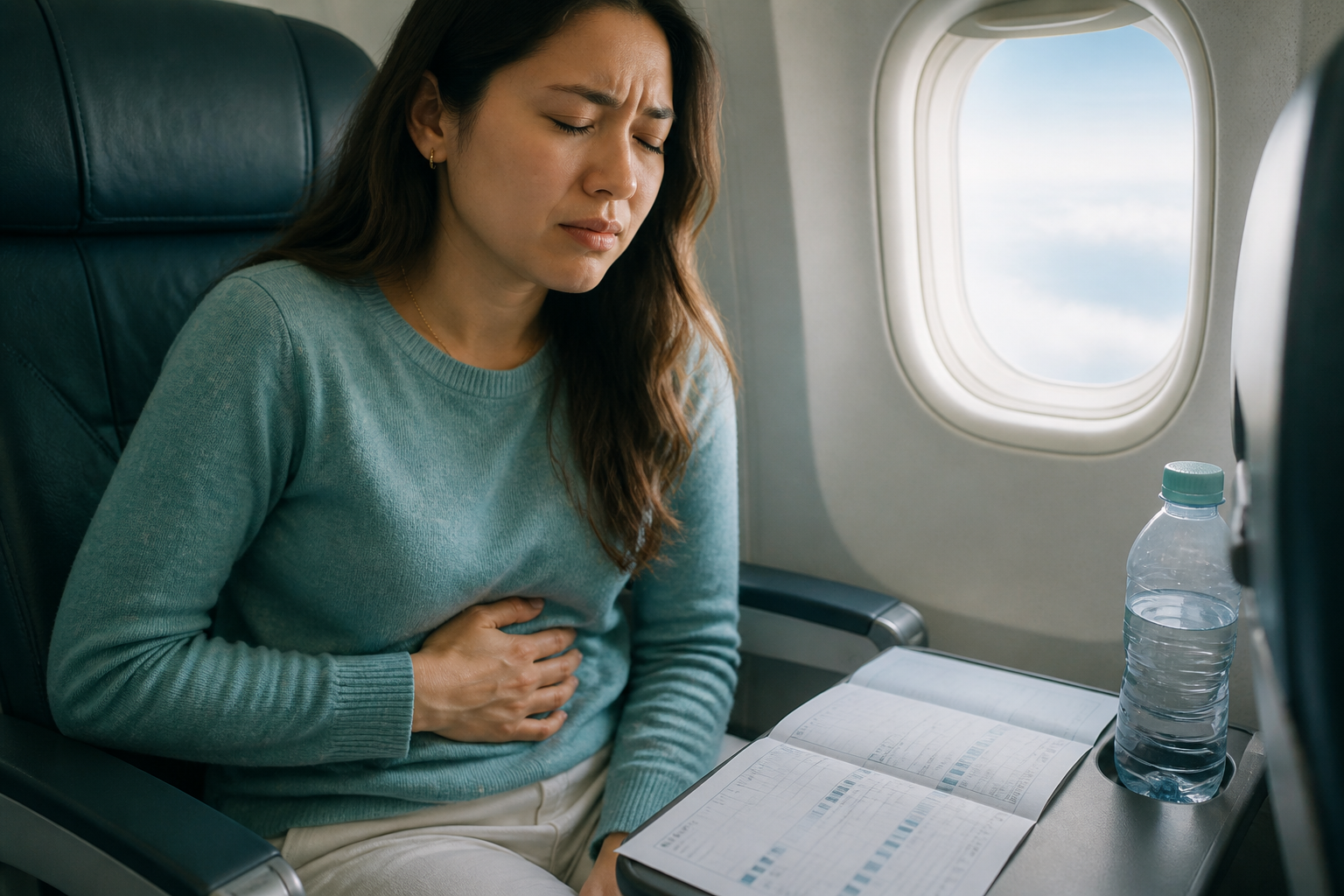
Travel often stacks several IBS trigger factors at once, which is why a trip that looks simple can still set off symptoms. Stress, unfamiliar meals, missed routines, less water, long periods of sitting, and limited bathroom access can all hit on the same day. That mix can turn a mild tendency into cramping, bloating, diarrhea, constipation, or alternating bowel patterns, which are part of everyday IBS symptoms.
The gut and brain stay in constant conversation. During travel, stress and travel anxiety IBS can switch on the fight-or-flight response. That can change gut movement and make the bowel more sensitive. Gut-brain communication helps explain why one traveler gets pain while another gets urgency or constipation.
Schedule shifts add another layer. Jet lag, late dinners, skipped breakfasts, and changed medicine times can throw off your internal clock. Bowel movements may become less predictable, and sleep triggers for IBS often show up alongside travel symptoms.
Air travel can add a separate physical trigger. Lower cabin pressure lets gas expand in the intestines during ascent and longer flights. That can make bloating, cramping, and pain feel worse, especially when stress is already high. Winding roads and rough flights can stack motion sickness nausea when travelling on top of that, which makes a gut flare harder to tell apart from plain queasiness.
Common IBS triggers while traveling often include:
- Dehydration: Less fluid can make stools harder and constipation worse.
- Overeating: Large meals can increase pressure, discomfort, and later urgency.
- Bathroom delay: Holding stool can lead to more bloating and a stronger urge later.
Traveling with IBS is personal, so your IBS travel triggers may not match anyone else’s. Tracking symptoms after each trip can help you spot patterns in your IBS diet while traveling and plan better for your next Travel with Irritable Bowel Syndrome trip.
How Do IBS-D And IBS-C Change Travel Risks?
IBS travel risks are not the same for everyone. With irritable bowel syndrome with diarrhea (IBS-D), stress, unfamiliar foods, and a rushed schedule can speed up the gut and bring on urgency, loose stools, and cramping. With irritable bowel syndrome with constipation (IBS-C), the same trip may slow things down, dry stool out, and make bowel movements harder.
The brain-gut connection helps explain why the response differs. Travel can change motility, which is the movement of food and waste through your intestines. One person may feel sudden urgency. Another may feel bloated, stuck, and uncomfortable.
Travel factor | IBS-D tends to do this | IBS-C tends to do this |
|---|---|---|
Prolonged sitting | May worsen bloating or cramping | Often slows motility and weakens the urge to go |
Dehydration | Can add discomfort | Often makes stool drier and harder to pass |
Delayed bathroom breaks | Can raise panic and accidents | Can make constipation worse |
Stress and routine disruption | Often brings on urgency or diarrhea | Can disrupt regular bowel habits |
Hydration and IBS matter more than many travelers expect. Dry cabin air, long drives, and skipped drinks can pull more water from stool, so steady sipping helps more than waiting until thirst sets in. For IBS-C, regular water access and electrolyte balance can support comfort.
Bathroom timing matters too. Holding stool because a restroom is unavailable, dirty, or inconvenient can make constipation worse. For IBS-D, quicker restroom access and calmer meal timing can lower the chance of a rough episode.
The best IBS travel triggers plan is personal. Track which IBS triggers while traveling affect you most, such as sitting, dehydration, skipped bathroom breaks, unfamiliar foods, or anxiety. Those IBS travel triggers can also help you sort out whether Traveler’s diarrhea and IBS are overlapping in your case. If symptoms keep persisting after travel, follow up with a clinician so you can rule out other causes and adjust your plan safely.
What Is The Pre-Trip Timeline For IBS?
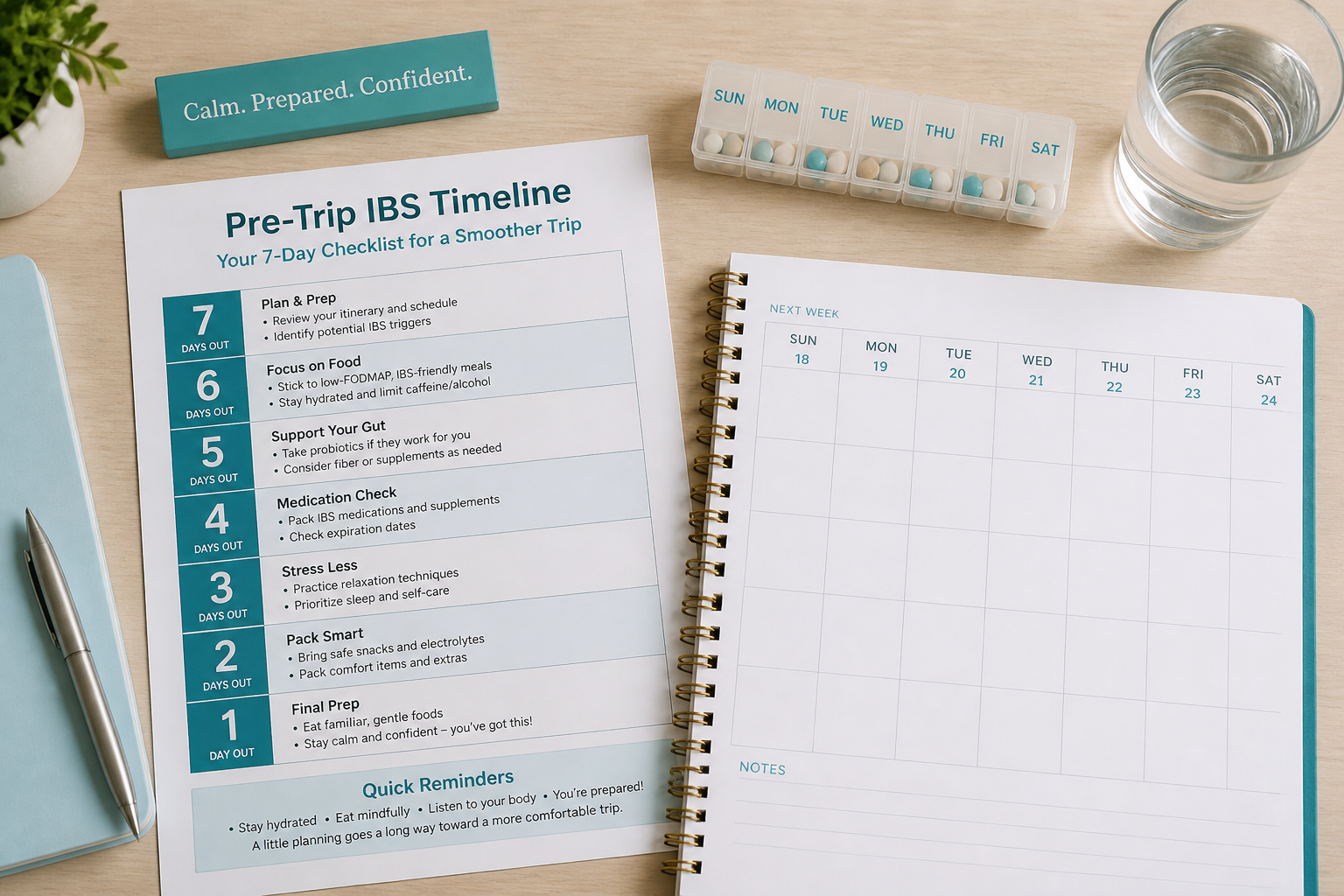
A simple timeline keeps IBS travel tips practical instead of stressful. When you break the trip into stages, you can protect your routine, reduce guesswork, and feel more steady as you Travel with Irritable Bowel Syndrome.
Timing | What to do |
|---|---|
1 week before | Review your usual IBS pattern and medication plan. Make sure you have enough prescription and over-the-counter medicines. Track food, fluids, Sleep schedule and IBS, stress, and bowel changes so you can spot your personal triggers before you leave. |
72 to 48 hours before | Build your carry-on kit. Pack prescriptions, IBS medication travel supplies like antidiarrheals, laxatives, or antispasmodics if you use them, plus wipes, toilet paper, a change of clothes, rehydration packets, and Pack safe snacks IBS options such as oatmeal packets, low-FODMAP bars, or rice cakes. |
72 to 48 hours before | Map restroom access for the route and destination. A Restroom finder travel search can help you locate rest stops, station bathrooms, and airport options. If you’re flying, an aisle seat near the lavatory can ease anxiety and make it easier to avoid holding it. |
24 hours before | Remove food surprises. Scan restaurant menus, pack a familiar breakfast, and choose simple meals and bottled water when needed. |
Morning of travel | Keep it repeatable. Eat the breakfast you already know works, take medicines exactly as directed, keep your kit within reach, and confirm your first stop, seat, or restroom plan before you leave. |
One medication detail is easy to overlook while packing. Severe diarrhea or vomiting can reduce how much of an oral contraceptive your body absorbs, so a bad travel flare can cost you more than a comfortable day. How IBS affects birth control pill absorption comes down to specific rules about timing and severity, and those are better read before a trip than during one.
During and after the trip, keep logging food, drinks, medicine use, sleep, and symptoms. That record supports Managing IBS while traveling and gives your clinician a clearer picture if flares keep coming back.
How Do You Manage IBS During Transit And On Arrival?
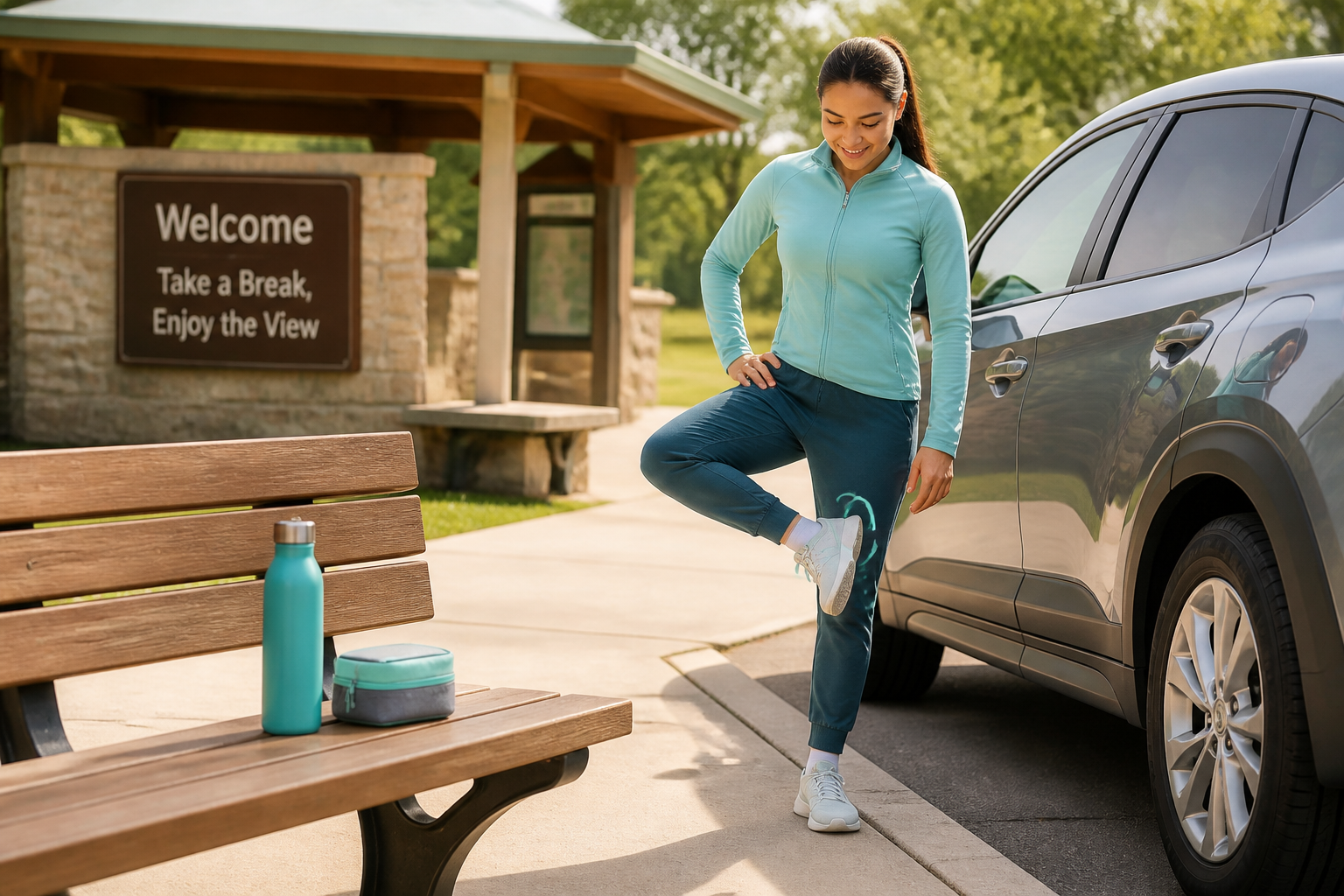
Transit is often where IBS symptoms start to stack up, but a few small choices can keep things steadier. [Managing IBS while traveling] starts with hydration, because even mild fluid loss can slow digestion and make constipation, cramping, and fatigue worse.
Carry a refillable water bottle and sip regularly instead of waiting until you feel thirsty. On long flights or drives, Electrolyte packets may help replace fluids and minerals when travel, sweating, or reduced food intake makes dehydration more likely (source). That simple routine supports Hydration and IBS care in a practical way.
Movement helps too. Long stretches of sitting can slow your gut, so When it is safe, stand up, stretch, or take a short walk at regular intervals during long trips, since movement and exercise can help IBS symptoms and constipation (source). If you can’t leave your seat, use small movements to keep things moving:
- Ankle rolls: Loosen your lower legs and ease pressure from sitting.
- Gentle torso twists: Support intestinal motility without much effort.
- Shoulder rolls and deep breaths: Reduce tension that can feed symptoms.
Stress control is another quiet but powerful part of these IBS travel tips. Choose an aisle seat when possible, sit near a restroom if that feels reassuring, and use [Restroom finder travel] before you leave for airports, stations, and rest stops. Extra time between connections also helps because rushing can trigger symptoms before you arrive.
Food choices matter during transit, too. Keep meals simple and familiar. Limit large portions, high-fat foods, excess caffeine, alcohol, and carbonated drinks. The [IBS caffeine trigger] can be especially relevant if you already know coffee or energy drinks bother you. New snacks are better tested at home, not on travel day, especially if you’re prone to Bloating during travel.
A few calming tools can help in the moment, and they fit well with Gut-brain communication:
- Breathing: Use slow diaphragmatic breaths to settle your system.
- Apps or audio: Try meditation, relaxation, or gut-directed hypnotherapy exercises if they already work for you.
- Headphones: Use noise-canceling headphones to lower sensory stress.
Once you arrive, keep the first day or two close to your usual routine. Match meal timing as closely as you can, especially after time-zone changes, so your digestion has less to adjust to. Pack antidiarrheal medicine, antacids, pain relief, wipes, and any prescribed IBS treatment in your carry-on. If you’re unsure what belongs in your kit, ask your clinician before you travel. This content is for educational purposes only and is not a substitute for personalized medical advice. Digestive symptoms can have many causes, so you should consult a qualified healthcare professional for persistent, severe, or worsening symptoms.
When Should Travel Symptoms Need Medical Care?
Travel symptoms deserve medical care when they stop acting like a short IBS flare. Severe diarrhea, cramping, or constipation that keeps getting worse, or symptoms that still haven’t settled after you’re back home, can point to something more than a routine trigger. If symptoms started after traveler’s diarrhea, follow-up matters because an intestinal infection can lead to lingering IBS-like symptoms, including post-infectious IBS (source).
Get urgent care sooner if you have any of these red flags:
- Fever
- Bloody stool
- Repeated vomiting
- Signs of significant dehydration
- Symptoms that feel different from your usual IBS pattern
Planning ahead helps if you have frequent flares or you’re headed on a higher-risk trip. A gastroenterologist can help plan extra precautions, medication timing, hydration steps, and when to seek care away from home, since IBS often needs individualized management (source). Some people also use Telehealth for IBS for quick advice while traveling.
Bring a clear symptom record to any clinician. Note:
- When symptoms started
- How long they lasted
- Stool changes and pain location
- Recent foods or drinks
- Sleep loss, stress, and medicines already tried
A simple trip log can also show whether the episode fits your usual IBS pattern, an infection, or a repeat trigger tied to food and water safety travel. Your wellness bag can support care, not replace it. Hydration supplies, safe snacks, comfort items, hygiene products, and Probiotics for IBS travel may help you feel more prepared, but red flags should always prompt medical attention.
IBS Travel FAQs
Travel can stir up familiar IBS questions, especially around triggers, planning, and symptom control before a trip. If your gut tends to react to routine changes, the FAQs below can help you feel more prepared.
1. Why does stress trigger IBS during travel?
Stress and travel anxiety can light up the gut-brain axis and push your body into fight-or-flight mode, which may speed up or slow down gut movement and lead to cramping, diarrhea, or constipation. When your enteric nervous system is more reactive, normal bowel signals can feel sharper, and rushed schedules, delays, unfamiliar places, and fear of symptoms can keep that alert state going. Slow diaphragmatic breathing, a 2- to 5-minute meditation, a relaxation app, or noise-canceling headphones can help settle things, and if you’re planning an IBS diet while traveling, these tools can support Stress and travel anxiety IBS patterns.
2. Can Metamucil help prevent travel constipation?
Yes, Metamucil can help prevent travel constipation for some people, especially if you start it a few days before you leave instead of waiting until you’re already constipated. Begin with a low dose and increase only if you tolerate it well, and drink extra water with each dose because psyllium absorbs fluid and can make constipation worse if you’re underhydrated. If you have IBS-C and need more predictable relief, a short-term osmotic laxative or another clinician-guided option may be a better fit for the trip. Pair any fiber plan with bottled water, a familiar breakfast, and a carry-on kit with your usual medications and travel-safe snacks.
3. What foods worsen IBS on long trips?
High-FODMAP foods like garlic, onions, beans, certain fruits, and some grains can hide in sauces and seasonings, so they may trigger bloating, gas, cramping, diarrhea, or constipation on the road. Fried foods, rich sauces, creamy dishes, and too much caffeine or alcohol can make symptoms worse, so it helps to carbonated drinks and IBS and choose smaller portions, grilled foods, plain rice, potatoes, or broth-based meals. Pack safe snacks IBS, including Low-FODMAP travel snacks, and keep IBS medication travel plans simple because unfamiliar dishes, new oils, and hidden ingredients can be harder on your gut than your usual routine.
4. How can you tell a travel flare from food poisoning?
Timing is the first clue: a travel flare often follows stress, poor sleep, routine disruption, or a trigger meal, while food poisoning usually starts within hours to a few days after contaminated food or water. Fever, bloody stool, marked vomiting, or feeling very ill point more toward infection than IBS, and infectious diarrhea often starts more suddenly and lasts longer than a typical flare. If symptoms began after unpeeled produce, ice, untreated water, or rich foods, traveler’s diarrhea or post-infectious IBS may be part of the picture. For severe, persistent, or worsening symptoms, hydration, stool testing, and possible empiric treatment based on travel history are the next steps.