


Post-infectious IBS is a practical guide to the causes, duration, and treatment choices for bowel symptoms that begin after a stomach infection. When diarrhea, cramping, or bloating keeps going after gastroenteritis ends, it can be hard to tell whether recovery is still in progress or a new IBS pattern has started. PI-IBS is IBS that develops after infectious gastroenteritis and continues after the acute infection clears. The sections ahead spell out what usually causes it, how long it tends to last, and what next steps make sense.
Expect a close look at the infections that can trigger PI-IBS, the risk factors that make it more likely, and the timeline many people follow over months and years. The article also covers diagnosis, subtype-based treatment for IBS-D, IBS-M, and IBS-C, plus low-FODMAP changes, probiotics, and medicines that may help. A simple symptom checklist and clinician discussion points can help turn a confusing recovery period into a clearer plan.
Adults, parents, and busy working people dealing with lingering bowel changes after a stomach bug will find the most value here, especially when work, travel, or meals keep getting disrupted. Primary care clinicians and gastroenterology teams can also use the timeline and red-flag symptoms to guide follow-up, since a Campylobacter infection followed by weeks of urgency can still fit PI-IBS while still warranting review. Clear, evidence-informed next steps follow below.
Post-Infectious IBS Key Takeaways
- PI-IBS starts after gastroenteritis and can linger after the infection clears.
- Abdominal pain, bloating, urgency, diarrhea, constipation, or mixed stools are common.
- Women and younger adults face higher risk after a severe stomach infection.
- Campylobacter, Salmonella, Shigella, norovirus, rotavirus, and Giardia can trigger symptoms.
- Symptoms often improve slowly over months and may take years to settle.
- Diagnosis relies on symptom history, Rome IV criteria, and rule-out testing.
- Treatment is subtype-based and may include diet changes, probiotics, or prescription medicines.
What Is Post-Infectious IBS?
PI-IBS is a form of irritable bowel syndrome that starts after infectious gastroenteritis or intestinal enteritis. The infection usually clears first. The bowel symptoms keep going after that. Some people notice it as post infectious IBS symptoms after a stomach bug that seemed finished.
Clinicians usually diagnose PI-IBS from the symptom history and pattern rather than from one confirmatory test. A recent infection followed by ongoing bowel changes points in that direction, especially when the symptoms look like IBS. The term post-infection IBS is also used for the same pattern.
Common signs include:
- Abdominal pain: cramping or recurring discomfort
- Bloating: a swollen, gassy, or tight belly
- Stool changes: diarrhea, constipation, loose stools, or a mix of both
- Ongoing bowel changes: symptoms that start after the infection and last beyond the acute illness
Several infections can set it off:
Trigger type | Common examples |
|---|---|
Bacterial | E. COLI, Campylobacter, Salmonella, Shigella |
Viral | Norovirus, rotavirus |
Protozoal | Giardia |
Bacterial infections show up most often, but viruses and parasites can also lead to lingering symptoms. Some researchers also think changes in the gut barrier, including intestinal permeability PI-IBS, may help explain why symptoms stick around.
PI-IBS most often looks like diarrhea-predominant IBS or mixed IBS. Constipation-predominant cases are less common. If your symptoms are persistent, worsening, or feel different from your usual pattern, a qualified healthcare professional should review them to rule out other causes.
Who Is Most Likely To Get PI-IBS?
PI-IBS is more common than many people expect. PI-IBS risk appears to be higher after more severe enteric infections, and several studies have linked the condition with female sex, younger age, and certain acute illness features such as prolonged diarrhea or psychological distress. Prevalence estimates vary across studies, so the figure should be presented as an estimate rather than a fixed rate.
The epidemiology of PI-IBS shows a few consistent patterns. Younger adults and women have the highest risk, so bowel changes that linger after a stomach bug deserve closer follow-up in those groups.
Several acute illness features raise risk:
- Severe diarrhea: Frequent, hard-to-control loose stools are more concerning than a brief, mild illness.
- Longer duration: Diarrhea that lasts more than 7 days is a notable marker of higher PI-IBS risk.
- Psychological distress: Stress, anxiety, or strong distress around the infection can increase the odds of ongoing symptoms.
- Antibiotic exposure: Antibiotics during the illness may add risk in some reviews, but they are only one part of the broader picture.
- Pathogen type: The same infection does not carry the same follow-up risk for everyone, and Campylobacter is one of the better-known triggers.
Stress and anxiety can shape recovery, and the IBS stress link helps explain why the brain-gut response can keep symptoms going.
Hormonal shifts may also affect symptom patterns, which is why hormones in IBS can matter after an infection.
If your symptoms linger after gastroenteritis, female sex, younger age, a rough acute illness, stress, and certain infections can all raise the odds of PI-IBS. Follow-up with a clinician makes sense when bowel changes do not settle down.
How Long Does PI-IBS Last?
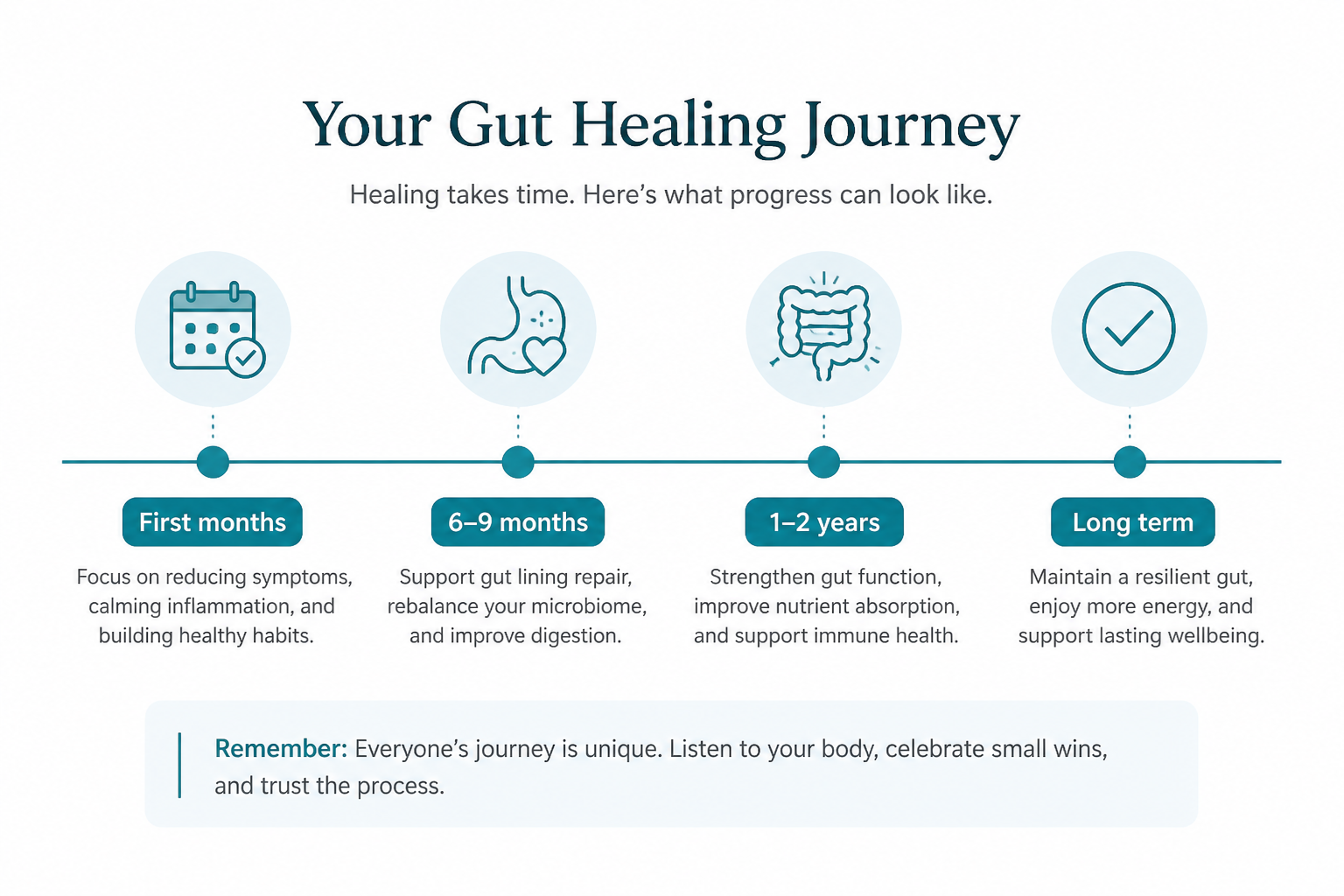
PI-IBS usually improves slowly, not all at once. Your original infection can’t predict the exact timeline, and the first months after gastroenteritis often bring mixed progress. Bowel changes, abdominal pain, and urgency may linger even after other symptoms start to settle.
Recovery often moves in waves. A few better days can be followed by a flare after stress, travel, or a heavier meal. That pattern is frustrating, but it does not mean you are starting over.
A simple way to think about the usual course is this:
Time frame | What often happens |
|---|---|
First few months | Some symptoms fade on their own, but pain, urgency, or loose stools may linger |
Around 12 months | A meaningful share of people still have symptoms, even if they are improving |
6 to 8 years | Many cases settle over time, and PI-IBS often has a better outlook than typical IBS |
The epidemiology of PI-IBS helps explain why the timeline feels so uneven. PI-IBS can improve gradually over time, but recovery is often uneven and may take months to years. These studies describe group trends, not your personal outcome.
Longer-term follow-up is often reassuring. Long-term follow-up studies suggest that many cases ease over time, although some symptoms can persist for years. Symptoms may also ease before they disappear, so gradual improvement is a good sign even when you are not fully back to normal.
Lingering flares are common, especially during stress. Worsening pain, new warning signs, or symptoms that keep disrupting work, sleep, or daily life deserve medical evaluation and symptom-directed support. Digestive symptoms can have many causes, so get personalized care if the pattern is changing or not settling.
What Is The Recovery Timeline For PI-IBS?
PI-IBS often follows a months-long recovery curve. The first six months can feel the most uncertain because your gut is still settling after the infection.
A simple timeline can help you gauge what is typical:
Time since infection | What often happens | What it means |
|---|---|---|
6 to 9 months | Symptoms may still be active. In one cohort of people with lab-confirmed Campylobacter infection, 21% met Rome criteria for PI-IBS at this stage. | Ongoing bowel changes are still within the expected range. |
Around 12 months | Improvement is common, but not everyone is fully better. A meta-analysis of 45 studies with 21,421 patients found a pooled PI-IBS prevalence of 10.1% at 12 months (source). | Many people recover in the first year, while a smaller group still has symptoms. |
1 to 2 years | Recovery can keep moving in a slow, uneven way. Daily symptoms may turn into flares tied to stress, food, or another stomach bug. | That pattern is common, and it does not mean PI-IBS is becoming permanent. |
6 to 8+ years | A subset still has PI-IBS years later. The same meta-analysis found a 14.5% prevalence after more than 12 months. | Symptoms can linger, although they often feel less intense over time. |
The main thing to watch is the trend. If your symptoms are persistent, severe, or getting worse, a qualified healthcare professional should review them because digestive symptoms can have many causes.
Use this timeline as a guide, not a promise. Track whether your symptoms are easing, shifting, or staying stuck, and bring that pattern to your clinician so you can decide whether another cause needs to be checked or symptom-directed care makes sense.
How Is PI-IBS Diagnosed?
PI-IBS is usually diagnosed from the symptom history, a clear infectious episode, the timing after infection, and whether the symptoms fit IBS criteria while other causes are excluded. Your clinician looks at the story first, not a single lab result.
The ROME IV diagnostic criteria PI-IBS support the diagnosis with recurrent abdominal pain plus stool changes. Those changes can mean altered stool frequency, altered stool form, or pain linked to bowel movements. A Cleveland Clinic summary describes IBS as abdominal pain at least 1 day a week for the past 3 months, plus two of those stool-related features.
Clinicians also build the diagnosis and differential diagnosis carefully:
- Ongoing infection: repeat stool testing may matter if diarrhea never fully settled.
- Inflammatory bowel disease or celiac disease: fecal calprotectin and related tests can help look for inflammation or gluten-related disease.
- Alarm features: blood in the stool, weight loss, anemia, fever, nighttime symptoms, or severe pain call for broader evaluation.
That rule-out step matters because other postinfectious conditions can mimic PI-IBS. Biomarkers such as anti-vinculin have been studied, but they are not established as routine diagnostic tests for PI-IBS. If your pattern fits and no red flags are present, care usually follows standard IBS management. If warning signs appear, further testing should come first.
Which Tests Help Diagnose PI-IBS?
PI-IBS workups still rely on symptoms, with tests used to rule out look-alike conditions. After a recent stomach infection, the ROME IV diagnostic criteria PI-IBS help clinicians judge whether your ongoing bowel symptoms fit the pattern. Testing is mainly used to rule out infections, inflammation, celiac disease, and other look-alike conditions when the history does not clearly fit PI-IBS.
Common checks often start with stool studies if diarrhea is still going on or if symptoms began after gastroenteritis. Basic blood work can also help spot anemia, inflammation, dehydration, or another condition that does not fit an IBS label. Fecal calprotectin is especially useful when inflammation is part of the question.
The main tests and why they matter are:
- Stool studies: Look for infection, parasites, or signs that the original illness never fully cleared.
- Blood tests: Check a complete blood count, inflammatory markers, and other routine labs when appropriate.
- Colonoscopy with biopsy: Helps when there are alarm features, older age at symptom onset, bleeding, weight loss, or persistent symptoms that do not fit typical PI-IBS.
- Biopsy review: Can rule out inflammatory bowel disease or microscopic colitis, which symptoms alone may miss.
- Specialized biomarkers: Some markers have been explored, but they are not validated enough to confirm PI-IBS on their own.
Colonoscopy and biopsy are usually reserved for alarm features, atypical symptoms, or other reasons to suspect a different diagnosis.
The goal is a careful workup that rules out serious look-alikes without overtesting when your story already fits PI-IBS.
How Is PI-IBS Treated By Subtype?
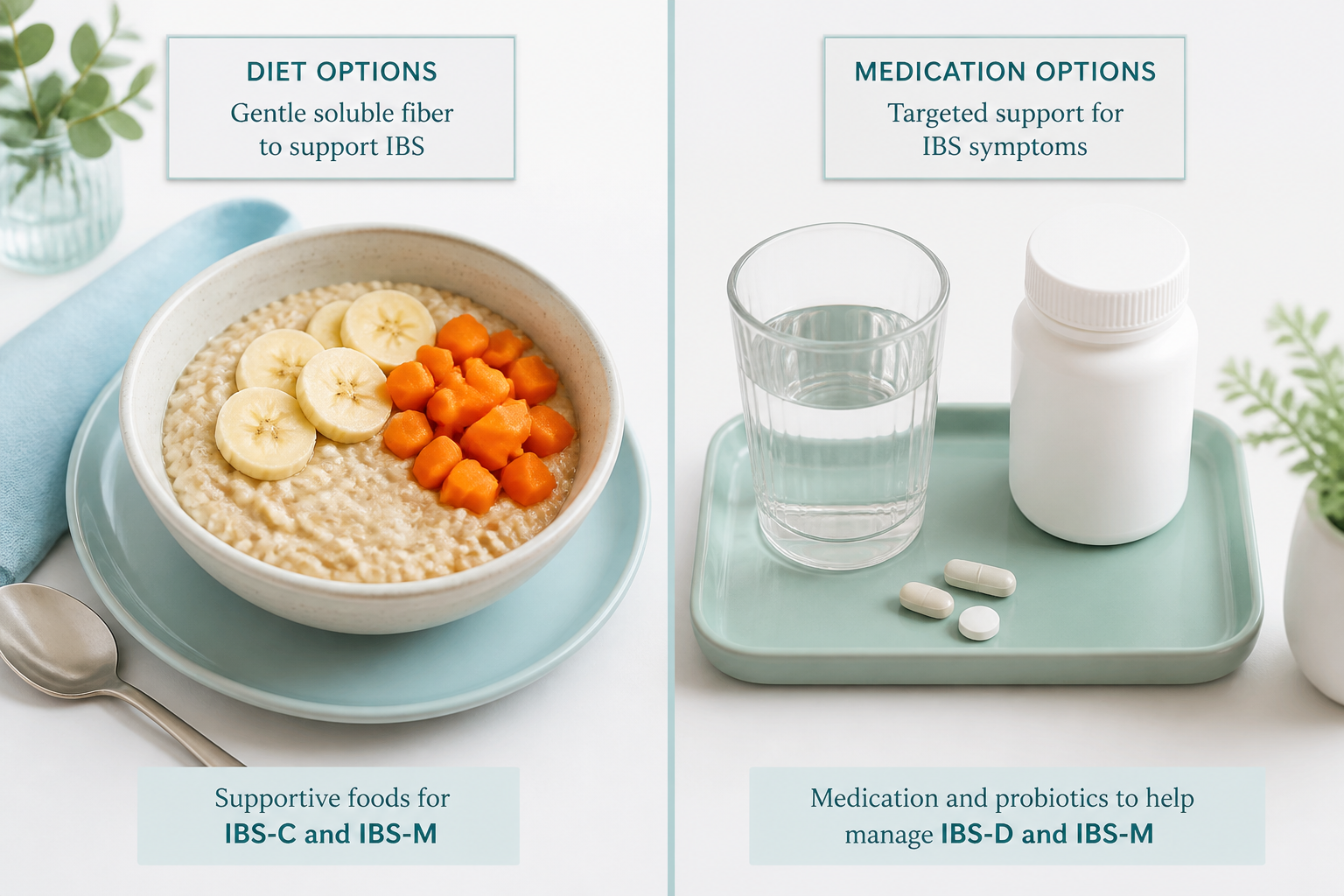
PI-IBS is usually treated according to the bowel pattern that bothers you most day to day. PI-IBS treatment usually follows standard IBS care and is tailored to the dominant bowel pattern and symptom burden. Education, reassurance, and symptom-focused care still come first, and evidence is stronger for general IBS care than for PI-IBS-specific trials.
Dominant pattern | First choices | Reserve options |
|---|---|---|
IBS-D | Diet changes, trigger tracking, and clinician-guided antidiarrheals or antispasmodics | Bile-acid binders, rifaximin, and other clinician-directed care in selected cases |
IBS-M | Treat the current problem, then adjust as symptoms shift | Add symptom-specific medicines only when needed |
IBS-C | Fiber, osmotic laxatives, or secretagogues | Broader constipation treatment if simpler steps do not help |
IBS-D management starts with the lowest-burden steps that calm loose stools and urgency. A low FODMAP diet can help some people, especially when you pair it with a short trigger log so meals feel more manageable. Clinician-guided antidiarrheals or antispasmodics may fit when symptoms are disruptive, but evidence is stronger for standard IBS-D care than for PI-IBS-specific trials.
More persistent diarrhea may justify reserve options. Bile-acid binders and rifaximin can be considered in selected cases, but the evidence for PI-IBS is still limited and mostly borrowed from broader IBS research. That is why a gradual step-up plan usually makes more sense than jumping straight to stronger treatment.
Mixed and constipation-predominant symptoms call for a flexible plan. On constipation days, fiber, osmotic laxatives, or secretagogues may help. When symptoms swing between patterns, it usually works better to treat the dominant problem in front of you rather than every symptom at once.
A few practical guardrails matter:
- Stay flexible: PI-IBS symptoms can shift between diarrhea, constipation, and mixed patterns.
- Use support tools: The gut microbiome and IBS may help explain why probiotics and gut-directed psychological therapies, such as relaxation or hypnotherapy, help some people more than others.
- Watch for warning signs: Seek prompt medical review for blood in stool, weight loss, fever, dehydration, nighttime symptoms, or worsening pain.
- Revisit the plan: If your bowel pattern changes, your treatment should change with it.
The best next step is a subtype-based plan that matches your current symptoms and gets reviewed promptly if warning signs appear.
How Do You Treat IBS-D?
Post-infectious IBS often shows up as IBS-D or IBS-M, so IBS-D management starts with diarrhea control. That stepwise approach fits the therapeutic options for PI-IBS, especially when your symptoms lean toward loose stools, urgency, and cramping after an infection.
The main options usually look like this:
- Loose stools and urgency: Loperamide can slow bowel movements and make daily routines easier. If bile acid malabsorption may be part of the picture, a bile-acid binder such as cholestyramine can be worth discussing.
- Selected IBS-D cases: Rifaximin may help when simpler measures have not been enough. It is used for symptom control, not as a long-term fix.
- Cramping and bowel spasm: Dicyclomine, hyoscine, or peppermint oil can ease pain when cramping and urgent bowel movements happen together.
- Ongoing pain and urgency: Under clinician guidance, ondansetron may help diarrhea control. Low-dose tricyclic antidepressants such as amitriptyline or imipramine can also be considered when symptoms stay disruptive.
IBS-D treatment is usually stepwise and focuses first on diarrhea control, cramping relief, and symptom burden. Some medicines, including loperamide, antispasmodics, rifaximin, bile-acid binders, and selected neuromodulators, may help in the right clinical setting.
A 2007 review supports this kind of stepwise plan for post-infectious IBS-D (source).
A clinician or gastroenterologist should evaluate you if diarrhea is severe, ongoing, or linked with weight loss, blood in the stool, dehydration, or major disruption. That helps confirm the diagnosis and rule out other causes.
How Do You Treat IBS-M And IBS-C?
Treatment for IBS-M and IBS-C uses different options for the bowel pattern you have now. A low FODMAP diet can ease day-to-day flares, and some people also do better when they limit wheat, dairy, or gluten that clearly trigger symptoms.
- Constipation-heavy days: Soluble fiber is often gentler than insoluble fiber, and gradual dose increases can lower gas and cramping. If stool stays hard or infrequent, a laxative strategy usually helps more than pushing fiber harder.
- IBS-C that does not improve: Secretagogues such as linaclotide, lubiprostone, plecanatide, and tenapanor can increase fluid in the bowel and make stool easier to pass. Prucalopride may help when slow transit and infrequent bowel movements are the main problem.
- IBS-M days: Match treatment to the pattern you have most often. Use constipation-focused options during sluggish phases, and avoid aggressive laxatives when stools are already loose.
Pain deserves its own plan. If cramping or abdominal pain keeps going after bowel symptoms are addressed, low-dose neuromodulators such as amitriptyline or imipramine may help manage gut pain signals. They are not meant to cure IBS, but to help manage pain when symptoms stay disruptive.
Treatment for mixed or constipation-predominant symptoms is usually matched to the bowel pattern that is active at the time, and options may include soluble fiber, laxatives, secretagogues, or neuromodulators depending on the clinical picture. The share of PI-IBS cases in each subtype should be reported only if a study or guideline supports that distribution.
What Causes PI-IBS In The Gut?
Research suggests that PI-IBS may involve changes in the gut microbiome, immune activity, barrier function, motility, and gut-brain signaling after infection. It is not a single-gene problem or a one-trigger story. For a broader look at why IBS develops, the pattern starts with shifts in the microbiome, the gut barrier, immune activity, and gut-brain signaling that can keep symptoms going long after the infection clears.
The main mechanisms are usually described like this:
- Microbiome shifts: The gut microbiome and IBS link looks different in PI-IBS than in noninfectious IBS. Reviews describe microbiota dysbiosis PI-IBS as a distinct pattern that may change fermentation, gas production, and symptom timing. No single microbe or probiotic strain explains every case.
- Barrier changes: Intestinal permeability PI-IBS means the gut lining may become easier for irritants to cross. A weaker barrier can leave the intestine more exposed even after the original bug is gone.
- Immune activity: Low-grade inflammation can linger in the bowel wall. Studies describe persistent mucosal irritation, more lamina propria T cells, and tighter mast-cell and nerve contact, which may help explain why your gut stays sensitive without an active infection.
- Serotonin and motility changes: Researchers have also found enterchromaffin cell hyperplasia and shifts in serotonin signaling. Those changes may contribute to urgency, faster transit, and more pain sensitivity. That is one reason bowel motility and IBS matters so much in PI-IBS.
- Nerve and genetic factors: Gut-brain signaling and neuromotor changes can keep the bowel overreactive. Early Walkerton cohort data also pointed to candidate variants such as Toll-like receptor 9, cadherin 1, and interleukin 6, but these are not reliable predictors for individual patients.
Animal and human studies support a multi-factor model, but no single mechanism explains every case. Infection can leave behind long-lasting changes in immune tone, barrier function, and motility, which may help explain why symptoms linger even when the infection itself is over.
How Can You Lower PI-IBS Risk After Infection?
The safest goal after acute gastroenteritis is risk reduction, not guaranteed prevention. No therapy has been shown to fully stop PI-IBS once an infection has happened, so the practical focus is on early monitoring, gentle recovery, and prompt follow-up if bowel habits stay off track.
People who may deserve closer attention include:
- Women: Female sex has been reported as a risk factor.
- People with anxiety or depression: Psychological distress may be linked with persistent gut symptoms.
- People with prior antibiotic exposure: This history has been reported as a risk factor, and it may also be linked with microbiota dysbiosis in PI-IBS.
Recovery is usually easier on your gut when you keep things simple. Use antibiotics only when a clinician says they’re needed. Support hydration, rest, and a gradual return to meals as nausea, vomiting, or diarrhea settle. That approach won’t eliminate risk, but it avoids adding avoidable strain during recovery.
No therapy has been proven to prevent PI-IBS once an enteric infection has occurred, so the practical focus is on recovery support and follow-up when symptoms do not settle. Some studies have linked higher risk with female sex, psychological distress, and prior antibiotic exposure, but the strength of that evidence should be stated carefully. Older clinical work on post-infectious bowel symptoms supports careful follow-up after infection and not dismissing lingering changes too quickly (source).
Watch for symptoms that linger beyond the expected recovery window:
- Ongoing diarrhea or constipation
- Abdominal pain or cramping
- Bloating or gas
- Urgency or a sudden need to go
Persistent or worsening symptoms deserve early medical review, because digestive complaints can have many causes. A clinician can help rule out other problems, guide symptom-based care, and decide whether your pattern fits PI-IBS or something else that needs different treatment.
When Should You See A Clinician?
Symptoms that are severe, persistent, or getting worse deserve a clinician visit, especially when diarrhea, abdominal pain, or bloating is getting in the way of daily life.
Get prompt medical attention if you notice:
- Alarm features such as blood in the stool, unintentional weight loss, black or tarry stools, fever, dehydration, or symptoms that wake you from sleep should prompt medical evaluation because they can point to something beyond PI-IBS.
- A tougher starting illness, such as bloody stool, prolonged diarrhea, frequent cramping, or a hospital stay, may warrant closer follow-up because some studies have linked more intense acute infections with later PI-IBS.
- Little or no improvement with diet changes, targeted medications, or other first-line steps in your PI-IBS treatment plan, because unremitting symptoms often need a broader workup.
Younger adults and women showed up more often in research, but anyone with alarm features should not assume it is IBS without a qualified evaluation. This content is for educational purposes only and is not a substitute for personalized medical advice.
Post-Infectious IBS FAQs
If you’re trying to make sense of post infectious IBS, the FAQs below cover the most common concerns, from why it starts to how long post-infection IBS may last, so you can find clear answers without guessing.
1. Is Post-Infectious IBS Contagious?
Post-infectious IBS PI-IBS is not contagious, so you cannot catch it from someone else the way you catch a stomach bug. The original infection or food poisoning may have been contagious, but PI-IBS is the lingering bowel change that can follow after the illness has passed. It reflects a post-infection gut response, not an active infection, though persistent or worsening symptoms should still be checked by a clinician.
2. Can Food Poisoning Trigger PI-IBS?
Yes, food poisoning can trigger post-infectious IBS, or PI-IBS, after infectious gastroenteritis, so new IBS symptoms after a stomach bug are a recognized pattern. Study estimates vary, but about 4% to 36% of people may develop PI-IBS after an infection. Bacterial infections seem most likely, especially Campylobacter, Salmonella, Shigella, and E. COLI, though Giardia, norovirus, and rotavirus can also play a role. Persistent symptoms should still be checked, since digestive symptoms can have many causes.
3. Can Diet Ease Post-Infectious IBS Symptoms?
Diet can help manage PI-IBS symptoms, but it isn’t a cure and results vary from person to person. A low-FODMAP trial often helps bloating, gas, and diarrhea for short-term relief, especially when you’re sorting out trigger foods for IBS. Fibre changes can also help, since soluble fibre may ease symptoms while too much insoluble fibre can worsen cramping or loose stools, and a short, individualized elimination trial with a clinician or dietitian is the safest next step.
4. Is Post-Infectious IBS Ever Curable?
Post-infectious IBS PI-IBS can improve and sometimes fully resolve, but it often behaves like a long-lasting condition rather than a quick fix. Research suggests that about half of cases settle on their own within 6 to 8 years after the infection, so recovery is still possible even if symptoms linger. For some people, symptoms come and go, so the usual goal is to help manage flares and watch for gradual improvement over time.
Sources:
- DOI: https://doi.org/10.1046/j.1365-2036.2003.01640.x
- DOI: https://doi.org/10.1086/507540
- DOI: https://doi.org/10.1097/01.psy.0000221384.07521.05
- DOI: https://doi.org/10.1097/MCG.0b013e31818c87d7
- DOI: https://doi.org/10.1111/j.1365-2036.2004.02284.x
- DOI: https://doi.org/10.1111/j.1365-2036.2007.03399.x
- DOI: https://doi.org/10.1111/j.1365-2982.2005.00719.x
- DOI: https://doi.org/10.1111/j.1440-1746.2005.03574.x
- DOI: https://doi.org/10.1111/j.1572-0241.2003.07542.x
- DOI: https://doi.org/10.1136/bmj.1.4650.405