


IBS symptoms in women often show up as a repeating gut pattern, not a one-time upset stomach. For busy professionals and caregivers, the hard part is sorting normal flare-ups from the kind of pain, bloating, constipation, diarrhea, or urgency that deserves a closer look. IBS is a functional bowel disorder, which means the symptoms are real even when tests do not show structural damage, and the goal here is to make those patterns easier to recognize.
This article covers the most common symptom clusters, hormone-related flares across the menstrual cycle and pregnancy, and the overlaps that can make IBS look like endometriosis or IBD. It also walks through practical next steps, including Low-FODMAP support, symptom tracking, and red flags that call for medical evaluation. Readers will come away with a clearer way to compare what they feel, what may be driving it, and when to seek testing or clinician care.
That matters most for women balancing work, family, and ongoing digestive symptoms who need plain-language guidance they can use before the next appointment. An office manager who sees bloating surge before her period, or a teacher whose bowel changes come with pelvic pain, can use the symptom patterns here to ask better questions and keep a sharper record. The next sections offer a grounded path from uncertainty to a more useful plan.
IBS Symptoms in Women Key Takeaways
- IBS in women often appears as a repeating pattern of pain, bloating, and bowel changes.
- Hormone shifts can worsen symptoms before periods and during menstruation.
- Pregnancy may increase constipation, gas, bloating, and abdominal pressure.
- IBS can overlap with endometriosis, pelvic pain, and IBD symptoms.
- Blood in stool, weight loss, fever, or nighttime diarrhea need prompt evaluation.
- A symptom tracker helps connect bowel changes to food, cycle timing, and stress.
- Low-FODMAP changes, hydration, and gradual fiber adjustments may ease flare symptoms.
What Are The Most Common IBS Symptoms In Women?
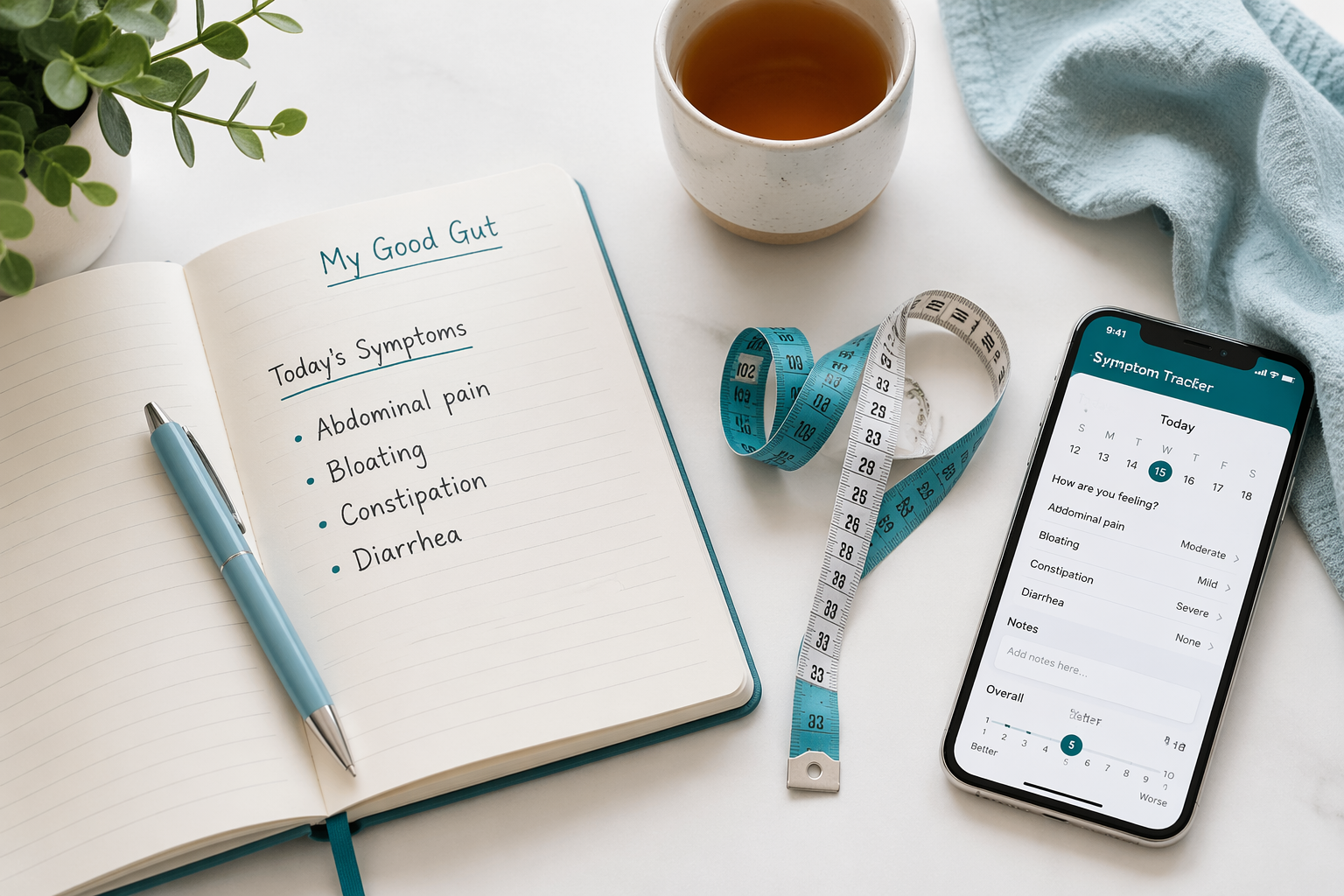
Irritable Bowel Syndrome (IBS) usually shows up as a pattern, not a one-off bad day. You may notice recurring abdominal pain or cramping, bloating and gas, and bowel changes that swing between constipation, diarrhea, or both. IBS does not permanently damage the intestines, and it does not raise cancer risk.
Women are diagnosed with IBS about twice as often as men, and some reports estimate that roughly 70% of diagnosed patients are female (source). That helps explain why IBS symptoms in women come up so often in women’s health conversations. The how IBS symptoms present usually center on the gut, but the pattern can feel very different from person to person.
The symptoms many women find most disruptive often look like this:
Symptom pattern | What it can feel like |
|---|---|
Bloating and distension | A tight, swollen abdomen that may look larger by evening |
Constipation-predominant IBS | Hard or lumpy stools, straining, fewer bowel movements, or IBS-C |
Diarrhea pattern | Loose stools, sudden urgency, or unpredictable trips to the bathroom |
Mixed pattern | Switching between constipation and diarrhea over time |
A lingering sense of incomplete emptying is also common. So are lower abdominal discomfort, excess gas, and mucus in the stool. These clues often cluster together, which is why one symptom alone rarely tells the whole story. Many women also notice that the belly feels flatter in the morning and more stretched by the end of the day.
Recurring bloating, pain, or bowel changes deserve medical attention when they persist, worsen, or come with red flags. A clinician can help rule out other causes such as inflammatory bowel disease or endometriosis. If the pattern seems closer to IBS symptoms in men, the next step is still the same. Get checked if the symptoms keep coming back.
Why Do IBS Symptoms Flare With Hormones?
Hormones can make IBS feel harder to predict because your gut does not respond the same way every week. Many women notice more gas, cramping, bloating, diarrhea, and urgency in the days before a period and during the first days of bleeding. The same pattern may not show up every month, which is why hormonal fluctuations and IBS can feel so confusing.
The menstrual cycle and IBS often line up in a few common ways:
- Before bleeding starts: symptoms may build as estrogen and progesterone shift.
- During menstruation: pain, loose stools, and urgency often peak.
- Across different months: symptoms can change as hormone levels rise and fall at different rates.
Part of the reason is the gut-brain axis, the two-way communication between your digestive tract and nervous system. Estrogen and progesterone receptors in the gut can make the bowel more sensitive to normal hormone changes. That sensitivity can show up as pain, bloating, or a sudden need to use the bathroom. The same hormone and stress signals can reach your skin, and IBS and acne looks at that overlap.
Progesterone can also slow digestion. For some women, that means more constipation, pressure, and abdominal fullness. It helps explain why people with constipation-predominant IBS or mixed IBS may feel more backed up at certain points in the cycle.
Menstruation adds another layer. Prostaglandins released during a period can increase uterine and bowel contractions. That can lead to looser stools, cramping, and stronger urgency, especially in IBS-D. Telling period-related IBS cramps apart from ordinary menstrual cramps often takes a few cycles of notes.
These flares are real biological changes, not imagined symptoms. Tracking your cycle alongside bowel symptoms can help you spot your pattern and give your clinician a clearer picture if the pain is severe, new, or getting worse.
How Does Pregnancy Affect IBS?
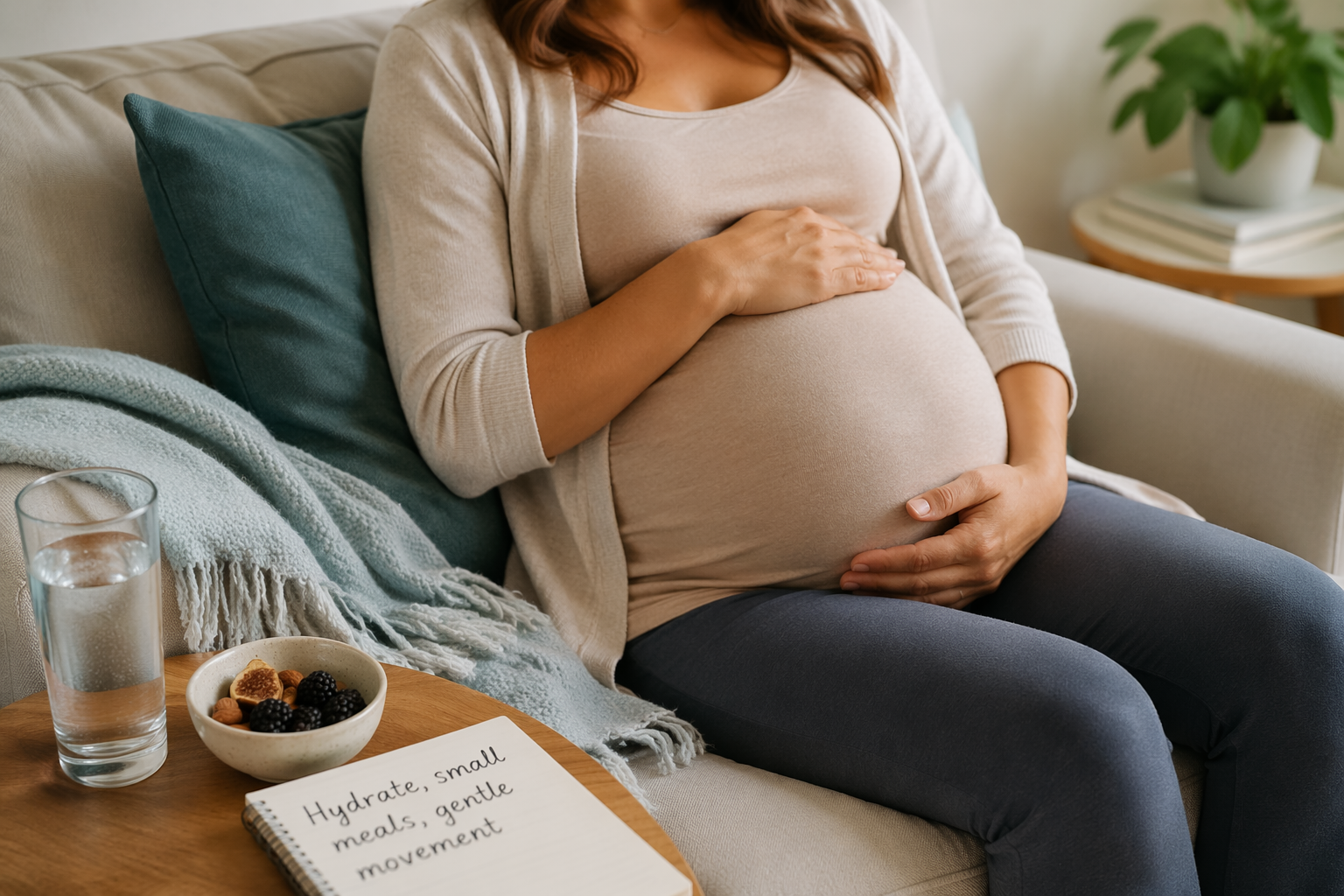
Pregnancy can change IBS in ways that feel subtle at first and louder later on. Rising progesterone often slows gut movement, so constipation, gas, and bloating may become more noticeable as pregnancy goes on.
Trimester patterns can look different from one person to the next. Early nausea and food aversions can make regular meals harder, while the second and third trimesters often add abdominal pressure and slower bowel movements that can feel like an IBS flare.
Women with IBS often notice these shifts more strongly. Many already have IBS-C, and constipation-predominant IBS tends to overlap with more abdominal distension and more severe bloating. Pregnancy can amplify symptoms that were already part of your pattern.
A few pregnancy-safe habits can help you stay more comfortable:
- Hydrate steadily throughout the day.
- Get fiber from foods if you tolerate it.
- Eat smaller meals to ease nausea and pressure.
- Move gently if your obstetric team says it’s okay.
- Avoid sudden diet changes that can worsen nausea or constipation.
The low FODMAP diet may still help some people with IBS, but pregnancy is not the time to self-restrict without guidance. A trained clinician or dietitian can help you keep nutrition adequate for both you and your baby.
Mild shifts are common, but ongoing or worsening symptoms deserve attention. Severe pain, vomiting, weight loss, blood in the stool, fever, or dehydration should prompt contact with obstetric care or another qualified healthcare professional. Pregnancy digestive symptoms have many causes, so don’t assume every change is just IBS.
How Can You Tell IBS From Endometriosis Or IBD?
IBS, endometriosis, and IBD can look similar at first, but the pattern usually gives them away. IBS is a functional bowel disorder, so the main problems are recurring abdominal pain, bloating, and changes in stool form or frequency. IBD is inflammatory, so it is more likely to cause ongoing diarrhea, blood in the stool, fever, weight loss, and fatigue that does not fit a typical flare. IBS can leave you drained too, but fatigue with IBS usually tracks with poor sleep and flare days rather than with fever or bleeding.
Endometriosis can be even harder to sort out because it may act like a bowel condition when it affects the bowel or nearby pelvic organs. Severe cramps, pain with bowel movements, bloating, and symptoms that rise and fall with your period point more toward a gynecologic cause than IBS alone. The overlap is real, too. About 23% of people with endometriosis also have IBS, and the odds are roughly three times higher than in people without endometriosis, so bowel symptoms do not rule out a pelvic condition (source, source).
Pain can overlap in ways that feel confusing, especially with pelvic pain and IBS or painful sex and IBS. A simple diagnosis and differential workup guide can help you see the difference:
Symptom pattern | What it may suggest | Next step |
|---|---|---|
Cramping, bloating, constipation or diarrhea, no red flag symptoms | More typical IBS | Diagnosis is often clinical |
Blood in stool, anemia, fever, night symptoms, weight loss | More concerning for IBD or another cause | Blood tests, colonoscopy, and age-based cancer screening may be needed |
Pain that worsens around periods, painful intercourse, pelvic tenderness, fertility concerns | Possible endometriosis | Gynecology referral plus digestive evaluation |
Some red flag symptoms should not be brushed off as IBS:
- Unexplained or rapid weight loss
- Rectal bleeding or blood in the stool
- Persistent fever
- Diarrhea that wakes you from sleep
- Severe abdominal pain that disrupts sleep
- Signs of anemia, such as extreme pallor or weakness
When your symptoms fit a classic IBS pattern and no alarm signs are present, clinicians often make the diagnosis from history and exam alone (source, source). When bleeding, anemia, weight loss, fever, or nighttime symptoms show up, the diagnosis and differential workup usually expands. A gynecology referral also matters when periods reliably trigger bowel pain or when endometriosis and IBS both seem possible.
What Should You Do During An IBS Flare?
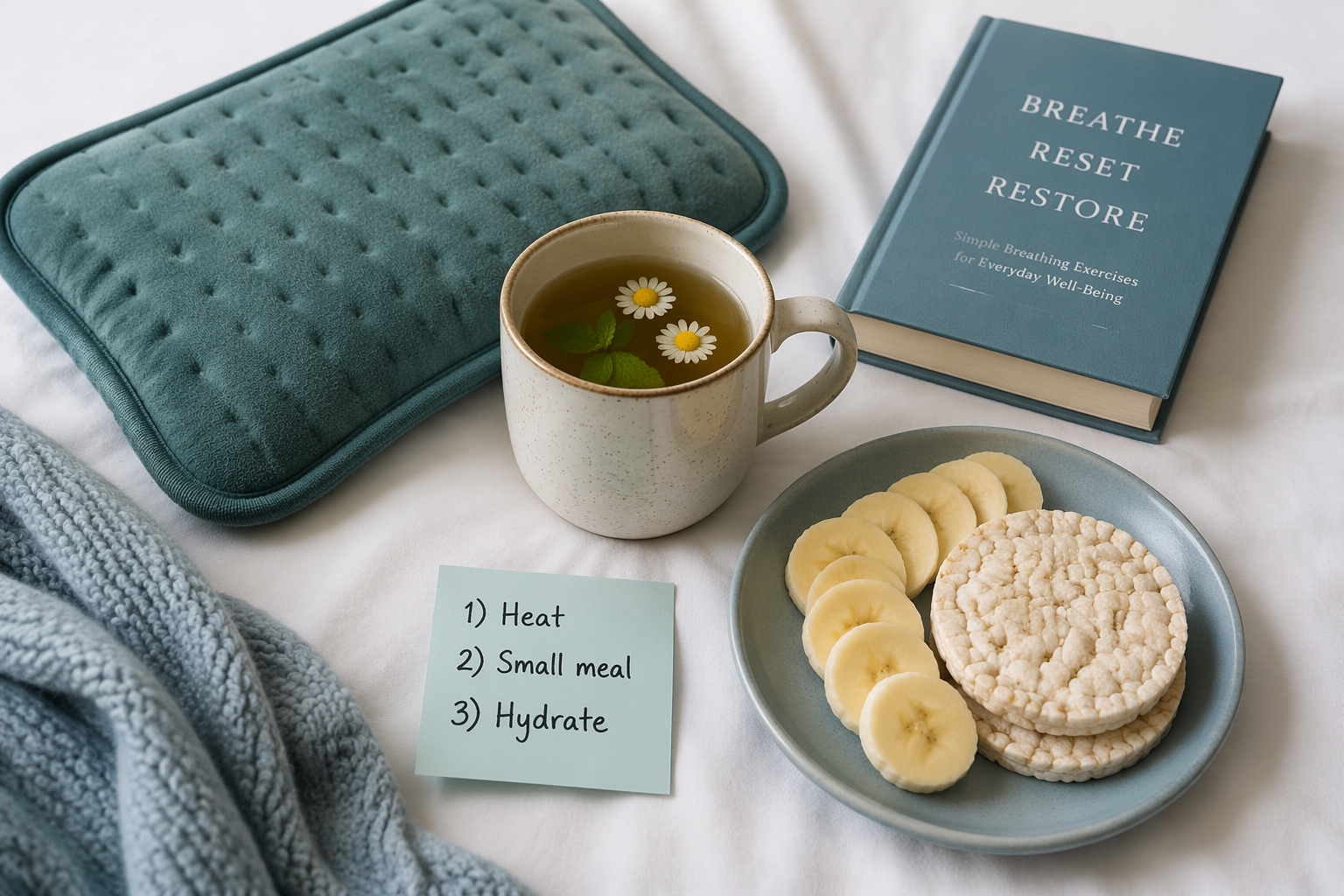
A flare is easier to handle when you treat the loudest symptom first. If pain, bloating, nausea, diarrhea, or constipation is taking center stage, focus on that one issue instead of trying every remedy at once. That usually keeps the day calmer and helps you notice what actually helps.
For cramping or pain, gentle heat, rest, slow breathing, and a short walk can ease spasms if movement feels good. For bloating, smaller meals usually sit better than a large plate, and it helps to skip carbonated drinks, lactose, caffeine, alcohol, and other common high FODMAP triggers. If nausea or reflux shows up after eating, bland meals and staying upright for a while can make the episode more manageable.
If diarrhea is the main problem, hydration comes first. Sip fluids steadily, choose smaller low-residue meals, and avoid foods that make urgency worse during a flare. Sudden bathroom urgency and the feeling that you still need to go are common IBS patterns, and they make that rushed, hard-to-ignore feeling easier to track and discuss with a clinician.
If constipation is the main issue, think slow and steady. Add fluids and fiber gradually rather than all at once, because a fast jump can make bloating and pain worse. Over time, many people aim for about 20 grams of fiber a day, but the better target is whatever your gut can tolerate without more distress (source).
Some IBS treatment options may help, but response varies from person to person. A low FODMAP diet can be useful for short-term adjustments, and stress reduction tools matter too, especially when stress and anxiety IBS patterns seem to drive symptoms. CBT for IBS, probiotics for IBS, and pelvic floor physical therapy can also be part of care when they fit your symptoms and history.
A simple checkpoint can keep you safe:
- Seek urgent care for severe or worsening pain, persistent vomiting, fever, blood in the stool, black stools, fainting, dehydration, or symptoms that do not match your usual pattern.
- Contact a clinician soon if you’re pregnant, have ongoing pelvic pain or urinary symptoms, or wonder whether endometriosis, inflammatory bowel disease (IBD), or another condition could be involved.
- Get reviewed if flares are frequent or persistent, since repeated episodes deserve a fuller look at the cause and a more tailored plan.
This guidance is for education only and is not a substitute for personalized medical advice. Digestive symptoms can have many causes, and you should seek care for persistent, severe, or worsening symptoms.
When Should You See A Doctor And Track Symptoms?
Digestive symptoms that keep coming back deserve a medical check, even when Irritable Bowel Syndrome seems like the most likely fit. If pain, bloating, diarrhea, constipation, or urgency is persistent, getting worse, or interrupting work, sleep, meals, or family life, it’s time to make an appointment.
Some red flag symptoms need prompt evaluation because they can point to something beyond IBS:
- Unexplained or rapid weight loss
- Rectal bleeding or blood in the stool
- Persistent fever without a clear cause
- Diarrhea that wakes you from sleep
- Severe abdominal pain that interrupts sleep
- Anemia signs such as extreme pallor or unusual weakness
Those signs can also fit celiac disease or another inflammatory or structural problem. That’s why a careful diagnosis and differential workup matters. Systemic symptoms are a clue to look beyond a functional diagnosis.
IBS is usually a clinical diagnosis. The Rome IV criteria look for abdominal pain at least once a week on average, plus a change in stool frequency or stool appearance before Irritable Bowel Syndrome is confirmed (source, source).
When symptoms need more workup, clinicians often use:
Test | What it can help check |
|---|---|
Blood tests | Anemia, inflammation, or other clues |
Stool tests | Infection or intestinal inflammation |
Hydrogen breath testing | Sugar malabsorption or related issues |
Lactose testing | Lactose intolerance |
Imaging, colonoscopy, or endoscopy | Structural disease or age-based screening |
Tracking symptoms makes each visit more useful. Write down pain, bloating, bowel changes, menstrual timing, food triggers, and sleep disruption. That record can help you spot patterns, separate IBS from other causes, and discuss IBS treatment options such as diet changes, medication, or CBT for IBS.
How Can A Symptom Tracker Reveal Patterns?
A symptom tracker can turn a vague flare into a clearer pattern. Keep it going for 6 to 8 weeks so you can compare good days, bad days, and the weeks in between. One rough afternoon may not mean much on its own, but repeated clusters can point to a trigger, a cycle link, or a bowel pattern that deserves attention.
Track the symptoms that affect your life most, not just pain. Include:
- Bloating, constipation, diarrhea, urgency, and mucus
- Pelvic pain and fatigue
- The symptom that disrupts your day the most
That kind of detail makes it easier to explain what is changing your routine. It also helps a clinician see what is affecting your quality of life, not just what shows up on a quick exam.
Food notes matter too. Write down what you ate and when you ate it. OHSU notes that food diaries can help identify triggers, and that is especially useful when meals or snack timing seem to set off IBS symptoms.
Bowel habits need the same steady approach. Track stool frequency, urgency, straining, loose stools, and whether constipation or diarrhea keeps showing up on the same days. Add period timing, ovulation, sleep disruption, major schedule changes, and stress and anxiety IBS flare days. That can reveal hormonal fluctuations and IBS patterns, especially if symptoms worsen before or during your period.
Look for repeat links, not perfect certainty. Share the tracker with your clinician if symptoms are severe, new, or come with rectal bleeding, weight loss, anemia, or nighttime symptoms.
IBS Symptoms in Women FAQs
These FAQs cover the most common questions about IBS symptoms in women, including cycle-related flare-ups and overlap with other conditions. If your symptoms feel unpredictable or change over time, this is a good place to start.
1. Can Periods Make IBS Symptoms Worse?
Yes, many people notice IBS flares right before or during a period, when hormone shifts can make the gut more sensitive. On flare days, smaller meals, good hydration, fewer trigger foods, and heat, rest, or gentle movement may help, but severe, new, or off-cycle symptoms should be checked by a healthcare professional.
2. Is Bloating Common With IBS In Women?
Yes, bloating is one of the most common IBS symptoms in women, and it often shows up as a fuller abdomen that gets worse as the day goes on, especially after meals. It can point to trapped gas, slower bowel movement, or food sensitivity, and it may come with pain, constipation, diarrhea, urgency, or the feeling that you haven’t fully emptied; IBS gas symptoms can help you compare what you’re feeling. Some people also notice IBS and water retention, and a simple food log plus smaller, slower meals can make bloating and gas easier to spot before you try a short, guided low-FODMAP trial.
3. Can IBS Cause Pelvic Pain In Women?
Yes, pelvic pain and IBS can happen together, but the pain should not be blamed on IBS alone. Endometriosis and IBS often overlap, especially when endometriosis affects tissue near the bowel, which can cause cramping, bloating, and painful bowel movements. Pelvic floor dysfunction can also worsen constipation, straining, and incomplete emptying, and chronic pelvic pain, painful sex and IBS, bladder symptoms, or severe fatigue are signs that you should ask for gynecologic evaluation.
4. Does IBS Affect Bowel Movements Differently?
IBS can change bowel habits in different ways. Some people have IBS-C, IBS-D, or IBS-M, and the pattern may shift over time. You may also have urgency, tenesmus, or clear or white mucus with cramping, gas, bloating, or pain around bowel movements. New, severe, or lasting stool changes that do not fit your usual pattern should be checked by a clinician and may need testing.