


Upper-abdominal fullness after eating and changing bowel habits do not always come from one problem. Functional dyspepsia and IBS can overlap, bringing meal-related indigestion alongside pain, constipation, diarrhea, or both. Functional dyspepsia affects the upper digestive tract, while IBS centers on abdominal pain linked to bowel movements and stool changes.
A single symptom such as bloating can occur with either condition, and pain location alone is not always reliable. Rome IV criteria help clinicians separate early fullness, nausea, and epigastric discomfort from bowel-related pain and altered stools, while allowing for both patterns to be present. A record of meals, symptoms, and bowel movements can make these connections clearer.
Mixed symptoms can disrupt eating, sleep, work, and bathroom routines even when routine tests are normal. Weight loss, bleeding, persistent vomiting, trouble swallowing, fever, or anemia need prompt medical evaluation.
Functional Dyspepsia and IBS Key Takeaways
- Functional dyspepsia and IBS can occur together and cause upper and lower digestive symptoms.
- FD often causes early fullness, nausea, and upper-abdominal discomfort after meals.
- IBS involves abdominal pain connected to bowel movements and changed stool habits.
- Bloating can occur with either condition, so timing and accompanying symptoms matter.
- Rome IV criteria help clinicians identify FD, IBS, or both patterns.
- H. pylori testing may be part of evaluating persistent indigestion symptoms.
- Weight loss, bleeding, persistent vomiting, anemia, or trouble swallowing need prompt evaluation.
Can Functional Dyspepsia and IBS Overlap?
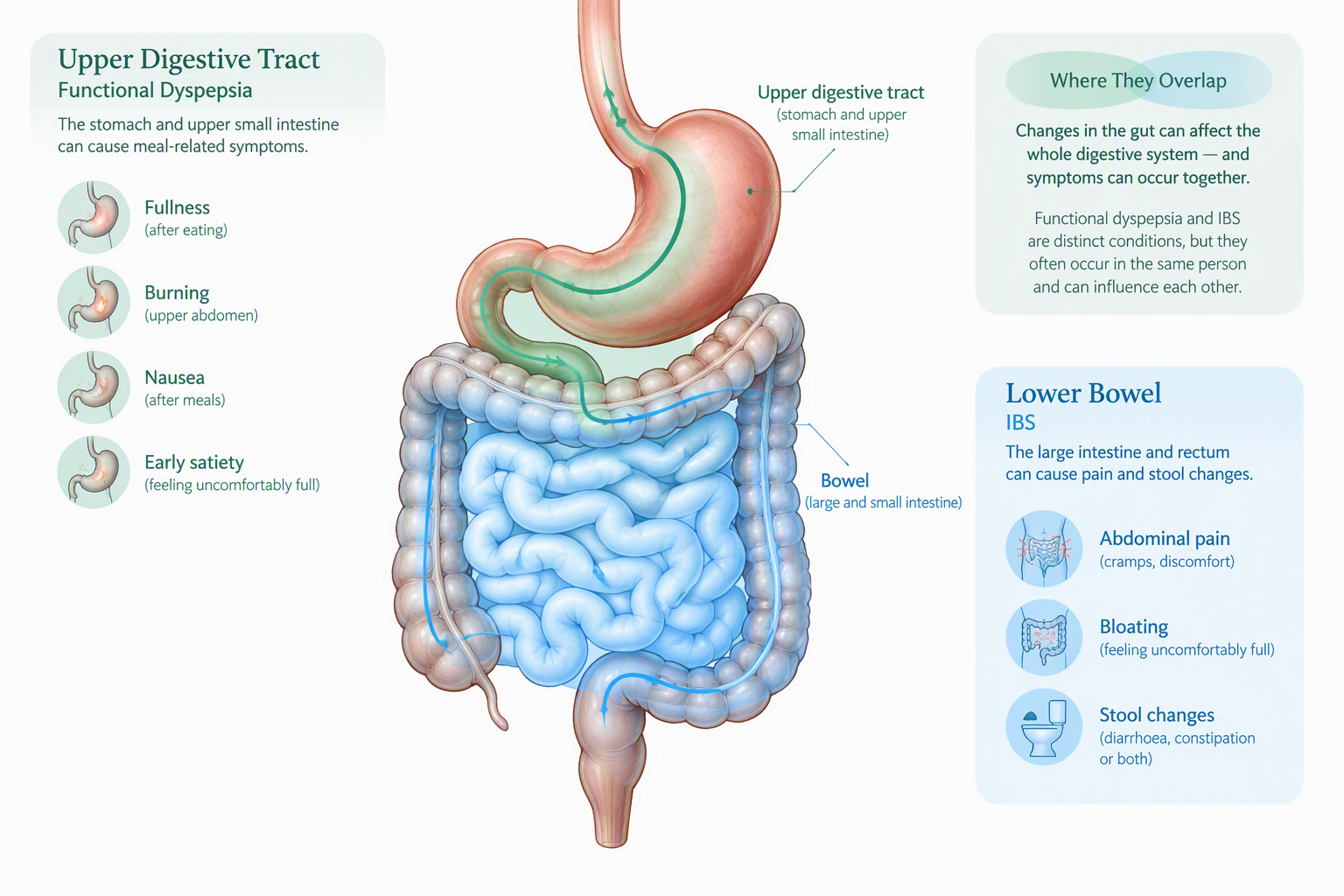
Yes, functional dyspepsia and irritable bowel syndrome (IBS) can occur together. These distinct disorders of gut-brain interaction, sometimes called functional gastrointestinal disorders, co-occur more often than chance would suggest. This functional dyspepsia and IBS overlap can bring symptoms from both the upper digestive tract and the bowel.
You can have both, though a clinician should sort out mixed symptoms rather than relying on self-diagnosis.
Upper digestive pattern | Bowel-related pattern |
|---|---|
Upper-abdominal discomfort after meals | Lower-abdominal pain linked with bowel movements |
Early fullness or nausea | Constipation, diarrhea, or changing stools |
Symptoms centered around eating | Symptoms centered around bowel habits |
Dyspepsia with bloating and bowel changes can be especially hard to interpret. This pattern is sometimes called IBS-FD overlap syndrome, and the two together may disrupt meals, bathroom routines, and quality of life without automatically indicating something dangerous. Functional dyspepsia in full covers the upper-abdominal condition on its own.
How often the two overlap depends on who is studied and which criteria are used. Across population and clinic studies the overlap rate falls somewhere between 11 and 27 percent, and people with both conditions report more severe symptoms than people with either one alone (source). Tracking whether symptoms are meal-related, bowel-related, or both can make a gastroenterology visit more useful.
Overlapping GI diseases like these are common, and dyspepsia overlap syndrome is simply the name for having both at once.
Which Symptoms Point to Each Condition?
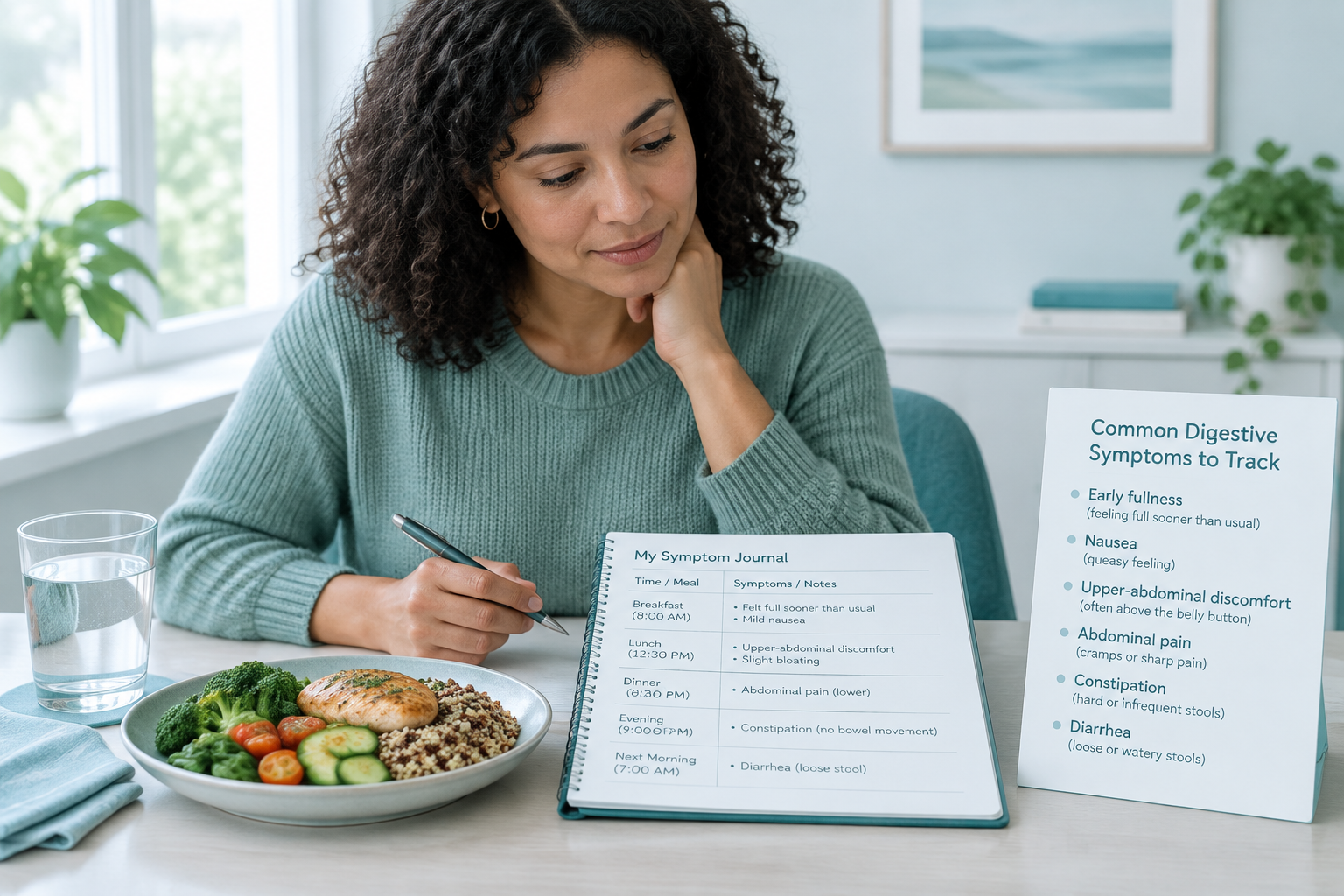
To sort out the mixed symptoms described above, functional dyspepsia (FD) and irritable bowel syndrome (IBS) can produce distinct symptom patterns. These patterns help describe what you feel, but they cannot diagnose either condition or rule out other causes.
FD can make a few bites feel like a full meal or leave you uncomfortable for hours after eating. Common symptoms include:
- Early satiety: Feeling full after only a small amount of food.
- Postprandial fullness: Lingering fullness after a regular meal.
- Upper abdominal pain: Pain or burning in the upper-middle abdomen, also called epigastric pain.
- Nausea: Feeling sick after eating, with occasional vomiting for some people.
Persistent or worsening vomiting needs medical assessment rather than being assumed to be functional dyspepsia.
The core IBS symptom pattern is pain connected to bowel movements, not a specific pain location. Pain may build before a bowel movement and improve, worsen, or change afterward. Constipation, diarrhea, bloating, and incomplete emptying can occur with IBS in its own right.
More suggestive of FD | More suggestive of IBS |
|---|---|
Fullness or discomfort after eating | Pain linked to bowel movements |
Early satiety or postprandial fullness | Constipation, diarrhea, or both |
Epigastric pain, burning, or nausea | Bloating that shifts with gas or stool changes |
Upper abdominal pain does not automatically mean FD. In a classic experiment, stretching the colon with a balloon during colonoscopy produced upper-abdominal pain in some people with IBS, and in a study of 146 people with IBS, 66 percent also had overlapping functional dyspepsia (source).
Meal timing and stool changes often offer more useful clues than labeling each episode by where it hurts. A brief record of meals, symptoms, pain, and bowel movements can help when symptoms are new, changing, or disrupting eating and daily life.
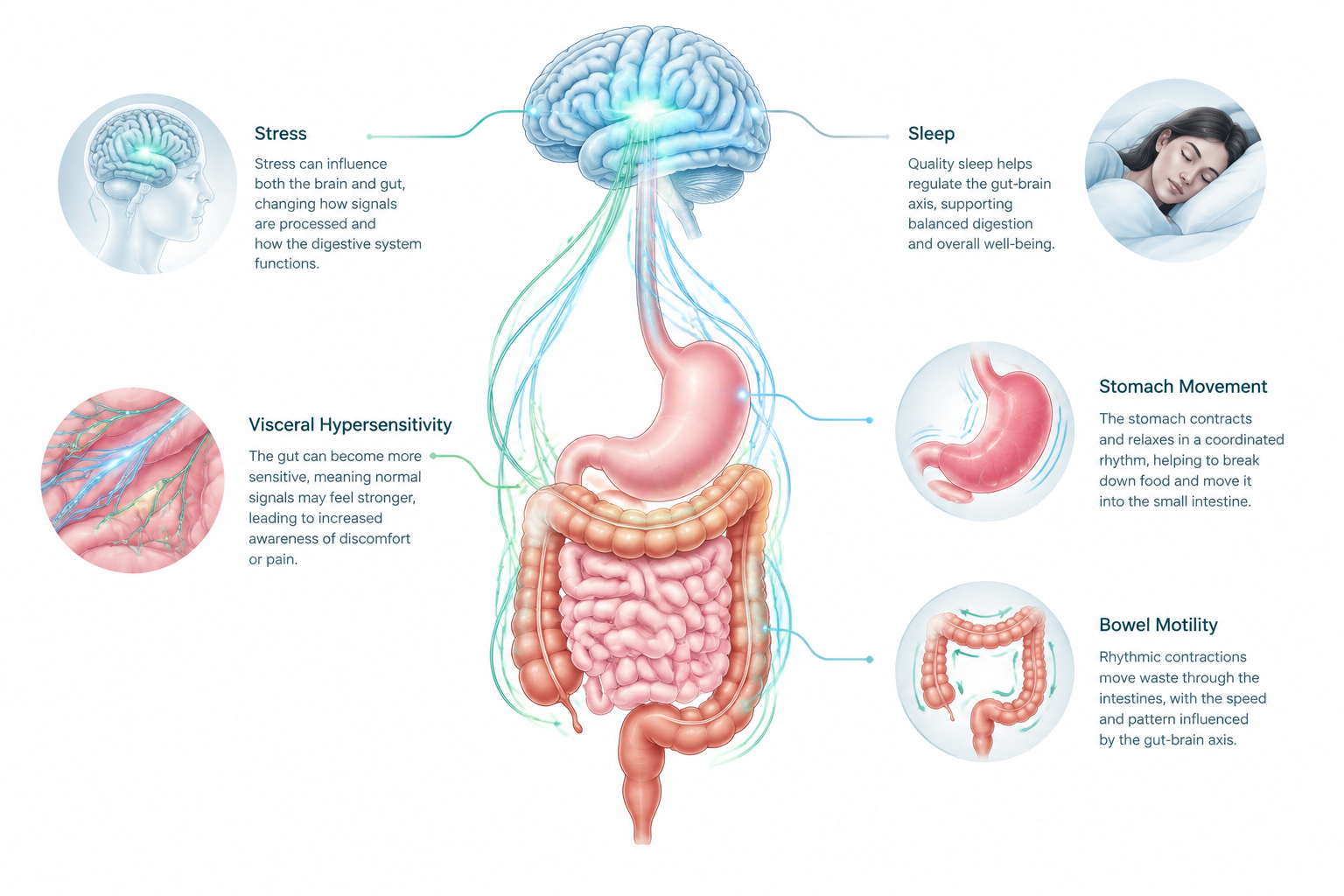
Beyond the meal and bowel patterns that help distinguish them, when functional dyspepsia and IBS overlap, shared mechanisms can make symptoms more intense, less predictable, and harder to link to one food or area of the digestive tract. Shared gut-brain signaling can cause real symptoms even when routine testing finds no structural disease.
Visceral hypersensitivity is a key part of the overlap. Ordinary stretching from food, gas, or stool may feel like pain, pressure, nausea, or uncomfortable fullness. Heightened gut-brain signaling can affect the stomach and bowel at once, so early fullness after a meal may be followed by bloating, cramps, or urgency (source).
Changes in digestive movement can add to the burden:
- Stomach movement: Poor coordination can cause nausea and discomfort after eating, while delayed gastric emptying may leave food feeling as though it is sitting in your stomach.
- Bowel movement: Altered motility may lead to cramping, bloating, constipation, diarrhea, or urgency.
- Post-infectious onset: After a stomach bug resolves, ongoing immune activity, changes in serotonin signaling, and sensitive gut nerves can leave both the stomach and bowel reactive.
Low-grade inflammation does not automatically mean inflammatory bowel disease. Immune cells and inflammatory messengers can affect the enteric nervous system, pain sensitivity, motility, and gastric emptying, allowing digestive disruption and discomfort to reinforce each other (source).
Although stress does not mean symptoms are imagined, it can amplify gut-brain axis signals while affecting sleep, digestive movement, and pain sensitivity. Worry about meals, travel, work, or bathroom access can make flares feel more frequent and lower health-related quality of life. Sharing both upper- and lower-GI patterns with a gastroenterologist can help address the multiple pathways involved.
How Do Clinicians Diagnose Both Conditions?

Because shared mechanisms can blur symptom sources, clinicians can identify functional dyspepsia and irritable bowel syndrome together by looking at your whole symptom pattern instead of assuming one cause explains everything. A meal-and-symptom diary can show where discomfort occurs, how long it lasts, whether it follows meals or bowel movements, and whether nausea, bloating, early fullness, or bowel habit changes occur alongside it.
The Rome IV criteria provide a clinical framework for these symptoms. Functional dyspepsia can involve bothersome postprandial fullness, early satiation, epigastric pain, or epigastric burning, while IBS involves recurrent abdominal pain linked to defecation and changes in stool frequency or form (source). When both patterns fit, IBS-FD overlap syndrome may explain symptoms without suggesting diagnostic confusion.
Pattern | Symptoms that may point in that direction |
|---|---|
Upper digestive tract | Meal-related fullness, nausea, early fullness, or upper-abdominal discomfort |
Lower digestive tract | Pain that changes after a bowel movement, constipation, diarrhea, or alternating stools |
Bloating can occur with either condition, so its timing and accompanying symptoms matter. Testing for functional dyspepsia may include checking for H. pylori, a stomach infection that can cause indigestion-like symptoms and may need treatment first.
Prominent heartburn, acid regurgitation, a sour taste, or symptoms worse when lying down may point to gastroesophageal reflux disease and need separate assessment. Testing is targeted to your age, medical history, examination, and warning signs, including:
- Unexplained weight loss or anemia
- Gastrointestinal bleeding or persistent vomiting
- Fever or trouble swallowing
- A strong family history of digestive disease
Normal results can still support a disorder of gut-brain interaction and help focus care on the symptoms affecting daily life.
Which Treatments Can Help Both Conditions?

Once both symptom patterns have been assessed, care is usually tailored to the symptoms causing the most disruption, rather than a single remedy for functional dyspepsia and IBS. Because direct evidence on their overlap is limited, clinicians often combine established approaches for meal-related discomfort, nausea, early fullness, bowel changes, pain, and bloating, then refine care over time.
Before self-treating persistent mixed symptoms, seek a clinician-led evaluation. A primary-care clinician or gastroenterologist can confirm the diagnosis, review medicines and supplements that may aggravate symptoms, and consider warning signs or other causes. Post-meal fullness and nausea can also guide assessment for delayed stomach emptying.
H. pylori testing is often part of a functional dyspepsia evaluation, and a positive result may lead to eradication treatment while follow-up testing confirms whether treatment worked. Ongoing bowel symptoms do not necessarily mean eradication failed, since IBS may have a separate cause.
A registered dietitian can help you create a diet that suits both conditions without long-term restriction:
- Meal patterns: Meal size and irregular eating can affect symptoms differently.
- Foods and drinks: Fat, caffeine, alcohol, and carbonation may aggravate upper-digestive discomfort.
- Fermentable carbohydrates: A brief trial followed by gradual reintroduction can identify lower-digestive triggers while protecting food variety, calories, and fiber.
Symptom-directed care may combine several approaches:
- Constipation-predominant IBS: Psyllium has strong guideline support. Start gradually, take each dose with a full glass of water, and ask a pharmacist about spacing it from oral medicines because early gas or fullness may worsen active FD symptoms.
- Pain, nausea, cramping, or diarrhea: Clinician-selected treatments, including neuromodulators when appropriate, may address symptom sensitivity.
- Daily impact: Psychological therapies, including cognitive behavioral therapy, gut-directed hypnotherapy, and stress-management approaches, may reduce symptom intensity. Psychological comorbidity can make symptoms more disruptive.
Dyspepsia treatments that also help IBS can help frame a focused discussion. Track upper- and lower-digestive symptoms separately, especially when symptoms disrupt eating, sleep, or quality of life.
How Can You Prepare for Specialist Care?
Good records help your gastroenterologist assess whether functional dyspepsia, IBS, or both may be causing your symptoms. Note when upper and lower digestive symptoms began, whether they followed a gastrointestinal infection, and how they have changed. Keep meal-related early fullness, post-meal discomfort, nausea, upper-abdominal burning, or pain separate from pain tied to constipation, diarrhea, or changed bowel habits. Both patterns can occur together.
Keep records during several typical weeks, not only on your worst days:
- Meals and symptoms: Record meal timing, portions, skipped meals, bloating, nausea, symptom intensity, sleep, stress, and menstrual-cycle timing when relevant.
- Bowel patterns and daily impact: Note frequency, stool consistency using a stool-form chart, urgency, straining, incomplete emptying, visible blood, and effects on work, meals, travel, sleep, and activities.
- Medicines and history: Bring prescriptions, over-the-counter medicines, supplements, remedies, doses, start dates, and perceived effects. Include recent antibiotics, gastrointestinal illness, and prior H. pylori testing or treatment.
Ask whether your symptoms meet Rome criteria and whether testing for H. pylori, celiac disease, inflammation, anemia, or other conditions could change your care plan.
Seek prompt evaluation if symptoms persist, worsen, or substantially limit eating or daily life. Urgent warning signs include:
- Unintentional weight loss, swallowing difficulty or pain, repeated or bloody vomiting, black or bloody stools, anemia, fever, jaundice, an abdominal mass, severe escalating pain, or dehydration.
Functional Dyspepsia and IBS Overlap FAQs
These FAQs help you sort through functional dyspepsia and IBS overlap, including mixed symptoms and conversations to have with your clinician. They can make recurring digestive concerns easier to understand.
1. Can H. pylori coexist with functional dyspepsia and IBS?
Yes. H. pylori can coexist with functional dyspepsia and IBS, so a positive test does not rule out either condition. If upper-abdominal discomfort occurs alongside ongoing bowel changes, a clinician may include H. pylori testing while evaluating indigestion.
Rome IV guidance supports treating confirmed H. pylori in functional dyspepsia because the infection may contribute to upper-digestive symptoms. Eradication may not improve IBS or the full functional dyspepsia-IBS symptom pattern, though, because evidence for that overlap remains uncertain.
2. Can periods worsen dyspepsia and IBS symptoms?
Yes. Before or during a period, some people have worse upper-abdominal discomfort, nausea, bloating, early fullness, abdominal pain, constipation, or diarrhea. Hormonal changes can affect gut movement and gut-brain signaling through the gut-brain axis, which may make functional dyspepsia and IBS symptoms feel stronger. Patterns vary from person to person.
Track cycle dates with meals, upper-abdominal or pelvic pain, bowel movements, bloating, nausea, and medications. Notes from several cycles can help your clinician spot a menstrual pattern, especially when symptoms are new, severe, or changing.
3. Is overlap more common after gastroenteritis?
After gastroenteritis, including Salmonella, some people develop lasting upper-abdominal discomfort, early fullness, bloating, or bowel changes. This post-infectious onset can involve both functional dyspepsia and IBS, making the illness an important part of your history to share with a clinician.
Even after the infection clears, changes in gut sensitivity, the intestinal barrier, and immune signaling may contribute to symptom overlap. Still, many people do not develop persistent symptoms, and a past infection does not prove the cause of your symptoms.
4. Can functional dyspepsia and IBS affect sleep?
Yes. Functional dyspepsia and IBS can make sleep difficult when upper-abdominal pain, burning, or nausea keeps you awake, or when cramping, gas, constipation discomfort, diarrhea, or sudden bowel urgency wakes you. When both conditions occur together, symptoms may be more frequent or intense and have a greater effect on daily life.
Poor sleep can also heighten stress and pain sensitivity, creating a gut-brain cycle. Mention insomnia, waking with nausea or pain, repeated nighttime bathroom trips, and persistent or worsening nighttime symptoms during your evaluation.