

Recurring heartburn, bloating, constipation, or diarrhea can leave you second-guessing meals and routines. Gastrointestinal disorders affect digestion, nutrient absorption, gut movement, or stool passage, and similar symptoms can come from very different causes. IBS alone affects about 6.1 percent of US adults, but reflux, celiac disease, inflammatory bowel disease, and medication-related irritation can also be involved.
Heartburn after dinner does not automatically mean GERD, and bloating with loose stools does not confirm IBS. The pattern matters, including timing, bowel changes, stress, medicines, and signs such as fever or bleeding. A food-and-symptom record kept for two to four weeks can organize useful details, while blood, stool, breath, imaging, endoscopy, or colonoscopy tests are chosen based on the pattern.
Getting the cause right can prevent broad food restrictions from replacing useful care. Severe worsening pain, heavy rectal bleeding, black tarry stools, fainting, or severe dehydration need urgent attention.
Gastrointestinal Disorders Key Takeaways
- Digestive disorders can affect digestion, nutrient absorption, gut movement, or stool passage.
- Structural conditions cause physical changes, while gut-brain interaction disorders can cause symptoms despite normal tests.
- Similar symptoms do not identify one condition, so timing, triggers, medicines, and bowel changes matter.
- About 20 percent of people in the United States have GERD, according to NIDDK.
- Celiac testing should happen before starting a gluten-free diet.
- Testing may include blood, stool, breath, imaging, endoscopy, or colonoscopy based on symptoms.
- Severe pain, heavy bleeding, black tarry stools, fainting, or severe dehydration need urgent care.
What Gastrointestinal Disorders Are
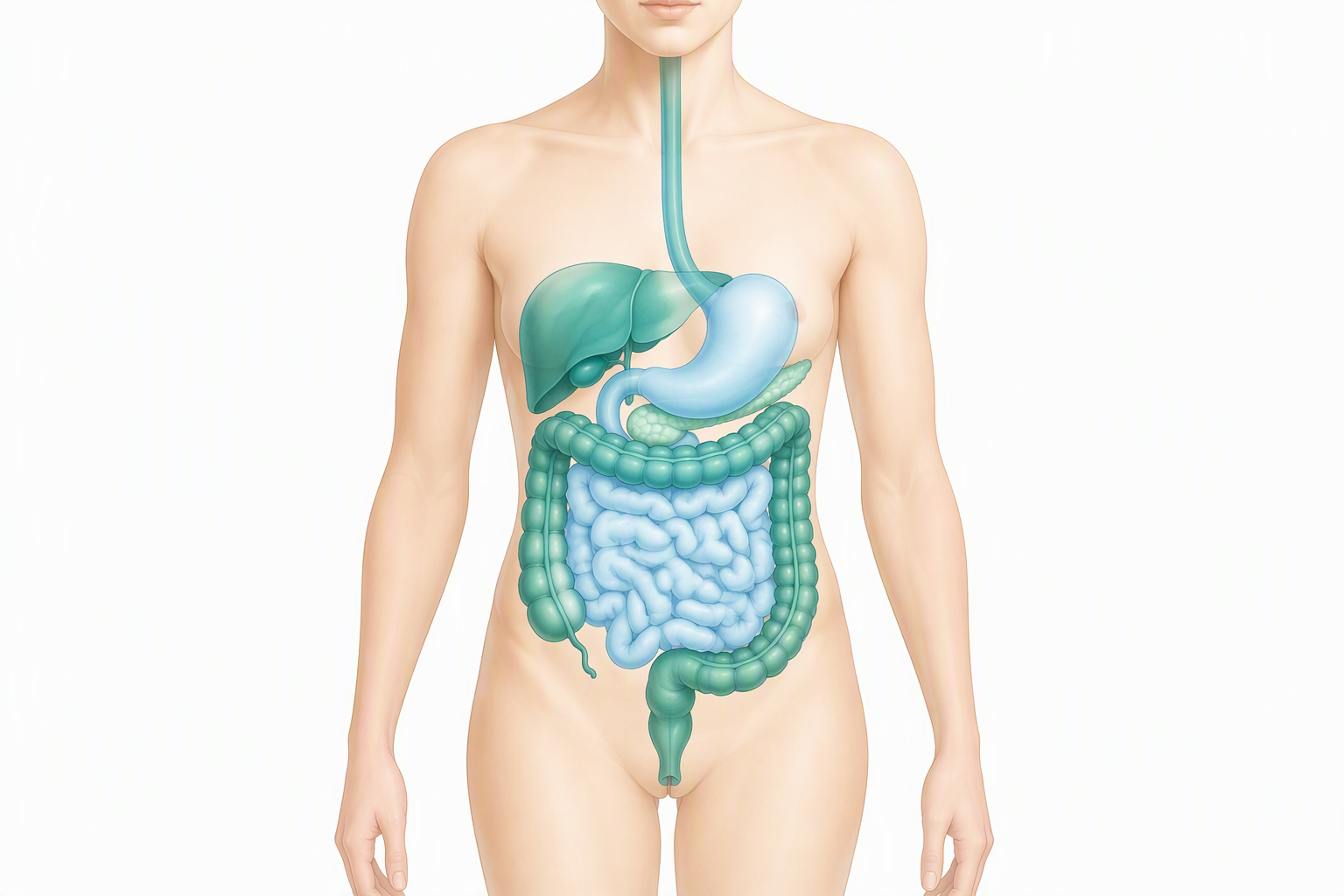
Gastrointestinal disorders are conditions that disrupt digestion, nutrient absorption, movement through the gut, or the passage of stool. The gastrointestinal tract includes:
- The esophagus and stomach
- The small and large intestines
- The rectum and anus
The liver, gallbladder, and pancreas also support digestion by making or releasing substances such as bile and digestive enzymes (source).
Digestive symptoms can be frustrating because bloating, abdominal discomfort, constipation, or diarrhea may have more than one cause. Digestive health does not require rigid food rules or a perfect routine, but recurring symptoms can be a useful reason to look more closely at what may be happening.
Digestive disorders generally fall into two broad groups:
- Structural or inflammatory conditions: These create physical changes that often appear on tests. Examples include ulcers, intestinal inflammation, celiac disease damage, and diverticula, which are small pouches in the colon wall.
- Disorders of gut-brain interaction: Also called functional gastrointestinal disorders, these affect how the gut and brain communicate or how the digestive tract works. Tests may look normal even when symptoms are real and disruptive.
Digestive diseases affect an estimated 60 to 70 million people in the United States, according to the National Institute of Diabetes and Digestive and Kidney Diseases (source).
Functional conditions are common worldwide as well. A Rome Foundation study of 73,076 adults in 33 countries found that 40.3 percent of internet respondents and 20.7 percent of household respondents met criteria for at least one functional gastrointestinal disorder (source).
The sections below organize 12 digestive system disorders by where they begin in the digestive tract.
Upper GI Disorders: Esophagus and Stomach
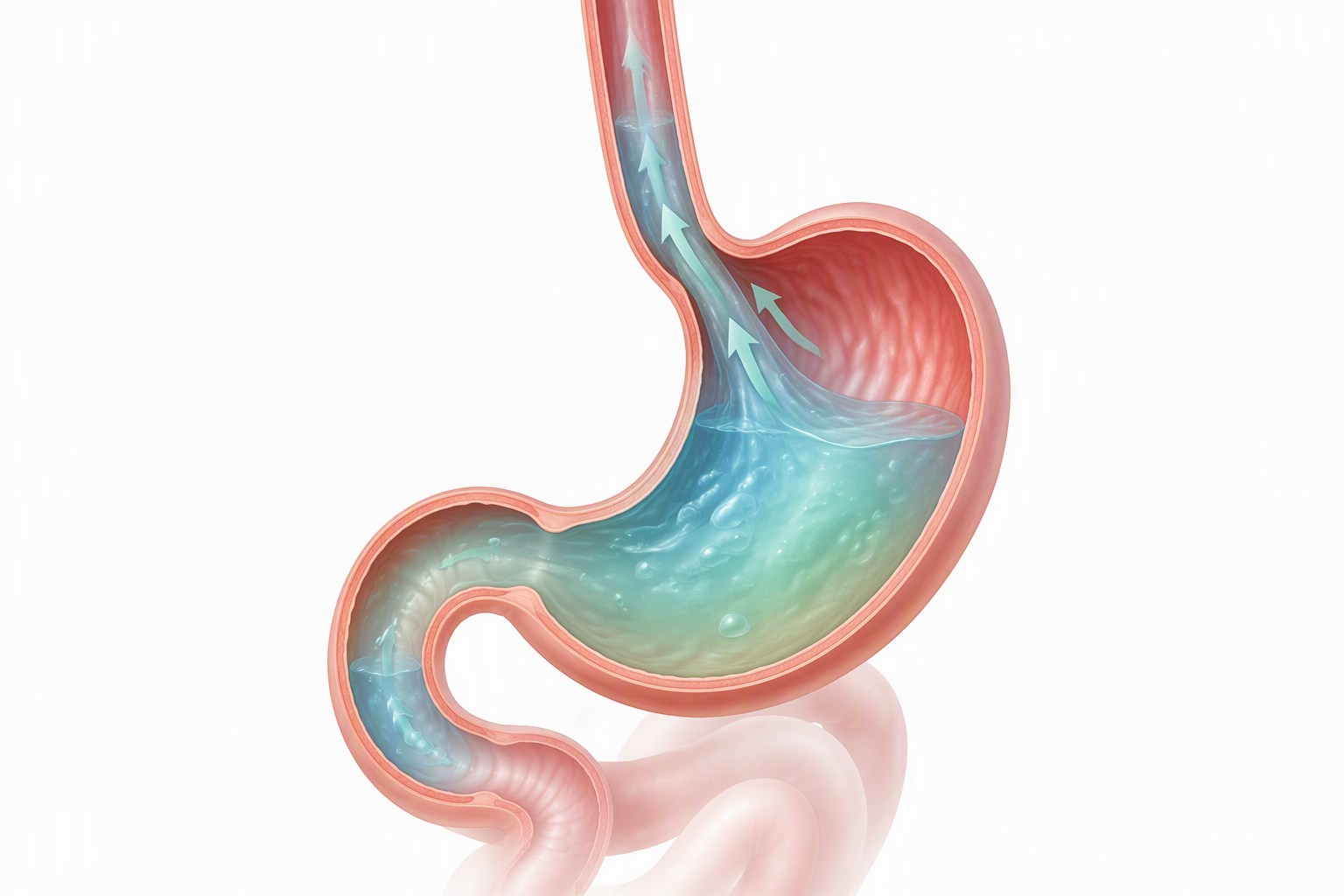
Upper GI disorders affect the esophagus and stomach. Burning, nausea, fullness, or pain after meals can feel similar, but the timing and pattern of symptoms often point toward different conditions.
Acid reflux occurs when stomach contents move back into the esophagus, the tube that carries food from your mouth to your stomach. Acid reflux and GERD symptoms can include heartburn, regurgitation, a sour taste, and throat or chest discomfort. When reflux causes repeated, bothersome symptoms or complications, it is gastroesophageal reflux disease (GERD), which NIDDK estimates affects about 20 percent of people in the United States (source).
Functional dyspepsia is ongoing upper-abdominal discomfort without an ulcer or another visible cause. Functional dyspepsia, indigestion without an ulcer may involve uncomfortable fullness after meals, feeling full unusually quickly, or upper-belly burning despite a normal endoscopy. Normal test results do not make the symptoms less real or less disruptive to eating.
In gastritis, the stomach lining becomes inflamed or irritated. Gastritis and stomach lining inflammation is often linked to Helicobacter pylori (H. pylori) infection or nonsteroidal anti-inflammatory drugs (NSAIDs), though some people have no symptoms. Others notice nausea, upper-abdominal pain, indigestion, or a reduced appetite.
In peptic ulcers, sores form in the stomach or duodenum, the first part of the small intestine. H. pylori and NSAID use are the main drivers behind peptic ulcer disease and its causes, and ulcers can cause burning stomach pain, nausea, or bleeding. Bleeding needs prompt medical attention, especially when symptoms are sudden or severe.
Gastroparesis means food leaves the stomach too slowly without a physical blockage. Gastroparesis and slow stomach emptying can cause early fullness, bloating, nausea, and vomiting hours after a meal, and it is often associated with diabetes. Symptoms that appear well after eating can be a useful detail to share during a medical visit.
Small Intestine Disorders and Absorption Problems
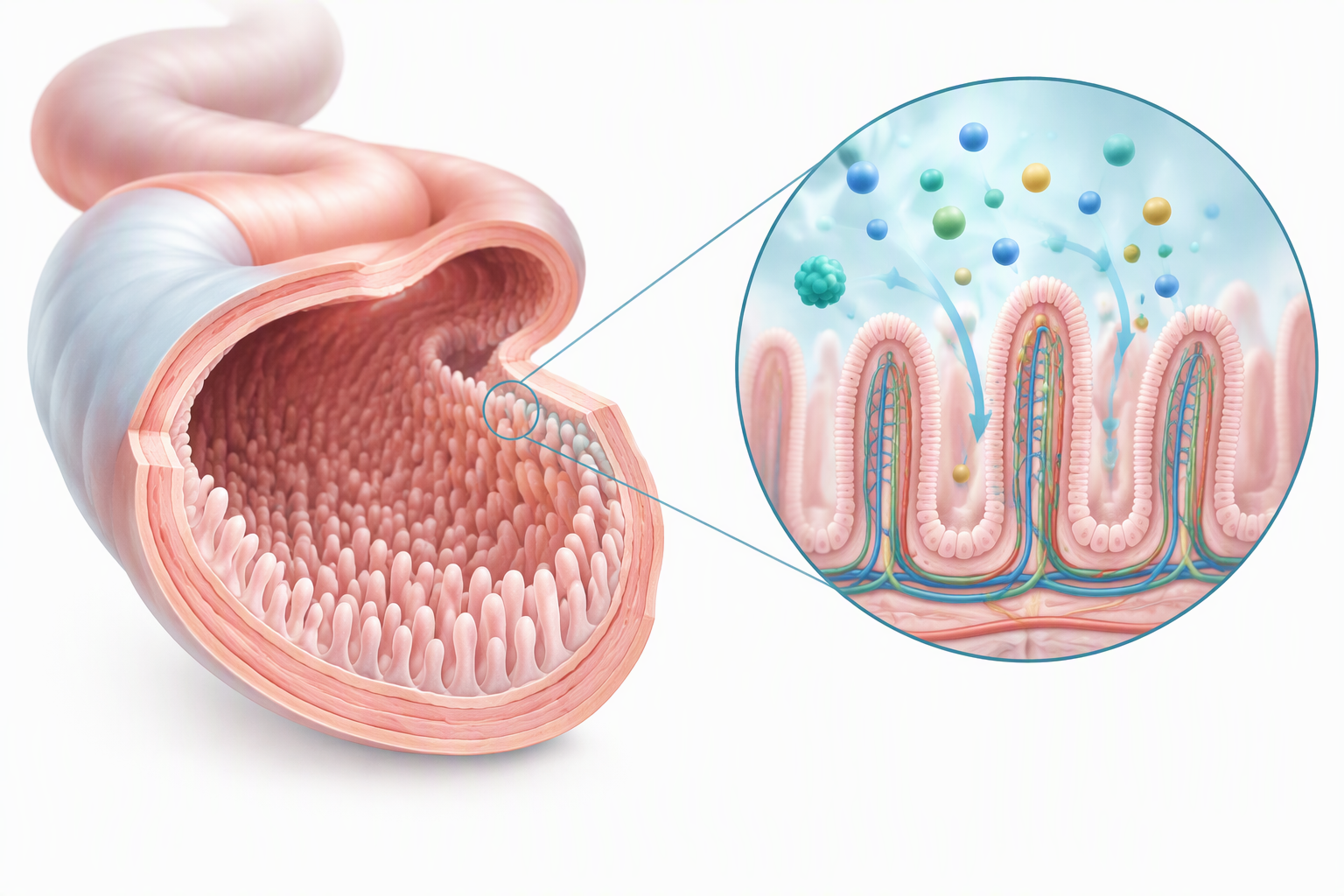
Beyond the stomach, small-intestine conditions can interfere with digestion and nutrient absorption, often causing symptoms that look alike. Testing before major diet changes can help identify the cause more clearly.
Celiac disease is an immune reaction to gluten, a protein in wheat, barley, and rye. In celiac disease and gluten damage, gluten injures the small-intestine lining and flattens villi, the tiny structures that absorb nutrients. Getting tested before starting a gluten-free diet matters because removing gluten can affect test results.
Lactose intolerance happens when the small intestine produces too little lactase, the enzyme that breaks down lactose, a natural sugar in dairy foods. With lactose intolerance and dairy symptoms, gas, bloating, belly pain, or diarrhea may develop within hours of eating dairy. It is different from a milk allergy, which involves the immune system and can cause a more serious reaction.
In SIBO, small intestinal bacterial overgrowth, too many bacteria grow in the small intestine, where bacterial levels are usually lower. Bloating and diarrhea are common, and absorption problems can sometimes lead to low vitamin B12. A breath test is often part of the evaluation because symptoms alone cannot confirm SIBO.
The broader issue of malabsorption and missing nutrients means your body does not take in enough nutrients from food. Celiac disease, pancreatic insufficiency, and SIBO can contribute, sometimes causing fatty or floating stools and unplanned weight loss. Inflammatory bowel disease (IBD), including Crohn’s disease and ulcerative colitis, can also overlap with digestive symptoms and absorption concerns.
Lower GI Disorders: Colon and Bowel Habits
Lower GI disorders affect the colon, rectum, and bowel habits, but their patterns are not the same. Some cause inflammation or physical changes in the bowel, while others cause recurring symptoms without visible injury on testing.
Inflammatory bowel disease, Crohn's and colitis includes Crohn’s disease and ulcerative colitis, two long-term conditions often called IBD. Crohn’s can affect any part of the digestive tract, from the mouth to the anus, while ulcerative colitis affects the colon and rectum. Both forms of inflammatory bowel disease can lead to symptoms such as:
- Diarrhea
- Abdominal pain
- Rectal bleeding
- Unintended weight loss
Bleeding or ongoing weight loss needs prompt medical attention rather than a diet-only approach.
Diverticular disease and diverticulitis start with small pouches in the colon wall. These pouches, called diverticula, often cause no symptoms, a condition known as diverticulosis. If a pouch becomes inflamed or infected, it is called diverticulitis and can cause significant abdominal pain, fever, bowel changes, or bleeding. New severe pain or rectal bleeding needs timely evaluation.
Chronic constipation and its causes may include fewer than three bowel movements a week, hard stools, or straining that continues for months. Ongoing straining can also contribute to hemorrhoids, swollen veins in or around the rectum and anus. Food patterns, daily routines, medicines, and other health conditions can all play a role, so lasting changes are worth raising at an appointment.
IBS, a disorder of gut-brain interaction is the most common functional bowel disorder, causing real symptoms without visible damage to the bowel. Irritable bowel syndrome can cause recurring abdominal pain linked to bowel movements, along with bloating, gas, diarrhea, constipation, or a switch between constipation and diarrhea. A 2023 U.S. study of 88,607 adults found that 6.1 percent met Rome IV criteria for IBS (source). Tracking meals, stress, sleep, and bowel changes can give you clearer details for your next healthcare conversation.
First Steps, Everyday Habits, and Where Probiotics Fit

Treatment should match the condition causing your symptoms, not rely on one food rule, supplement, or routine for everyone. A dated food-and-symptom record kept for two to four weeks can help you and a clinician spot patterns that are easy to miss from memory alone. Include meals, bowel changes, pain, bloating, reflux, sleep, stress, and any medicines or supplements.
Regular meals, fluids, comfortable movement, and gradual fiber changes can support digestive health while you work out what may be going on. Gut health and everyday digestion can help you build these habits without changing everything at once.
A few practical steps can keep the process manageable:
- Keep meals predictable: Long gaps between meals may lead to intense hunger, rushed eating, or worse reflux for some people.
- Change one variable at a time: One food swap or fiber adjustment is easier to connect with symptoms than several changes made at once.
- Bring your record to appointments: Separate notes for constipation, diarrhea, urgency, and pain can help clarify the pattern.
Food changes also need to fit the diagnosis. Celiac disease requires strict gluten avoidance, while lactose intolerance may improve when you reduce lactose. IBS may call for a time-limited, dietitian-guided low-FODMAP trial followed by careful food reintroduction. Depending on the condition, treatment may also include medication, medical procedures, or surgery.
Probiotics for gut and digestive health may help with certain conditions, but the possible benefit depends on the strain and the symptom being addressed. They are not a general answer for bloating, constipation, or diarrhea, so a trial works best when you have a clear reason for trying it and a way to judge the result.
Understand Overlapping Symptoms and Testing

Because these conditions can share symptoms, one symptom rarely identifies one condition. Abdominal pain, bloating, diarrhea, constipation, and nausea can occur with irritable bowel syndrome (IBS), gastrointestinal infections, Crohn’s disease, and other concerns. The pattern over time, including severity, meal or stress triggers, medicines, and changes such as bleeding, fever, weight loss, or symptoms that wake you from sleep, offers more useful context than any one symptom.
Functional digestive disorders can involve changes in gut movement, nerve signaling, or sensitivity. Structural GI disorders may require testing that identifies the source of inflammation or damage. Symptoms that persist, change, or disrupt daily life still need attention. Cleveland Clinic notes that digestive conditions may be functional or structural and that evaluation can include a health history, exam, laboratory tests, and procedures when appropriate (source).
Digestive disease tests are chosen for your symptom pattern, not automatically used for every episode of stomach upset. A clinician typically considers your medical and family history, recent illness, eating patterns, medicines, and physical examination findings before deciding which tests may help. This context can help distinguish a short-lived illness from a longer-running bowel pattern or possible inflammation.
Testing may include:
- Blood tests: These can check for inflammation, anemia, infection, or related concerns.
- Stool tests: These may look for infection, blood, or markers of intestinal inflammation.
- Urine tests: These can help rule out concerns outside the digestive tract when symptoms overlap.
- Breath tests: These can assess certain problems, including difficulty digesting particular sugars or bacterial overgrowth.
- Imaging: An ultrasound, CT scan, or another scan may help identify a physical concern not visible from inside the bowel.
- Upper endoscopy: This procedure examines the esophagus, stomach, and first part of the small intestine.
- Colonoscopy: This procedure examines the colon and can collect small tissue samples for testing.
Upper endoscopy and colonoscopy are targeted tools, not routine tests for every case of bloating or irregular bowel habits. Clear symptom details can make the evaluation more focused and reduce guesswork.
Recognize When to Get Care
Seek urgent or emergency care for severe or rapidly worsening abdominal pain, heavy rectal bleeding, bloody vomit, black, tarry stools, fainting, confusion, or severe dehydration. Signs of severe dehydration include making very little urine, extreme weakness, and being unable to keep fluids down. Vomiting often settles within one or two days. Ongoing vomiting, trouble keeping fluids down, persistent diarrhea or constipation, recurring abdominal pain, or symptoms that are severe or steadily worsening need timely medical advice rather than home care alone.
Book a routine medical visit for unexplained weight loss, new trouble swallowing, ongoing fatigue, or blood in stool that keeps returning. It is also reasonable to make an appointment when bloating, reflux, nausea, diarrhea, constipation, or abdominal discomfort repeatedly returns without a clear cause. Symptoms that interfere with eating, sleep, work, or daily life merit timely attention, even if each episode eases on its own. This is particularly important when the pattern becomes more frequent over time. A gastroenterologist can help identify treatable conditions and clarify whether specialist testing or care fits your symptoms.
Gastrointestinal Disorders FAQs
These are the questions people ask most about how common GI disorders are, weight loss, family history, and stress.
1. What Is the Most Common GI Disorder?
IBS is one of the common GI disorders and is often considered the most common functional GI disorder. It may cause repeated abdominal pain or cramping, bloating, gas, diarrhea, constipation, or changing bowel habits, but these symptoms alone do not confirm IBS. Prevalence figures vary by definition, population, and whether surveys count symptoms or diagnosed cases. In a large U.S. Rome IV study, irritable bowel syndrome affected 6.1% of adults. Reflux, ulcers, celiac disease, and inflammatory bowel disease can also affect digestion.
2. Can GI Disorders Cause Unexplained Weight Loss?
Yes. Some GI disorders can lead to weight loss when ongoing symptoms reduce appetite, make eating difficult, or affect nutrient absorption. Crohn’s disease may cause chronic diarrhea, fatigue, weight loss, and malnutrition, but weight loss alone cannot identify the cause.
Seek timely medical assessment for persistent unintentional weight loss, especially with abdominal pain, chronic diarrhea, vomiting, fatigue, trouble swallowing, or blood in the stool. Black, tarry stools or rectal bleeding need prompt attention, while severe or rapidly worsening pain, significant bleeding, fainting, severe dehydration, or persistent vomiting warrant urgent evaluation.
3. Are Gastrointestinal Disorders Hereditary?
Family history can increase your chance of some digestive conditions, but inherited risk varies widely. IBS may occur more often in some families, while IBD, including Crohn’s disease and ulcerative colitis, also has genetic links and can cause digestive tract inflammation. Diet, infections, stress, and environment can play a part too. A relative’s diagnosis does not mean you will develop it, and similar symptoms do not confirm the same condition. IBS and IBD can overlap in symptoms but are different disorders, so share recurring pain, bloating, bowel changes, diarrhea, or rectal bleeding with your healthcare professional.
4. Can Stress Trigger GI Disorder Flares?
Stress can worsen abdominal pain, diarrhea, constipation, bloating, or nausea, especially with disorders of gut-brain interaction such as IBS and other functional GI disorders. These symptoms reflect real changes in gut movement and sensitivity, even when tests do not show physical damage. Stress is not the only explanation, though. Infections, Crohn’s disease, and structural disorders can cause similar symptoms, so bring new, persistent, or changing symptoms to a healthcare professional.