


Recurring diarrhea, cramping, fatigue, or weight loss can be easy to write off as food intolerance, stress, or IBS. Crohn's disease is a lifelong form of IBD that causes inflammation anywhere from the mouth to the anus, though it often affects the ileum and colon.
Symptoms alone can't confirm Crohn's disease because infections, IBS, and ulcerative colitis can cause similar problems. Blood and stool tests, including fecal calprotectin, can look for inflammation, while a colonoscopy with biopsies and imaging helps identify the location and extent of bowel changes.
Treatment focuses on reducing inflammation, easing symptoms, preventing complications, and maintaining remission over time. Severe worsening abdominal pain, persistent vomiting, abdominal swelling, heavy rectal bleeding, or significant dehydration need prompt medical assessment.
Crohn's Disease Key Takeaways
- Crohn's disease is a lifelong IBD that causes inflammation in the digestive tract.
- It can affect any digestive tract area, often the ileum, colon, or both.
- Diarrhea, abdominal pain, fatigue, bleeding, and weight loss can signal active inflammation.
- Diagnosis combines symptom history, blood and stool tests, colonoscopy, biopsies, and imaging.
- Fecal calprotectin can suggest intestinal inflammation but cannot diagnose Crohn's disease alone.
- Medicines, nutrition support, monitoring, and sometimes surgery help manage Crohn's disease.
- Severe pain, persistent vomiting, heavy bleeding, or dehydration need prompt medical assessment.
What Is Crohn's Disease and Where Does It Strike?
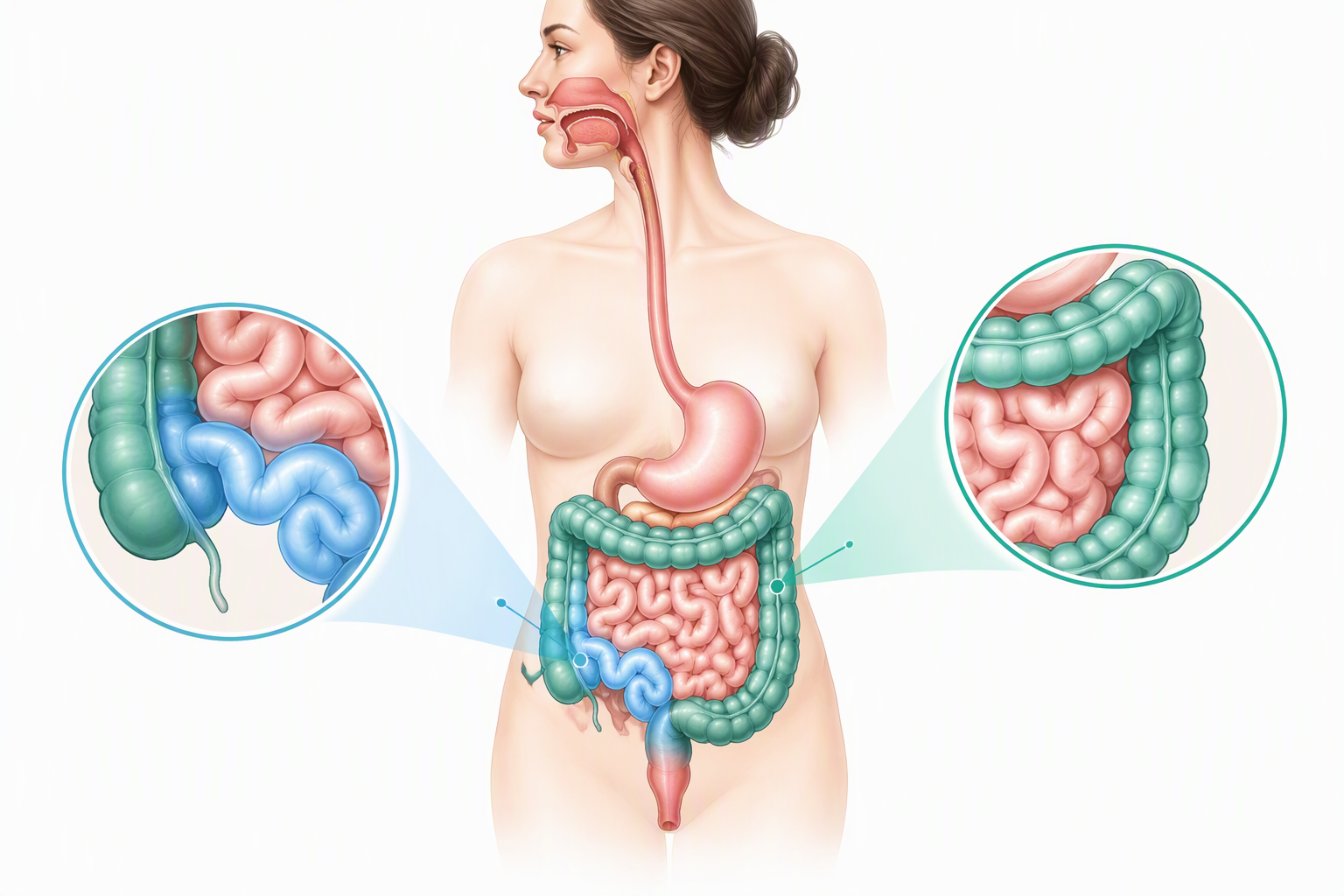
Crohn's disease is a lifelong inflammatory bowel disease (IBD) in which an overactive immune response causes digestive tract inflammation. Inflammation can be active during flares and quiet during remission, so a diagnosis does not mean you will feel unwell all the time.
Crohn's disease can affect any part of the digestive tract, from the mouth to the anus. It most often involves the lower end of the small intestine, the beginning of the large intestine, or both. Location helps shape medical discussions, but symptoms alone cannot reliably identify where inflammation is occurring.
The two forms of IBD are Crohn's disease and ulcerative colitis. Crohn's can occur in separate patches anywhere along the digestive tract, while ulcerative colitis is limited to the colon and rectum and usually begins in the rectum. Since these conditions can share symptoms, medical assessment is more reliable than self-diagnosis. How ulcerative colitis differs often comes down to the pattern and location of inflammation.
Location labels describe where inflammation is found, not its severity or how much it may affect daily life:
- Ileocolitis: Involves the ileum, the final part of the small intestine, and the colon. It is the most common type.
- Ileitis: Affects only the ileum.
- Crohn's colitis: Affects only the colon.
- Gastroduodenal Crohn's disease: Involves the stomach and duodenum, the first part of the small intestine.
- Jejunoileitis: Affects the jejunum, the ileum, or both.
More than one area may be involved, so clear location information can help you better follow later discussions about care.
The Crohn's disease definition, then, is chronic patchy inflammation anywhere in the digestive tract, and these five types of Crohn's disease describe Crohn's disease location, from small bowel Crohn's disease to Crohn's disease of the colon.
What Are Crohn's Disease Symptoms and Risk Factors?
Beyond location alone, Crohn's disease symptoms vary widely in pattern and severity. Persistent diarrhea, abdominal pain or cramping, urgency, rectal bleeding, reduced appetite, fatigue, fever, mouth sores, and unintended weight loss all need evaluation. Repeated bleeding, weight changes, or ongoing pain deserve prompt attention because they may point to inflammation or another condition (source).
Crohn's disease can also affect areas beyond the digestive tract. A complete symptom history may include:
- Joint pain or swelling.
- Skin rashes.
- Red or irritated eyes.
- Inflammation of the liver or bile ducts.
- Kidney stones or bone loss.
- Delayed growth or puberty in children.
Symptom changes deserve closer attention. During a flare, diarrhea, abdominal pain, bleeding, fatigue, and appetite changes can return or worsen. In remission, symptoms may improve substantially or disappear, though inflammation can persist without obvious symptoms. Changes in symptoms alone do not always confirm a flare, and eating during a Crohn's flare may need to reflect your symptoms and treatment plan.
What causes Crohn's disease is not fully known. Crohn's disease risk factors include an unusual immune response in genetically susceptible people. Family history can raise the likelihood, but many people have no affected relatives, and a relative's diagnosis does not mean you will develop Crohn's disease. Diagnosis is most common between ages 20 and 29 (source).
Smoking is linked to higher risk and may worsen the disease course. Nonsteroidal anti-inflammatory drugs (NSAIDs), including ibuprofen and naproxen, may aggravate symptoms for some people, but neither is proven to cause Crohn's disease. A clinician can assess recurring symptoms and medication concerns in the context of your full health history.
Crohn's disease causes, in short, are genetic susceptibility plus an immune response gone wrong, and a Crohn's disease flare-up is what active inflammation feels like.
How Is Crohn's Disease Diagnosed?

Because symptoms and risk factors can overlap with other conditions, Crohn's disease diagnosis relies on a pattern of findings rather than one test. Diarrhea, abdominal pain, and fatigue can also occur with infections, IBS, ulcerative colitis, and other digestive conditions. Symptoms alone cannot show how much of the bowel inflammation affects.
The evaluation starts with your medical history and a physical exam. During the evaluation, a clinician may ask about symptom patterns, weight changes, medicines, smoking, recent infections, and a family history of inflammatory bowel disease. The exam may identify abdominal tenderness, dehydration, anemia-related paleness, or signs that nutrition has been affected.
Early testing often includes:
- Blood tests: These may show inflammation, anemia, or nutrient deficiencies.
- Stool tests: These can check for infections and signs of intestinal inflammation.
- Fecal calprotectin: This stool marker can suggest intestinal inflammation and indicate when further testing is needed, but it cannot diagnose Crohn's disease on its own.
A colonoscopy is a key step when Crohn's disease is suspected. It allows clinicians to examine the colon and the end of the small intestine for inflammation, ulcers, bleeding, or narrowing. Small tissue samples, called biopsies, may be collected from abnormal-looking areas and from tissue that appears normal. Lab analysis can support the diagnosis and help rule out other causes. Confirming Crohn's with scopes and biopsies explains what those procedures can involve.
Further testing may be needed because a colonoscope cannot reach most of the small bowel. CT or MRI scans, upper endoscopy, capsule endoscopy, and contrast X-rays can assess harder-to-reach areas and identify complications such as narrowing. Together, these results help map the disease’s location and extent (source).
How Is Crohn's Disease Treated Over Time?

Once testing has mapped the disease, Crohn's disease treatment is individualized long-term care, not a one-time fix. There is no cure, but treatment aims to reduce intestinal inflammation, ease symptoms, prevent flares and complications, and maintain Crohn's disease remission. Remission can mean no symptoms or only mild symptoms for weeks or years, though ongoing care remains important.
Crohn's disease medications can treat active disease and help maintain remission. The choice depends on the inflammation’s location and severity, plus your response to earlier treatment:
- Anti-inflammatory medicines: These may reduce inflammation in certain situations.
- Immune-suppressing medicines: These reduce immune activity that can damage the digestive tract.
- Biologics: These target specific immune-system pathways and may help when other treatments have not controlled the disease.
Corticosteroids can bring a Crohn's disease flare under control, but side effects usually limit them to short-term use. Medicines that control Crohn's explain how these options may fit into care.
A Crohn's disease diet supports treatment but cannot replace medicine that controls inflammation. A balanced eating pattern can be adapted to your symptoms, food tolerances, appetite, and nutrition needs. During flares, poor absorption, low appetite, or weight loss may lead to temporary food changes, bowel rest, vitamins or minerals, supplements, or specialized nutrition.
Feeling better does not always mean inflammation is under control. Follow-up may include blood or stool tests, imaging, and endoscopy to check disease activity, nutrition, medication effects, and early complications. Report these changes promptly:
- New bowel changes or worsening pain
- Rectal bleeding or fever
- Fatigue or unintended weight loss
The National Institute of Diabetes and Digestive and Kidney Diseases describes these treatment and monitoring approaches (source).
Crohn's disease surgery may be needed if medicines do not control symptoms or if bowel narrowing, blockage, abscesses, fistulas, or severe bleeding develop. Surgery can remove damaged bowel or treat a complication, but inflammation can return elsewhere. Discussions with your gastroenterology team can help clarify the benefits and limits of each option.
What Complications Can Crohn's Disease Cause?
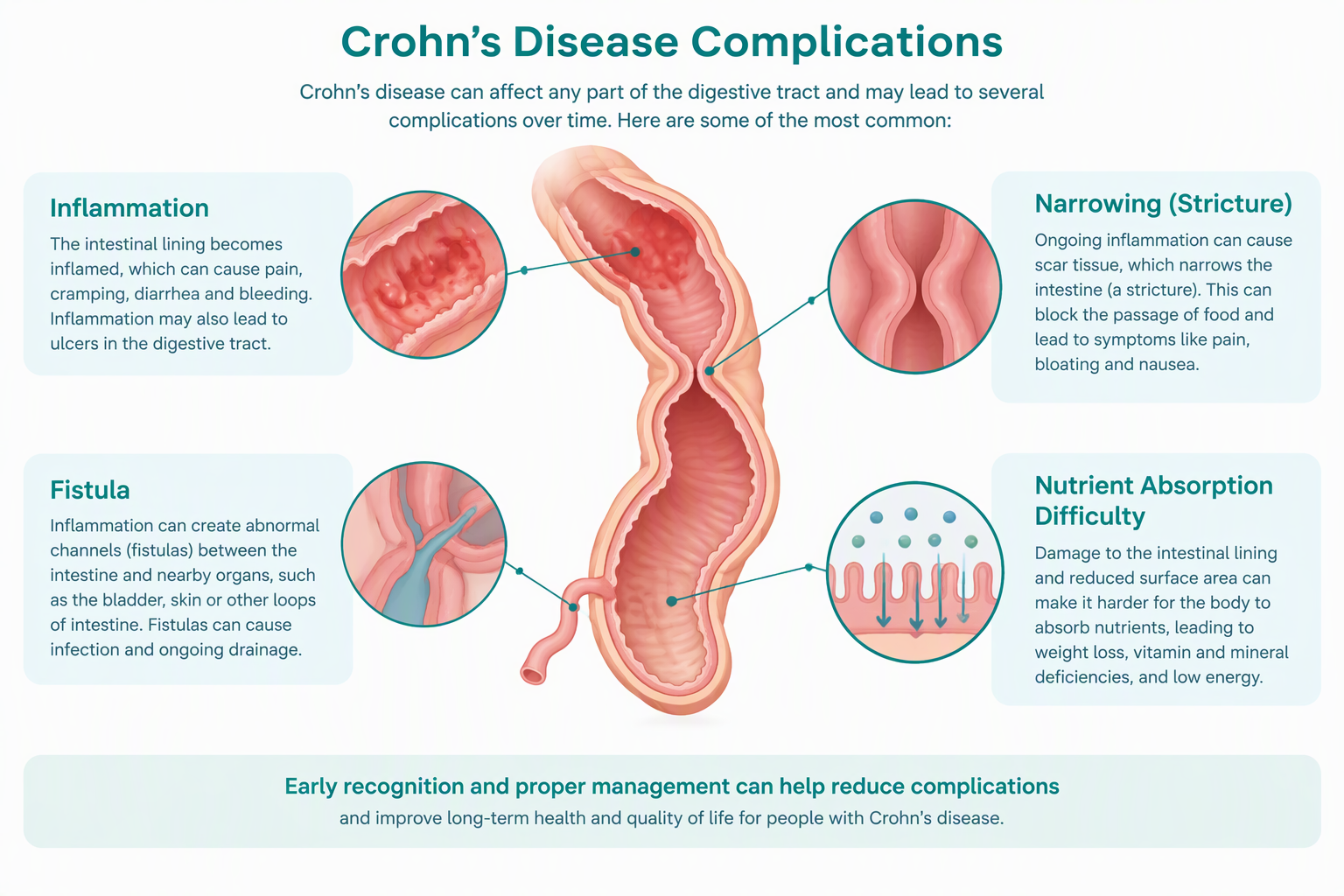
Crohn's disease complications can affect the bowel, nutrition, and other parts of the body when inflammation is deep or ongoing. Recognizing new or worsening symptoms early helps your care team assess what may be happening.
Repeated inflammation can create scar tissue that narrows part of the intestine, called a stricture. Fistulas and strictures are different problems, but both can become serious. A severe narrowing can cause an intestinal blockage and needs urgent medical assessment.
Signs of a possible blockage include:
- Cramping abdominal pain that becomes severe or persistent
- Bloating or a swollen abdomen
- Vomiting
- An inability to pass stool or gas
Deep ulcers may form fistulas, which are abnormal tunnels between the bowel and another organ or area of skin. They can also lead to abscesses, which are infected pockets. Near the anus or rectum, fissures, ulcers, and infections can cause pain, bleeding, drainage, a new lump, fever, or difficulty sitting or passing stool. These symptoms are among the digestive warning signs that cannot wait.
Crohn's disease can also make it difficult to maintain nutrition. Diarrhea, bleeding, reduced appetite, and poor absorption may lead to anemia and malnutrition, causing fatigue, weakness, shortness of breath, unintentional weight loss, or vitamin and mineral deficiencies. When the ileum, the last part of the small intestine, is affected, absorption of vitamin B12 and bile salts may decrease.
Other Crohn's disease complications include lower bone mass and inflammation in the joints, eyes, or skin. Long-standing inflammation in the colon can raise colorectal cancer risk, so regular follow-up and recommended screening matter (source). Ongoing treatment helps manage inflammation and reduce these risks.
Can Crohn's Disease Be Fatal?
Crohn's disease is lifelong, but it is not usually fatal. If you are asking whether Crohn's disease can kill you, the risk is generally low when inflammation is treated and monitored. Many people maintain remission over extended periods. Life expectancy is generally normal with ongoing care, and most people live full, active lives, but serious complications still need prompt treatment (source).
Some Crohn's disease complications can become dangerous. Severe inflammation may cause an intestinal blockage, bowel perforation, or a serious infection, while persistent diarrhea and poor nutrient absorption can also lead to severe dehydration and malnutrition. In an emergency, Crohn's disease surgery may be lifesaving for a blockage, perforation, abscess, or another urgent problem.
Prompt medical evaluation is important if you have:
- Severe or worsening abdominal pain
- Persistent vomiting
- Abdominal swelling
- High fever
- Heavy rectal bleeding
- Fainting or confusion
- Signs of significant dehydration
Long-standing Crohn's disease also slightly raises colorectal cancer risk. Recommended monitoring, treatment, and follow-up can identify concerning changes early and reduce preventable risks.
How Can You Live Well With Crohn's Disease?

Alongside preventing serious complications, living well with Crohn's disease means pairing medical care with routines that support nutrition, energy, and daily life. Crohn's disease remission may last weeks or years, but inflammation can need monitoring even when you feel well.
A short, dated log can help your IBD team recognize patterns. Record:
- Meals, drinks, and foods that were easier or harder to tolerate.
- Stool frequency, urgency, bleeding, pain, fever, fatigue, sleep, stress, and weight changes.
- Medicines and supplements.
Food does not cause Crohn's disease, and there is no universal trigger-food list. Tolerance may change during a flare or remission, so your own record is more useful than broad online rules.
Build balanced meals around your appetite, symptoms, and tolerated foods, and drink extra fluids during frequent diarrhea. Restrictive eating can deepen nutrition gaps, particularly with weight loss, dehydration, ongoing diarrhea, or very few tolerated foods. An IBD dietitian can help you adjust meals without cutting out foods unnecessarily. Clinicians may recommend vitamins or nutrition supplements when inflammation or poor absorption causes deficiencies.
Long-term care means taking prescribed treatment consistently, even when symptoms are quiet. Avoid smoking as part of your long-term care plan. Ask your clinician before using NSAIDs, including ibuprofen, for Crohn's disease symptoms. Ongoing care helps manage this chronic inflammatory condition, and the NHS advises against smoking because it raises the risk of flare-ups (source).
Stress does not cause Crohn's disease, but worry, low mood, bathroom anxiety, and social withdrawal can make symptoms harder to handle. Support from trusted people, mental-health professionals, and your care team can sit alongside Crohn's disease medications, rest, travel planning, and reliable bathroom access.
Bring your log, medication list, food and weight changes, and questions about testing, treatment goals, nutrition, and monitoring to appointments. Contact the IBD team promptly for worsening symptoms. Seek urgent assessment for:
- Severe or worsening abdominal pain.
- Heavy rectal bleeding.
- Persistent vomiting, fainting, or serious dehydration signs.
Living with Crohn's disease is easier with a Crohn's disease treatment plan you understand, and the Crohn's disease prognosis with modern care is good for most people. the Crohn's & Colitis Foundation is a reliable place for patient support.
Crohn's Disease FAQs
Common Crohn's disease questions center on symptoms, testing, treatment, food, and daily life with inflammatory bowel disease. These FAQs provide clear context for the conversations and decisions that may follow.
1. What Foods Trigger Crohn's Disease?
No specific food causes Crohn’s disease, but certain foods can aggravate symptoms during a flare. Raw high-fiber produce, fatty or spicy foods, alcohol, caffeine, carbonated drinks, and dairy with lactose intolerance are common personal triggers. A Crohn’s disease diet may lean on softer, lower-fiber foods during active symptoms, then shift toward a varied, balanced diet in remission. An IBD dietitian can help if weight loss, restrictive eating, or repeated food-related symptoms are concerns.
2. Is Crohn's Disease Hereditary?
Crohn's disease can run in families, and having a close relative with IBD is one of the Crohn's disease risk factors. Still, family history does not mean you will develop it, and many people diagnosed with Crohn's disease have no affected relatives. Genes are only part of what causes Crohn's disease. Immune changes, the gut microbiome, and smoking may also play a role, making it a complex condition rather than one passed down predictably (source).
3. Can Crohn's Disease Affect Pregnancy?
Many people with Crohn’s disease have healthy pregnancies, particularly when inflammation is controlled before conception. Discuss family planning with your gastroenterology clinician and obstetric team, who can tailor care to your symptoms, health history, prior surgery, and complications. Do not stop or change Crohn’s medicines without their review. Every prescription, over-the-counter medicine, and supplement needs review before and during pregnancy. Diarrhea, low appetite, weight loss, or bowel surgery can affect nutrition, and monitoring may track disease activity, weight gain, anemia, and the baby’s growth.
4. Does Crohn's Disease Cause Weight Gain?
Crohn’s disease is more likely to cause unintended weight loss than weight gain. Ongoing inflammation, low appetite, frequent diarrhea, pain that makes eating hard, and malabsorption can reduce the calories and nutrients your body takes in. Still, weight changes vary, and some people gain weight as symptoms improve, activity levels shift, or treatment affects appetite. Tell your clinician about rapid or unplanned changes, poor appetite, or trouble maintaining weight so they can assess disease activity and nutrition needs.