


Cutting out more and more foods isn't the answer to IBD symptoms. An IBD diet should change with flares and remission, focusing on foods you tolerate while protecting nutrition rather than following a universal avoid list. Crohn's disease and ulcerative colitis can affect tolerance differently, and a food that causes bloating does not necessarily worsen inflammation.
During a flare, smaller meals, regular fluids, and softer or lower-fiber foods may be easier to manage temporarily. The American Gastroenterological Association recommends a Mediterranean-style eating pattern when it is tolerated, with minimally processed foods and less added sugar, excess salt, and ultra-processed food. Texture also matters, since cooked or blended produce may be more comfortable than raw vegetables during diarrhea or pain.
Restrictive eating can lead to weight loss and nutrient gaps when symptoms or fear of symptoms limit intake. Repeated vomiting, worsening pain after meals, trouble passing stool or gas, or a progressively shorter food list need support from your IBD care team.
IBD Diet for Flares Key Takeaways
- No single IBD diet works for everyone with Crohn's disease or ulcerative colitis.
- Food choices can ease symptoms but do not replace prescribed IBD treatment.
- During flares, softer, lower-fiber foods and regular fluids may improve comfort.
- Reintroduce restricted foods gradually in remission to protect variety and nutrition.
- Mediterranean-style eating is a flexible long-term pattern when a wider range of foods is tolerated.
- Low-FODMAP diets may reduce symptoms but do not reliably reduce intestinal inflammation.
- Weight loss, persistent poor intake, or possible strictures warrant gastroenterology and dietitian support.
Why Is There No Single IBD Diet?

There is no single inflammatory bowel disease (IBD) diet because Crohn's disease and ulcerative colitis affect food tolerance, symptoms, and nutrition needs differently. The wider IBD picture places food choices alongside prescribed treatment and gastroenterology care.
A food that suits someone else may cause discomfort for you, and that is not your fault. Your Crohn's disease diet or ulcerative colitis diet may be shaped by where intestinal inflammation occurs, bowel narrowing, prior surgery, medications, other health needs, cultural foods, and personal preferences. That variation is why broad lists of foods to avoid with IBD can create more stress than useful direction.
Symptom comfort and inflammation control are not the same. Beans, raw vegetables, or spicy foods may bring on bloating, pain, urgency, or diarrhea without causing an IBD flare, while a food that feels easy to eat also does not necessarily treat intestinal inflammation.
Food needs can change with disease activity:
- During active symptoms: Softer, lower-fiber, lower-fat, or less-spicy foods may be easier to tolerate for a short time.
- During remission: A wider variety of foods can better support nutrition and enjoyment.
- When intake drops: Diarrhea, poor appetite, narrowed bowel segments, and surgery can change calorie, protein, fluid, vitamin, and mineral needs.
The National Institute of Diabetes and Digestive and Kidney Diseases notes that ulcerative colitis eating plans should reflect your nutrition needs and tolerated foods (source).
No universal IBD diet has robust clinical evidence for controlling inflammation. Research on what to eat with Crohn's or colitis is hard to compare because foods interact, intake is difficult to measure, and diet effects can be hard to separate from other care. Dietary patterns have varying support, so choose approaches that fit your symptoms, remain sustainable, and align with clinical guidance. A plan that eases symptoms but leads to weight loss or nutrient gaps needs adjustment.
Nutrition for inflammatory bowel disease, or Crohn's and colitis nutrition, is about foods to eat with IBD that keep you nourished, not a list of foods for IBD that everyone must follow.
How Does Diet Fit Alongside IBD Treatment?
Because food choices support rather than replace medical care, they can ease symptoms and support nutrition, but they do not replace medicines prescribed to control IBD. An inflammatory bowel disease diet may make diarrhea, bloating, or discomfort more manageable, yet symptoms alone cannot show whether intestinal inflammation is controlled. Contact your gastroenterology team for bleeding, fever, persistent symptoms, or unplanned weight loss.
The least restrictive IBD diet you can tolerate is usually the most practical approach. During harder days, smaller meals, softer foods, adjusted meal timing, and avoiding your known triggers may make eating easier while protecting protein, calories, fluids, vitamins, and minerals. Broad eliminations can worsen weight loss and nutrient deficiencies, especially when appetite is low.
A food-and-symptom record can help you spot repeat patterns rather than blaming one difficult day on a single food. Bring it to appointments before removing major food groups, starting or changing supplements, or making changes that could affect medication absorption or nutritional status. Where diet fits beside IBD medicines can help guide that conversation.
Diet and nutrition can complement treatment in several ways:
- Symptom comfort: A food that worsens urgency or pain can guide meal adjustments.
- Nutritional support: Meals and snacks can help maintain hydration, energy, and weight when symptoms limit intake.
- Personal flexibility: No single eating pattern consistently prevents flares in all adults with Crohn's disease or ulcerative colitis.
Exclusive enteral nutrition uses a prescribed liquid formula as the only nutrition source for a set period. It can induce clinical remission and endoscopic response, particularly in children. A Crohn's disease exclusion diet with partial enteral nutrition may help selected people with mild-to-moderate, shorter-duration disease under clinical supervision (source).
What Does Mediterranean-Style Eating Support?
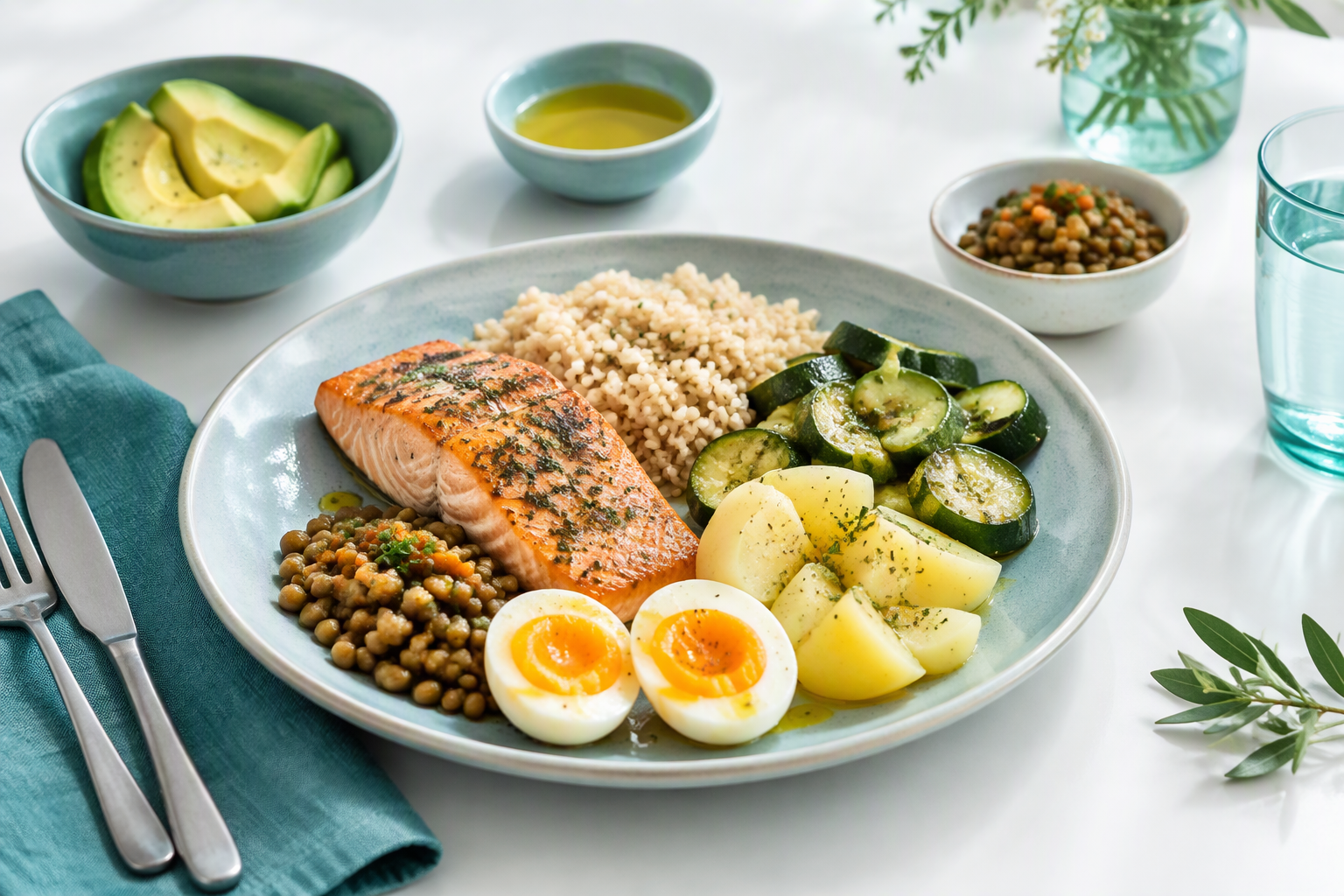
Beyond short-term symptom adjustments, Mediterranean-style eating is a flexible long-term baseline for times when you tolerate a wider range of foods. This pattern is not a rigid menu or a treatment that reliably brings Crohn’s disease or ulcerative colitis into remission. The American Gastroenterological Association recommends this pattern when it is not contraindicated, with an emphasis on minimally processed foods and less ultra-processed food, added sugar, and excess salt (source).
The building blocks can shift with your symptoms, preferences, and food tolerance:
- Produce: Choose fruits and vegetables, using cooked, peeled, canned, or blended options when raw produce worsens bloating, pain, or diarrhea.
- Carbohydrates: Include oats, potatoes, brown rice, and whole-grain foods when tolerated. Lower-fiber starches may be easier during symptom-heavy periods.
- Protein: Add fish, poultry, eggs, tofu, beans, and lentils. Smaller servings of legumes may be more comfortable if they cause gas or cramping.
- Fats: Extra-virgin olive oil, avocado, nuts, and seeds provide monounsaturated fats. Salmon and sardines offer omega-3 fats if you eat seafood.
Texture can matter as much as the ingredient. Raw kale and chickpeas may be difficult during diarrhea, while soft-cooked zucchini with eggs and potatoes can fit the same overall pattern. That flexibility makes the guidance more practical than an all-or-nothing food list.
Olive oil can replace heavily processed fats, but it is not a remedy.
This pattern can expand the foods you can eat, support nutrient intake and heart health, and move meals away from a Western-style pattern high in sugar and saturated or heavily processed fats, the pattern most consistently linked with IBD risk in diet research (source). It cannot guarantee remission, prevent every flare, or replace prescribed medication. Weight loss, nutrient deficiencies, or ongoing symptoms are reasons to discuss meals with your gastroenterologist and a registered dietitian.
A Mediterranean diet for IBD is the closest thing to an anti-inflammatory diet for IBD with evidence behind it, and named plans such as IBD-AID build on the same idea.
How Should You Eat During an IBD Flare?

In contrast to that long-term baseline, an IBD flare diet is a short-term, symptom-led way of eating that can make food and fluids easier to manage while treatment addresses inflammation. Diarrhea, cramping, nausea, and urgency may make full meals hard to tolerate. Aim for regular fluids, small meals or snacks, and familiar foods that sit well. Eating through an IBD flare can help you adjust meals without treating food as a replacement for prescribed care.
Fiber can be harder to manage during active symptoms. A low-residue diet may reduce discomfort by temporarily limiting foods that add bulk or ferment heavily. As symptoms improve, bring fiber back gradually so a flare adjustment does not turn into a long-term restrictive pattern.
Foods to avoid during a flare are usually the ones that reliably worsen your symptoms:
- Raw vegetables, fruit skins, seeds, bran, nuts, and popcorn may worsen gas, pain, or diarrhea.
- Blended soups, applesauce, canned fruit without skins, and refined grains are often easier.
- Yogurt, lactose-reduced milk, and hard cheese may be better tolerated if dairy causes loose stools, bloating, or gas.
- Lower-fat meals prepared by baking, broiling, steaming, or poaching may feel better than fried foods when stools are greasy or oily.
Cramping after meals, worsening bloating, vomiting, or trouble passing stool or gas can signal an intestinal stricture. Choose soft, moist foods, remove plant skins, seeds, hulls, and tough strings, and chew well. These symptoms need prompt contact with your IBD care team rather than further self-restriction.
Frequent or worsening diarrhea, dehydration, fever, bleeding, severe pain, unintended weight loss, inability to keep fluids down, or eating limits lasting more than a brief period also need care-team support. A gastroenterologist or registered dietitian can tailor what to eat with Crohn's or colitis while treatment is adjusted, including diet questions specific to colitis.
How Do You Reintroduce Foods in Remission?
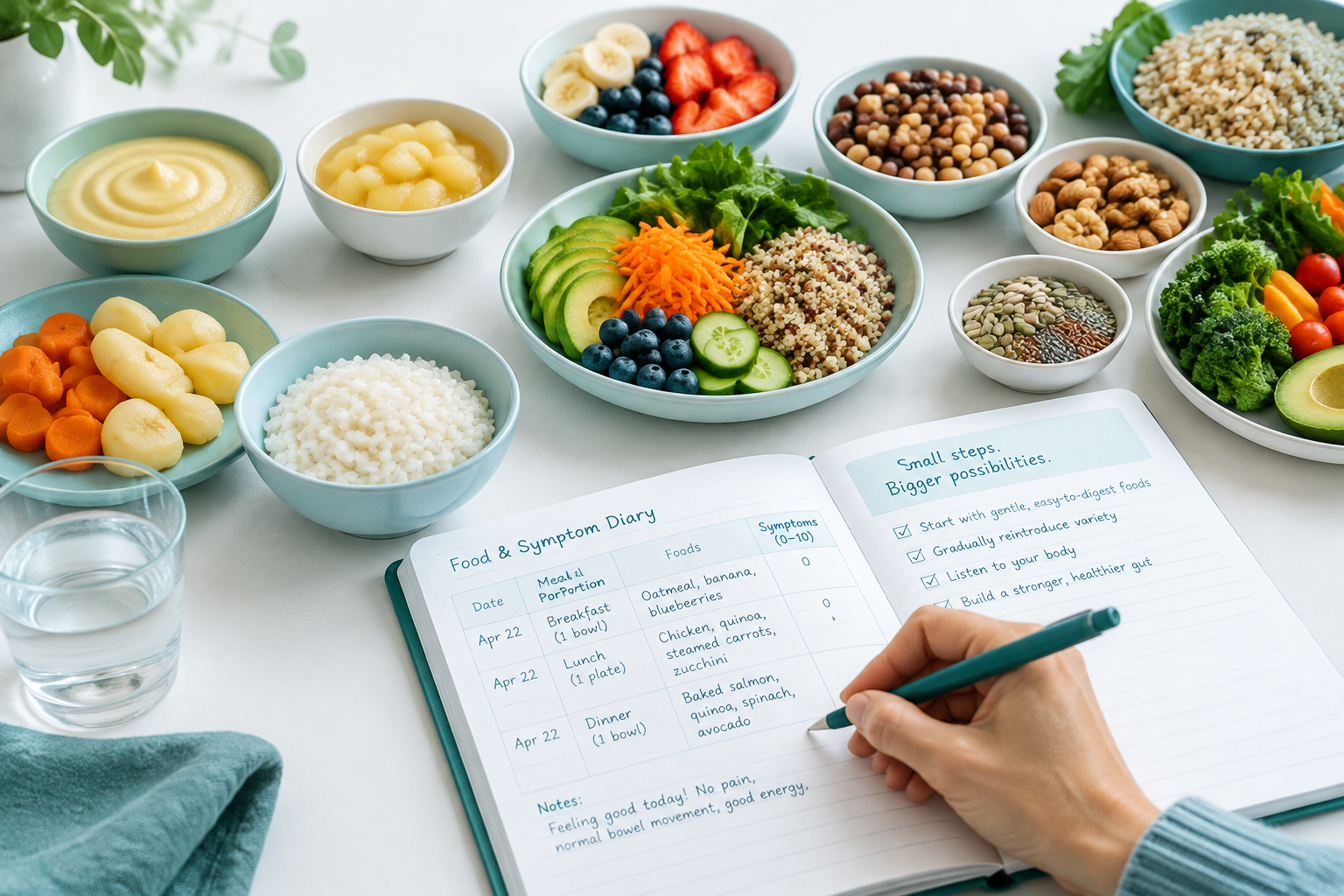
An IBD remission diet usually means broadening your meals, not keeping every flare-related restriction forever. There is no single IBD diet, and food tolerance can change over time. Reintroducing FODMAPs after a flare uses the same careful approach: test one previously limited food or food group in a modest portion alongside a familiar meal.
A useful trial keeps other variables as steady as possible:
- Choose one food and have the same small portion for several days.
- Keep your usual meals, meal timing, and recipes consistent during the test.
- Avoid introducing supplements or making major recipe changes that could blur the result.
- Consider other possible triggers, including stress, illness, portion size, preparation method, or medication changes.
A dated food-and-symptom diary can reveal patterns that memory often misses. Include:
- The food, portion, cooking method, and meal time.
- Bowel changes, urgency, pain, and bloating.
- Relevant context, such as stress, illness, or a medication change.
One uncomfortable meal does not prove intolerance. Repeated symptoms after the same food are a reason to pause it and discuss the pattern with your gastroenterologist or registered dietitian.
Texture can matter as much as the food itself. Start with softer plant foods before moving toward rougher forms:
- Cooked, peeled, blended, finely chopped, or soft fruits and vegetables.
- Raw produce, coarse grains, skins, seeds, and tougher vegetables.
Gradually restoring fruits, vegetables, beans, whole grains, nuts, and seeds can build dietary fiber and greater meal variety. Fiber needs individualized guidance if you have a known intestinal narrowing or prior bowel blockage, since rough textures may not be appropriate.
Diet and Crohn's disease, and diet and ulcerative colitis, both come back to this reintroduction habit, which is the practical side of IBD flare prevention.
Which Specialized IBD Diets Have Evidence?
For specific symptom or remission goals beyond general meal reintroduction, specialized IBD diets serve different purposes. Some may ease symptoms, while others have evidence for helping induce Crohn’s disease remission alongside prescribed treatment. An IBD dietitian can help you protect your weight and nutrient intake while choosing an approach that fits your symptoms and care plan.
The main evidence-based options differ in restriction, goals, and oversight needs:
- Low-FODMAP diet: This short, structured reduction of poorly absorbed fermentable carbohydrates may ease bloating, gas, pain, and diarrhea when IBD is inactive or only mildly active. Small studies support symptom relief, not less intestinal inflammation or Crohn’s disease remission. Foods should be systematically reintroduced with registered-dietitian guidance rather than restricted indefinitely. The Crohn’s & Colitis Foundation notes that food effects on symptoms can differ from effects on the disease itself (source).
- Specific carbohydrate diet: The specific carbohydrate diet allows monosaccharides but avoids grains, most starchy foods, many legumes, several dairy foods, and other complex carbohydrates. Some people report feeling better, but evidence does not reliably show Crohn’s disease remission. Its strict rules can lead to unintended weight loss, low vitamin D, and wider nutrient gaps without dietitian support.
- Crohn’s Disease Exclusion Diet: CDED uses phases and a defined permitted-food list to limit selected processed foods and ingredients, often with partial enteral nutrition. Evidence for inducing remission is more encouraging than for symptom-only diets, especially in children. It complements medication and needs gastroenterology and dietetic supervision.
- Exclusive enteral nutrition: Exclusive enteral nutrition is a highly restrictive, medically supervised option with stronger evidence in children than adults. Formula taste, adequate intake, and the all-formula plan make IBD-team oversight essential. NIDDK includes nutrition support among ways to meet dietary needs in Crohn’s disease (source).
Your immediate goal matters: symptom comfort calls for a different plan than medically supervised remission support.
When Do You Need Nutrition Support?
Because specialized IBD diets can be restrictive, nutrition support becomes important when active IBD or food avoidance makes it difficult to maintain your weight, strength, or regular meals. A flare can raise calorie and protein needs while pain, diarrhea, nausea, fatigue, and fear of symptoms reduce how much you can eat. Temporary texture or fiber changes may improve comfort, but they do not treat inflammation or replace adequate diet and nutrition. Persistent poor intake deserves attention from your IBD care team.
Early signs that intake or absorption may not be keeping up include:
- Unplanned weight loss: Looser clothes or a lower scale weight can signal that your intake is falling short.
- Reduced strength or persistent fatigue: These changes can reflect inflammation, inadequate food, poor absorption, or muscle loss.
- An increasingly limited food list: Avoiding more foods over time can worsen nutrient deficiencies, even when each choice feels sensible in the moment.
An IBD dietitian can help you expand tolerated foods instead of defaulting to a highly restrictive plan. When needs rise, protein supports healing, immune function, and muscle maintenance, and smaller meals or snacks may include eggs, fish, yogurt, tofu, poultry, or well-tolerated legumes, depending on your symptoms and preferences.
Frequent diarrhea, oily or floating stools that are hard to flush, and abnormal blood tests need medical assessment. Iron deficiency and low vitamin B12, vitamin D, calcium, or folate can result from inflammation, blood loss, limited intake, or reduced absorption, particularly with small-bowel Crohn's disease. Testing can clarify whether calcium supplementation or another replacement plan fits your needs.
Prompt guidance from a gastroenterologist and IBD dietitian is important if you have:
- Repeated vomiting or worsening pain after eating
- Suspected strictures or bowel narrowing
- A progressively more limited diet or trouble maintaining weight
Some people with Crohn's disease need medically supervised enteral nutrition, including before planned surgery when malnutrition is present.
IBD nutritional deficiencies and malnutrition in IBD are the reasons a dietitian for IBD belongs on the team early.
Inflammatory Bowel Disease Diet FAQs
These FAQs cover common IBD diet concerns, helping you make sense of food choices, symptoms, flares, and nutrition needs without assuming one eating plan works for everyone.
1. Can I Eat Eggs With IBD?
Yes. Eggs can fit an IBD diet if you tolerate them. Their protein supports healing, immune function, and muscle maintenance, which can matter more during a flare. Pay attention to whether eggs seem to worsen pain, bloating, diarrhea, or nausea. Boiled, poached, or softly scrambled eggs may be easier to tolerate than fried eggs or dishes with rich, spicy, or high-fat additions. Persistent symptoms or avoiding eggs and other protein foods warrants a conversation with your gastroenterologist or registered dietitian.
2. Should I Avoid Alcohol With IBD?
Alcohol is not automatically off-limits with IBD, but tolerance varies. For some people, it can worsen diarrhea, urgency, abdominal pain, bloating, dehydration, or inflammation, much like caffeine and high-fat foods can.
Avoid or sharply limit alcohol during an active flare, especially if you have diarrhea, pain, poor appetite, or dehydration. In remission, your symptom pattern should guide your choices. Discuss alcohol with your gastroenterologist or registered dietitian if you take medications or have other health concerns.
3. Can Caffeine Worsen IBD Symptoms?
Caffeine can stimulate bowel activity, so coffee, energy drinks, cola, and strong tea may worsen urgency, diarrhea, cramping, or poor sleep for some people with IBD. This is an individual symptom response, not evidence that caffeine causes intestinal inflammation or every flare. While keeping other major food changes steady, try reducing or skipping caffeinated drinks for several days and note the drink, amount, timing, stool changes, pain, urgency, and sleep. If symptoms improve without caffeine and return when you add it back, choose a lower-caffeine or caffeine-free option and discuss ongoing symptoms with your gastroenterologist.
4. Should I Keep a Food Diary?
Yes. A brief daily diary can reveal repeatable patterns without making eating feel restrictive. Note meals and rough portions, timing, bowel movements, urgency, pain, bloating, sleep, stress, medications, and whether symptoms suggest a flare. One difficult day does not prove that a food caused symptoms.
Whether you are in a flare or remission, track new foods, portion changes, and reintroductions across similar days. Your gastroenterologist or dietitian can help separate food-related patterns from active inflammation while protecting nutritional variety.