


IBS and meat can fit together, but the safest choices depend on fat content, seasoning, and portion size. Many adults with IBS assume meat is off limits, then run into cramps or bloating after a burger, sausage, or a heavy sauce. Plain, unprocessed meat is usually a low-FODMAP protein, which means it is less likely to ferment and stir up symptoms, and the key is knowing which cuts and preparations are easiest to tolerate.
That matters because chicken breast, turkey, fish, and lean cuts of beef or pork are not all equal once they hit the plate. This introduction covers low-FODMAP meat choices, cooking methods that are gentler on digestion, additives that can cause trouble, and simple portion checks that make meals easier to read. It also gives a practical way to compare plain protein, rich sauces, and processed meats so the next meal is easier to plan.
For adults living with IBS, especially busy professionals and parents who need quick dinner decisions, the details here can keep a small meal from turning into a bad evening. A grilled chicken breast with rice is a very different test from breaded tenders with garlic sauce, and that difference can reveal what your gut handles best. My Good Gut lays out the meat choices, prep habits, and symptom clues that help you eat with more confidence.
IBS and Meat Key Takeaways
- Plain meat is usually low-FODMAP and can fit an IBS eating plan.
- Lean cuts are often easier to tolerate than fatty or marbled meats.
- Chicken, turkey, fish, and extra-lean beef are common safer choices.
- Frying, breading, and heavy sauces can worsen bloating and cramping.
- Garlic, onion, sweeteners, and processed meats often cause more problems.
- Smaller portions help you test tolerance without overwhelming digestion.
- A food diary makes it easier to spot your personal meat triggers.
Can You Eat Meat With IBS?
Yes. Plain, unprocessed meat can fit an IBS eating plan because meat contains no FODMAP carbohydrates and is generally used as a low-FODMAP protein choice (source). That makes it unlikely to ferment the way onions, garlic, wheat, and some fruits can. In your IBS-friendly eating, meat is one of the most useful base foods in a low-FODMAP diet.
Simple animal proteins with no sauce, coating, or heavy seasoning are a practical starting point for many people following a low-FODMAP IBS plan (source). Common low-FODMAP staples include:
- Meat and poultry: chicken, turkey, beef, pork, lamb
- Fish and seafood: salmon, tuna, cod, shrimp
- Other proteins: eggs and most plain animal proteins
Poultry for IBS is often the easiest place to begin because chicken and turkey usually feel lighter than many red meats. Fish is another common choice when symptoms are active. These are some of the most practical lean proteins for IBS.
Meat is not automatically symptom-free, though. Even plain chicken or lean beef can still bring on cramping, bloating, or discomfort for some people. Portion size, meal timing, and the rest of the meal all matter. The gastrocolic reflex can also kick in after eating, which means your gut may react to a meal even when the food itself is not a trigger.
The biggest shifts in tolerance often come from the extras, not the protein itself:
- Fat content and IBS: fattier cuts can feel heavier and may worsen urgency or cramping
- Portion size: a large serving can be harder to handle than a modest plate
- Added ingredients: garlic, onion, breading, marinades, and rich sauces can turn a safe protein into a trigger
- Meal context: pairing meat with other FODMAP foods can make symptoms harder to sort out
Red meat like beef or pork is not one of the FODMAP foods, but some people still find it harder to digest than chicken or fish. That difference usually reflects individual tolerance rather than FODMAP content.
A simple first test is a plain, lean, modest portion. Try it on its own before adding richer cuts, larger servings, or sauces. That gives you a clearer read on what your gut actually handles.
This content is for educational purposes only and is not a substitute for personalized medical advice. Digestive symptoms can have many causes. Results vary by person, and any dietary or supplement advice should be individualized.
Which Meats and Cuts Are Low-FODMAP and Easiest To Tolerate?
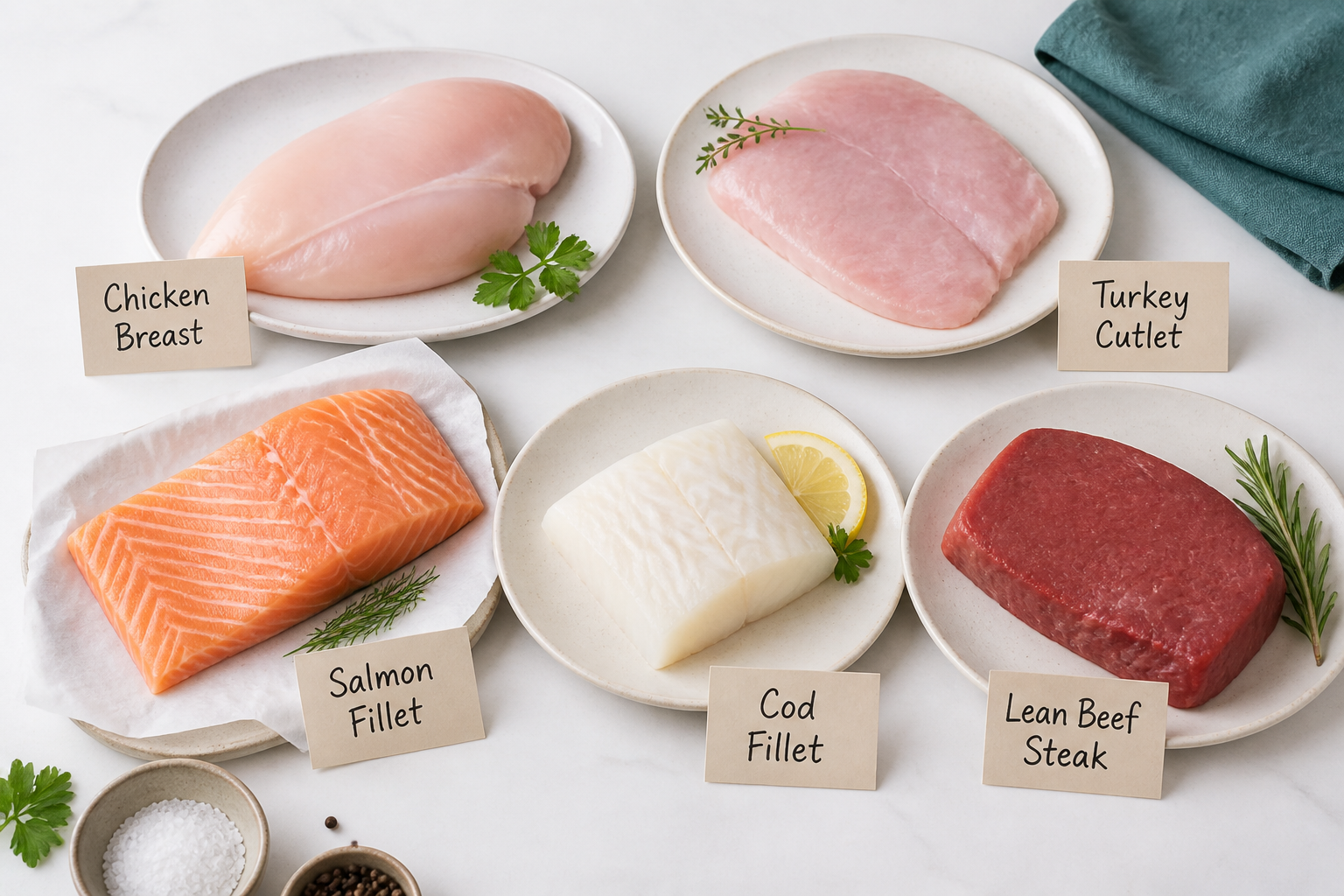
Lean proteins such as skinless chicken, turkey, fish, and lean cuts of beef are commonly used in IBS meal plans because they are easier to pair with simple sides (source, source). Lower-fat choices are usually less likely to cause gas or bloating.
A simple starter list looks like this:
- Skinless chicken breast
- White-meat turkey
- White fish such as cod, flounder, and halibut
- Tuna
- Salmon
Poultry for IBS often feels easier to handle when it's grilled, baked, or poached instead of breaded or fried.
Lean red meat can still fit in if beef or pork is what you want. Good options include sirloin, top round, flank steak, pork loin, and extra-lean ground beef that is 93% lean or higher. Trimming visible fat helps, since leaner cuts are usually easier to digest.
Easier for many people | More likely to feel heavy |
|---|---|
Skinless chicken breast | Ribeye |
White-meat turkey | Prime rib |
Cod, flounder, halibut | Pork belly |
Salmon, sardines, mackerel | Lamb chops |
Sirloin, pork loin, extra-lean ground beef | Marbled steaks, commercial burgers |
Richer cuts can slow digestion. That can leave you feeling overly full, sluggish, or constipated after a meal. This is one reason red meat and IBS can be a tough match for some people, even though meat is not high in fermentable oligosaccharides, disaccharides, monosaccharides and polyols.
Your own pattern matters most. Some people tolerate poultry or fish well but feel worse after steak or a burger. A simple comparison between lean chicken, fish, and a heavier red-meat meal can help you spot your trigger pattern without guessing.
Oily fish are a smart option when you want more staying power. Salmon, sardines, and mackerel are omega-3 rich fish, and their omega-3 fatty acids may help you feel satisfied without the heaviness that often comes with fattier red meat. For people building lean proteins for IBS, that can make a big difference at dinner.
The safest routine is usually simple. Choose lean proteins most often, keep sides plain, and treat very rich meats as occasional foods if fat tends to bother you. Tolerance varies by person, portion size, and the fat content of the whole meal.
How Do Cooking Methods, Seasonings, and Additives Affect IBS Symptoms?
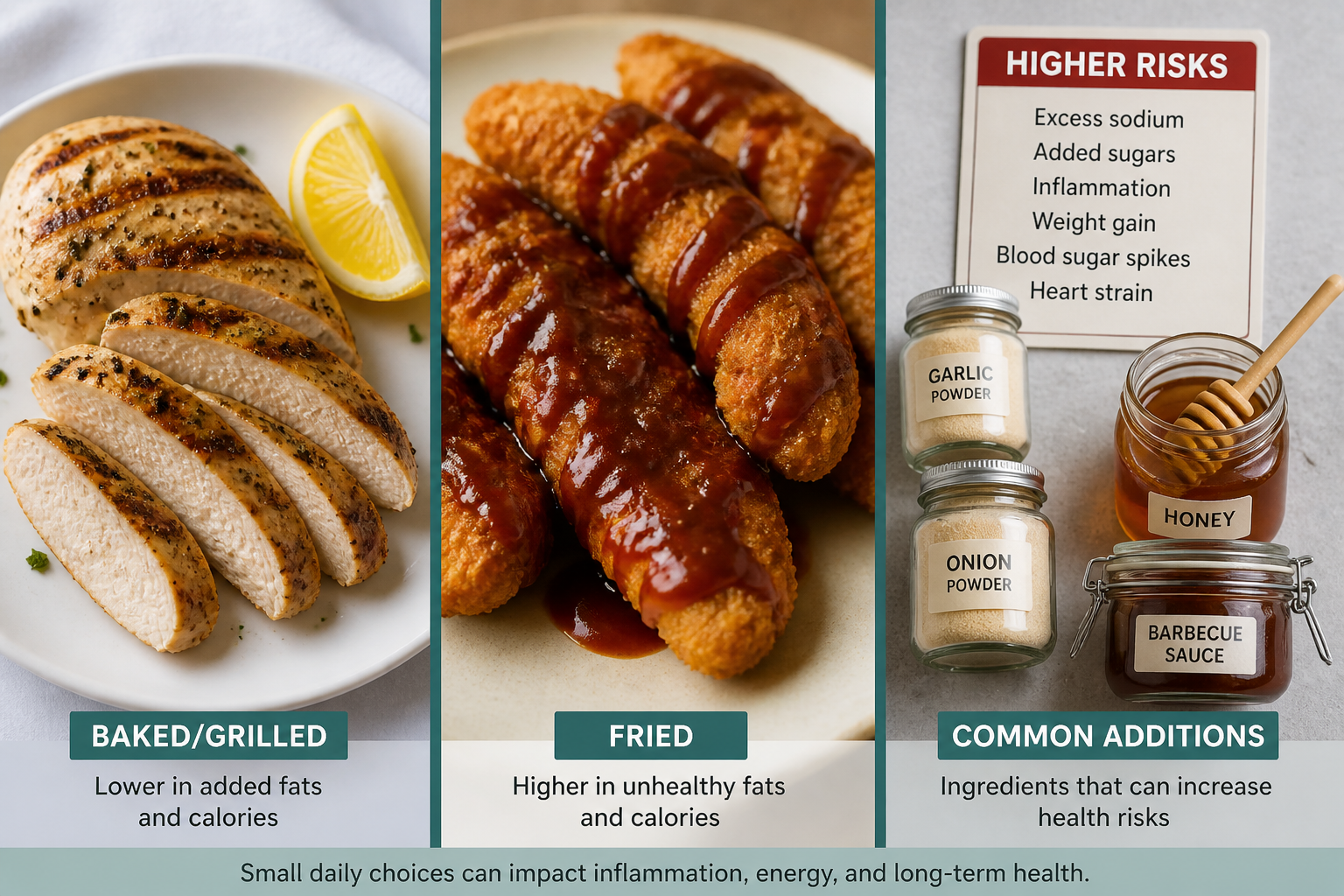
Cooking choice often matters more than the meat itself. When you have IBS, fat content and IBS symptoms are closely tied, because greasy meals can slow digestion for some people and bring on cramps, urgency, bloating, or abdominal pain for others. Lean meat that is cooked simply is usually easier to handle than rich cuts or anything soaked in oil.
A good rule is to keep the meal plain when your gut feels sensitive. Baking, grilling, and poaching are practical cooking methods for IBS because they can keep meals lower in added fat and simpler in ingredients (source).
Usually easier to tolerate | More likely to bother IBS |
|---|---|
Baking | Deep-frying |
Grilling | Pan-frying in lots of oil |
Poaching | Heavy breading |
Steaming | Charring or very crispy edges |
High-fat meals and IBS can be a problem even when the meat itself is a solid protein choice. A chicken breast can still feel rough on your gut if it's breaded, fried, and topped with a rich sauce. Sausage, ribs, bacon, and other fatty or processed meats can land on many people's list of foods to avoid with IBS when symptoms are active.
Seasoning matters just as much as the cooking method. Marinades, barbecue sauces, glazes, and dry rubs can hide ingredients that irritate your gut. Watch for these FODMAP foods and common add-ins:
- Garlic powder or onion powder
- Honey
- Agave
- High-fructose corn syrup
- Thickening agents in bottled sauces
- Sweet spice blends with several trigger ingredients
Simple flavors usually work better. Salt, pepper, rosemary, thyme, basil, oregano, and fresh lemon juice can add plenty of taste without piling on extra sugar or trigger ingredients. Garlic-infused olive oil can be a practical swap for some people because FODMAP compounds such as fructans are water soluble and are less likely to transfer into pure oil than into water-based sauces (source).
A quick comparison can help when you're deciding what to eat:
- Safer pick: baked chicken with rosemary
- Riskier pick: breaded chicken tenders with garlic-heavy sauce
- Safer pick: grilled fish with lemon
- Riskier pick: glazed pork chop with onion powder and sweet barbecue sauce
Before you eat, run through this quick checklist:
- Choose lean meat. Pick the lowest-fat cut that fits the meal.
- Choose a gentler method. Go with baked, grilled, poached, or steamed food instead of fried food.
- Check the seasoning. Avoid garlic, onion, and sugary sauces if they show up in the ingredient list.
- Start with a smaller portion. That helps if the meal seems borderline.
- Watch your response. Pay attention to bloating, cramping, urgency, or pain after the meal.
This content is for educational purposes only and is not a substitute for personalized medical advice. Digestive symptoms can have many causes, so you should consult a qualified healthcare professional for persistent, severe, or worsening symptoms. Results vary by person, and any dietary advice should be individualized.
How Much Meat Should You Eat At One Meal?
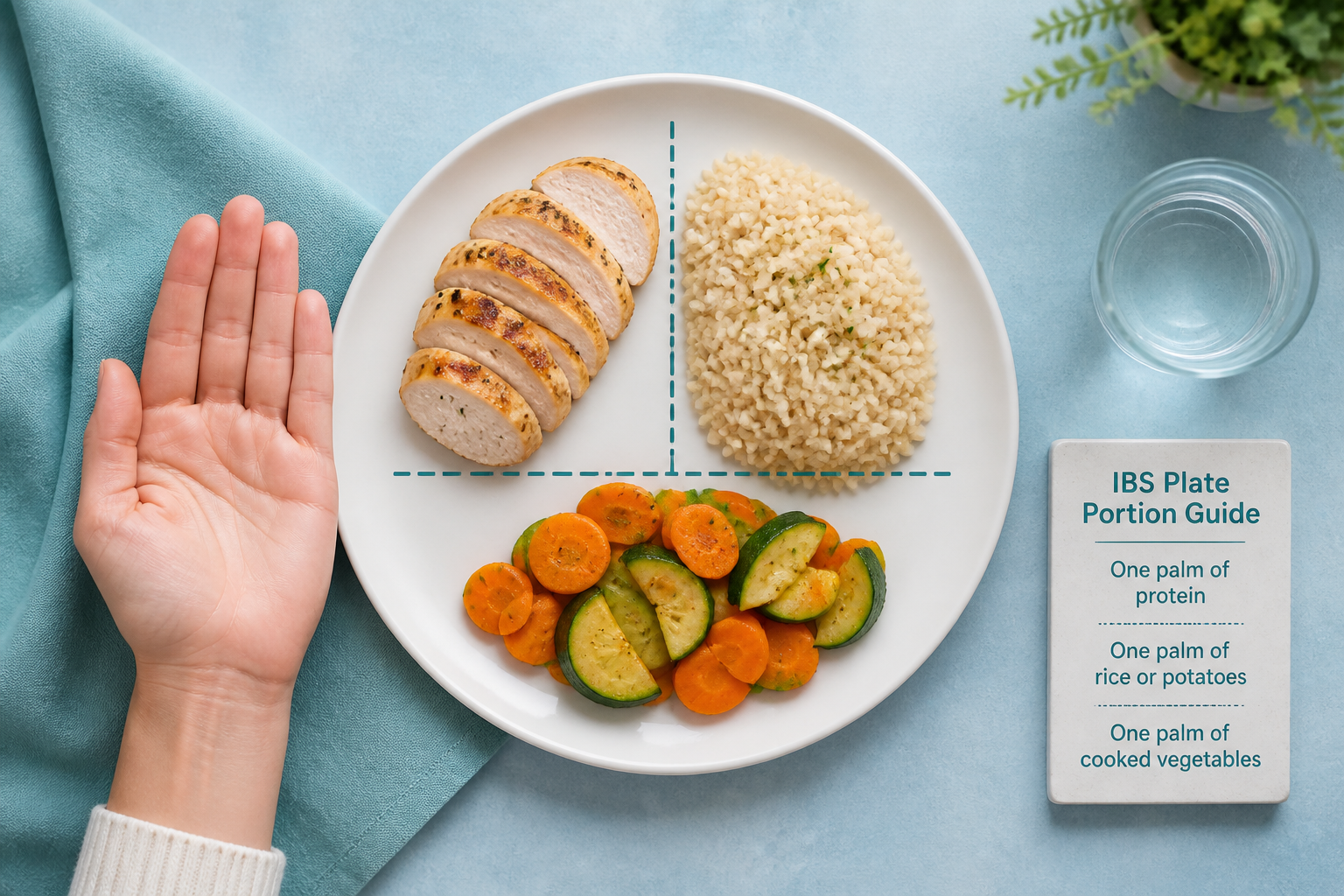
A practical starting point is a modest portion of cooked meat, then adjust the amount based on your own symptom response (source). For many people with IBS, that amount gives you enough protein without making the meal feel too heavy.
IBS meal planning tips work best when the plate stays balanced instead of protein-heavy. A simple meal pattern can help:
- One palm of meat: Start with a modest serving of plain chicken, turkey, fish, or another lean choice.
- Two palms of low-risk sides: Add rice, potatoes, oats, or cooked vegetables to round out the meal.
- Light seasoning: Keep sauces simple at first, since rich gravies and heavy marinades can make digestion harder.
Even lean meat can bother a sensitive gut. Cramping, heaviness, bloating, or nausea can happen after a full palm if your system is already touchy. Skinless chicken breast is often a gentler place to begin, but even that may need to be reduced if symptoms show up.
Larger servings are harder for some people, especially when the meat is fatty, processed, or covered in a rich sauce. A big steak or double serving is a tougher first test than a smaller, plain portion. The gastrocolic reflex can also make a meal feel like it hits fast, especially if you eat quickly or when your gut is already reactive.
A food diary for IBS can make the pattern much clearer. Use it to track reactions to specific meats, the cut, cooking method, portion size, and side dishes. Small details often explain more than broad rules.
Low-FODMAP guidance is temporary and personal, so track meals consistently for a few weeks. If a full palm triggers symptoms, downshift the serving and increase only when your body stays calm. Track meals consistently for a few weeks and use your own symptom pattern to guide the next step (source).
What Should You Do If Meat Triggers IBS Symptoms?
If meat seems to set off your IBS, the first move is to calm things down and test one change at a time. A full meat ban usually isn't the best starting point. The real trigger may be fat, seasoning, or the way the meat was cooked.
Start with the simplest protein you can tolerate. Plain baked chicken, turkey, or fish often works better than rich cuts or heavily seasoned meals, and white-meat turkey is a good place to begin. That makes it easier to track reactions to specific meats without too many variables at once.
A meat-specific trial can also fit within a low-FODMAP diet. If meat seems to trigger symptoms, remove the most suspicious dishes for a short period and reintroduce them one at a time in a controlled portion (source). That helps you compare tolerance without guessing.
A clean reset usually looks like this:
- Choose one lean protein: plain chicken, turkey, or fish
- Keep the portion modest: start smaller than usual
- Keep the seasoning simple: salt, herbs, and little else
- Use gentle cooking methods for IBS: bake, grill, or poach
- Change one factor at a time: fat, portion size, or additives
Preparation matters as much as the protein itself. Fried, breaded, smoked, or marinated meat can feel very different from the same cut served plain. A grilled breast, a poached fillet, and a fried cutlet should not be treated as the same test food.
Processed items are a common place for problems to hide. Your processed meats to avoid may include bacon, sausage, pepperoni, salami, deli meats, and some burgers. Crispy coatings, store-bought marinades, and sauces with garlic powder, onion powder, honey, barbecue sauce, sulfites, preservatives, or added sweeteners can also turn a safe protein into a trigger.
Test part | Better starting point | More likely to cause trouble |
|---|---|---|
Protein | Chicken, turkey, fish | Bacon, sausage, deli meat |
Cooking method | Baked, grilled, poached | Fried, breaded, heavily marinated |
Add-ons | Salt, herbs, simple seasoning | Garlic, onion, barbecue sauce |
Portion | Small and plain | Large, rich, or mixed with extras |
A food diary for IBS helps you spot patterns faster. Write down the exact meat, cooking method, portion size, seasoning, side dishes, and symptom timing. A good food diary for IBS can help you compare meals and track reactions to specific meats with much less confusion.
Build each test meal gently. Lean protein plus low-FODMAP sides and very little added fat is a smart place to start. Chicken with rice and carrots, or fish with potatoes and zucchini, is often easier to sort out than a heavy dinner. High-fat red meat can be harder on the gut for some people.
If symptoms keep showing up, a registered dietitian or gastroenterologist can help you sort out personal triggers and whether SIBO could be part of the picture. Persistent, severe, or worsening symptoms deserve medical attention. Keep using your downloadable decision-checklist and symptom-tracking toolkit so each trial stays clear and useful.
IBS and Meat FAQs
These FAQs focus on the meat questions people with IBS ask most, including lean protein choices and how they fit with the best foods for IBS. They also touch on peppermint for IBS, salmon and gut inflammation, sardines for IBS, soluble fiber psyllium, and lactose intolerance.
Meal-related IBS symptoms can show up within a few hours of eating, which can help you spot patterns in your triggers (source).
Processed meat can be harder for some people with IBS to tolerate than plain, lean meat because it often contains more fat and more added seasonings or preservatives (source).
1. Can meat cause constipation with IBS?
Meat does not automatically cause constipation with IBS, but very fatty meals can slow digestion and make stools feel harder to pass. Rich red meat choices like ribeye, prime rib, lamb chops, marbled steaks, pork belly, and commercial burgers often sit heavier than leaner proteins, so red meat and IBS can be a mixed fit for you. Chicken and fish are usually easier to digest than beef or pork, and the cut, portion size, cooking method, soluble fiber psyllium, oats, brown rice, and fluids can help support more regular bowel movements.
2. Why does meat cause nausea sometimes?
Meat can trigger nausea when it’s heavy, greasy, or fried, because high-fat meals and IBS can slow digestion and make reflux or stomach upset more likely. Large portions can do the same, even with plain meat, and meal-related IBS symptoms often show up within about 3 hours of eating, which can help you spot the pattern. Undercooked or spoiled meat can also cause nausea that has nothing to do with IBS, and your reaction may vary by cut, portion size, and cooking method, so lean, simply cooked meat is usually easier to tolerate.
3. Is processed meat worse for IBS?
Yes, processed meat is often harder on IBS than plain, lean meat because it tends to be fattier and more heavily seasoned. Watch for sulfites, preservatives, garlic or onion powder, sweeteners, and sugar alcohols in bacon, sausage, pepperoni, salami, deli meats, and pre-marinated cuts, since those extras can be the real problem. Even burgers and store-bought seasoned meats can bother you if they contain extra fat, spice blends, or high-FODMAP additives, so reading labels closely and choosing simple foods with short ingredient lists can make processed meats to avoid easier to spot, while chicken or fish are usually gentler choices.
4. What sides work best with IBS-safe meat?
Simple sides can make an IBS-safe meat meal feel easier on your gut. Plain rice, quinoa, oatmeal, or peeled potatoes add soluble fiber, and modest portions of carrots, zucchini, spinach, green beans, or bell peppers can add color without onion or garlic. Vegetables for IBS fit well with lean meat or fish, and a small serving of plain yogurt or kefir may work if you tolerate dairy and do not have lactose intolerance. Simple seasoning like salt, pepper, lemon, rosemary, thyme, basil, or oregano usually keeps meals calmer than creamy sauces, and knowing whether eggs are safe with IBS gives you an easy backup with toast and cooked spinach.