


The IBS stress link guide explains how stress can trigger flares and what helps relieve them. Busy workdays, poor sleep, and bathroom urgency often pile up together, leaving people unsure whether stress is driving the gut or reacting to it. The gut-brain axis is the two-way communication system between the brain, nerves, hormones, and the digestive tract. By the end, the connection feels more concrete, and the next steps for relief are easier to use.
Inside, the coverage moves from brain-gut signaling and stress hormones to the symptoms that often flare first, including cramping, urgency, bloating, and shifts between diarrhea and constipation. It also covers a simple daily routine, a short symptom journal, and the signs that mean the problem needs medical review. Readers get practical steps that are specific enough to try without turning meals, sleep, and stress care into a rigid plan.
For adults with IBS, along with caregivers, primary care teams, and dietitians, the value is in knowing what to track and what to change first. A teacher who notices Friday deadlines, skipped lunch, and a Monday flare can use that pattern to adjust meals, sleep, and stress support before symptoms build. The next sections make the link easier to act on and the warning signs easier to spot.
IBS Stress Link Key Takeaways
- Stress can intensify IBS symptoms, and symptoms can raise stress in return.
- Brain-gut signaling can alter motility, pain, and bowel habits.
- Cramping, urgency, bloating, diarrhea, and constipation often flare together.
- Sleep, meals, and deadlines often reveal personal stress triggers.
- Gentle routines, breathing, and walking can reduce flare pressure.
- Symptom tracking helps separate food reactions from stress-related flares.
- Blood in stool, fever, weight loss, or worsening pain need medical review.
How Do Stress And IBS Affect Each Other?
The IBS stress link is real, but it is not a one-cause story. Irritable bowel syndrome affects an estimated 11.2% of people worldwide, based on a global epidemiology review (source). Stress can intensify symptoms, and ongoing symptoms can raise stress in return. Some cases also involve root causes of IBS.
Family history can matter too, which is where hereditary IBS risk comes in. That distinction matters because it keeps you from blaming every flare on stress alone. Stress is a trigger and amplifier, not the only explanation.
The symptoms stress often worsens are easy to spot:
- Cramping: The gut can feel more sensitive and painful during tense periods.
- Urgency: Bathroom trips may feel sudden and hard to delay.
- Bowel changes: Diarrhea or constipation can both show up.
- Daily disruption: Bloating, pain, and bathroom worry can make work, sleep, and social plans harder.
That is why Stress and IBS can turn into a loop. A stressful week can trigger gut symptoms. Those symptoms can interrupt sleep, work, or teaching and raise worry. The added strain can then feed the next flare, which is why many people describe IBS stress triggers as part of an ongoing pattern that can repeat for weeks or months.
Noticing your own pattern can make symptom tracking more useful and prevention feel more realistic. If deadlines, conflict, poor sleep, or skipped meals tend to line up with flares, that information helps you respond earlier. This content is for general information only and is not a substitute for personalized medical advice. Digestive symptoms can have many causes, so persistent, severe, or worsening symptoms deserve care from a qualified healthcare professional, and results vary by person, so any diet or supplement changes should be individualized.
What Happens In Your Gut And Brain During Stress?
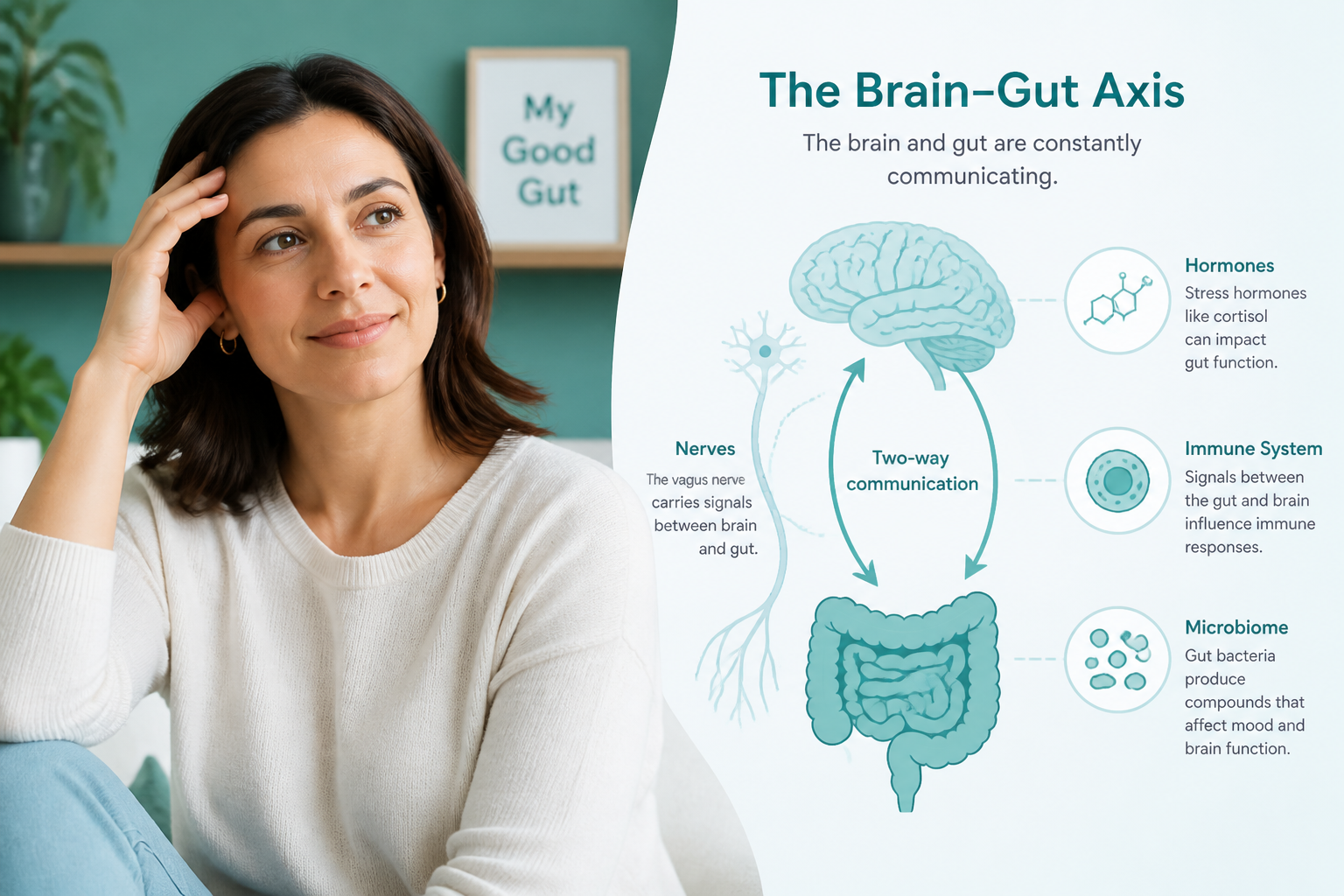
Stress can scramble the gut quickly. The Brain-gut axis and the Gut–brain axis describe the same two-way network between the brain, nerves, hormones, immune cells, and gut microbes.
From there, the stress response usually follows a clear chain. The hypothalamic-pituitary-adrenal (HPA) axis turns on, releasing corticotropin-releasing factor (CRF), adrenocorticotropic hormone (ACTH), and cortisol. hormonal IBS triggers can help explain why digestion may speed up, slow down, or feel erratic during stressful stretches.
Stress also shifts your autonomic nervous system toward fight-or-flight. That pulls resources away from rest-and-digest mode and can change gut motility, make cramping harder to ignore, and throw off normal bowel patterns. Some people notice urgency. Others notice constipation or a stop-and-start rhythm.
Several effects can build at the same time:
- Intestinal permeability: Stress can make the gut lining more open, a pattern sometimes called a leaky gut barrier. As intestinal permeability rises, irritation can build and bloating or discomfort can feel stronger.
- Low-grade inflammation IBS: Stress can activate mast cells and lymphocytes in the gut. That low-level immune activity can heighten visceral hypersensitivity, so normal movement feels more painful than it should.
- Visceral hypersensitivity: Visceral hypersensitivity in IBS means gut nerves send stronger pain signals. Gas, stretching, or mild spasms can then feel much bigger than the physical trigger.
- Microbiome and serotonin changes: Stress can shift microbiota balance and serotonin signaling. Both influence bowel movement patterns and how pain messages reach the brain.
When hormones, nerves, immunity, and microbes shift together, IBS symptoms can flare without a major structural problem in the bowel. You may notice urgency, constipation, faster or slower transit, and stronger pressure or pain. Tracking stress, sleep, meals, and symptoms can help you spot patterns and give your clinician a clearer picture.
Digestive symptoms can have many causes, so persistent, severe, or worsening symptoms deserve review from a qualified healthcare professional. This content is for general information only and is not a substitute for personalized medical advice.
What Does A Stress-Triggered IBS Flare Feel Like?
A stress-triggered IBS flare can feel like your whole gut has gone on high alert. Cramping, bloating, gas, and a sudden change in bowel habits often show up together. Stress can make the pain feel sharper, the urgency harder to ignore, and the timing harder to predict.
The clearest clues are usually the ones you can track in daily life:
- Pain that eases after a bowel movement
- Stools that swing between diarrhea and constipation
- A sense that your bowels are out of sync on stressful days
- More bathroom trips than usual, or a sudden rush you can’t delay
- Straining, plus the feeling that you did not fully empty
- Stools that are looser or harder than normal
- Visible bloating or abdominal distention
Those patterns fit IBS because the gut is reacting more strongly than usual. Visceral hypersensitivity can make symptoms feel more intense during a flare. Intestinal permeability, low-grade inflammation IBS, and mast cell activation IBS may also help explain why some flares feel so intense.
IBS flares often come in waves and usually follow a known trigger, like a rough week, poor sleep, or a major event. Some people with IBS report that their symptoms began after a major stressful life event, and the Rome Foundation notes that stressful life events in adulthood can increase IBS risk (source). That can make a flare feel sudden and emotionally tied, even without infection.
Fever, persistent vomiting, black or bloody stool, or pain that keeps getting worse are not typical IBS features. Those signs need medical evaluation.
What Practical Daily Routine Prevents Stress-Triggered IBS Flares?
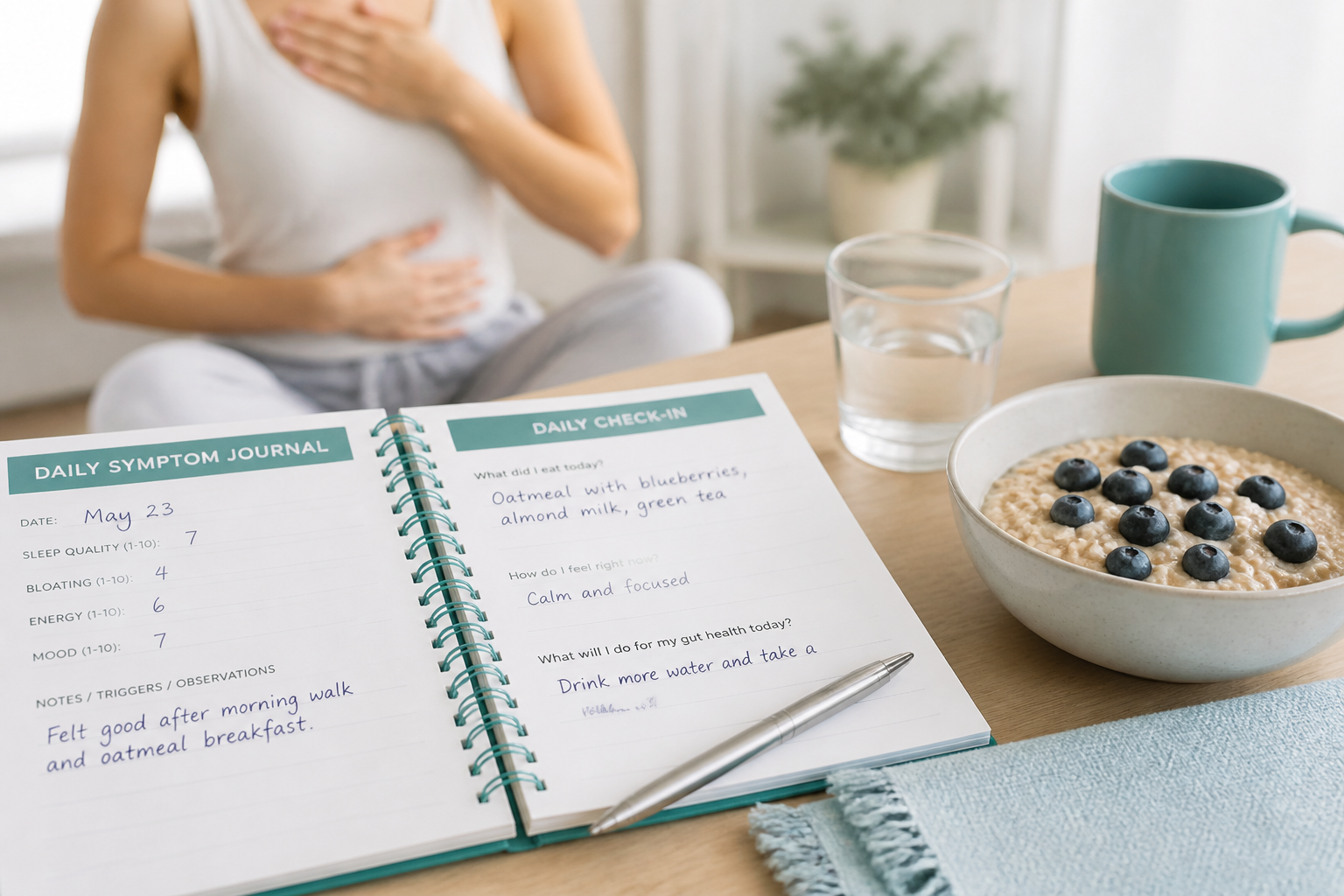
A steady routine helps more than a perfect one when stress starts stirring IBS symptoms.
The simplest version lowers the number of decisions your body has to make under pressure. Start with a few minutes of paced breathing or mindfulness, a quick check on sleep and bowel symptoms, and a calm breakfast plan. That small reset can keep the rest of the day from turning into a scramble.
A flexible daily rhythm is easier to repeat:
Part of day | What to do | Why it helps |
|---|---|---|
Morning | Use Relaxation techniques for IBS, then check sleep, pain, bloating, and bowel changes | Eases the stress spike that can set off symptoms |
Meals | Keep breakfast and lunch predictable on hard days, and note personal triggers | Makes food choices easier when pressure is high |
Diet | Use the Low-FODMAP diet only when symptoms and professional guidance support it | Helps avoid unnecessary restriction |
Movement | Choose gentle exercise most days, like walking or stretching | Supports stress management and gut health |
Evening | Review symptoms briefly, then keep screens and caffeine low before bed | Protects sleep and lowers next-day flare risk |
Food choices matter most when your schedule is already busy. Predictable meals on hard days usually help more than chasing perfection, especially if you already know a few trigger foods. A clearer read on food intolerances and IBS can help separate true reactions from stress-related flares. The Low-FODMAP diet should stay a short-term tool when symptoms and professional guidance support it.
Movement should match your bowel pattern and flare severity. IBS-D often does better with easy walks or stretching on flare-prone days, while IBS-C usually responds well to steadier activity that supports regular bowel movements. Gentle motion usually beats all-or-nothing thinking.
Sleep is one of the most reliable parts of stress management and gut health. Aim for a regular 7 to 8-hour window, keep late-night screens low, and cut back on caffeine later in the day. Poor sleep can make your gut more reactive the next morning, even if your meals stay the same.
A short symptom journal can show what is actually driving the flare. Track stress level, foods, bowel pattern, pain, bloating, and timing. That habit often reveals links with missed meals, work pressure, or a poor night’s sleep.
Mild, occasional flares often improve with mindfulness, exercise, journaling, and diet changes alone. More frequent or disruptive symptoms may need CBT for IBS, gut-directed relaxation, support groups, or symptom-specific medical treatment. Keep the plan simple enough to repeat, and contact a clinician if symptoms persist, worsen, or change in a new way.
This content is for educational purposes only and is not a substitute for personalized medical advice. Digestive symptoms can have many causes, so you should consult a qualified healthcare professional for persistent, severe, or worsening symptoms. Results vary by person, and any dietary or supplement advice should be individualized.
When Should You Get Medical Help?
Stress can worsen abdominal pain, bloating, constipation, diarrhea, altered bowel habits, and visceral hypersensitivity. It can also make symptoms feel louder than they are. But stress is not the only possible cause, and IBS is usually diagnosed with the Rome criteria after other causes are considered.
A clinic visit makes sense when flares become more frequent, last longer, or disrupt work, sleep, eating, or your stress level. Prompt medical contact is also wise if you notice:
- New or worsening symptoms after age 50
- Unexplained weight loss, blood in the stool, fever, nighttime diarrhea, vomiting, or anemia
- A family history of colorectal cancer, inflammatory bowel disease, or celiac disease
Urgent or emergency care is needed for severe sudden abdominal pain, a rigid belly, black or maroon stools, signs of dehydration, fainting, chest pain, or trouble keeping fluids down.
Digestive symptoms can have many causes. If they are persistent, severe, or worsening, do not wait for them to settle on their own. A clinician may rule out other conditions before calling it IBS, and that extra check is often the safest next step.
IBS Stress Link FAQs
If you’re trying to make sense of the IBS stress link, these FAQs look at common IBS stress triggers and how the Brain-gut axis, Gut–brain axis, Stress management and gut health, Gut–brain–microbiota–immune interactions, and Microbiota and stress fit together.
1. Can Stress Trigger IBS Diarrhea?
Stress can trigger IBS diarrhea, and when the HPA axis activates, Cortisol and CRF can speed up gut motility in IBS. That can leave you with loose stools, urgency, and cramping. Stress can also heighten pain signaling, so a flare may feel sharper when you’re tense or anxious. If it keeps happening or starts to disrupt daily life, talk with your doctor about whether your treatment plan should change.
2. Can Stress Trigger IBS Constipation?
Yes, stress can trigger IBS constipation, and stool can feel harder to pass during those stretches. The gut–brain axis can also change how your intestines contract, which may raise abdominal discomfort and make constipation feel more intense, especially when stress keeps your body on high alert for days or weeks. Gentle breathing, light movement, steady hydration, and regular meal and bathroom routines are good first steps, and persistent, severe, or worsening constipation should be discussed with a qualified healthcare professional.
3. How Long Do Stress IBS Flares Last?
Many stress-related IBS flares ease within hours to a few days once the trigger settles, but they can linger if stress stays high or your routine never normalizes. Chronic stress, Allostatic load, a prior gut infection, and patterns linked to Early adverse life events or Neonatal maternal separation can keep your gut more reactive, which is why post-infectious IBS may flare more easily. Seek medical review if symptoms persist, worsen, wake you at night, or come with weight loss, blood in stool, fever, or dehydration.
4. Does Anxiety Make IBS Worse?
Yes, anxiety can make IBS feel louder by heightening gut sensitivity, so cramping, urgency, bloating, or shifts between diarrhea and constipation may linger longer than a brief stress flare. In psychological stress and irritable bowel syndrome, symptoms often return with worry, build before or after meals, and may stay active even when the trigger is emotional rather than dietary because stress can raise visceral hypersensitivity and affect gut immune activity. A few minutes of slow diaphragmatic breathing, a sip of water, and a calmer reset can help in the moment, and relaxation techniques for IBS or CBT for IBS may help break the loop. If the pattern keeps repeating, tracking it and talking with a qualified healthcare professional is a wise next step.