


When heartburn follows a cigarette or your bowel habits become unpredictable, smoking may be part of the pattern. Smoking affects digestion by changing gut movement, weakening protective tissue, and relaxing the valve that helps prevent reflux. These effects can contribute to bloating, nausea, constipation, diarrhea, and GERD, though nicotine is not always the only cause.
Reflux is often blamed on food alone, but nicotine can relax the lower esophageal sphincter and allow stomach contents to move upward. The same exposure can slow or speed intestinal movement, interfere with ulcer healing, and make Crohn's disease harder to control. Changes in gut bacteria may play a role too, although diet, stress, medicines, and infections also affect symptoms.
Bowel changes can briefly occur after quitting as your body adjusts without nicotine. Constipation affects about 17 percent of people who quit and often improves within roughly two weeks, while persistent reflux, bleeding, severe pain, or lasting stool changes need attention.
Smoking and Digestion Key Takeaways
- Smoking can alter gut movement, contributing to bloating, constipation, diarrhea, nausea, and abdominal discomfort.
- Nicotine can relax the lower esophageal sphincter, increasing heartburn, reflux, and GERD symptoms.
- Smoking weakens stomach and duodenal defenses, delays ulcer healing, and raises recurrence risk.
- Cigarette smoking is linked to more frequent Crohn's flares, complications, and disease recurrence after surgery.
- Smoking can change gut bacteria and immune signaling, though it rarely explains IBS symptoms by itself.
- Constipation, bloating, and appetite changes can occur temporarily after quitting smoking.
- Vomiting blood, black stools, severe pain, rectal bleeding, or lasting bowel changes need prompt assessment.
How Can Smoking Affect Digestion?
Smoking affects digestion throughout the body, from the mouth and esophagus to the colon. Tobacco smoke contains more than 7,000 chemicals, and smoking can affect movement, blood flow, and inflammation in the digestive tract. Smoking does affect digestion, although symptoms and severity vary by person and nicotine exposure.
Smoking effects on the gastrointestinal tract often involve motility, or how smoothly and quickly food and waste move. Slower or poorly coordinated movement may contribute to early fullness, nausea, bloating, or constipation. Faster movement can lead to urgency, loose stools, or diarrhea and may affect how the body handles nutrients.
Common smoking effects on digestion include:
- Early fullness or bloating: Stomach and intestinal movement may become less regular after meals.
- Indigestion or nausea: Smoke exposure can affect stomach function and irritate digestive tissues.
- Constipation, cramping, or diarrhea: Changes in movement through the bowel can shift symptoms in either direction.
- Ongoing abdominal discomfort: Less protective mucus, weaker cell barriers, greater intestinal permeability, and reduced small-vessel blood flow can leave tissues more prone to irritation.
Dyspepsia is a symptom pattern that can include upper-abdominal discomfort, indigestion, nausea, belching, bloating, or feeling full unusually quickly. Smoking and the digestive system may be connected through inflammation and changes in stomach function, but smoking is not always the only cause of persistent symptoms.
Smoking harms the digestive tract in ways that can overlap with heartburn and changing bowel habits. Cigarettes and vaping are both relevant exposures to mention when symptoms worsen or interfere with meals, sleep, or work.
Smoking and digestive health can also change after nicotine use decreases or stops. Gut health after quitting may involve temporary shifts in bowel habits, while ongoing symptoms deserve a conversation with a clinician. The rest of this page follows the damage along the digestive tract from mouth to colon.
Why Does Smoking Trigger Heartburn and Reflux?
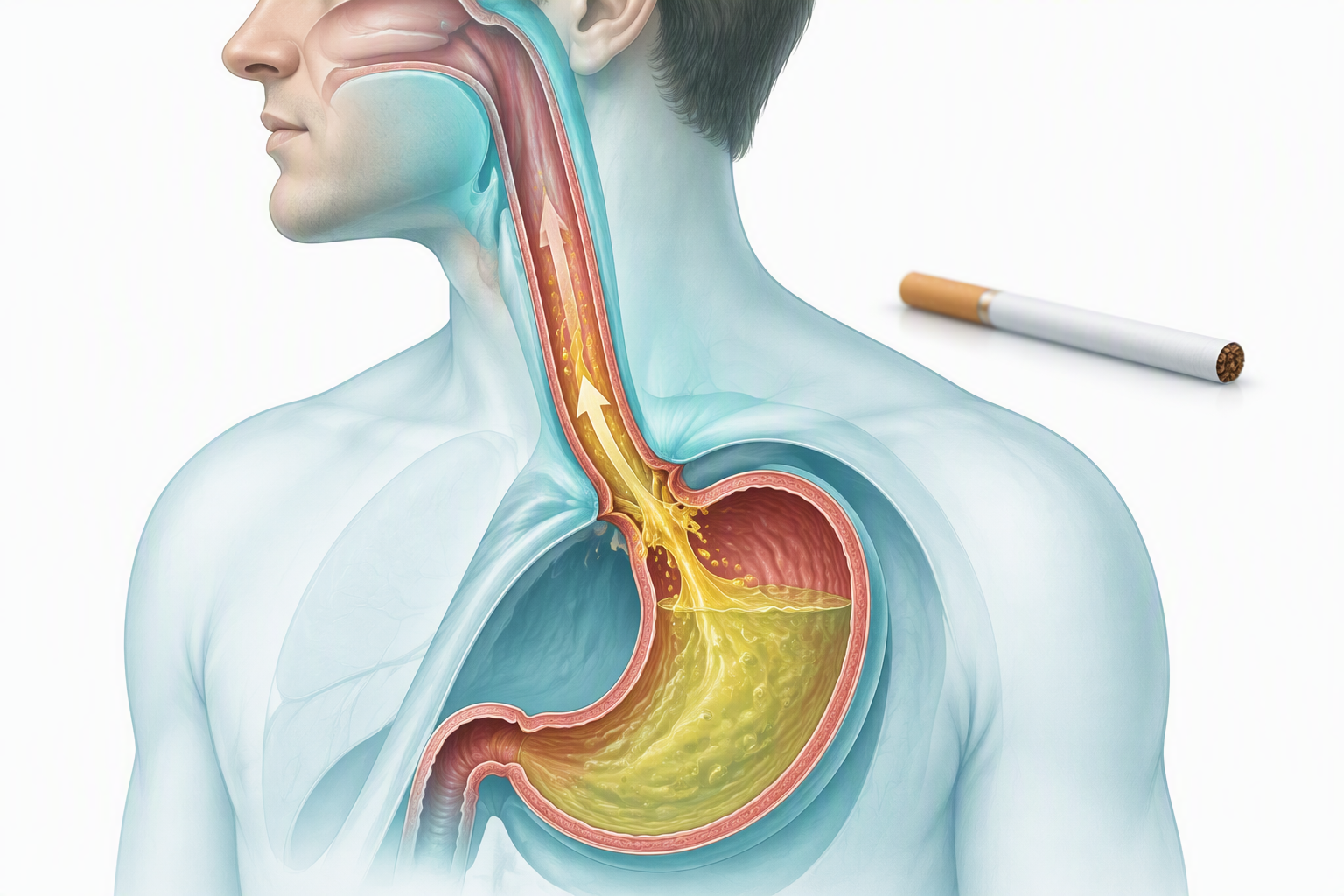
Among the digestive symptoms smoking can cause, smoking and acid reflux are closely connected because nicotine can relax the lower esophageal sphincter, the muscle valve between your stomach and esophagus. When the valve does not seal tightly, stomach contents can move upward. Acid reflux from smoking may cause a burning feeling in the chest or throat, a sour taste, or regurgitation after meals.
Smoking and heartburn can become a repeating cycle rather than an occasional symptom, and repeated reflux can lead to gastroesophageal reflux disease (GERD), in which ongoing acid exposure inflames the esophageal lining. Smoking may also weaken the esophagus’s protective defenses, while tobacco smoke can directly irritate its tissue. The National Institute of Diabetes and Digestive and Kidney Diseases identifies smoking as a contributor to acid reflux and GERD (source).
Reflux may feel especially persistent because smoking affects more than stomach acid. Bile salts, digestive substances that usually travel through the small intestine, can enter the stomach and mix with its contents. When that mixture refluxes, it may add to irritation, although the link between smoking and a weakened lower esophageal sphincter is better established.
An occasional mild episode does not automatically mean you have smoking and GERD. Recurring symptoms deserve a clinical discussion, particularly if they line up with cigarettes, vaping, or other nicotine exposure:
- Disruption: Heartburn that interrupts sleep, eating, or daily activities.
- Digestive changes: Nausea, abdominal pain, bloating, constipation, or diarrhea.
- Warning signs: Trouble swallowing, unexplained weight loss, vomiting, or bleeding.
Heartburn alone does not mean cancer, but tobacco carcinogens directly contact the mouth, throat, and esophagus. Smoking also raises the risk of cancers affecting the esophagus, stomach, pancreas, and colon. Stress as a digestive trigger can also help explain why reflux flares do not always follow nicotine use alone.
How Does Smoking Affect Ulcers and H. pylori?
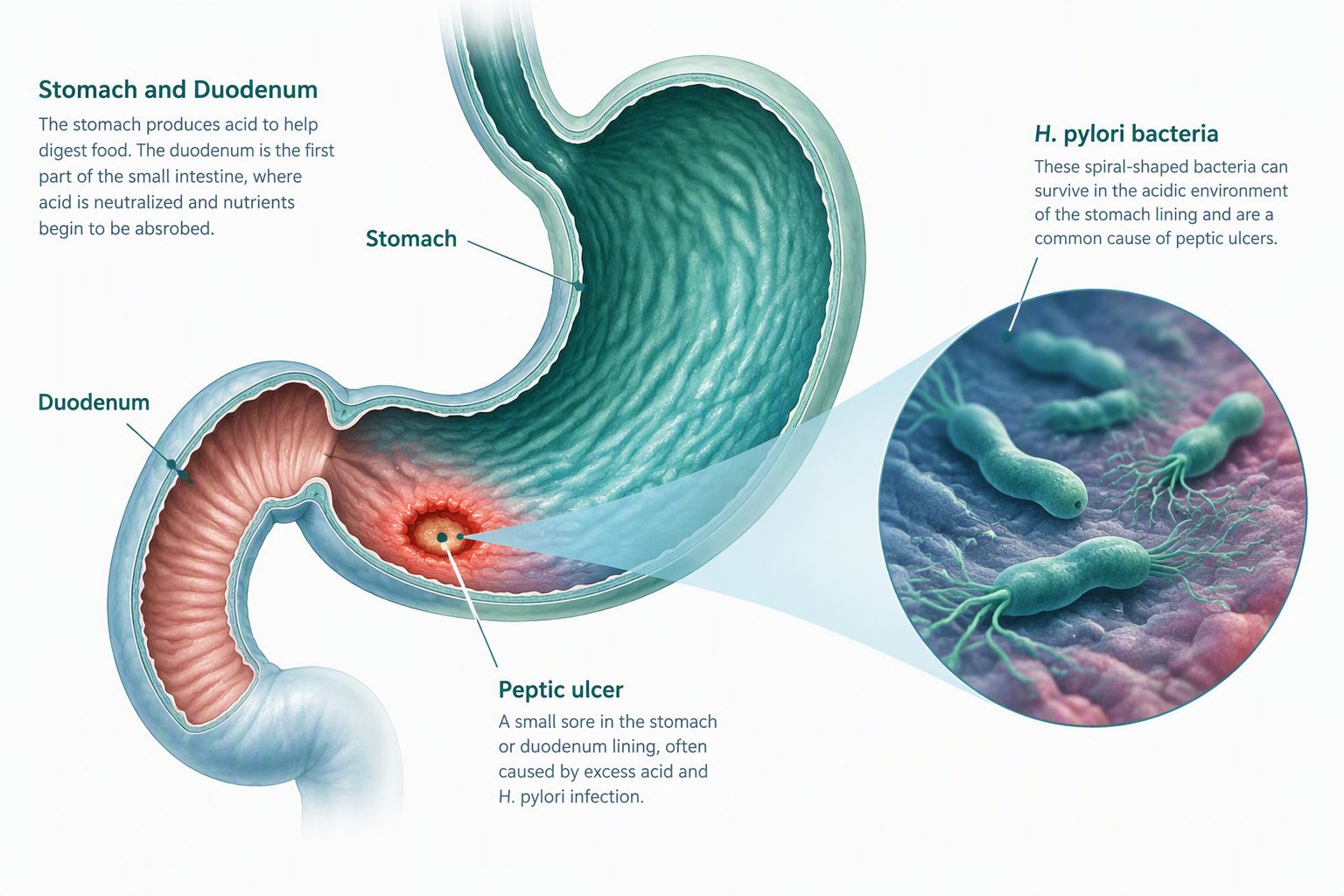
Beyond reflux-related irritation, smoking can weaken the stomach and upper small intestine’s defenses against acid. It may reduce stomach mucus and blood flow, which help protect and repair the lining. Smoke chemicals can directly irritate this tissue and may increase acid production, contributing to indigestion, gastritis, and upper-abdominal discomfort. Smoking is not the only cause of these symptoms, but it can add to existing irritation.
Smoking and peptic ulcers involves ulcers in the stomach or the duodenum, the first part of the small intestine. Smoking is especially associated with duodenal ulcers. It may also reduce pancreatic bicarbonate, which normally neutralizes acid after it enters the duodenum, leaving that lining more exposed to injury. Smoking and stomach ulcers can therefore reflect both weaker protective barriers and greater acid-related damage.
An ulcer does not always cause sharp pain. Symptoms that need prompt medical attention include:
- Burning, gnawing, or persistent pain high in the abdomen
- Pain that changes with meals or wakes you at night
- Nausea, early fullness, or ongoing indigestion
- Black, tar-like stools, vomiting blood, fainting, or severe worsening pain
Continued smoking can delay ulcer healing, make treatment less effective, and raise the chance that an ulcer returns. Internal bleeding is a serious complication, so persistent, worsening, or severe upper-abdominal pain should not be repeatedly treated as ordinary heartburn. The National Institute of Diabetes and Digestive and Kidney Diseases identifies Helicobacter pylori and nonsteroidal anti-inflammatory drugs as common ulcer causes (source).
H. pylori is a bacterium linked to many peptic ulcers. Smoking may increase the likelihood of infection and support bacterial growth. Together, smoking and H. pylori can intensify lining damage, interfere with treatment, and make ulcer recurrence more likely. If symptoms suggest an ulcer, discuss H. pylori testing and treatment with a clinician.
How Does Smoking Affect Crohn’s and Colitis?
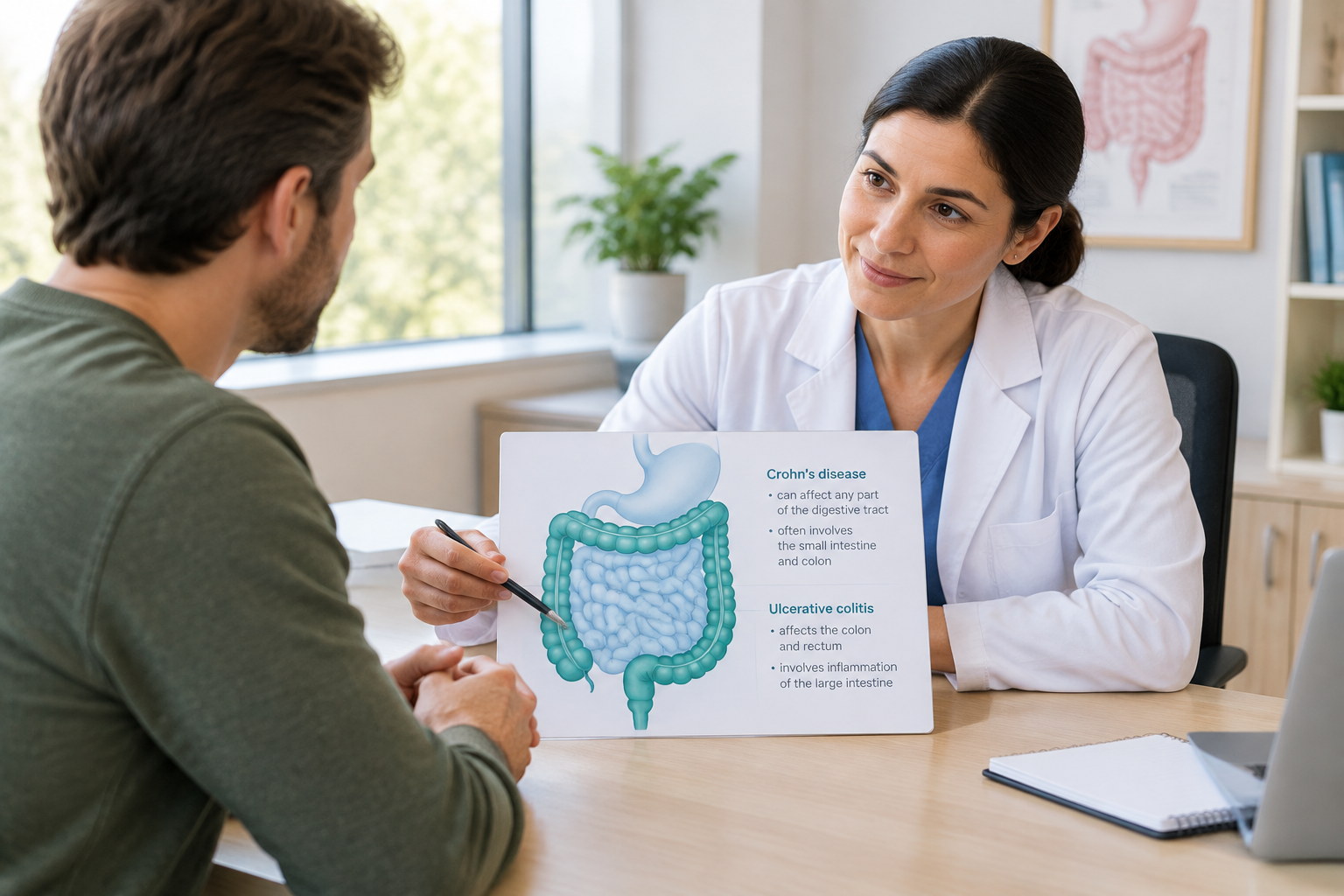
Beyond ulcer-related lining damage, smoking and Crohn's disease are closely linked. Cigarette smoking is among the strongest modifiable environmental factors associated with developing Crohn’s and with inflammation that is harder to control after diagnosis. Smoking is not the only cause, but it is a meaningful factor to discuss with your clinician. The National Institute of Diabetes and Digestive and Kidney Diseases identifies cigarette smoking as a Crohn’s risk factor (source).
For people with Crohn’s, smoking can make the disease more difficult to manage. It is associated with:
- More frequent flares: Symptoms may return more often or become more severe.
- Harder treatment control: Some people need more intensive medications or have a poorer response to treatment.
- More complications: Hospital stays and Crohn’s-related problems are more common among people who smoke.
Persistent bleeding, weight loss, fever, severe abdominal pain, or a clear change in bowel habits should not be dismissed as a routine tobacco reaction.
Smoking also affects Crohn’s after intestinal surgery. It is linked to a greater chance of needing surgery and to disease returning after surgery, especially at the point where two bowel sections were joined. Reviews report early recurrence at that surgical connection far more often in smokers than in nonsmokers. Stopping smoking supports your prescribed treatment plan and long-term Crohn’s management.
Smoking and ulcerative colitis have a less straightforward relationship. Nicotine can have short-term effects in ulcerative colitis, and some people notice temporarily worse symptoms after they stop smoking. Cigarettes are not a treatment, however, because tobacco harms long-term digestive health and has serious health effects beyond the gut.
If symptoms shift during a quit attempt, contact your gastroenterology team so treatment can be adjusted safely. A plan for diarrhea, constipation, poor appetite, or a possible flare can help you continue quitting while protecting your colitis care.
Can Smoking Change Gut Bacteria and Bowel Habits?
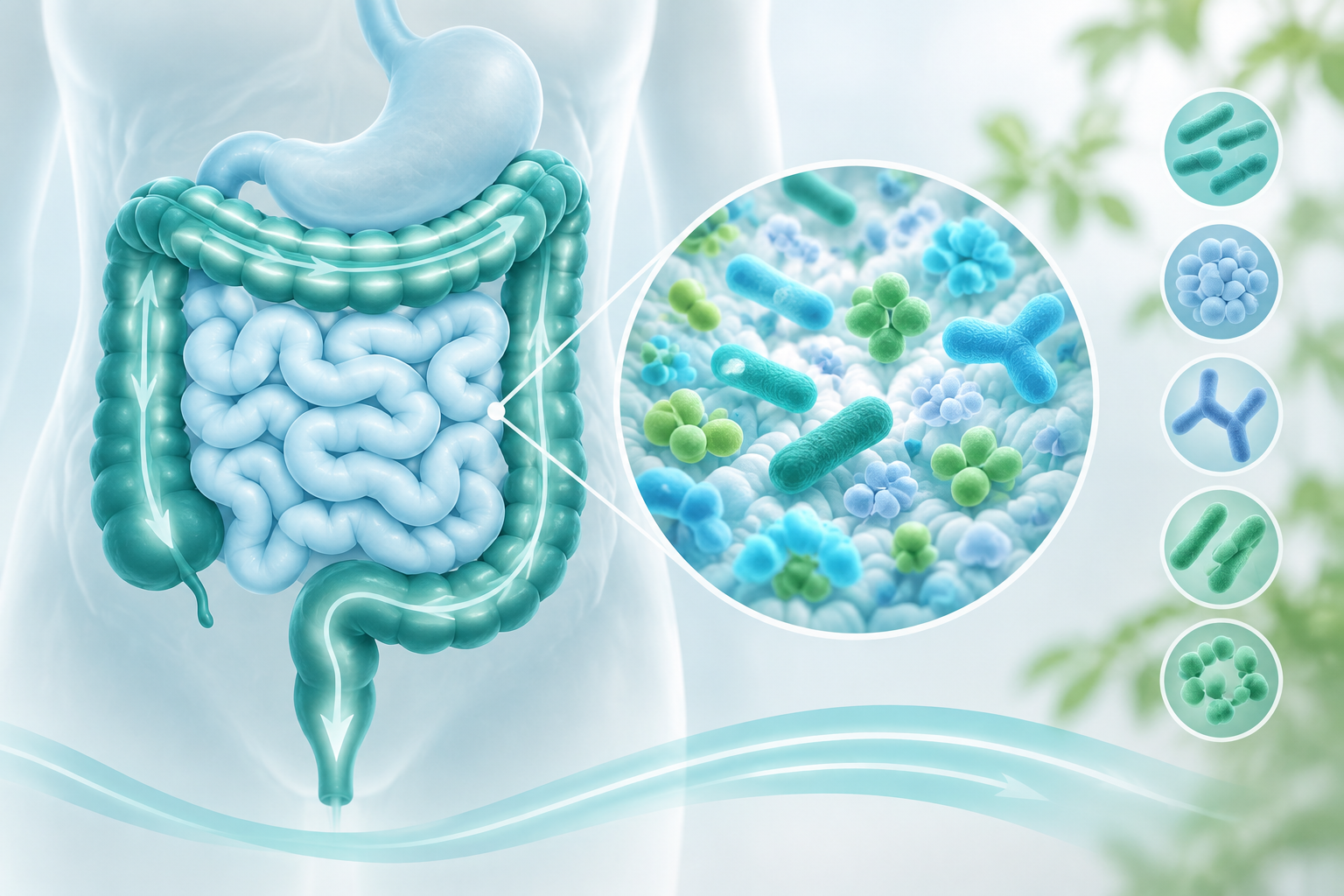
Alongside its effects on Crohn’s and colitis, smoking can affect both bowel patterns and the gut microbiome, although the effects vary from person to person. Nicotine and bowel movements are connected because nicotine and other cigarette-smoke chemicals can change the speed and coordination of intestinal movement. These effects can shift bowel habits in either direction and can also affect digestion and nutrient absorption.
Changes in intestinal movement may show up as:
- Faster movement: Urgency, loose stools, or diarrhea.
- Slower movement: Constipation, harder stools, or straining.
- Uneven movement: Bloating, abdominal discomfort, or bowel habits that alternate between constipation and diarrhea.
Smoking and gut bacteria are also linked. The gut microbiome is the community of bacteria and other microbes in your digestive tract. A 2018 population-based study found lower Bacteroidetes and higher Firmicutes and Proteobacteria among smokers than nonsmokers, a pattern called dysbiosis, meaning an imbalance in the microbial community. This does not prove that any one bacterial shift causes symptoms, though some changes may begin to reverse after smoking cessation (source). The the gut microbiome smoking alters is also shaped by diet, infections, medications, sleep, and stress.
Smoking may also affect immune signaling in the intestines. That makes smoking and irritable bowel syndrome worth considering when bloating, pain, or bowel changes flare, but smoking is rarely the whole explanation. Stress, food patterns, prior infections, and the brain-gut connection can all influence IBS symptoms.
Laboratory research offers another possible pathway. Acrolein, a chemical in cigarette smoke, can injure intestinal lining cells and disrupt tight junctions, proteins that help maintain the intestinal barrier. Barrier irritation may contribute to inflammation, discomfort, bloating, and unpredictable stools. New, persistent, or worsening bowel changes should be discussed with a clinician rather than self-diagnosed.
Digestive symptoms smokers report may help you spot patterns worth raising at an appointment.
What Other Digestive Risks Does Smoking Raise?
Smoking can affect the liver, gallbladder, pancreas, and long-term cancer risk. Smoking and liver disease are connected because tobacco toxins increase oxidative stress, a form of cell damage that may speed chronic liver conditions, including nonalcoholic fatty liver disease and hepatitis C-related liver damage. It may also change how the liver clears toxins and processes certain medicines, so make sure your clinician and pharmacist know that you smoke.
Heavy alcohol use can add to liver damage, especially when liver disease is already present.
Smoking may also change fat metabolism and bile composition, raising the risk of gallstones. A gallstone can block bile flow and cause sudden, severe upper-abdominal pain. Smoking and pancreatitis are linked as well. Pancreatitis is inflammation of the pancreas, which helps digest food and regulate blood sugar, and smoking may increase the chance of an episode or make it worse.
Persistent severe abdominal pain needs urgent assessment, particularly when it occurs with:
- Repeated vomiting: This can occur with a blockage or pancreatic inflammation.
- Fever: Fever alongside abdominal pain can signal infection or inflammation.
- Pain that does not ease: Ongoing or worsening pain needs medical evaluation rather than home treatment alone.
Smoking and gastrointestinal cancer are connected through tobacco chemicals that contact the mouth, throat, and esophagus directly and circulate through the body after absorption. Risk builds over time, but it is not a diagnosis. Smoking raises the risk of cancers affecting the:
- Mouth and throat
- Esophagus and stomach
- Pancreas, liver, and colon
Quitting can reduce future harm, even after years of smoking, according to MedlinePlus (source).
Colon polyps deserve attention because they often cause no symptoms. Smoking is associated with a greater chance of polyps, some of which can become colorectal cancer if they are not removed. Smokers have a higher chance of bowel cancer than people who have never smoked. Colonoscopy can find and remove precancerous polyps before cancer develops.
Colorectal cancer screening should reflect your age, family history, and any history of polyps. Rectal bleeding, unexplained weight loss, or a lasting change in bowel habits warrants prompt evaluation, especially when symptoms are new or worsening.
Smoking and digestive tract cancer risk covers the esophagus, stomach, pancreas, and colon, so the long-term digestive health risks of smoking go well beyond heartburn.
What Changes After You Quit Smoking?

Digestive symptoms can briefly feel worse after you quit, but they often reflect nicotine withdrawal and changing gut motility, or how food and waste move through the digestive tract. Constipation after quitting smoking is common, along with bloating, nausea, abdominal cramps, indigestion, diarrhea, stronger appetite, and weight changes.
Early changes can include:
- Constipation: Stools may become harder, less frequent, or more difficult to pass.
- Bloating and cramps: Slower or uneven gut movement can leave your abdomen feeling full, gassy, or uncomfortable.
- Nausea or diarrhea: Short-term stomach upset can occur as your body adjusts without nicotine.
- Appetite and weight changes: Food may taste or smell stronger, and eating may replace part of the smoking routine.
Quitting smoking constipation affects about 17 percent of people, may ease after roughly two weeks, and can last beyond four weeks (source). Increased appetite and weight gain are also common and are not a personal failure.
Regular meals, fluids, and gentle movement such as walking can support bowel regularity during this adjustment. These symptoms do not automatically mean IBS, inflammatory bowel disease, or another digestive condition is worsening. Severe, persistent, or disruptive symptoms deserve a conversation with a clinician.
Over time, smoking cessation can support digestive recovery, though each person’s timeline differs. Reflux may become less frequent after cigarette smoke exposure ends, while ulcer risk falls and ulcer healing may improve over weeks to months. Digestive inflammation may also lessen, but no single timeline predicts when a specific bowel symptom will settle.
Smoking-related gut microbiome recovery varies after quitting. Research suggests it may begin to recover after quitting, but it cannot predict a particular change in bloating, bowel habits, liver health, or pancreas health.
Smoking and ulcerative colitis need special attention. Because nicotine has complex effects in ulcerative colitis, symptoms may shift temporarily after quitting, and a tailored quit plan can help manage these temporary symptoms. Contact your gastroenterology clinician if you have ulcerative colitis or Crohn’s disease and symptoms change.
Cigarette smoke can affect how your body processes certain medicines, while nicotine replacement works differently. Ask a prescriber or pharmacist before changing medications, and use MedlinePlus smoking-cessation resources for support that fits your health history.
The benefits of quitting smoking for digestion arrive in stages. Reflux and dyspepsia often ease within weeks, ulcer healing improves, and Crohn's disease activity tends to settle over months. Managing acid reflux while quitting smoking means smaller meals and an earlier dinner, since appetite often rises.
Smoking cessation and Crohn's disease outcomes are the clearest win of all.
What About Vaping and Nicotine Pouches?
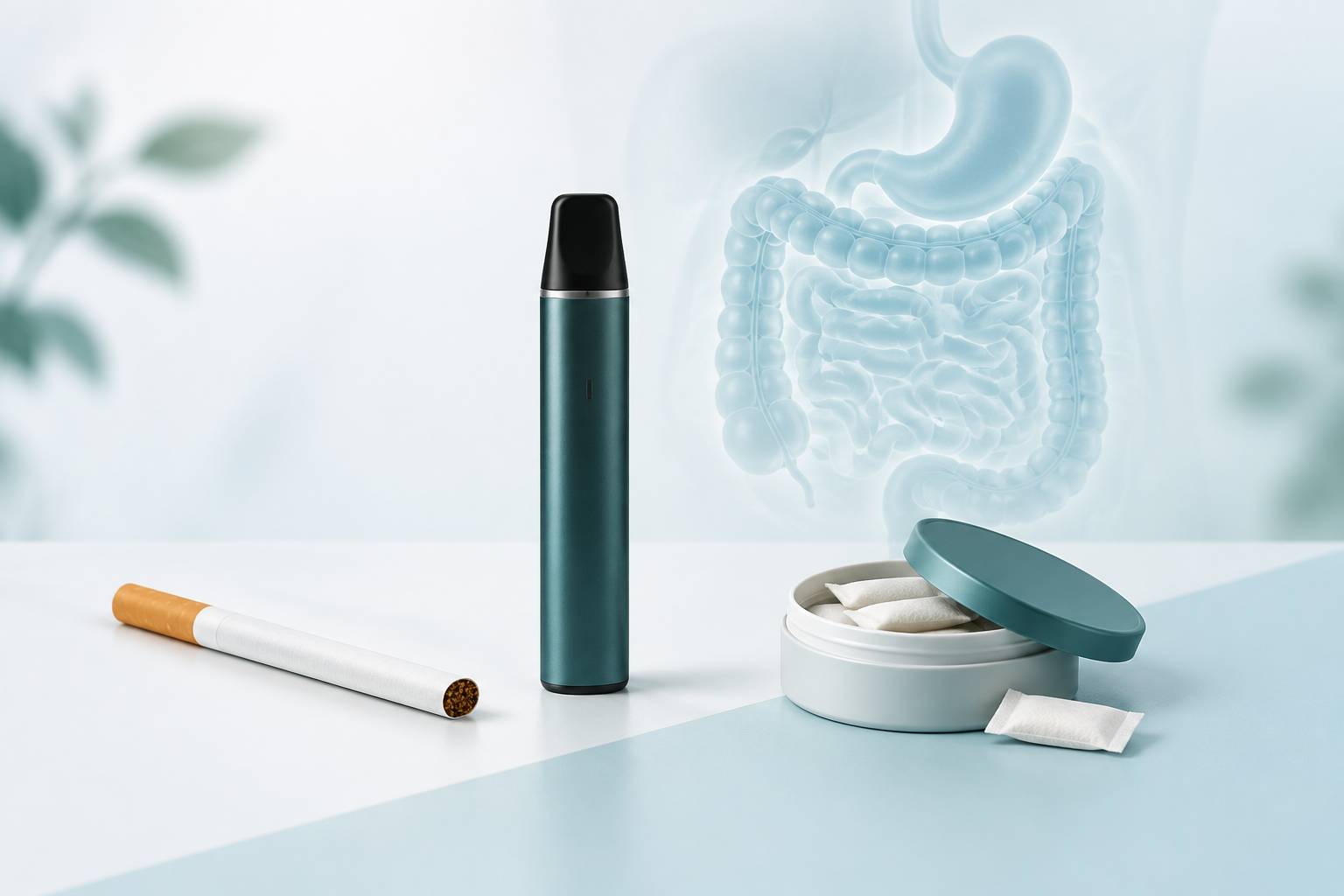
Cigarettes, vaping, and nicotine pouches expose your digestive system to different substances, but none is risk-free. Cigarettes deliver nicotine plus combustion smoke containing carbon monoxide, aldehydes, heavy metals, and reactive compounds. Vaping produces an aerosol that may contain nicotine and other chemicals, while pouches deliver nicotine through the mouth without smoke.
Avoiding combustion reduces exposure to many smoke toxicants, which matters for smoking and digestive health. Still, nicotine can worsen heartburn, nausea, abdominal discomfort, constipation, or diarrhea for some people. Changing products does not guarantee symptom relief.
A brief symptom record can help reveal a pattern:
- Product used: Record whether symptoms follow cigarettes, vaping, or nicotine pouches.
- Symptoms: Include heartburn, bloating, abdominal pain, nausea, constipation, diarrhea, or other stool changes.
- Timing: Note how soon symptoms begin and whether they change when nicotine use changes.
Evidence is strongest for cigarette smoke affecting intestinal immune activity and the microbiome. Research on smoking and gut bacteria includes animal findings of lower cecal Bifidobacterium and organic acids, suggesting disrupted microbial metabolism. This may matter more with smoking and irritable bowel syndrome or inflammatory bowel disease, though the long-term digestive effects of vaping and nicotine pouches are less established and not proven harmless.
Nicotine use can also complicate treatment for chronic digestive conditions and interact with certain gastrointestinal medicines. If reflux, nausea, abdominal pain, diarrhea, constipation, or inflammatory bowel disease symptoms persist or worsen, tell your clinician which nicotine product you use and how often. Clinician-supported smoking cessation can help reduce nicotine and smoke exposure while taking symptoms and medicines into account.
Nicotine and digestion interact whatever the delivery method, so pouches and vapes are not a free pass for ulcers or reflux.
When Should You Discuss Symptoms With a Clinician?
Occasional heartburn, bloating, or a brief change in bowel habits can have many causes, including nicotine use, food, stress, or an infection. Symptoms that keep returning, get worse, wake you from sleep, or interfere with daily life should not be blamed on smoking alone.
Make a non-urgent appointment for ongoing reflux or indigestion, repeated abdominal pain, trouble swallowing, persistent nausea, or a lasting change in constipation, diarrhea, stool frequency, or stool shape. Earlier discussion matters if you have IBS, Crohn’s disease, ulcerative colitis, or another long-term digestive condition, since smoking can make symptom control and treatment decisions more difficult.
Prompt or urgent medical assessment is needed for:
- Vomiting blood or passing black or bloody stools.
- Severe or sudden abdominal pain.
- Ongoing vomiting, fainting, marked weakness, or dehydration.
- Unexplained weight loss.
- Rectal bleeding or bowel changes that do not go away.
Rectal bleeding and lasting bowel changes should never be written off as smoking-related irritation. Smoking adds long-term risk to rectal bleeding and lasting bowel changes. A clinician can assess your symptoms and history, then decide whether screening, including colonoscopy to detect and remove polyps, is appropriate.
Tell your clinician or pharmacist about every nicotine product, medicine, alcohol use, and over-the-counter remedy. Smoking-related medication effects may influence digestive-disease treatment. Vomiting or severe, prolonged diarrhea can also reduce absorption of oral medicines, including some birth control pills. Ask before changing your smoking habits or starting a new remedy when symptoms are severe or ongoing.
Smoking and gastrointestinal health questions belong at any visit for indigestion, since smoking and dyspepsia travel together.
Smoking and Digestion FAQs
These FAQs cover common questions about smoking and digestion, including symptoms, changes after quitting, and what research does or does not show.
1. What Is Smoker’s Belly?
“Smoker’s belly” is an informal term, not a medical diagnosis. People may use it for bloating, gas, constipation, appetite or weight changes, or ongoing abdominal discomfort they connect with smoking or nicotine use. Those symptoms have many possible causes, so smoking is not always the only explanation.
The term may also describe dyspepsia, or indigestion, with upper-abdominal discomfort, nausea, belching, bloating, or early fullness. Smoking can worsen reflux, diarrhea, constipation, and abdominal pain. Persistent, severe, or changing symptoms need clinical evaluation, including for people who vape or use other nicotine products.
Smoking and gut microbiome shifts may add to the bloating some people call smoker's belly.
Smoking and gut motility changes add to it, since nicotine speeds some parts of the gut and slows others.
2. Can Smoking Cause Hemorrhoids?
Smoking is not a typical direct cause of hemorrhoids, but nicotine can affect intestinal motility, or the speed stool moves through your gut. Constipation and straining increase pressure in rectal veins, while frequent loose stools and repeated wiping can irritate existing hemorrhoids. Bowel changes can also happen during nicotine withdrawal, so a flare after quitting does not mean quitting caused hemorrhoids. Do not assume rectal bleeding is hemorrhoids, especially if it is new, recurrent, heavy, painful, or paired with ongoing bowel changes or inflammatory bowel disease.
Smoking and indigestion are the common complaints, but chronic coughing raises pressure on hemorrhoids too.
3. Does Smoking Affect Vitamin Absorption?
Smoking can affect vitamin absorption by changing blood flow, inflammation, gut muscle activity, digestive juices, and how quickly food moves through your intestines. It may also weaken the intestinal barrier, including the tight junctions between cells, which can affect how nutrients are handled.
These changes do not prove that smoking has caused a specific vitamin or mineral deficiency. Persistent digestive symptoms, fatigue, unexplained weight changes, or a documented deficiency warrant evaluation to identify the cause and appropriate testing.
Smoking and intestinal inflammation can reduce absorption of some vitamins, and smokers tend to run lower on vitamin C.
4. Can Secondhand Smoke Trigger Reflux?
Secondhand smoke may worsen reflux by irritating the esophagus. Nicotine exposure may also weaken the lower esophageal sphincter, the muscle that helps keep stomach acid from flowing backward. This can contribute to smoking and heartburn, smoking and acid reflux, and smoking and GERD, but smoke exposure may not be the only cause.
Repeated heartburn, nighttime symptoms, trouble swallowing, or symptoms that persist when you avoid smoke need a clinician’s assessment. Ongoing GERD can damage the esophageal lining over time.
The effects of smoking on the digestive system extend to people breathing the smoke, including children with reflux.