


No, IBS can’t be cured. That’s the honest answer, and being told it without any explanation of why tends to land like a shrug.
The reason is actually specific. IBS is defined by a pattern of symptoms rather than something measurable that a treatment could target: no lesion to remove, no infection to clear, no deficiency to replace. What’s altered is a threshold, how strongly your gut registers ordinary digestion. Treatments can lower the volume on that signal. Nothing currently resets it.
Which is why this page spends more time on what improvement actually looks like than on the word “cure.” Remission in practice means flares that come less often and hurt less, triggers predictable enough to plan around, and a day that isn’t organized around bathroom access. Plenty of people get there.
One group has a genuinely different outlook, and the research disagrees with itself about how different, so you’ll find both findings here rather than just the encouraging one. There’s also a section on when “no cure” is the wrong conclusion entirely, because accepting a lifelong condition is exactly the moment worth double-checking that it’s the right diagnosis.
IBS Cure and Long-Term Control Key Takeaways
- IBS has no permanent cure, but symptoms can improve substantially.
- Durable control means fewer flares, milder symptoms, and faster recovery.
- A post-infectious beginning may improve over time but doesn’t guarantee resolution.
- Red flags require medical evaluation before long-term self-management.
- IBS subtypes can change and mainly guide symptom-focused treatment choices.
- Guided low FODMAP changes should include reintroduction rather than permanent restriction.
- Symptom tracking helps assess progress and guide clinical treatment discussions.
Can IBS Be Cured Permanently

There is no permanent cure for irritable bowel syndrome (IBS) at this time. IBS is a chronic gastrointestinal disorder involving communication between the gut and brain, along with increased gut sensitivity, and current treatment cannot remove that underlying sensitivity. That definition is the starting point for how IBS is defined and diagnosed, and it is what rules a cure out.
That answer can feel discouraging, but it doesn’t mean you’re stuck with severe symptoms. The practical goal is durable control, which may include:
- Fewer flare days and less intense symptoms.
- Faster recovery when a flare occurs.
- Longer periods when symptoms are mild or absent.
- More confidence making plans around meals, work, travel, and bathroom access.
Many people achieve long stretches of symptom relief and learn how to control their symptoms. That outcome is different from a cure, but it is still meaningful. For most people, IBS is a lifelong condition whose symptoms can change over time.
Remission doesn’t always mean every symptom disappears permanently. In everyday life, it usually means symptoms are less frequent or less intense, triggers are predictable enough to plan around, and daily activities are no longer built around finding a bathroom. Occasional flares may still occur, but they’re easier to recognize and manage.
A flexible plan is usually more useful than an extreme elimination diet. The aim is to support daily life while reducing avoidable triggers, not to organize every meal around fear of symptoms.
Post-infectious IBS, which starts after gastroenteritis or food poisoning, may follow a different pattern, although the evidence is mixed. Symptoms often improve over time, and complete symptom resolution occurs in roughly half of cases within 6 to 8 years (source). Longitudinal data also found the risk declining steadily, with odds ratios falling from 7.6 at 3 months to 3.8 at 36 months, which points to gradual recovery (source).
The less encouraging finding matters too. A survey of 7,811 people with IBS found that 13.3 percent met criteria for post-infectious IBS, but their prognosis was not different from that of people with other IBS types (source). Improvement is possible, but no single recovery timeline applies to everyone.
This guide answers whether a permanent cure exists and explains what realistic improvement can look like. Diagnosis, food strategies, and treatment options belong on their dedicated pages, linked throughout, where you can find practical topics to discuss with a qualified healthcare professional between appointments.
Why There Is No Cure Yet
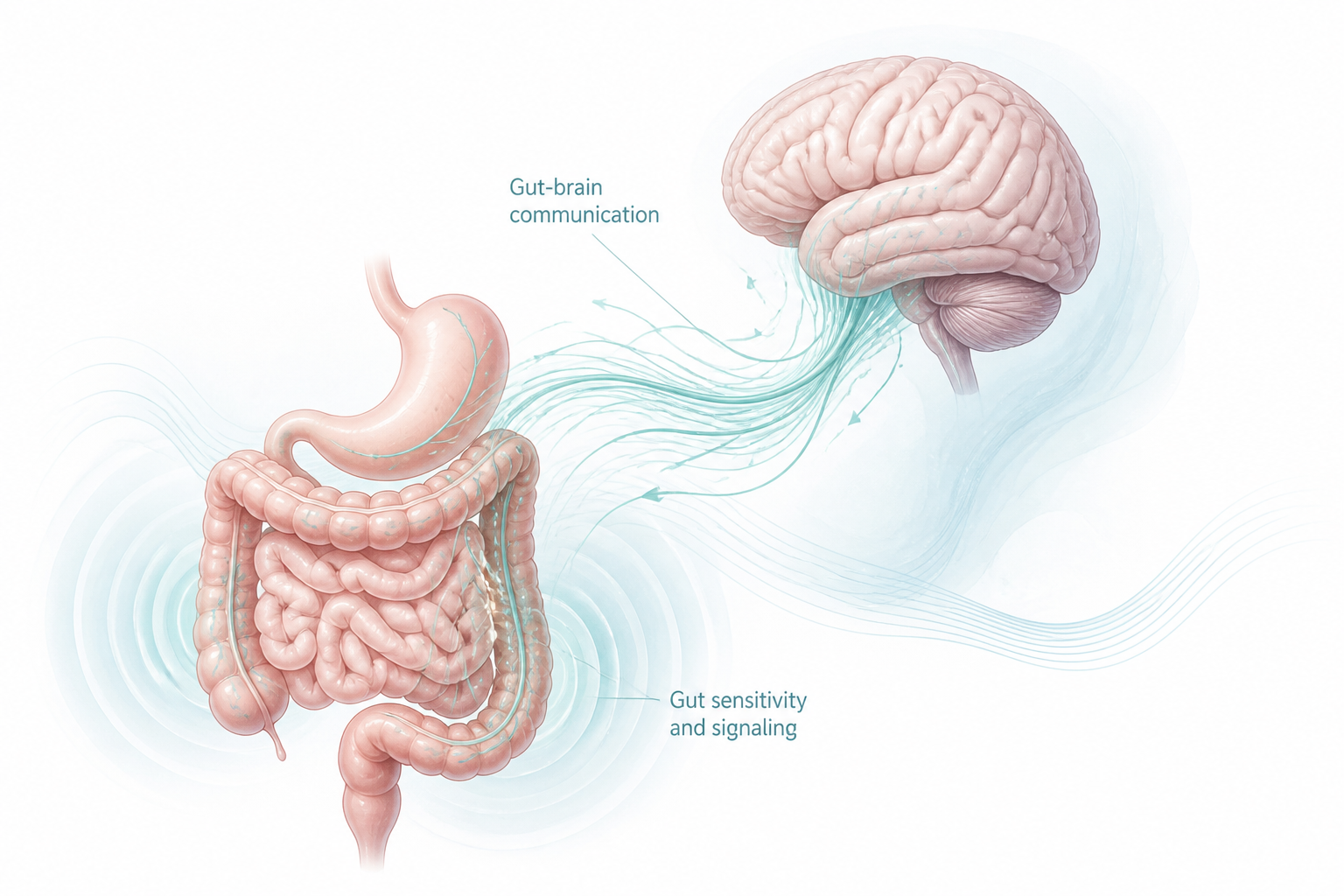
Being told that IBS has no cure can sound like a shrug, especially when no one explains why. The reason is specific and easier to act on than it may seem. IBS is a condition you can often help manage by identifying what raises your symptoms and reducing that overall burden over time.
Rather than one abnormality found in everyone, IBS is defined by a pattern of symptoms, including abdominal pain, bloating, constipation, diarrhea, or changes between bowel habits. There is no single lesion to remove, infection to clear, or deficiency to replace. A permanent treatment needs one clear target, but IBS does not have the same target for every person.
The gut-brain connection adds another part of the explanation. Your digestive tract and brain constantly send signals to each other, while the gut also senses movement, gas, and stretching. The gut-brain connection helps explain why treatments may reduce symptoms without removing them completely for every person (source).
Symptoms can also reflect different combinations of influences:
- Bowel movement speed: Faster or slower movement through the intestines can shape diarrhea, constipation, or urgency.
- Gut sensitivity: Normal stretching from food, gas, or movement may feel painful or unusually intense.
- Food handling: Certain carbohydrates, including fermentable FODMAPS, may worsen symptoms for some people but not others.
- Gut bacteria: Differences in the microbiome may affect digestion and symptoms, although this area remains under study.
- Stress response: Stress can change gut signaling and make symptoms harder to tolerate without meaning that the symptoms are imagined.
That variation explains why a plan that helps one person may do little for someone else. Measured, limited trial and error is more useful than random or extreme changes.
Because IBS usually involves altered sensitivity and signaling rather than visible damage, the practical goal is to raise the symptom threshold. Consistent meals, individualized food changes such as a guided low FODMAP approach, brain-gut strategies, and appropriate medical treatment may make flares less frequent or less intense. Tracking symptoms across several weeks gives you a clearer picture than judging a change after one difficult day.
Research continues on the microbiome, gut-brain therapies, and treatments tailored to IBS subtypes, while this answer reflects current knowledge, not a dismissal of your symptoms. A steady plan focused on fewer and milder flares is more useful than chasing a perfect regimen.
When “No Cure” Is the Wrong Conclusion
The statement that IBS cannot be permanently resolved only applies when the diagnosis is actually IBS. That distinction matters because accepting a lifelong condition may stop you from asking whether another condition better explains your symptoms. IBS can often be managed over time, while similar symptoms may need different care.
Get evaluated before settling into long-term self-management if you have any of these warning signs:
- Rectal bleeding or black, tarry stools
- Unexplained weight loss
- Iron deficiency anemia
- Diarrhea that wakes you from sleep
- Fever
- Unexplained vomiting
- A family history of bowel cancer, celiac disease, or inflammatory bowel disease
- New symptoms that began after age 50
The pattern also matters. IBS symptoms usually fluctuate, with better and worse days. Symptoms that steadily worsen over several months deserve medical attention even when none of the warning signs above are present. A persistent change in trajectory is different from a familiar flare.
If any item applies, arrange an evaluation before relying on an IBS diet or another long-term symptom plan. IBS is diagnosed partly by ruling out other causes, so that step should not be skipped because a webpage described IBS as chronic.
A clinician can decide whether testing or further evaluation fits your history, symptoms, and risk factors. The diagnosis process deserves careful attention before you commit to managing symptoms on your own.
When none of these concerns apply, the rest of this page focuses on practical ways to support steadier symptom control. Small, personalized adjustments are more useful than blaming yourself or following a perfect regimen.
Does the Outlook Differ by IBS Subtype?
No IBS subtype has a permanent cure, and none has a meaningfully better chance of full resolution. IBS is a long-term condition you can help manage, with progress measured by fewer flares, steadier bowel habits, and less disruption to daily life. The subtype mainly affects which symptoms respond first and which strategies may help most.
IBS-C often has the most predictable early progress because stool form may respond to fiber and hydration more consistently than pain does. Bowel regularity can improve while bloating or abdominal pain still requires separate attention, so one improvement does not mean every symptom will change at once.
IBS-D may show quicker early changes after a trigger is reduced or bowel habits are addressed. Urgency can take longer to settle, though, which means progress should not be judged by whether every symptom has disappeared.
IBS-M can be harder to assess because bowel patterns shift between constipation and diarrhea. A difficult phase may look like a relapse if you check at the wrong time, even when your overall baseline is improving.
Subtype is not fixed, either. People can move between IBS-C, IBS-D, and IBS-M, so the label reflects your current pattern rather than a permanent category. A shift does not automatically mean the condition is worsening, though it is a reason to recheck your plan.
Your own baseline gives you a more useful measure of progress than a subtype label:
- Bowel pattern: Note constipation, diarrhea, and changes in stool form over several weeks.
- Symptoms: Track urgency, pain, and bloating alongside bowel changes.
- Daily impact: Record missed activities or disrupted routines.
- Pattern changes: Re-anchor your plan when symptoms shift instead of assuming the entire approach has failed.
Subtype definitions for IBS cover this, while the treatments guide discusses options that may fit each pattern. Reviewing several weeks of symptoms with a qualified healthcare professional can help you decide whether your current plan needs adjustment.
What Actually Improves Long-Term Control

Nothing on this list permanently removes IBS, but each approach can improve the chances of fewer or milder flares. Long-term control usually comes from matching care to your symptoms rather than following a perfect regimen.
Confirm the diagnosis before focusing on self-management. IBS is identified through your symptom pattern while other causes are considered, and the mechanisms behind IBS can help you prepare for that conversation. Symptoms such as rectal bleeding, unexplained weight loss, nighttime diarrhea, or anemia point away from IBS and need evaluation, and symptoms that point away from IBS are set out in full there.
Dietary adjustments should reflect your own pattern, not a generic list of “safe” foods. A food diary may help connect meals with symptoms, while smaller, more frequent meals may be easier for some people to tolerate. The best IBS diet guide covers practical food choices, including the low FODMAP approach. That approach limits fermentable carbohydrates during a time-limited, guided elimination followed by reintroduction, so it isn’t intended as permanent restriction.
Treatment choices depend on whether pain, diarrhea, or constipation causes the most trouble. A clinician can help you discuss options for your dominant symptom instead of treating IBS as one identical condition, as outlined in the treating IBS guide.
The gut-brain connection also affects long-term control, because stress can trigger or intensify symptoms. Cognitive behavioral therapy and gut-directed hypnotherapy are established IBS treatment categories with evidence behind them, not instructions to simply relax, and they may be worth discussing when flares continue.
None of these approaches removes the underlying sensitivity, which is why the answer to “is IBS curable” is no. Together, they are what moves someone from unpredictable flares toward steadier daily life, without extreme elimination diets or self-blame.
How Do You Track Results and Escalate When Needed

Track symptoms for 2 to 4 weeks before changing several things at once. Record daily overall severity from 0 to 10, stool pattern, pain or cramping, bloating, and one likely trigger, such as stress, a meal, or poor sleep. This kind of log shows patterns rather than demanding perfect days.
Improvement looks like lower scores across several days, fewer severe flares, and more predictable bowel movements. Longer stretches of relief matter more than one unusually good day, because digestive sensitivity may persist. The goal is steadier control, not a promise of permanent relief.
Give changes enough time to produce usable information. Allow about 4 weeks to judge a dietary change, 6 to 8 weeks for a multi-part plan, and about a month before reassessing a probiotic. Switching sooner tends to mistake normal IBS variation for a treatment effect.
Your main symptom pattern can guide the next conversation with a clinician:
- Diarrhea or constipation: Ask which options fit your pattern instead of using one approach for every symptom.
- Pain or cramping: Discuss treatments aimed at discomfort and whether your plan needs adjustment.
- Stress-related flares: Consider cognitive behavioral therapy or gut-directed hypnotherapy. These target brain-gut communication and are treatment categories with evidence behind them, not a test of willpower.
During a flare, pause likely triggers for 48 to 72 hours, return to simple tolerated meals, and restart logging. Contact your clinician sooner for worsening symptoms, any red flag, or no positive change by your next review point.
IBS FAQs: Can It Be Permanent or Improve Long-Term?
These questions come up most often once people accept that IBS has no permanent cure and start asking what improvement actually looks like. They cover long-term outlook, triggers, symptoms, and how to tell whether your own plan is working.
1. Can IBS eventually go away permanently?
IBS isn’t considered permanently curable, but it is manageable. Improvement may mean less pain, bloating, and urgency, more predictable bowel patterns, fewer bad days, and faster recovery after flares, even when occasional symptoms remain.
Post-infectious IBS, which follows a stomach infection or severe food poisoning, is the one group with a different outlook. Complete symptom resolution occurs in roughly half of cases within 6 to 8 years, though a large survey found its prognosis was not actually different from other IBS. Both findings are covered in more detail in the trigger question below. Worsening symptoms, or no gradual improvement at all, warrants a clinician’s review.
2. What IBS triggers matter most for you?
For most people, IBS isn’t permanently curable. The practical goal is durable control: fewer bad days, less urgency and bloating, bowel patterns you can plan around, and quicker recovery from flares. Because symptoms and triggers differ widely and can shift over time, learning to identify your own triggers is more useful than following a rigid list.
A meaningful exception is post-infectious IBS, which begins after gastroenteritis or food poisoning. Symptoms often improve gradually, and complete resolution occurs in roughly half of cases within 6 to 8 years (source). Long-term research also found that risk declined over time, with odds ratios falling from 7.6 at 3 months to 3.8 at 36 months (source).
That result needs context. A survey of 7,811 people with IBS found that post-infectious IBS did not have a clearly different prognosis from other IBS (source). An infection may improve the outlook for some people, but it doesn’t mean symptoms will disappear.
Food is only one possible driver. Stress can intensify flares through the gut-brain axis, the two-way communication system between your digestive tract and brain. Practical steps may include regular meals, consistent sleep, breathing exercises, or therapy.
Talk with a clinician if symptoms worsen instead of gradually easing.
3. What are the most common IBS symptoms?
IBS symptoms often come and go, and your pattern may differ from someone else's. Common signs include abdominal pain or cramping, bloating, excess gas, constipation, diarrhea, and mucus in the stool. These changes may reflect an underlying sensitivity of the digestive system, so a flare does not automatically mean your condition is worsening.
Track bowel changes alongside discomfort. Constipation with bloating may fit an IBS-C pattern, while diarrhea with cramping may fit IBS-D. Some people experience both. Note whether pain improves after a bowel movement and how long symptoms last, then share that timeline with a clinician before self-treating ongoing flares.
4. Can you live a long life with IBS?
Yes, you can live a full, long life with IBS. It affects communication between the brain and gut, influencing bowel function and sensitivity, but it isn’t life-threatening, usually doesn’t cause permanent intestinal damage, and doesn’t increase your risk of colorectal cancer or inflammatory bowel disease, including Crohn’s disease or ulcerative colitis.
Food, stress, and sleep changes can trigger flares, so care focuses on managing symptoms and patterns rather than eliminating the condition. New or worsening symptoms still need medical review. Guidance on long-term IBS routines can support steadier days.
5. How do I know my IBS is improving?
IBS improvement is measured over weeks, not by perfect days. Signs include fewer or milder flares, longer stretches with mild or absent symptoms, and more predictable bowel habits. Track urgency, straining, cramps, gas, and bloating, along with whether familiar triggers now cause smaller reactions.
The underlying sensitivity may remain even when control improves, which is why the measure is trend rather than absence. If progress stalls for several weeks or symptoms worsen, check for red flags and review your plan with a clinician instead of pushing through.
This content is for educational purposes only and is not a substitute for personalized medical advice. Digestive symptoms can have many causes, and results vary by person. Consult a qualified healthcare professional for persistent, severe, or worsening symptoms, and before making significant dietary changes.