


Bloating, cramping, constipation, or diarrhea during pregnancy can feel like an IBS flare, but the overlap makes symptom-matching unreliable. Pregnancy can also change a familiar IBS pattern as hormones, stress, food intake, and pressure from the growing uterus affect digestion.
The safest approach is a decision path: check for pregnancy when relevant, compare symptoms with your usual pattern, and contact your maternity or digestive-health professional when symptoms are new, severe, persistent, or worsening. Smaller meals, steady fluids, gradual soluble fiber, and approved gentle movement may help, but medications, supplements, and restrictive diets need individual review.
Seek prompt medical care for bloody or black stools, fever, persistent vomiting, dehydration, unexplained weight loss, vaginal bleeding, leaking fluid, regular painful contractions, or pain you cannot confidently identify as your usual IBS.
IBS and Pregnancy Key Takeaways
- IBS symptoms may improve, remain stable, or worsen during pregnancy.
- Pregnancy tests and clinical assessment are more reliable than symptom matching.
- Smaller meals, steady fluids, and gradual soluble fiber may support digestion.
- Review every medication, supplement, probiotic, and herbal product before use.
- Avoid restrictive diets without guidance from a qualified professional.
- IBS itself isn’t known to cause birth defects or determine delivery method.
- Seek prompt care for severe symptoms, dehydration, bleeding, fever, or possible pregnancy complications.
What Does IBS During Pregnancy Feel Like?

Irritable bowel syndrome (IBS) during pregnancy may feel like recurring abdominal pain or cramping that changes with bowel movements. Other signs can include:
- Bowel changes: Constipation, diarrhea, alternating hard and loose stools, urgency, or a feeling that you haven’t fully emptied your bowels.
- Gas and bloating: Fullness, pressure, visible swelling, or trapped gas.
- Changing discomfort: Symptoms that vary from one day to the next and may feel disruptive during work, sleep, or daily routines.
Pregnancy can affect IBS differently from person to person. Some people remain stable or improve, while others notice more constipation, loose stools, bloating, or cramps. Higher progesterone and estrogen levels can relax gastrointestinal muscles and slow movement through the gut, so irritable bowel syndrome and pregnancy may produce a less predictable pattern, including changes across trimesters.
IBS bloating during pregnancy can occur with cramps and altered bowel habits. As the uterus grows, uterine pressure on intestines may crowd nearby bowel and change how waste moves. Slower passage can add to constipation, while physical pressure may make ordinary digestive sensations feel stronger.
Early pregnancy and IBS share several symptoms, including nausea, gas, bloating, cramping, constipation, and diarrhea. Pregnancy IBS symptoms alone can’t reliably identify the cause. Keep a simple record of pain, bowel changes, meals, and pregnancy timing, then discuss the pattern with your obstetric or digestive-health professional.
Seek prompt medical advice for symptoms that are new, persistent, severe, worsening, or unfamiliar, especially IBS cramping during pregnancy or IBS diarrhea during pregnancy. Guidance on daily IBS management may help with daily planning while you arrange individualized care.
How Can You Tell IBS From Pregnancy Symptoms?
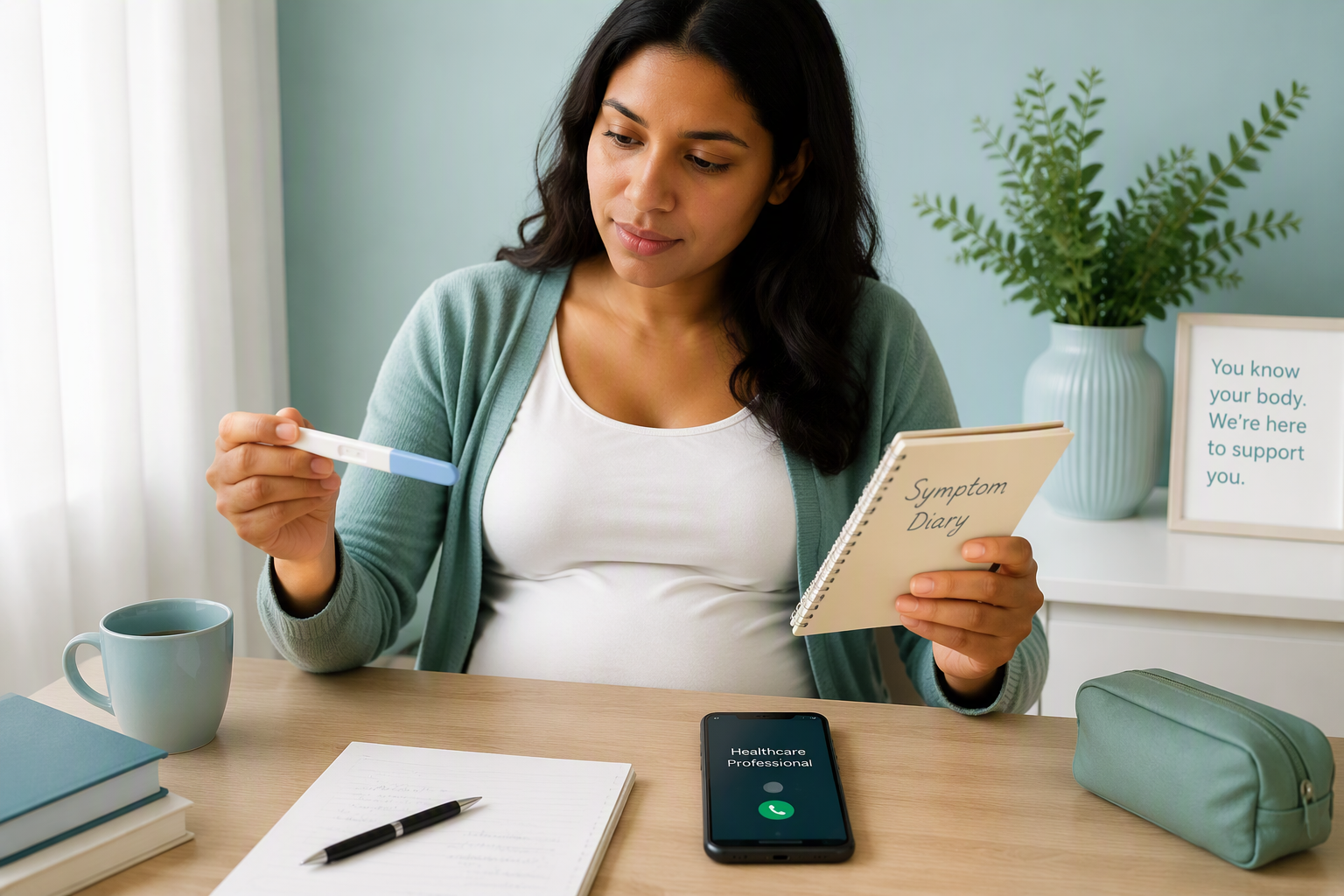
Because IBS and pregnancy symptoms overlap, use testing or clinical assessment rather than symptom matching alone. A pregnancy test and, when needed, a clinician’s assessment are more dependable than self-diagnosing from bloating or nausea.
IBS often follows a familiar pattern. Recurrent abdominal pain may relate to bowel movements, with symptoms returning over months or years. Constipation-predominant, diarrhea-predominant, or alternating symptoms may flare after certain foods, routine changes, or stress. This pattern can suggest IBS, but a new, unusual, or intense episode needs attention.
Early pregnancy and IBS may both cause bloating, gas, cramping, nausea, constipation, diarrhea, and changed bowel habits. Pregnancy IBS symptoms are more concerning when they occur with a missed period, breast tenderness, unusual fatigue, or prominent morning nausea. A negative home test may need repeating if testing was early or your period remains absent.
Hormonal and physical changes during pregnancy may improve, stabilize, or worsen IBS during pregnancy. Constipation, diarrhea, bloating, cramping, and abdominal pain can all change. Through the gut-brain connection, physical or emotional stress may also trigger flares. Gentle movement and calming practices may support comfort, but they can’t confirm or rule out pregnancy.
A practical decision path includes:
- Compare patterns: Note whether symptoms resemble your usual IBS pattern or feel unfamiliar.
- Check for pregnancy: If pregnancy is possible, take a home test at the appropriate time and repeat it if needed.
- Seek medical guidance: Contact an obstetric or digestive-health professional for persistent, severe, worsening, or unfamiliar symptoms.
Digestive symptoms that break your usual pattern should not be dismissed as IBS, especially when pregnancy is possible.
What Pregnancy-Safe Routines Can Ease IBS Symptoms?
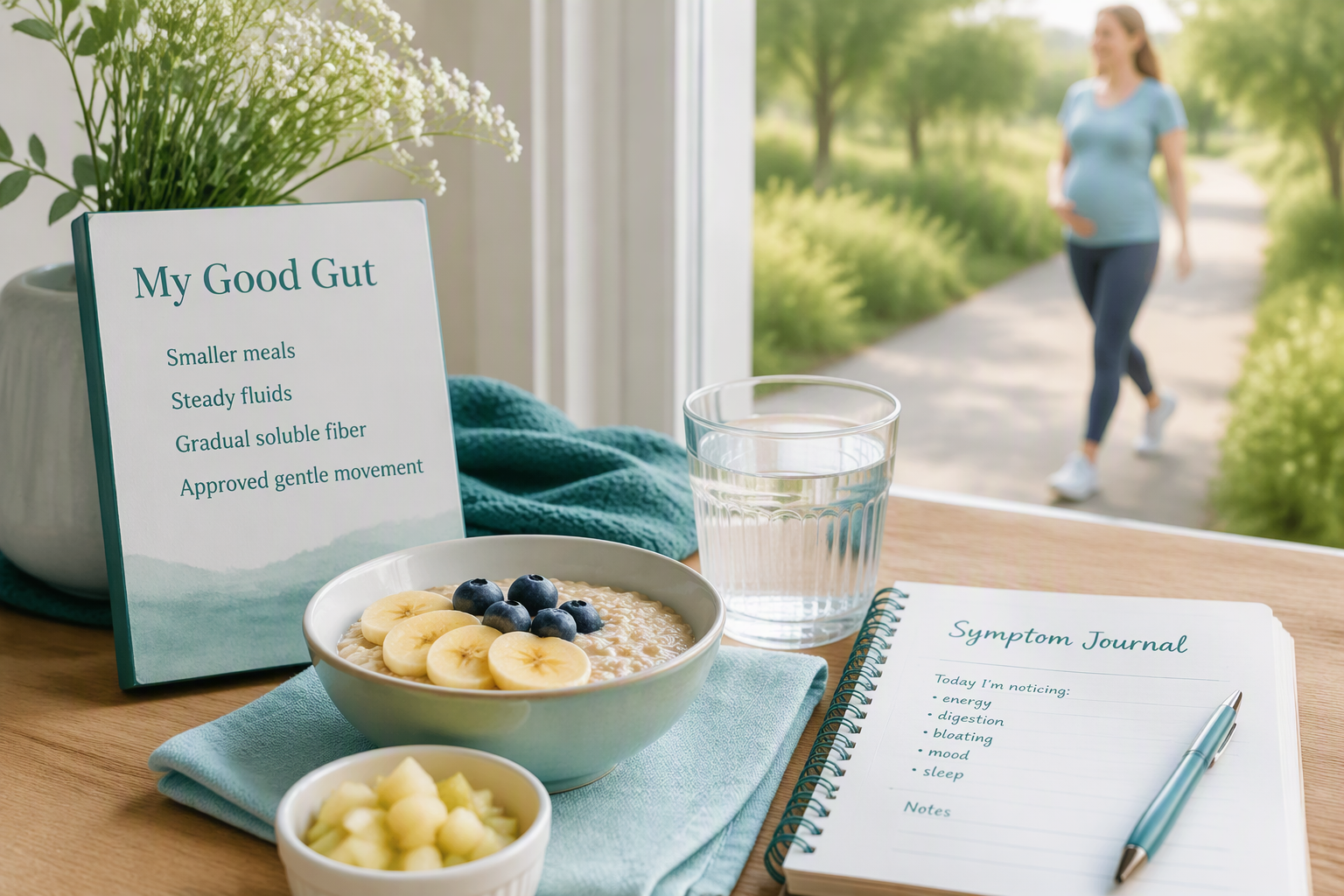
Pregnancy-safe IBS care should match your usual bowel pattern, pregnancy stage, hydration needs, and medical history. A practical routine can include:
- Drink consistently: Sip fluids throughout the day, with extra attention when diarrhea, vomiting, or added fiber increases fluid needs. Contact your maternity team for dizziness, very dark or reduced urine, persistent vomiting or diarrhea, bleeding, fever, or severe pain.
- Add soluble fiber gradually: Oats or another tolerated soluble fiber source may help bowel regularity, while a sudden increase can worsen gas and bloating. If food is not enough, ask your obstetric clinician or pharmacist whether ispaghula/psyllium is appropriate. NHS guidance says ispaghula is commonly used during pregnancy and should be taken with plenty of fluid (source).
- Keep meals smaller and predictable: Eat slowly and record meals, bowel changes, pain, urgency, hydration, and stress. That record can reveal patterns and make choices such as dining out with IBS more manageable without unnecessary restrictions.
- Use approved gentle movement: If your obstetric clinician has not restricted activity, an easy walk or pregnancy-safe stretching may support comfort. See exercising with IBS for ways to adapt activity. The American College of Obstetricians and Gynecologists advises stopping and contacting your ob-gyn for warning signs such as vaginal bleeding, dizziness or fainting, chest pain, regular painful contractions, or fluid leakage (source).
Do not begin a restrictive low-FODMAP diet or remove several food groups during pregnancy without a registered dietitian or clinician. Targeted, supervised changes help protect the energy and nutrients pregnancy requires.
How Should You Approach IBS Medications And Supplements?
Medication and supplement choices during pregnancy need individual review, even when a product is available over the counter or has helped before. Ask your obstetrician, gastroenterologist, or pharmacist to check every prenatal vitamin, fiber product, probiotic, herbal product, and medicine before you start, stop, or change it. Bring the exact product names, ingredients, doses, and timing.
Prenatal iron and calcium and some anti-nausea medicines can worsen constipation or bloating. Ask whether timing, formulation, or another clinically appropriate option could help rather than stopping prenatal support yourself.
For constipation, begin with clinician-approved food, fluid, and activity changes. If those are not enough, bulk-forming fiber such as ispaghula/psyllium may be considered. NHS guidance says it is commonly taken during pregnancy, but you still need instructions for the product, enough fluid, and advice about spacing it from other oral medicines (source). Other laxatives are not interchangeable, so use the type and duration your maternity clinician or pharmacist recommends. Severe pain, vomiting, persistent constipation, or inability to pass stool needs assessment rather than stronger self-treatment.
For diarrhea or cramping, do not self-start loperamide, antispasmodics, or herbal remedies during pregnancy. Safety depends on the medicine, pregnancy stage, other treatments, and whether infection, dehydration, fever, or blood in the stool is present. The UK Teratology Information Service notes that some antispasmodics are occasionally used when needed, but the limited pregnancy data make clinician-led decisions important (source).
“Natural” does not mean pregnancy-safe. Probiotic effects vary by strain, and multi-ingredient blends or peppermint products may not have enough pregnancy-specific evidence. Persistent or worsening symptoms deserve medical guidance rather than trial-and-error treatment.
Can IBS Affect Your Pregnancy Or Baby?
IBS symptoms can be uncomfortable, but IBS is a disorder of gut-brain interaction rather than a condition that directly damages the bowel. Many people with IBS have healthy pregnancies, and a familiar flare does not by itself show that something is wrong with the baby.
The immediate concern is how severe or uncontrolled symptoms affect you. Persistent diarrhea or vomiting can cause dehydration, while significant pain, reduced food intake, poor nutrition, or inadequate weight gain may need prompt care. Contact your maternity or digestive-health team for severe, worsening, persistent, or unusual symptoms, difficulty keeping fluids down, very dark or reduced urine, dizziness, unintended weight change, or difficulty eating enough.
Pregnancy-outcome research is limited. A large UK observational study found modest associations between a recorded IBS diagnosis and miscarriage or ectopic pregnancy, but an observational association cannot show that IBS caused either outcome (source). The practical response is regular prenatal care and prompt assessment of pregnancy warning signs, not assuming that a flare has harmed the pregnancy.
New or intense pain, vaginal bleeding, leaking fluid, regular painful contractions, fever, or symptoms outside your usual IBS pattern should not be written off as IBS.
When Should You Contact A Healthcare Professional?
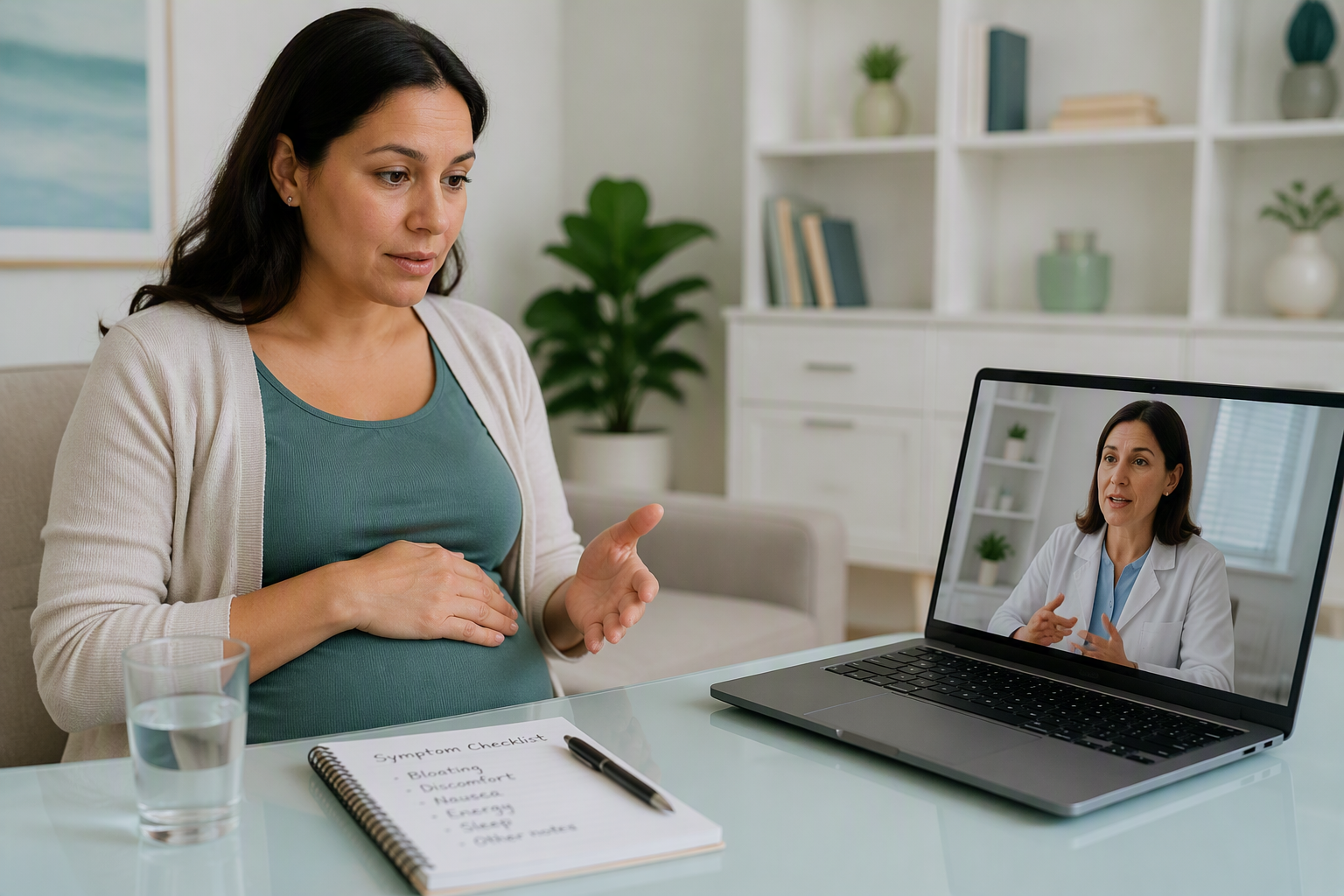
Familiar IBS symptoms may include bloating, gas, constipation, diarrhea, nausea, and cramping. Severe, persistent, or worsening abdominal pain should not be assumed to be IBS, especially when it differs from your usual pattern or disrupts daily activities. Contact your obstetrician, midwife, or another qualified healthcare professional promptly.
Seek prompt medical evaluation during pregnancy for:
- Rectal or bloody stools, black or tarry stools, or unusual stool changes
- Fever
- Persistent vomiting or inability to keep fluids down
- Dehydration, such as very dark urine, dizziness, or unusually little urination
- Unexplained weight loss
Consistent fluid intake supports digestion, particularly with diarrhea, vomiting, or increased fiber intake. Ongoing symptoms may need assessment rather than self-care alone. A symptom record can also make sensitive conversations, including IBS and relationships, more specific.
Some symptoms need immediate maternity guidance rather than an IBS explanation. Vaginal bleeding, regular contractions, pelvic pressure, leaking fluid, or cramping you cannot identify as bowel-related may signal a pregnancy complication. Contact your maternity care team immediately when these occur.
Warning signs: IBS and pregnancy can overlap, so symptom-based self-diagnosis is unreliable. Persistent, severe, or changing symptoms may require assessment of hydration, nutrition, infection, inflammatory bowel disease, or pregnancy-related causes. Use this information only as general context. When symptoms change or you cannot tell whether cramping is digestive or uterine, seek individualized guidance.
How Can You Plan IBS Care Before And After Pregnancy?
Before conception, prepare a concise IBS history for your obstetric clinician and gastroenterologist. Include bowel patterns, pain, bloating, triggers, flare frequency, diagnoses, medicines, supplements, and prenatal plans. That record helps your team make safer treatment decisions during pregnancy and recognize symptoms that need evaluation.
During pregnancy, food and lifestyle choices work best when they are individualized. Smaller, more frequent meals, steady fluids, and a gradual increase in soluble fiber may help, and oats are one gentle source. Nausea, constipation, diarrhea, food restrictions, or changing weight needs may call for a registered dietitian. Follow a low-FODMAP diet only with professional supervision.
Stress can trigger flares through the gut-brain connection, and approved movement or calming practices may help:
- Movement: Try 10- to 15-minute walks, prenatal yoga, swimming, or another activity your clinician has approved for your pregnancy. Regular gentle walking may support both digestion and stress relief.
- Stress support: Deep breathing, mindfulness, or gut-directed hypnotherapy may help when appropriate.
Review every medicine, fiber product, probiotic, prenatal iron or calcium supplement, and herbal product with an obstetric clinician or pharmacist before changing anything. Because pregnancy-specific IBS evidence is limited, severe or difficult-to-control symptoms may benefit from coordination among obstetrics, gastroenterology, and maternal-fetal medicine.
Arrange postpartum follow-up for bowel changes, pain, constipation or diarrhea, hydration, sleep, breastfeeding nutrition, and medicines restarted after delivery. Seek prompt care for dehydration, fever, bleeding, severe or worsening pain, contractions, dizziness, unusual shortness of breath, or possible pregnancy or postpartum complications. A qualified healthcare professional can individualize care as symptoms and nutritional needs change.
IBS During Pregnancy FAQs
These FAQs cover common questions about IBS during pregnancy, including overlapping symptoms, food and daily routine concerns, and when speaking with your obstetrician or another qualified healthcare professional may help guide your next steps.
1. Can Pregnancy Hormones Trigger New IBS Symptoms?
Pregnancy digestion changes vary. Some people improve or notice no difference, while others develop constipation, diarrhea, bloating, cramping, or abdominal pain. Higher estrogen and progesterone relax gastrointestinal muscles and slow pregnancy intestinal movement, which may worsen IBS-C symptoms. Progesterone-related constipation in pregnancy and high progesterone and digestion changes may combine with uterine pressure on intestines. New symptoms aren’t automatically IBS, so discuss persistent, severe, worsening, or unfamiliar symptoms with your obstetric or digestive-health professional.
2. Does IBS Increase The Risk Of Cesarean Delivery?
IBS alone does not determine whether you will have a vaginal or cesarean delivery. Delivery decisions are based on obstetric factors, your overall health, the baby’s health and position, and how labor progresses.
Severe diarrhea or vomiting may require treatment for dehydration or nutrition problems, but that does not automatically mean a cesarean is needed. Share significant symptoms and medication changes with your obstetric professional so they can plan care around your individual pregnancy rather than the IBS label alone.
3. Can You Breastfeed While Managing IBS?
Yes, breastfeeding is usually compatible with managing IBS. Ongoing symptoms, postpartum changes, and treatment decisions are best reviewed with your obstetrician, gastroenterologist, primary care clinician, or pharmacist rather than stopping treatment or breastfeeding without advice. Over-the-counter products, prescription medicines, herbal supplements, and probiotics need individual lactation-safety checks that consider breast-milk exposure, your baby’s age and health, and safer options. Drink fluids consistently, especially with diarrhea or increased fiber, and avoid restrictive diets that reduce energy or nutrients. A registered dietitian can help tailor meals and symptom strategies.
4. Does IBS Change After Childbirth?
IBS may improve, stay similar, or change after childbirth. Constipation, diarrhea, bloating, cramping, and abdominal pain can shift, but research on IBS during pregnancy and postpartum remains limited. Track meaningful changes rather than assuming each symptom is IBS or a normal postpartum change. Seek prompt medical evaluation for severe or worsening pain, bloody or black stools, fever, persistent vomiting, dehydration, inability to keep fluids down, or unexplained weight loss. A qualified obstetric or digestive-health professional can assess unfamiliar symptoms.