


Recurring bloating, gas, reflux, or bowel habits that change from constipation to diarrhea can make an unhealthy microbiome seem like the obvious answer. These symptoms can occur alongside microbiome changes, but they cannot diagnose dysbiosis or show that gut bacteria are the cause. Dysbiosis describes microbial changes that may matter clinically, not a symptom-based condition you can confirm at home.
Commercial stool reports often label bacteria as high or low, yet there are no routine, clinically validated healthy ranges for most individual species. IBS, food intolerance, a recent infection, medication changes, stress, and disrupted sleep can produce similar digestive patterns. A short symptom log using the Bristol Stool Chart can help connect bowel changes with meals, medicines, illness, and daily routines.
Broad food restriction or repeated supplement trials can make eating harder without identifying the trigger. Blood in the stool, black stools, severe pain, persistent vomiting, fever, dehydration, unexplained weight loss, or diarrhea that wakes you at night need prompt medical attention.
Unhealthy Microbiome Signs Key Takeaways
- Bloating, gas, constipation, and diarrhea do not diagnose dysbiosis.
- IBS and food intolerance can cause symptoms often attributed to microbiome imbalance.
- Home microbiome tests cannot reliably diagnose dysbiosis or explain symptoms.
- Track meals, bowel habits, symptoms, medicines, sleep, stress, and recent illness.
- Add tolerated fiber-rich foods gradually instead of following an extreme elimination diet.
- Antibiotics, infections, stress, sleep disruption, and diet can affect gut microbes.
- Persistent, worsening, or disruptive digestive symptoms deserve clinical evaluation.
What Does an Unhealthy Microbiome Mean?
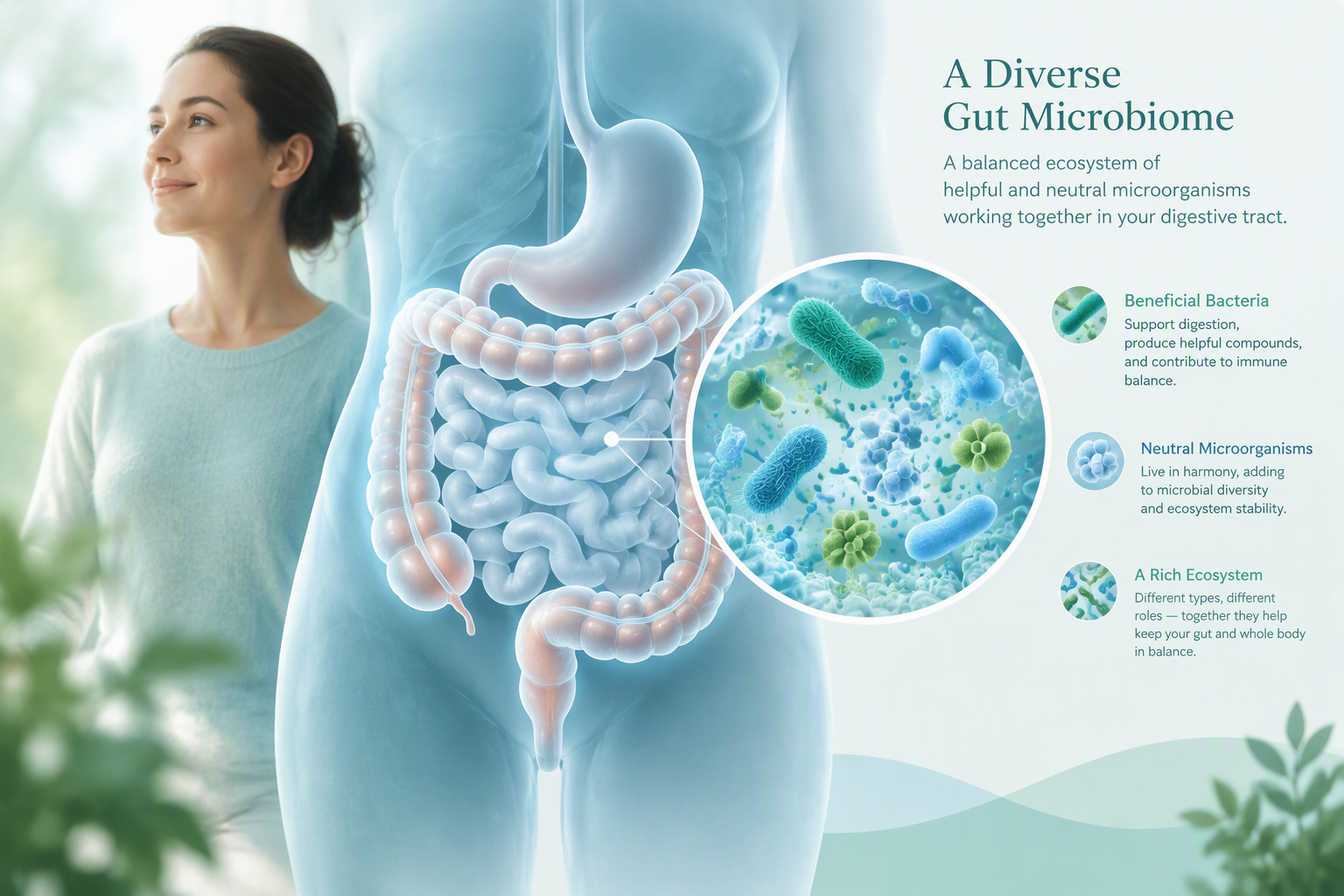
The gut microbiome is your unique digestive-tract ecosystem of trillions of microorganisms. It includes more than 1,000 bacterial species, along with viruses, fungi, and other microbes. Together, these organisms help process parts of food, support immune signaling and metabolism, and communicate with the brain through the gut-brain connection. What a healthy gut microbiome does does not depend on maintaining a perfect balance.
Dysbiosis, also called a microbiome imbalance, is a term researchers and clinicians may use when the microbial community has changed in ways that may matter clinically (source). These patterns can include:
- Lower diversity: Fewer kinds of microbes are present.
- Changed proportions: Certain organisms are more or less common than expected.
- Loss or overgrowth: Microbes viewed as beneficial may decline, while particular organisms increase.
Unbalanced gut bacteria cannot be identified by symptoms alone. Bloating, gas, constipation, diarrhea, abdominal discomfort, and changing food tolerance may be described as signs of an unhealthy microbiome or signs of an unhealthy gut, but they have many possible causes. This matters especially with irritable bowel syndrome (IBS), where symptoms can shift over time without proving dysbiosis.
Symptoms can signal a reason to seek closer evaluation, not a diagnosis. Fatigue, mood or skin changes, and frequent illness are not reliable signs of microbiome imbalance. Serotonin made in the gut contributes to mood and sleep regulation, but it cannot confirm dysbiosis.
Which Digestive Patterns May Be Associated?

Because symptoms alone cannot identify an unbalanced gut microbiome, digestive symptoms of microbiome imbalance can include frequent bloating, visible abdominal distension, excessive gas, abdominal discomfort, indigestion, nausea, heartburn or mild reflux, and irregular bowel habits. Stool changes may include constipation, diarrhea, or alternating diarrhea and constipation. These possible symptoms of dysbiosis are nonspecific, meaning they can also follow a rich meal, a stomach illness, travel, stress, or a disrupted routine.
One difficult day does not establish gut dysbiosis symptoms. Patterns that keep returning, occur together, last for weeks, or lack a clear trigger deserve closer attention. Tracking can help you describe what is happening without turning your notes into a self-diagnosis:
- Note when symptoms start and what was happening around that time, including meals, travel, illness, stress, and medication changes.
- Record where pain occurs, how severe it feels, changes in stool frequency or consistency, and whether symptoms settle between episodes.
- Bring recurring patterns to a clinician, especially when they interfere with daily life or do not improve.
No symptom checklist or single test measures overall gut health. Irritable bowel syndrome (IBS) often includes repeated abdominal pain alongside bowel-habit changes, although symptoms differ from person to person (source). Microbiome differences can occur with IBS, but they do not confirm IBS or explain every flare.
Inflammatory bowel disease (IBD) is an inflammatory condition that needs medical evaluation. Persistent diarrhea, worsening or severe pain, prolonged bowel changes, or symptoms that do not improve may reflect small intestinal bacterial overgrowth (SIBO), Helicobacter pylori infection, Clostridioides difficile infection, or another digestive condition. A clinician can decide whether targeted testing is appropriate for your symptoms.
Can Food Tolerance Changes Signal Other Issues?

Given that digestive patterns are nonspecific, bloating after meals or cramps after a familiar food can be frustrating, but neither symptom confirms a microbiome imbalance on its own. Food intolerance means trouble digesting or reacting to a food without an immune-system response. Lactose intolerance and difficulty absorbing other carbohydrates can cause gas, diarrhea, nausea, and abdominal pain that overlap with IBS symptoms.
A food allergy is different because it involves the immune system. Symptoms may include:
- Hives or itching
- Swelling of the lips, face, or throat
- Wheezing or trouble breathing
- Vomiting
- A severe whole-body reaction
Food intolerances usually cause digestive discomfort, though they can still make meals difficult. Beyond food intolerances, malabsorption, meaning the body does not absorb nutrients as expected, and other gastrointestinal conditions can also affect food tolerance. A repeatable reaction to a particular food deserves clinical evaluation rather than being assigned to one gut-health explanation.
“Leaky gut” is often used to describe altered intestinal-barrier function, also called increased intestinal permeability. This is an active area of research, but food reactions alone cannot diagnose intestinal permeability changes. Avoid cutting out numerous foods based only on symptoms, since broad restriction can make it harder to meet nutrition needs and identify the actual trigger.
When these foods are tolerated, variety supports the microbiome better than trying to change one specific bacterial species:
- Fruits
- Vegetables
- Legumes
- Whole grains
- Nuts
- Seeds
A gradual approach is often easier on a sensitive gut than adding large amounts of fiber all at once.
Can Fatigue, Mood, or Skin Changes Be Related?
Persistent fatigue, low energy levels, waking unrefreshed, and disrupted sleep can occur alongside digestive symptoms, but none is a specific sign of dysbiosis. The microbiome interacts with the nervous, immune, and endocrine systems, yet other common causes include:
- Sleep loss, anemia, or thyroid conditions.
- Medications, stress, or infection.
Persistent fatigue that continues deserves a broader clinical evaluation.
The gut-brain axis is a two-way network linking the digestive tract and brain through nerves, immune signals, and microbial byproducts. Research is examining effects on neurotransmitters, including gut serotonin.
Possible overlaps include:
- Thinking: Brain fog, poor focus, or memory lapses.
- Mood: Anxiety, low mood, or mood swings.
These symptoms may coexist with bowel changes, especially when discomfort disrupts sleep or meals, but the overlap does not prove a gut cause or replace medical or mental-health care.
Sweet cravings may accompany appetite changes, poor sleep, stress, blood-sugar patterns, food intolerance, or digestive discomfort. Claims that cravings identify sugar-feeding microbes or fungi go beyond what cravings can show. Persistent appetite changes, unintentional weight changes, or other concerning symptoms warrant clinical attention rather than self-diagnosis.
The gut-skin axis reflects research into possible links among the microbiome, immune activity, inflammation, and skin health. Skin concerns that may occur alongside digestive symptoms include:
- Acne or eczema, also called atopic dermatitis.
- Rosacea or psoriasis.
- Nonspecific rashes.
Products, allergies, hormones, medications, and primary skin conditions are often more direct explanations. Seek prompt care for skin changes that are:
- Severe, painful, or spreading.
- Oozing, crusted, or infected.
- Persistent despite avoiding a new product or irritant.
Tracking meals, sleep, bowel symptoms, skin changes, and stress can make a clinical conversation more specific.
What Can Shift Your Gut Microbiome?

Daily habits, illnesses, and medicines can all shift the gut microbiome, but none of them alone proves dysbiosis or explains every digestive symptom. Patterns over time usually matter more than a single meal, stressful week, or medication course.
A diet that includes many plant foods and fiber types can support a varied microbial community and microbial diversity. By contrast, consistently low fiber intake alongside ultra-processed foods, added sugars, saturated fat, or artificial sweeteners may be linked with less favorable changes. If you have IBS, however, even nutritious high-fiber foods can increase gas or pain, so your own tolerance matters.
Medicines and infections may also affect the gut environment:
- Antibiotics: These drugs affect bacteria beyond the germ causing an infection. What antibiotics do to gut bacteria can help explain temporary changes in bowel habits during or after treatment.
- Other medicines: Nonsteroidal anti-inflammatory drugs, including ibuprofen, and proton pump inhibitors, which reduce stomach acid, may influence gut bacteria in some people.
- Stomach or intestinal infections: Bowel changes can persist after an infection, but bloating, diarrhea, or constipation afterward does not by itself identify a microbiome problem.
The gut-brain axis may also shape digestive responses to stress and sleep disruption. Stress, disrupted routines, and irregular or poor-quality sleep may affect digestion and are associated with microbiome changes. Pain or urgent bowel movements can also disturb sleep, creating a difficult cycle.
Heavy alcohol use, smoking or tobacco smoke, low physical activity, and exposure to pollutants or toxins may add to these influences over time. These factors are possible contributors, not a reason to blame yourself.
Persistent, worsening, or concerning changes deserve a fuller conversation with a clinician. Bring context about recent illness, medication use, major food changes, stress, and sleep disruption.
Imbalanced gut microbiome symptoms are also claimed for migraines, mood disorders, and autoimmune conditions such as rheumatoid arthritis, type 1 diabetes, and multiple sclerosis. Associations exist in research, but none of these has a validated gut marker, and inflammatory bowel disease (Crohn's disease and ulcerative colitis) is diagnosed by scope and biopsy, not by a microbiome test.
How Can You Support Digestion Gently?
With those possible influences in mind, gentle, steady changes can support digestion better than a dramatic reset. Instead of trying to increase or remove a single gut bacterium, build variety with fiber-rich foods you tolerate, including vegetables, fruits, legumes, whole grains, nuts, and seeds. A varied, minimally processed eating pattern is usually more workable than a restrictive "perfect gut" diet.
With bloating, gas, or changing bowel habits, introduce one food or meal change at a time. Begin with a smaller portion, then adjust based on how you feel before adding something else. If psyllium consistently worsens gas, methylcellulose, a non-fermenting fiber may be easier to tolerate because it does not ferment in the same way.
Practical food changes may include:
- Build fiber slowly: Add fruit at breakfast, beans to a familiar meal, or a small serving of nuts or seeds.
- Choose less processed foods when practical: Low fiber intake and frequent ultra-processed foods, added sugars, and artificial sweeteners may not sit well for some people, but they do not prove a microbiome imbalance is causing symptoms.
- Keep meals realistic: Simple, familiar foods often work better than an extreme elimination plan that makes family meals stressful.
Fermented foods are optional. Small servings of tolerated fermented foods such as yogurt, kefir, kimchi, sauerkraut, tempeh, miso, or kombucha may be a reasonable way to add variety to the diet if they sit well (source). Stop if a fermented food repeatedly brings on bloating, reflux, pain, or diarrhea.
Daily routines can also help:
- Drink fluids regularly and include gentle movement, such as walking.
- Aim for consistent, restorative sleep and manageable stress-relief practices.
- Limit excess alcohol if it aggravates symptoms.
Stress and poor sleep can affect the gut environment, but neither explains the cause of recurring symptoms on its own. A so-called gentle reset and a generic probiotic cannot reliably restore everyone's microbiome. If you try a probiotic, look beyond colony-forming-unit counts for a label that names the genus, species, and strain linked to the symptom you hope to help manage. Persistent or worsening symptoms warrant a clinician conversation rather than ongoing self-treatment.
Signs your gut is healing are undramatic: fewer urgent trips, less bloating after meals you used to tolerate, and steadier energy. Dietary changes for gut health and lifestyle adjustments such as sleep and movement work slowly, and a registered dietitian is the right person to ask when symptoms keep returning.
How Can You Track Symptoms and Triggers?
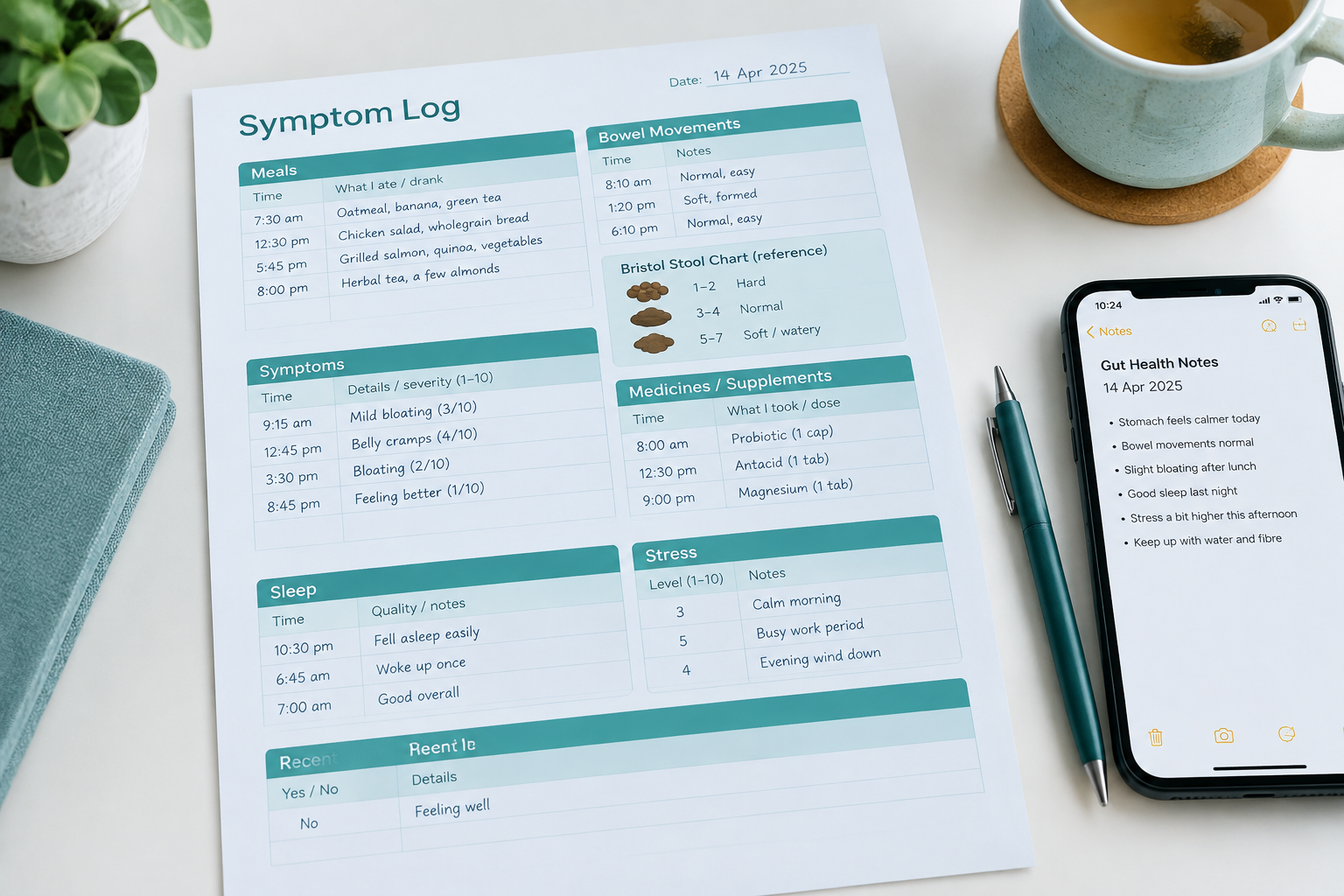
A short, dated log can turn a vague complaint into useful information for a clinician. Dysbiosis requires clinical context beyond symptoms alone. Frequent bloating, constipation, chronic diarrhea, or alternating diarrhea and constipation can occur with IBS, IBD, and many other conditions (source).
Keep entries brief and consistent over several weeks:
- Meals and drinks: Note the time, notable ingredients, portion size, alcohol, and anything unusual for you.
- Bowel movements: Record the time, urgency, and appearance with the Bristol Stool Chart, which groups stool by form (source). Keep constipation and diarrhea in separate entries.
- Symptoms: Track pain, gas, bloating, nausea, reflux, and fatigue, including onset and severity.
- Context: Include new, missed, or changed medications and supplements, illness, travel, sleep quality, unusually stressful days, and menstrual-cycle changes when relevant.
- Weight changes: Note unintended weight gain or loss for a clinical conversation. Gut microbes may relate to energy use and fat storage, but weight change does not prove they are the cause.
A pre-printed paper journal, printable log, or notes app can all work. Recording the same basics most days matters more than making every entry perfect.
After several weeks, review repeated timing patterns tied to a food, medication change, poor sleep, or stress. A single episode is an observation, not proof that a food, IBS, IBD, or microbiome change is responsible. Worsening, unexplained, or persistent symptoms give you clear questions to bring to a clinician.
Why Cannot Home Tests Diagnose Dysbiosis?

Even with a symptom log, home microbiome tests and symptom checklists cannot diagnose dysbiosis. Dysbiosis and microbiome imbalance require clinical context beyond symptoms, and although bloating, gas, constipation, diarrhea, reflux, and changing food tolerance can be upsetting, no symptom pattern proves that your microbiome is unhealthy.
The same symptoms can stem from diet changes, a stomach infection, stress, medicines, menstrual-cycle changes, or digestive conditions such as IBS. Symptoms can help identify patterns worth discussing, but they cannot pinpoint a microbiome problem by themselves.
Commercial stool reports may appear precise, yet routine, clinically validated healthy reference ranges do not exist for most individual bacterial species. A result marked high, low, or missing therefore cannot reliably establish disease, explain symptoms, or identify treatment. Microbiome composition also differs widely from person to person and changes over time, so a single stool sample offers limited context.
There is no one test for overall gut health or dysbiosis. When a specific condition is suspected, a clinician may use stool, blood, urine, breath, imaging, or other tests. Results carry more meaning alongside your symptoms, eating pattern, medicines, medical history, and physical exam.
Home quizzes and test recommendations can still help you prepare for an appointment. Use them to track patterns, not to justify a restrictive diet, supplement routine, or self-treatment:
- Timing: Note when symptoms start, how long they last, and whether they wake you from sleep.
- Meals: Record foods, drinks, portion changes, and skipped meals before symptoms.
- Bowel changes: Include frequency, urgency, stool consistency, and pain with bowel movements.
- Other factors: Add new medicines, illness, stress, sleep disruption, and menstrual timing.
Persistent, worsening, or concerning symptoms need clinical evaluation so testing can focus on the most likely cause.
When Should You Discuss Symptoms With a Clinician?
A clinician should hear about digestive symptoms that keep coming back, worsen, or disrupt eating, sleep, work, travel, or daily routines. Bloating, bowel changes, persistent fatigue, skin changes, low mood, and apparent food reactions can have many causes. They cannot confirm dysbiosis or prove that the microbiome is responsible.
Prompt medical attention is important for:
- Severe or escalating abdominal pain
- Blood in the stool or black stools
- Persistent vomiting, fever, or signs of dehydration
- Unexplained weight loss
- Diarrhea that repeatedly wakes you at night
- Frequent infections or feeling unusually run-down along with other concerning symptoms
The gut supports digestion and communicates with the immune, metabolic, and nervous systems. It also produces serotonin, a chemical messenger involved in sleep and mood. These connections can help explain why digestive symptoms may occur alongside sleep, mood, or skin changes. The gut-skin axis describes a possible link between digestive and skin health, but it does not establish cause and effect for one person.
A simple record can make the conversation more useful:
- Notice whether a symptom was isolated or has become a recurring pattern.
- Track its timing, bowel habits, meals, medicines, recent illness, stress, sleep, and menstrual-cycle changes when relevant.
- Make only gentle food or routine changes that do not create unnecessary restriction.
- Share the pattern with a clinician if symptoms continue or interfere with daily life.
A primary-care clinician can review your history, medicines, and warning signs, then decide whether testing or referral fits. For infection, inflammatory bowel disease, food intolerance, or IBS, a gastroenterologist can provide assessment. To adjust meals without cutting out broad food groups unnecessarily, a registered dietitian can help.
Commercial microbiome tests cannot independently confirm dysbiosis or replace condition-specific evaluation. A clear symptom record gives care decisions a stronger starting point than a symptom checklist alone.
Signs of an Unhealthy Microbiome FAQs
These FAQs address common concerns about signs of an unhealthy microbiome, including which symptoms may be associated with microbiome changes and why symptoms alone cannot confirm a condition.
1. Can Bad Breath Indicate Microbiome Imbalance?
Bad breath can sometimes accompany changes in oral bacteria or digestive symptoms, but it cannot diagnose dysbiosis, also called microbiome imbalance. Persistent odor is more often related to plaque, gum disease, tooth decay, dry mouth, or tongue coating. Indigestion, heartburn, and mild acid reflux may contribute, while bloating, gas, constipation, diarrhea, and stool changes remain nonspecific. Seek dental evaluation for ongoing breath changes and medical care when digestive symptoms persist or worsen.
2. Can Frequent Infections Relate to Microbiome Health?
Frequent infections may relate to the gut-immune connection, but they do not prove an unhealthy microbiome or dysbiosis. Gut microbes communicate with immune cells, many of which are associated with the digestive tract. Exposure to viruses, sleep, stress, nutrition, medications, and underlying conditions also affect infection risk.
Recurrent, severe, unusual, or slow-to-clear infections warrant a clinician’s evaluation rather than self-diagnosis or supplements alone.
3. How Long Do Microbiome Changes Last?
There is no proven universal timeline or guaranteed reset for microbiome changes. Microbial diversity may change briefly or for longer after a diet shift, stomach infection, other illness, or medication exposure. Frequent or recent antibiotics, NSAIDS, and PPIS can affect the microbiome differently depending on their type, dose, and use. Stress, poor sleep, heavy alcohol use, and environmental exposures also matter. Gradual, individualized support is more realistic than a 7-day gentle reset.
4. Can Probiotics Cause Temporary Discomfort?
Yes. Starting a probiotic can temporarily cause gas, bloating, or changes in bowel habits, especially when the formula includes fermentable ingredients like inulin or chicory root. Symptoms do not prove an unhealthy microbiome or show that the product is helping. Check the exact strain, dose, and full formulation, since probiotics vary widely. Yogurt, kefir, kombucha, and kimchi may support the microbiome when tolerated. Persistent or worsening discomfort warrants a clinician’s review.
5. Does Fasting Reset Your Gut Microbiome?
Fasting is not a proven way to reset your gut microbiome, and a short fast cannot reliably explain or resolve bloating or changing bowel habits. Microbiome responses to restrictive eating vary. A steadier approach is to add fiber-containing vegetables, fruits, legumes, whole grains, nuts, and seeds as tolerated, while limiting patterns low in fiber and high in ultra-processed foods, added sugars, or artificial sweeteners. Persistent symptoms may need individualized guidance rather than another restrictive protocol.