


A diverse microbiome does not come from a single "good" bacterium, a cleanse, or an expensive test. Microbiome diversity means having a varied, balanced community of gut microbes, and food variety can support it over time. For many people, the most practical place to start is adding tolerated plant foods gradually instead of cutting out more foods.
Claims about high-strain probiotics and exact microbiome scores can distract from the habits that matter most day to day. The 30-plants-a-week research supports using different fruits, vegetables, beans, whole grains, nuts, seeds, herbs, and spices as a flexible prompt, not a pass-fail target. Small portions, one change at a time, and attention to IBS symptoms can make fiber and fermented foods easier to manage.
Microbiome Diversity Key Takeaways
- Greater microbial variety is associated with resilience, but it is not a personal health score.
- Rotating plant foods can provide different fibers that support varied microbial functions.
- Increase fiber gradually and drink fluids to reduce the chance of gas and bloating.
- Fermented foods may temporarily affect gut microbes, though tolerance varies by food and person.
- Stool diversity results cannot diagnose digestive health or identify a single food solution.
- Antibiotics can temporarily reduce microbial richness while remaining important treatments when needed.
- Persistent bowel changes, blood in stool, or unexplained weight loss need medical evaluation.
Why Diversity Is the Microbiome's Best Marker
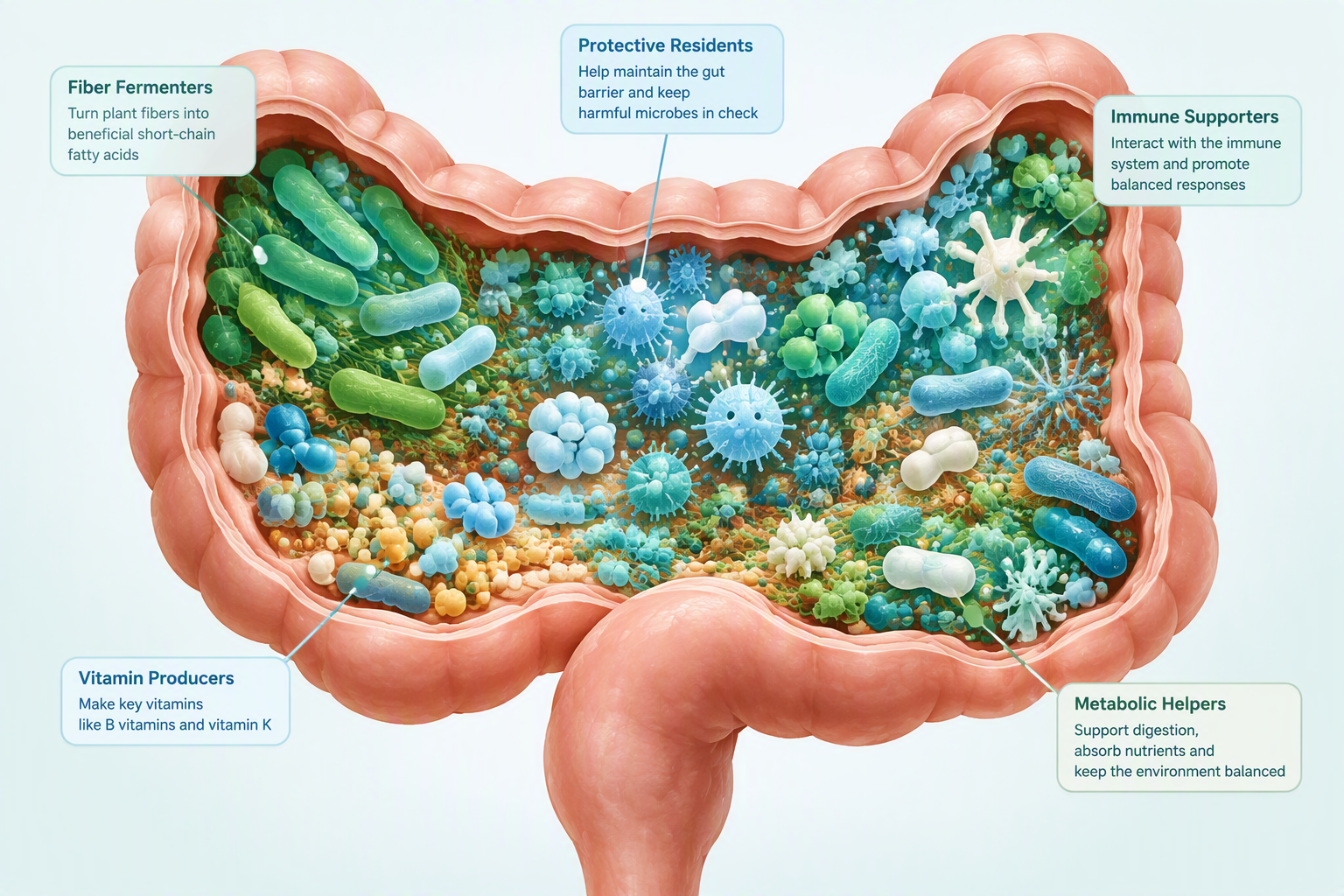
Microbiome diversity is a useful sign of a broad, balanced intestinal community, not proof that you have or lack a single “good” germ. Microbes live on and throughout your body, with their largest concentration in the intestines, especially the large intestine.
The gut microbiome as a whole interacts with both your food and your body every day. Bloating, constipation, or diarrhea can be disruptive, but these symptoms alone do not mean the ecosystem is broken.
Microbiota and microbiome are closely related terms with different meanings. Microbiota refers to the microorganisms themselves, while the microbiome includes those organisms, their shared genes, and the functions those genes make possible. The community includes:
- Bacteria, often called gut bacteria
- Fungi
- Viruses
- Archaea
- Other microscopic life
A diverse gut microbiome may contain different mixes of organisms that carry out similar useful jobs, including processing food components that human digestive enzymes cannot break down. This functional diversity matters alongside species names, so a single organism, a high strain count, or a microbiome test result is not a stand-alone verdict on digestive health.
Restrictive food changes based only on one test result can make meals harder without addressing the symptoms affecting you. Instead, a supportive gut microbiome diversity goal is a resilient community with useful functions that can adjust to ordinary shifts in meals and routines.
Diversity includes richness, meaning the number of distinct species, and evenness, meaning whether a few species dominate the community. Both help describe microbiome diversity more clearly than the amount of any one “star” species.
What Does Microbiome Diversity Mean?
More specifically, gut microbiome diversity considers the variety and balance of this intestinal community. The community also includes archaea, single-celled microbes different from bacteria. A diverse gut microbiome also reflects how these groups coexist.
Two parts shape microbiome diversity:
- Microbial richness: The number of different microbial types in a stool sample, which researchers report as alpha diversity (within one person) and beta diversity (differences between people). Microbiome sequencing of stool is how these microbiome diversity metrics are measured, and they remain research tools rather than clinical biomarkers. Like a neighborhood with many kinds of residents, microbial community richness and microbial species diversity reflect how much variety is present.
- Microbial evenness: How fairly those types are represented. A sample can contain many types but have lower microbial evenness when only a few make up most of the community.
Bacteroides and Prevotella are neutral examples of groups that vary widely among people. Neither group alone earns a healthy or unhealthy label.
Several broad bacterial groups commonly appear in the gut:
- Firmicutes and Bacteroidetes: Often among the most abundant groups.
- Proteobacteria, Actinobacteria, and Verrucomicrobia: Other groups that may be present in differing amounts.
Differences among the many species within these groups also matter, so broad group names cannot define the health of your gut.
Alpha diversity is a research measure of richness and balance within one stool sample from one person at one time. Researchers may use an observed-feature count, but a result is not a diagnosis, personal health grade, or reason to pursue microbiome testing. A PubMed-indexed review notes that microbial identity and function matter alongside community membership (source).
Beta diversity compares microbial communities between people, groups, or repeated samples. Different combinations of microbes can perform similar helpful metabolic roles, which is why a lab-style diversity result cannot tell the whole story.
Why Does Gut Diversity Matter?
Beyond measuring that range and balance, a wider range of microbes and microbial functions is generally associated with better gut health and greater resilience to disturbance (source). Like a community with backup skills, a diverse ecosystem may keep working after a short illness, infection, medication exposure, diet change, or loss of one species. That is why gut diversity matters, but it is not a standalone health score.
The diet and gut microbiome affect each other because different microbes ferment different complex carbohydrates and fibers that your body cannot fully digest. Although a poor diet and microbiome pattern can occur together, no single food or "good" bacterium can transform digestive health, while eating a range of plant foods gives microbes more types of fuel and may support varied jobs over time.
Fiber fermentation produces short-chain fatty acids, including butyrate. These compounds fuel cells lining the colon, support the intestinal barrier, and take part in inflammation, metabolism, and immune signaling. They do not bring immediate relief from bloating or bowel changes, and a sudden fiber increase can cause more gas.
Gut diversity has connections beyond digestion:
- Immune system regulation: Gut microbes and immune cells communicate continuously. A balanced ecosystem may make it harder for harmful microbes to gain a foothold, though sleep, stress, medications, infections, genetics, diet, and health conditions also shape the response. Gut microbes and immune training explains this relationship.
- Metabolic and brain-gut signaling: Diversity is associated with energy use, insulin sensitivity, and communication between the gut and brain. Stress, mood, and digestive symptoms can influence these pathways in both directions, so low diversity alone cannot explain bloating, diarrhea, constipation, or low mood.
- Inflammatory conditions: Lower diversity is often observed in inflammatory bowel disease, including Crohn's disease and ulcerative colitis, along with other chronic conditions. These links do not prove cause and effect because inflammation, treatment, infection, and dietary changes can also alter the microbiome.
Persistent bowel changes, blood in stool, or unexplained weight loss deserve healthcare support. What an unbalanced microbiome looks like can help place symptoms in a broader context.
What Can Lower Gut Diversity?
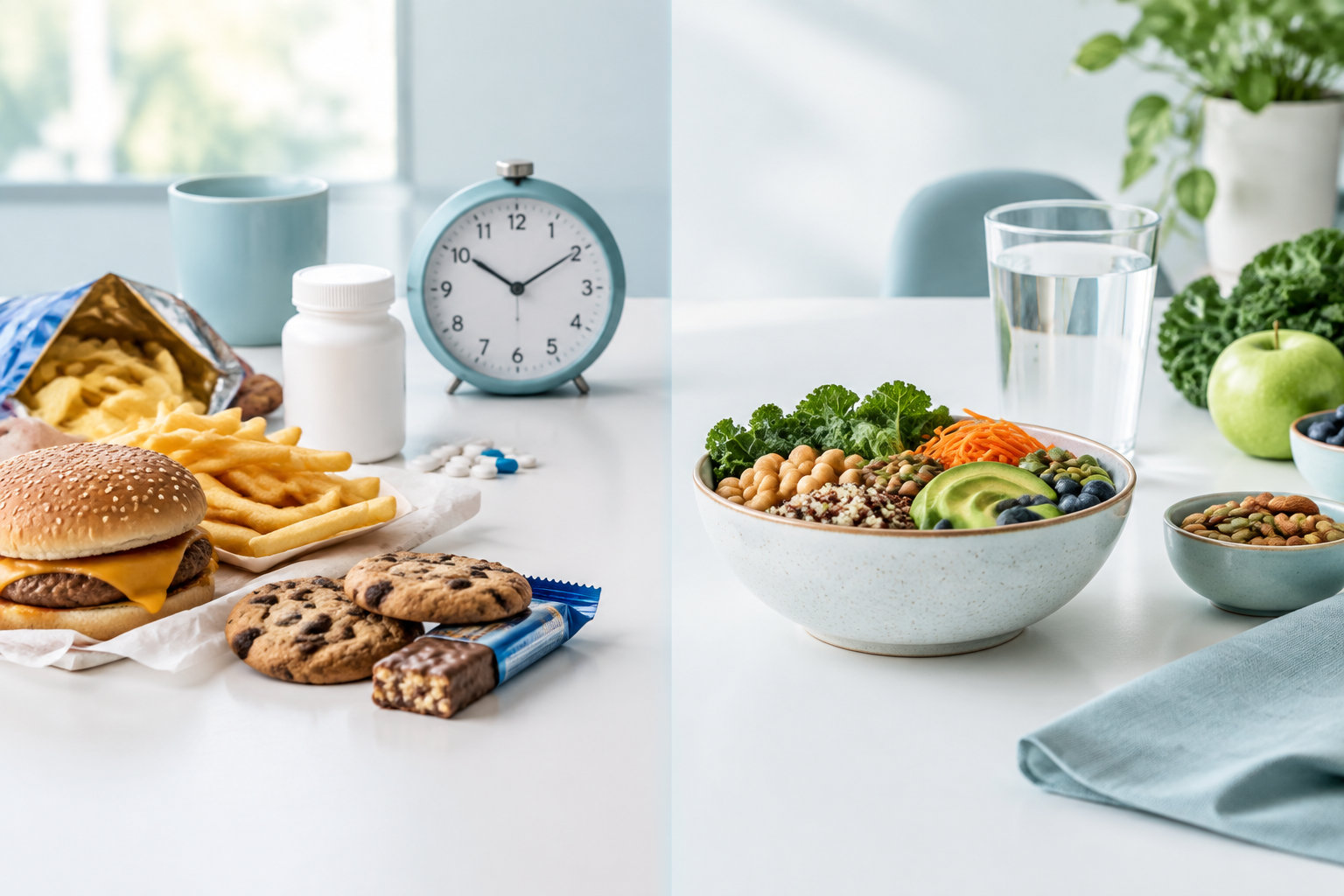
Despite diversity's potential benefits, food choices can affect microbial diversity, but they are only one part of the picture. A low-fiber eating pattern gives microbes less material to ferment into short-chain fatty acids (SCFAs), which help feed gut lining cells. Antibiotics, non-steroidal anti-inflammatory drugs, acid suppressants, a disrupted circadian rhythm, and systemic inflammation can also lower diversity, and a persistently low, unbalanced state is what researchers call gut dysbiosis. Refined grains, added sugars, and ultra-processed foods are linked with less varied microbial profiles, while artificial sweeteners and some emulsifiers may also affect microbial balance, the mucus layer, and inflammation signaling.
Plant diversity can support healthy gut bacteria without requiring a perfect diet. Add minimally processed plant foods gradually and in portions you tolerate, especially if larger servings worsen bloating or pain. This approach may support microbiome resilience while keeping meals flexible.
Antibiotics can temporarily reduce microbial richness because they remove beneficial bacteria along with infection-causing bacteria. They remain important, sometimes life-saving treatments when medically needed. Ask whether an antibiotic is necessary, take it exactly as prescribed, and consider microbiome recovery after antibiotics.
Medications and gut bacteria can also interact over time. Frequent or prolonged use of NSAIDs, including ibuprofen and naproxen, and acid-suppressing medicines may alter the gut environment. Discuss ongoing use, dose, and alternatives with your clinician rather than stopping a needed medicine abruptly.
Lifestyle pressures can affect digestion even when your diet and gut microbiome habits are broadly supportive:
- Chronic stress: The brain-gut connection can change bowel function and symptoms.
- Irregular sleep: Consistent sleep and wake times may help, particularly when shift work disrupts your body clock.
- Low activity: Gentle, regular movement can be easier to maintain during a flare than intense exercise.
Your microbiome is also shaped by genetics, age, hormones, bowel transit time, geography, nutrient access, stool moisture, and gut pH. Urbanized environments can bring low-fiber diets, antimicrobial exposure, air pollution, and chlorinated water, but a different microbial profile is not automatically unhealthy.
Birth mode, breastfeeding, childhood antibiotics, and contact with pets or farm settings help establish an early starting pattern. Adults do not need to recreate those exposures. Current, manageable habits that support digestion matter more than trying to copy the past.
How Can Food Support Gut Diversity?
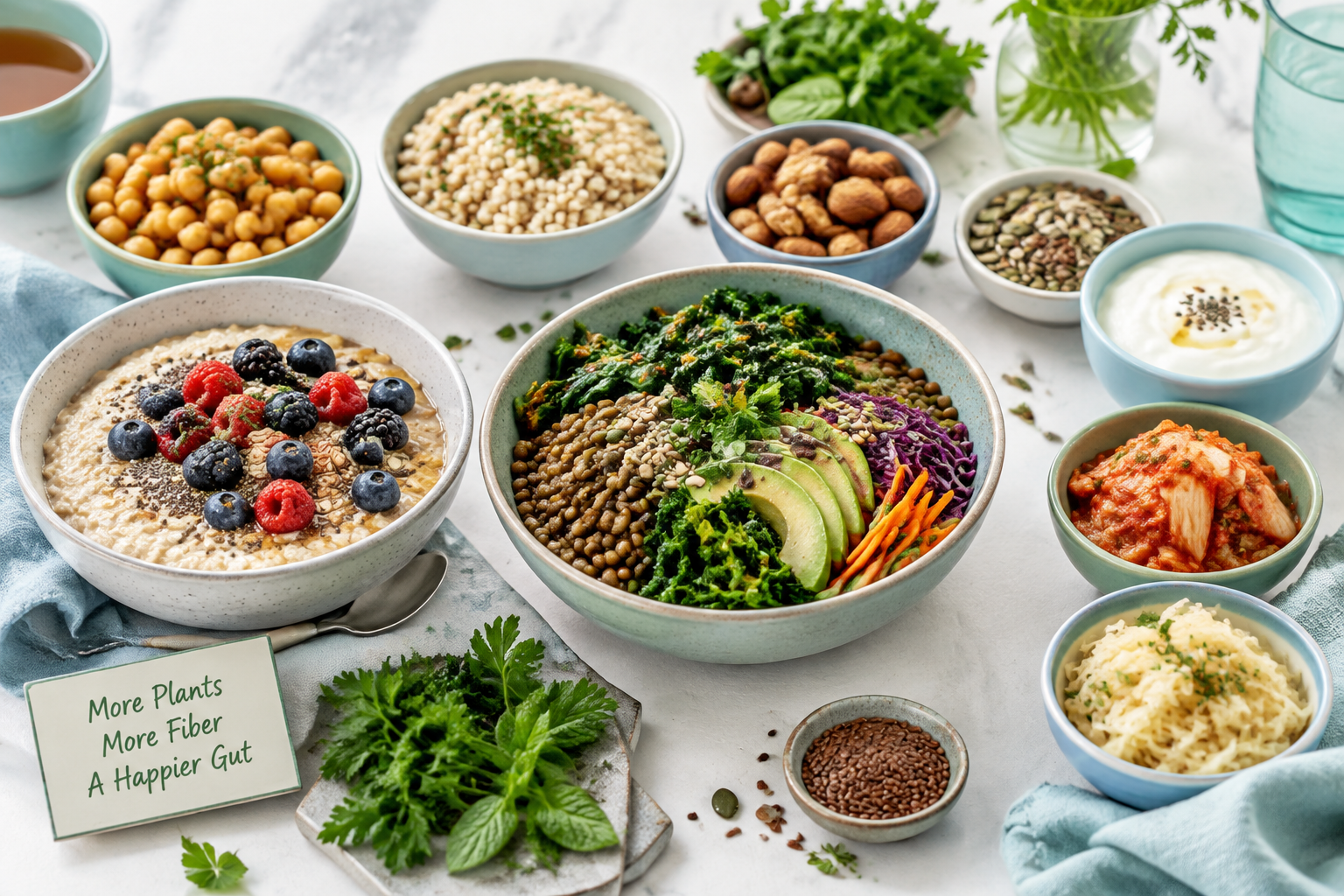
Because food is one modifiable influence, plant diversity is a practical answer to how to increase gut bacteria diversity. Different fibers and natural plant compounds such as polyphenols support different microbial groups, so 30 plants a week can serve as a flexible reminder to rotate foods rather than a daily score to chase (source)).
Fiber that reaches the colon can be fermented by gut microbes into short-chain fatty acids. These compounds may also affect immune activity, blood sugar, and cholesterol regulation. MedlinePlus recommends 22 to 34 grams of fiber a day for adults, depending on age and sex. Increase fiber gradually, drink enough fluids, and pay attention to bloating, cramping, or changes in stool before adding more.
Simple meal changes can add plant diversity across the week:
- Breakfast: Pair oats or barley with berries, apples, chia, or ground flax.
- Lunch and dinner: Add lentils to soup, chickpeas to salads or tray bakes, beans to tacos, or barley to grain bowls. Rinsing canned beans may make them easier to tolerate.
- Snacks and flavor: Use olive oil with vegetables or beans, have green tea with a snack, and rotate berries with small portions of high-cocoa dark chocolate.
Onions, garlic, leeks, asparagus, broccoli, and slightly underripe bananas also contain prebiotic fibers that feed certain gut microbes. With IBS or frequent bloating, smaller portions, cooked vegetables, and one new higher-fiber food at a time can make changes more manageable.
Fermented foods can add live microbes or fermentation products that may temporarily change the gut ecosystem (source). Live-culture yogurt, kefir, kimchi, sauerkraut, kombucha, miso, and tempeh are options, though spicy, acidic, fizzy, dairy-based, or salty foods may worsen symptoms for some people. Start with a small serving of one food you tolerate.
A varied food pattern is usually a more grounded first step than a broad probiotic or synbiotic supplement. A high strain count, or a long strain list without per-strain doses, cannot be matched to research. If food fiber is not tolerated, side effects of fiber supplements can help you weigh that option. Persistent symptoms warrant a conversation with a clinician or dietitian before major diet or supplement changes.
Does 30 Plants a Week Work?
The 30-plants-a-week idea, which came out of the American Gut citizen-science project, can prompt more plant variety, but it is not a pass-fail test of microbiome health, and gut microbiome stability over months matters as much as the count. A mostly plant-centered eating pattern with whole grains, legumes, nuts, seeds, and minimally processed foods matters more than hitting an exact count or seeking microbiome testing.
Each distinct fruit, vegetable, bean, lentil, whole grain, nut, seed, herb, or spice counts once. Oats, barley, black beans, chickpeas, blueberries, and spinach are six different choices, while eating an item again still adds nutrition and dietary fiber without raising your variety total. Garlic, dried herbs, and spices can stretch this approach across affordable, familiar meals like soups, tacos, and pasta sauce.
Dietary fiber helps nourish beneficial gut bacteria, yet a plant count does not replace your daily fiber goal. MedlinePlus bases adult fiber targets on age and sex. Foods such as beans, lentils, barley, and blackberries can help your meals move toward that range without making eating feel like a math assignment.
Research in controlled human studies shows that higher-fiber, minimally processed eating patterns can change gut-microbe composition and activity. That does not mean 30 different plants guarantees a certain microbiome score, symptom change, or level of diversity. Researchers also look at microbial gene richness and function, while overall diet, sleep, activity, and medications can all affect gut microbes.
If bloating, bowel changes, or irritable bowel syndrome (IBS) are part of your routine, make one change at a time:
- Rotate your breakfast fruit before changing another meal.
- Add a small portion of lentils, beans, or chickpeas to a familiar dish.
- Try a different whole grain, such as barley instead of your usual rice.
Keep the foods and portions that feel tolerable rather than forcing choices that worsen symptoms.
How Can You Adapt Changes for Sensitive Digestion?

Digestive comfort should determine how quickly you change your diet. Foods that support microbial diversity may initially cause gas, bloating, cramps, or stool changes, particularly with IBS or inflammatory conditions. Claims that diversity changes will clear eczema, acne, brain fog, or anxiety through a gut-skin or gut-brain axis run ahead of the evidence, which is mostly association. Responses can differ based on the food, portion, usual eating pattern, medications, and your own digestion. More fiber, fermented foods, or dietary bacteria are not better when symptoms are getting worse.
Begin with a small portion of one higher-fiber plant food you already tolerate. Keep it the same for several days before increasing it gradually. Adding beans, whole grains, and fermented foods at once can make symptoms harder to trace, and severe discomfort is a sign to pause rather than push ahead.
A useful food trial keeps only one variable in play:
- Keep the food and portion steady: Have the same food in a similar serving at about the same time of day.
- Record symptoms with meals: Note bloating, pain, gas, stool pattern, and urgency.
- Look for a pattern: A single difficult meal may be unrelated, but symptoms that repeat over several days are more meaningful.
If a serving keeps causing problems, reduce it or stop it for now, then try a different plant-fiber source later. This helps you avoid ruling out all fiber because of one food or dose.
Fiber supplements, probiotics, and costly microbiome tests are not shortcuts to diversity. Purified fibers can affect people differently, and some single-fiber interventions may change microbial diversity in different ways across participants. If psyllium repeatedly worsens gas, methylcellulose or partially hydrolyzed guar gum may be worth discussing with a clinician or registered dietitian.
Seek medical care for warning signs such as:
- Severe or worsening abdominal pain
- Unintended weight loss
- Blood or black stool
- Fever, dehydration, or persistent diarrhea
- Symptoms that disrupt eating or daily life
A clinician or dietitian can help you add varied, minimally processed foods without unnecessary restriction.
Microbiome Diversity FAQs
These FAQs cover common questions about microbiome diversity, digestion, and food changes that may fit your symptoms. They separate practical guidance from claims that deserve a closer look.
1. Can Antibiotics Reduce Microbiome Diversity?
Yes. Antibiotics can reduce microbial richness because they affect helpful gut bacteria as well as bacteria causing an infection, temporarily disrupting the gut ecosystem. Poor diet and microbiome changes can also affect digestion, though antibiotics remain essential for many bacterial infections, especially when used exactly as prescribed. Prolonged use may be more disruptive. If bloating, diarrhea, constipation, or IBS symptoms continue after treatment, discuss recovery strategies with your clinician instead of expecting a food or supplement to restore balance.
2. How Is Microbiome Diversity Measured?
Stool samples offer a partial snapshot of microbiome diversity. Alpha diversity reflects the number of microbial types in your sample and how evenly they are distributed, while beta diversity compares community patterns between people or over time. Shannon entropy combines richness and dominance, but no score captures the whole changing ecosystem. Diet, illness, medications, sample handling, and lab methods can affect results, according to Harvard T.H. Chan School of Public Health (source). For everyday symptoms, plant and fiber variety and fewer ultra-processed foods are more practical starting points than commercial testing or targeting a single probiotic strain.
3. Can Probiotics Increase Gut Diversity?
Probiotics add named strains, such as Lactobacillus or Bifidobacterium, but they do not necessarily increase overall diversity, remain long term, or lead to stronger immunity. Effects on gut health vary by strain, dose, diet, health condition, and the test used. Live-culture yogurt, kefir, kimchi, sauerkraut, kombucha, miso, and tempeh may temporarily shift the ecosystem, and regular consumers may have different microbiome patterns. Before buying a supplement, check the full strain code, per-strain colony-forming units (CFU), and research on that exact use, not only a high total count or long species list.
4. Does Exercise Affect Microbiome Diversity?
Regular physical activity is linked with greater microbiome diversity and may influence the gut environment, but it does not reliably change gut bacteria or treat digestive symptoms on its own. Plant variety and fiber remain central, while regular meals and consistent sleep also matter. Chronic sleep loss or disrupted body-clock rhythms may affect microbial populations and gut function. Choose sustainable movement, such as walking, cycling, or strength training, instead of pushing through an intense routine for microbiome results.