


A drink that leaves you bloated, running to the bathroom, or awake with heartburn isn't always a sign that one beverage is uniquely bad for you. Alcohol's effects on your gut depend largely on the amount, pace, frequency, what you eat, and your own digestive sensitivity. Even one night can irritate the stomach and change bowel habits, while regular heavy drinking can affect the gut barrier, microbiome, liver, and pancreas.
One standard drink contains about 0.6 ounces of pure alcohol, yet a large wine pour or mixed drink may hold two or more. Alcohol can increase stomach acid, relax the muscle that helps prevent reflux, slow stomach emptying, or speed intestinal transit. That combination helps explain why nausea, bloating, diarrhea, constipation, and IBS flares can vary from one occasion to the next.
A break from alcohol, regular meals, fluids, and a dated symptom log can make repeat patterns easier to identify. Vomiting blood, black tarry stools, severe upper-abdominal pain, yellowing skin or eyes, or ongoing vomiting need prompt medical attention.
Alcohol and Gut Health Key Takeaways
- Alcohol can trigger nausea, reflux, bloating, cramps, diarrhea, or constipation after a single episode.
- Larger amounts, faster drinking, and repeated binge episodes raise the likelihood of digestive symptoms.
- Regular heavy drinking can irritate the stomach lining and contribute to gastritis or duodenitis.
- Alcohol may disrupt gut bacteria and weaken tight junctions in the intestinal barrier.
- Ongoing exposure can affect nutrient absorption, the liver, and the pancreas.
- Alcohol-free time, hydration, regular meals, and symptom tracking can clarify repeat triggers.
- Black stools, vomiting blood, severe pain, jaundice, or dehydration need prompt medical care.
How Does Alcohol Affect Your Gut?
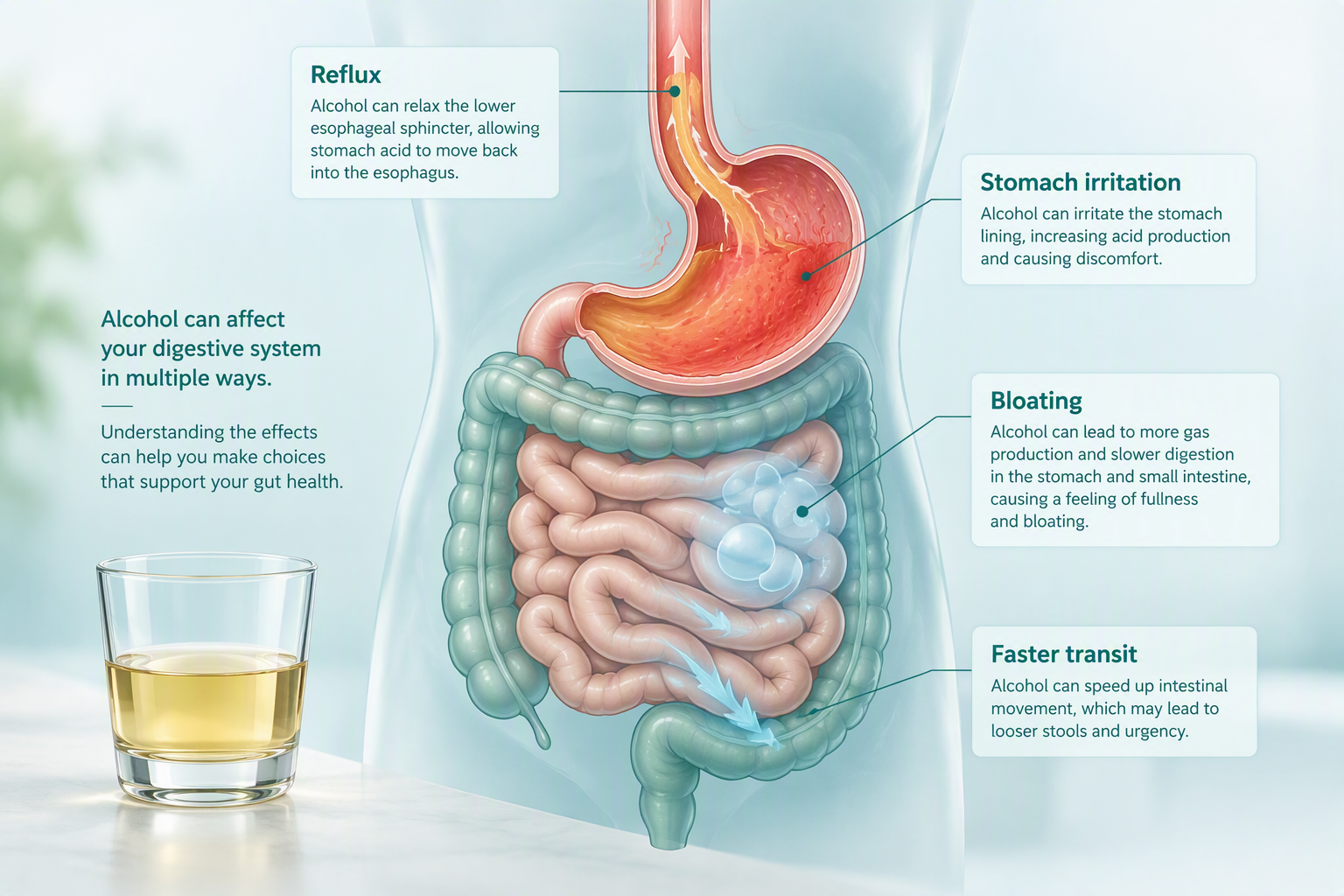
Alcohol affects your gut from the first sip. It directly contacts the stomach and intestines, is absorbed mostly in the upper small intestine, and then travels to the liver for processing. One drinking episode may temporarily disrupt digestion, while repeated heavy drinking gives irritation, inflammation, and tissue injury more time to build.
In the stomach and upper intestine, alcohol can irritate the lining, weaken its protective mucus layer, change acid production, and alter stomach emptying. These effects of alcohol on the digestive tract can cause:
- Nausea or vomiting: Irritation or slower stomach emptying can make food feel as if it is sitting heavily.
- Burning or indigestion: Increased acid and an irritated lining may worsen upper-abdominal burning or reflux.
- Bloating or cramps: Disrupted digestion can leave you uncomfortably full or sore.
- Urgent loose stools: Faster intestinal movement leaves less time to absorb water.
Continued irritation can contribute to gastritis, or inflammation of the stomach lining, and duodenitis, inflammation in the first part of the small intestine. Digestive symptoms from alcohol vary with the amount consumed, beverage type, whether you ate, and how sensitive your gut is. Irritable bowel syndrome (IBS) can make bloating, diarrhea, constipation, or abdominal discomfort more noticeable. Regular meals, fluids, and everyday gut health habits can help you spot patterns without blaming yourself for every flare.
With sustained heavy drinking, poor food intake and small-intestinal inflammation can interfere with absorption of B vitamins, folate, zinc, and other nutrients. Alcohol effects on gut health may also include shifts in gut bacteria and a leakier intestinal barrier. These changes can promote inflammation, affect immune activity, and allow bacterial products to reach the liver through the gut-liver axis.
Alcohol and digestive health are closely tied to the liver and pancreas. From fat buildup, alcohol-related liver disease can progress to inflammation, scarring, and irreversible cirrhosis, though earlier fatty-liver changes may improve when alcohol is reduced or stopped. Alcohol and pancreatitis are also linked because pancreatic inflammation can reduce digestive-enzyme production, leading to poor digestion and nutrient shortfalls.
Symptoms after one episode often ease as alcohol clears and regular eating and hydration resume. Ongoing exposure is more likely to sustain bowel changes and organ harm, and sleep and gut function can also affect how you feel after drinking. Seek prompt medical attention for:
- Ongoing vomiting
- Severe upper-abdominal pain
- Yellowing skin or eyes
- Dark urine
- Pale stools
Why Can Drinking Trigger Digestive Symptoms?
After the immediate and longer-term effects already described, alcohol can disrupt several digestive processes at once, so digestive symptoms from alcohol may change from one occasion to another. The digestive symptoms drinking causes can include nausea, heartburn, bloating, cramping, diarrhea, or irregular bowel habits.
Alcohol and stomach acid can be an uncomfortable combination. Alcohol may raise acid levels, reduce the stomach's protective mucus, and irritate the stomach lining. This irritation, called gastritis, can cause upper-abdominal burning, nausea, queasiness, or vomiting. The National Institute of Diabetes and Digestive and Kidney Diseases identifies alcohol as a cause of reactive gastropathy, a type of stomach-lining injury (source).
Repeated heavy drinking is associated with a higher risk of upper gastrointestinal bleeding, including bleeding linked to peptic ulcers (source). Seek urgent medical care if you vomit blood or pass black, tar-like stools.
Alcohol and acid reflux often occur because alcohol relaxes the lower esophageal sphincter, the muscle that normally keeps stomach contents from moving upward. Acid can then reach the esophagus, causing heartburn, chest burning, or a sour taste. Larger drinks, late-night drinking, and heavy meals can make reflux more likely.
Alcohol and bloating, cramps, and shifting stools can result from several overlapping effects:
- Slower stomach emptying: Food and liquid may remain in the stomach longer, causing pressure, fullness, or nausea.
- More gas: Digestion changes can increase gas, while carbonated beer adds volume. This may feel especially uncomfortable if you have IBS-like symptoms.
- Faster intestinal transit: Alcohol and diarrhea can also be worsened by dehydration after drinking.
- Unpredictable movement: Dehydration, disrupted meals, slower stomach emptying, and changing bowel movement can lead to constipation one day and diarrhea the next.
Alcohol effects on gut health can extend beyond a single night. Breakdown products such as acetaldehyde and excess acetate may stress the intestinal environment and contribute to gas, bloating, and possible small intestinal bacterial overgrowth (SIBO). Longer-term shifts in gut bacteria can add another layer to alcohol and digestive health concerns.
When diarrhea, pain, reflux, or bloating keeps returning after drinking, note what you drank, ate, and felt afterward before discussing the pattern with a clinician.
How Does Alcohol Change Gut Bacteria?
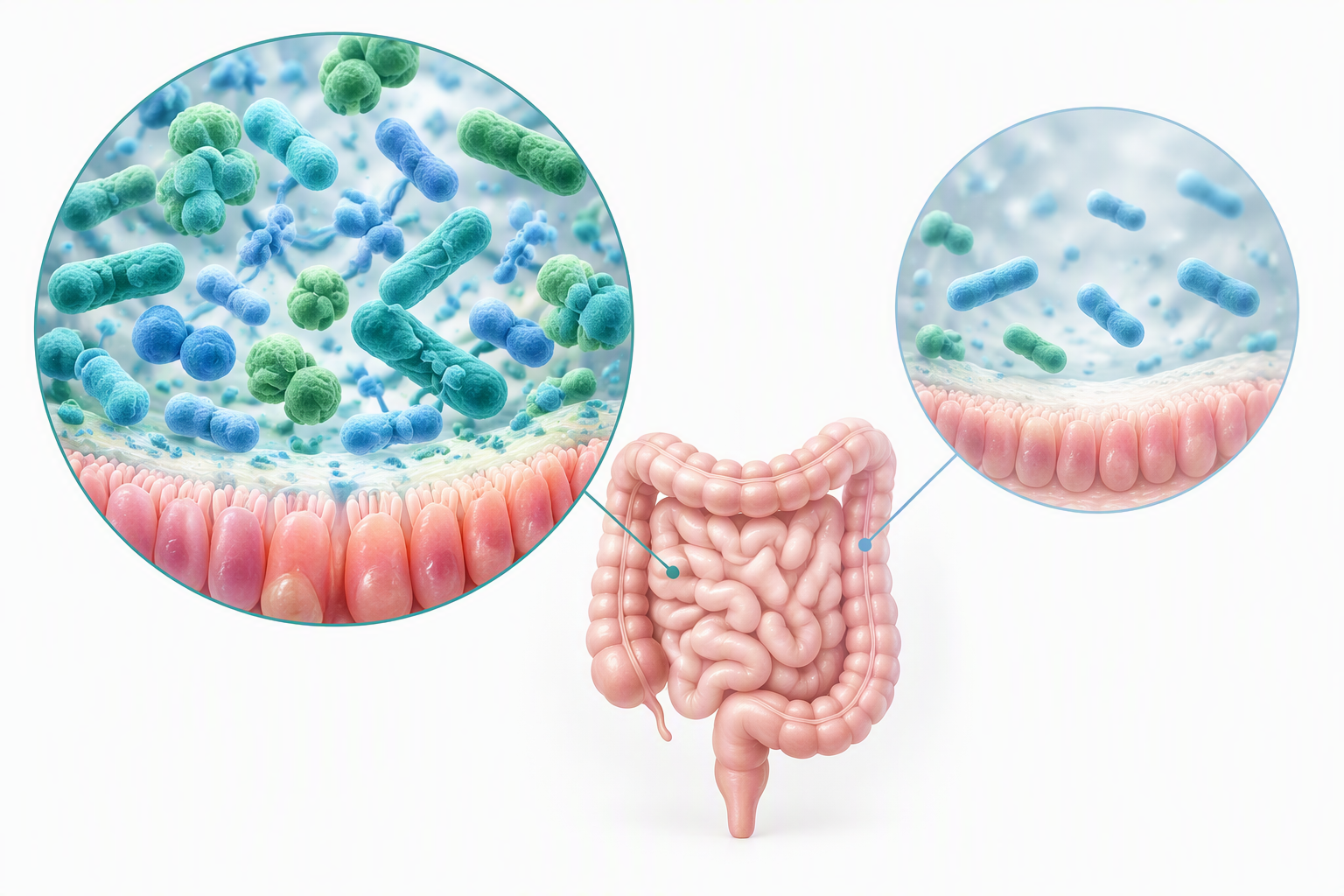
Among the longer-term digestive changes alcohol can cause, regular or heavy drinking can disrupt the balance of gut bacteria, a change known as dysbiosis. The link between alcohol and gut microbiome diversity is strongest with heavier exposure, which is often associated with lower microbial diversity and more inflammation-linked microbes. This shift may add to bloating, irregular stools, or abdominal discomfort over time, but it is not a stand-alone explanation for every digestive symptom.
Alcohol does affect gut bacteria, though research cannot identify one organism as the cause of a specific symptom. Changes in the microbes alcohol disturbs may include lower levels of Lactobacillus, Akkermansia muciniphila, and Faecalibacterium prausnitzii with heavier alcohol exposure. These are often described as beneficial gut bacteria because of their usual roles in the intestinal environment, but the findings are associations, not proof that one microbial change causes a symptom or that any species is simply good or bad.
Alcohol can stress the intestinal environment in several ways:
- Alcohol byproducts: Your body and gut microbes process alcohol into compounds including acetaldehyde and acetate, which can irritate intestinal tissues.
- Changes in harmful gut bacteria: Dysbiosis may allow some gram-negative bacteria to become more prominent. Their endotoxins may contribute to alcohol-induced inflammation if they move beyond the gut barrier.
- Possible bacterial overgrowth: Alcohol use may raise the likelihood of small intestinal bacterial overgrowth (SIBO), in which excess bacteria inhabit the small intestine.
SIBO can contribute to symptoms such as:
- Bloating
- Gas
- Diarrhea
- Constipation
- Changes in bowel habits
These symptoms are common in many digestive conditions, so they cannot diagnose SIBO on their own. Persistent symptoms, especially those that continue during a break from alcohol, merit a conversation with a clinician.
Some studies also find microbiome differences with small amounts of alcohol. A detected change is not automatically harmful, and it does not show a gut-health benefit. Much of the evidence on alcohol-derived metabolites and specific organisms comes from observational, mechanistic, or animal research, which cannot establish cause and effect as clearly as well-designed human studies.
A varied pattern of fiber-rich plant foods and regular physical activity offers more useful support than probiotics or supplements marketed to offset alcohol’s effects. These habits support the wider microbiome without treating a single bacterial shift as the whole answer.
How Does Alcohol Weaken the Gut Barrier?
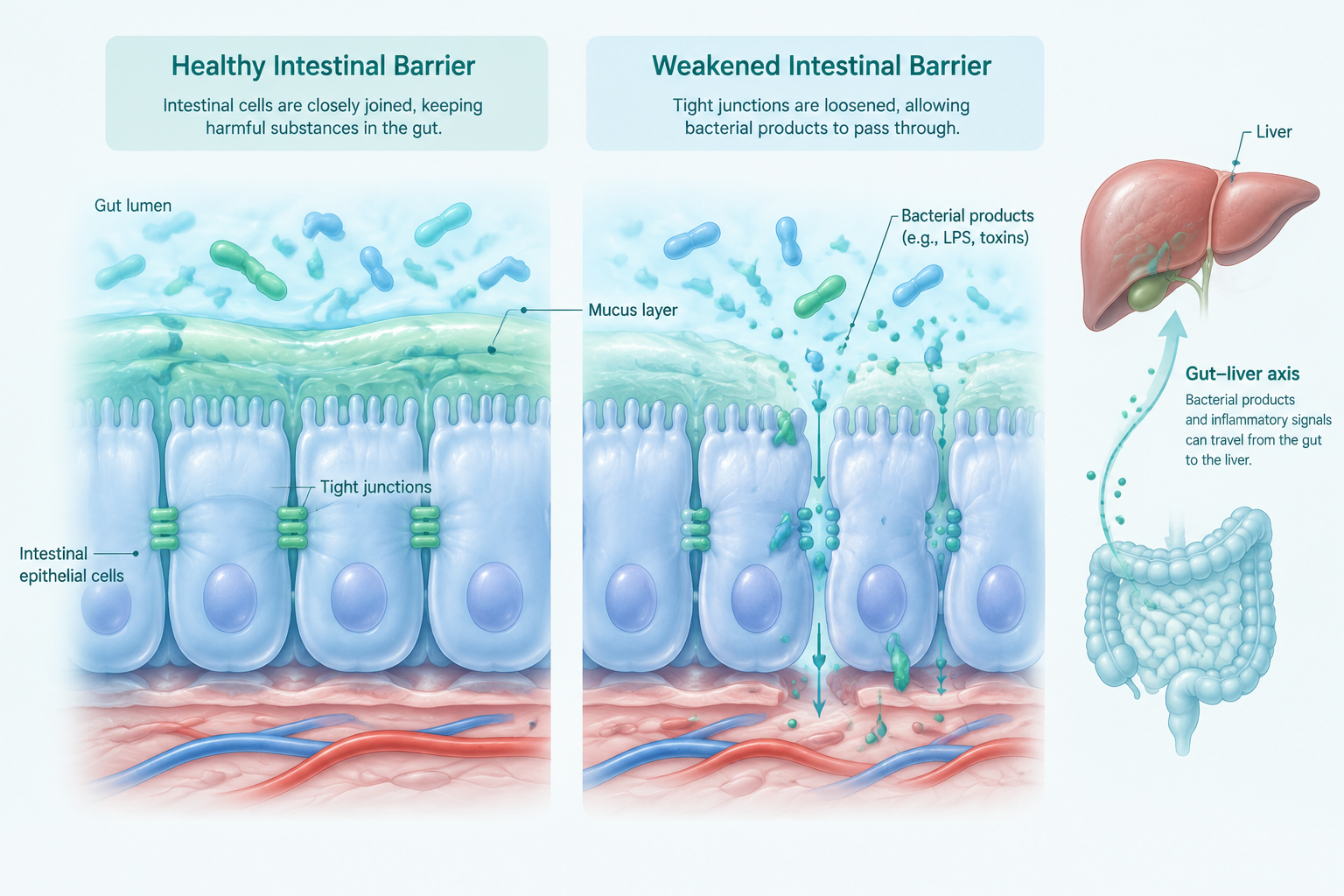
The gut barrier is a mucus-supported, single-cell lining, not a solid wall. It keeps most microbes and digestive contents inside the intestine while allowing nutrients to pass into the body. Repeated heavy drinking can thin the protective mucus layer, exposing the lining to irritation and weakening its filtering role.
Alcohol damage to the gut lining partly involves acetaldehyde, a reactive compound made as your body breaks down alcohol. With heavier, ongoing exposure, acetaldehyde and alcohol can harm intestinal cells in several ways:
- DNA damage: Injury to genetic material can interfere with normal cell repair.
- Oxidative stress: Unstable molecules can damage cells and the tissues around them.
- Cell death and mucosal injury: Damage may contribute to erosion or ulceration of the gut’s protective surface.
These changes are most strongly linked to ongoing heavy drinking rather than one isolated drink. Research also links alcohol-related barrier changes with shifts in the gut microbiome (source).
The lining depends on tight junctions between intestinal cells, protein seals that close the spaces between neighboring cells. Alcohol and acetaldehyde can loosen these seals, so alcohol increases intestinal permeability. Alcohol and leaky gut describe this biological process, not a diagnosis that bloating, diarrhea, or abdominal pain can confirm by themselves.
As intestinal permeability rises, substances that usually remain in the gut can enter the bloodstream. These include bacterial products called endotoxins, including lipopolysaccharides, and larger molecules. In more severe disruption, bacteria can move beyond the intestine, a process called bacterial translocation that can increase immune signaling and inflammation throughout the body.
Immune changes can add to this damage. Even one binge-drinking episode may trigger local intestinal inflammation and activate immune cells, placing more strain on mucus and tight junctions. Longer-term exposure may also reduce antimicrobial defenses, T-cell activity, and bacterial clearance, creating conditions that further disrupt the microbiome and barrier (source).
The gut-liver axis explains why barrier injury can matter beyond digestion. Blood from the intestines travels first to the liver through the portal vein, carrying gut-derived endotoxins with it. These substances can activate liver immune cells, inflammatory cytokines, and reactive oxygen species, adding to pathways associated with alcohol-related liver disease. Digestive symptoms alone cannot predict liver disease, but persistent symptoms after drinking are worth discussing with a clinician.
Gut-friendly eating on drinking days gives the barrier fiber to work with, though no meal makes a heavy night harmless.
What Drinking Patterns Raise Gut Risks?
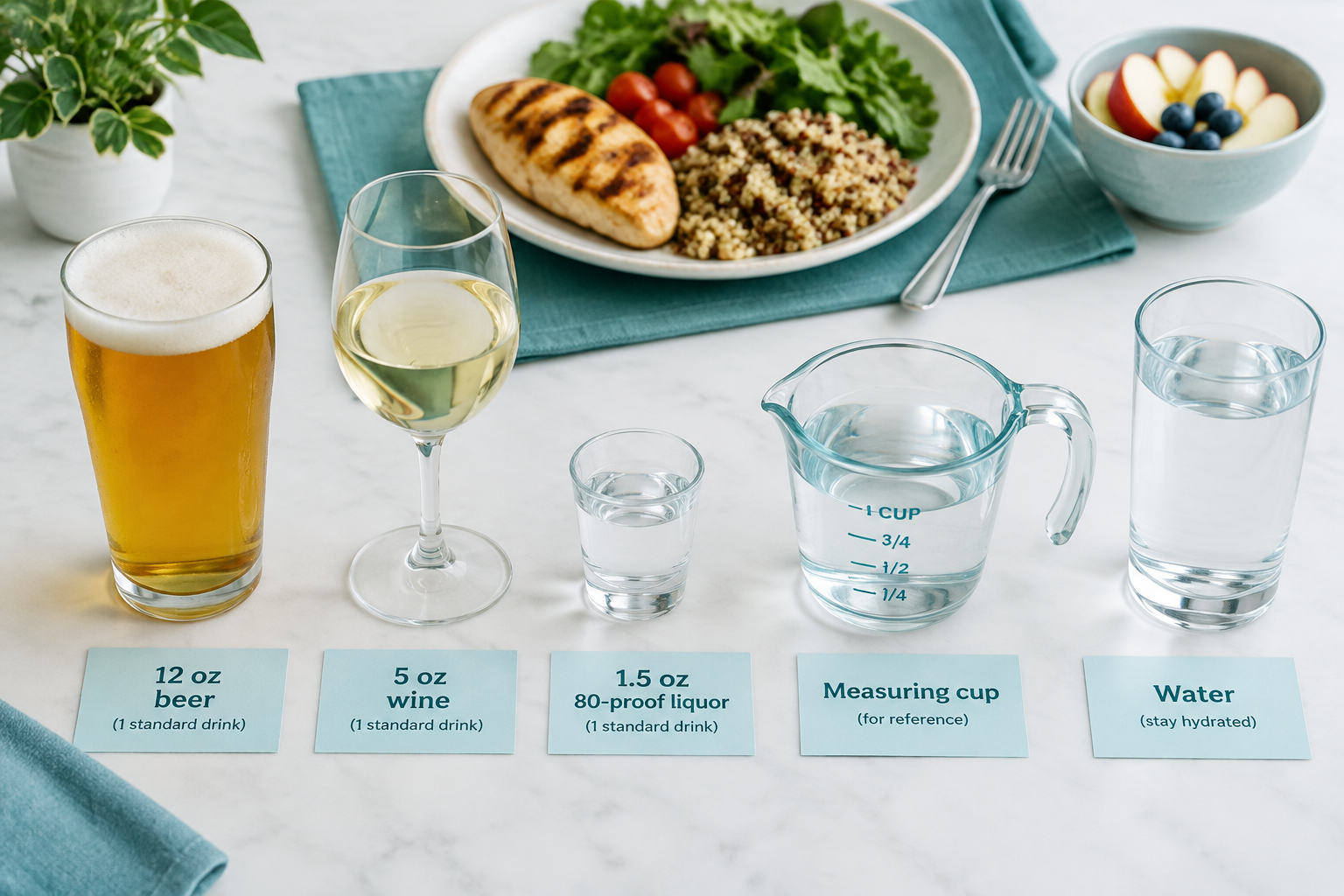
Given the barrier and microbiome effects linked to heavier exposure, alcohol is more likely to upset your digestive system when the amount is higher, the pace is faster, or drinking happens often. The NIAAA alcohol guidelines use standard drinks to show alcohol exposure more clearly, since one large glass or cocktail may contain more than one drink.
One standard drink contains about 0.6 ounces of pure alcohol. That is roughly:
- 12 ounces of 5% beer.
- 5 ounces of wine.
- 1.5 ounces of 80-proof liquor.
A generous wine pour, high-alcohol beer, or mixed drink can contain two or more standard drinks. Counting glasses instead of alcohol content may underestimate what your stomach and intestines are processing.
Moderate alcohol consumption differs from heavy or rapid drinking, but digestive sensitivity still varies from person to person. The clearest evidence of gut harm involves regular heavy drinking and binge episodes, which can irritate the stomach and intestines, alter gut bacteria, and disrupt the intestinal barrier. Intestinal barrier disruption can also increase exposure to unwanted substances.
Binge drinking and the gut are closely connected because speed matters as much as the total amount. Binge drinking generally means about four standard drinks for women or five for men within about two hours. This short, high-intensity exposure can make digestive symptoms more likely. Repeated episodes make alcohol a more likely contributor to reflux, bloating, urgency, diarrhea, or abdominal discomfort.
Patterns that can make symptoms more noticeable include:
- Drinking a large amount in one sitting.
- Drinking quickly.
- Drinking on an empty stomach.
- Choosing stronger drinks without accounting for their alcohol content.
Food can slow alcohol absorption, but it does not prevent digestive effects or make binge drinking low-risk. Eating before and while you drink can help you plan meals without treating food as protection from a high intake.
Research on small amounts is less clear. Some studies find microbiome differences at lower intake, but those changes do not prove harm or a gut-health benefit. If a small amount repeatedly triggers symptoms, reducing or avoiding alcohol for a period can help reveal the pattern. Persistent symptoms that continue after alcohol is removed warrant a clinician's input.
Moderate drinking and gut health can coexist for most people, though even small amounts of alcohol change the microbiome in some studies. Binge drinking and gut health do not mix, and regular heavy drinking does the lasting damage.
How Can Your Gut Recover After a Break?
Before taking the alcohol-free break that can help reveal the patterns above, if you drink heavily or daily, have had withdrawal symptoms, or feel shaky, sweaty, anxious, confused, or unwell without alcohol, get medical advice before stopping suddenly. Alcohol withdrawal can be dangerous and needs professional support, especially when alcohol use disorder may be a concern.
For many people, reducing alcohol or taking an alcohol-free break gives the digestive system time to settle. Gut healing after drinking is gradual, not all-or-nothing, and a break can make changes in reflux, bloating, bowel habits, and abdominal comfort easier to spot. The National Institute on Alcohol Abuse and Alcoholism describes binge drinking as a pattern that rapidly raises blood alcohol concentration (source).
During the first few days, focus on fluids, regular food, and the symptoms that are most active:
- Drink fluids regularly. An oral rehydration solution can help replace fluids lost through vomiting or diarrhea.
- Eat consistent meals instead of skipping food after drinking. Choose familiar, gentle foods you tolerate while nausea, reflux, bloating, or loose stools continue.
- Seek clinical care for dehydration, severe or worsening abdominal pain, blood in the stool, or ongoing vomiting or diarrhea. Severe upper-abdominal pain with nausea or vomiting can be a sign of pancreatitis (source).
As symptoms ease, build meals back gradually. Add tolerable fiber and a broader range of fruits, vegetables, beans, whole grains, nuts, and seeds in small amounts. A sudden switch to a high-fiber diet can worsen gas, cramping, or urgency. If psyllium repeatedly causes gas, methylcellulose or partially hydrolyzed guar gum may be easier to tolerate.
Alcohol reduction works best alongside regular meals, fewer highly processed foods, and more plant variety, which can support microbiome recovery. Gentle, regular movement can also help digestion, sleep, and mood:
- Walking, cycling, or another activity you enjoy can support a steady routine.
- Intense workouts are unnecessary when you feel tired, dehydrated, or are recovering from diarrhea.
- Consistency is more useful than trying to make up for drinking through hard exercise.
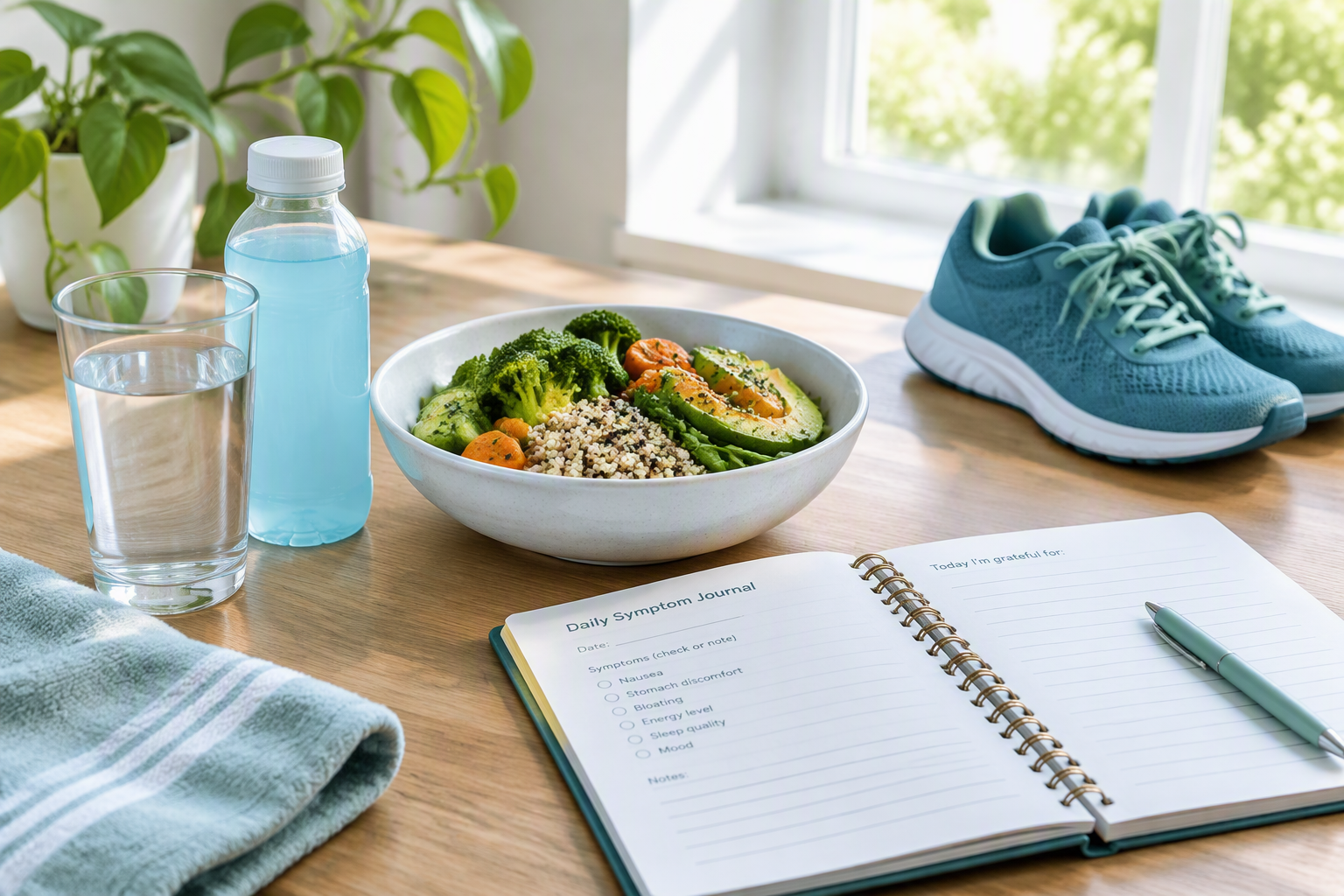
A dated symptom log can help reveal patterns. Record alcohol intake or alcohol-free days, meals, hydration, bowel changes, reflux, bloating, nausea, abdominal discomfort, sleep, and activity. Tracking cannot diagnose the cause, but it gives a clinician clearer details when symptoms persist or get worse.
An occasional alcohol-related upset may improve quickly, while frequent or heavy drinking can take weeks of steadier habits before digestion feels noticeably different. Early alcohol-related fatty liver changes are often reversible after four to six weeks without alcohol, though recovery varies. Probiotics, collagen, and digestive enzymes cannot replace less alcohol, hydration, varied plant foods, regular meals, and movement.
Leaky gut from alcohol, meaning a weakened intestinal barrier, is one of the best-documented effects and one of the first to improve. Gut recovery after drinking starts within days for the stomach lining and takes longer for the microbiome. How long the gut takes to heal after quitting alcohol depends on how much and how long you drank, and alcohol microbiome recovery is faster with fiber and fermented foods. The alcohol and gut-liver connection matters here, since a healthier gut barrier sends fewer bacterial toxins to the liver.
What happens to the gut when you stop drinking is mostly good news, and alcohol and gut inflammation is the thread that unwinds first.
When Should You See a Clinician?
Occasional bloating, reflux, or loose stools after drinking may ease when you take a break. Severe, new, or lasting symptoms need medical assessment, especially after binge drinking or regular heavy use. Alcohol can contribute to digestive trouble, but it is not the only possible cause.
Seek urgent or emergency care for any of the following:
- Vomiting blood or material that looks like coffee grounds.
- Black, tarry, or visibly bloody stools.
- Severe or worsening abdominal pain.
- Repeated vomiting or an inability to keep fluids down.
- Fainting, confusion, very little urine, or marked dizziness.
- Other signs of significant dehydration.
These symptoms can occur with gastrointestinal bleeding, an ulcer, alcohol and pancreatitis, or another serious condition that cannot be identified at home.
Prompt assessment also matters if you develop yellow skin or eyes, dark urine, pale stools, new abdominal swelling, easy bruising, or persistent itching, particularly if you drink regularly. Alcohol-related barrier injury may increase inflammation and the liver’s workload through bacterial translocation of endotoxins, including lipopolysaccharides, but testing is needed to determine whether alcohol-related liver disease or another condition is involved.
Make a routine appointment for unexplained weight or appetite loss, recurring upper-abdominal pain, persistent heartburn, bowel habits that repeatedly change, or symptoms that continue after you reduce or pause alcohol. A clinician can consider stomach, liver, pancreas, ulcer, and, less commonly, cancer-related causes instead of assuming alcohol explains everything.
Bring up alcohol use if cutting down feels difficult, you drink more than intended, alcohol seems necessary to feel normal, or you keep drinking despite digestive harm. These can be signs of alcohol use disorder, and support can address both drinking and gut symptoms without judgment. Stopping suddenly after heavy, regular drinking can cause dangerous withdrawal, so medical guidance is important before making a major change.
Alcohol and ulcers, inflammatory bowel disease flares after drinking, and small intestinal bacterial overgrowth are all reasons to mention drinking to a clinician even when it feels unrelated.
Alcohol and liver health belong in the same conversation, since the gut and liver share the damage.
Alcohol and Gut Health FAQs
These FAQs address common concerns about alcohol and gut health, from digestive changes and recurring symptoms to signs that may need closer attention. They can help you spot patterns and consider practical next steps without judgment.
1. Which Alcohol Is Worst for Your Gut?
No single type of alcohol is proven worst for everyone’s gut. Symptoms often increase with the amount and pace of drinking, especially binge drinking, about four drinks for women or five for men within two hours, or regular heavy use. Beer may cause gas or bloating, but carbonation, sugary mixers, and larger servings can worsen alcohol and acid reflux. NIDDK lists alcohol as a common reflux trigger (source). Small amounts have no clear gut-health benefit.
Acetaldehyde and gut health are the real issue, and every type of alcohol produces it.
2. Can Alcohol Cause Acid Reflux?
Yes. Alcohol can trigger or worsen acid reflux and heartburn by relaxing the lower esophageal sphincter, the valve between the stomach and esophagus, and increasing stomach acid, so acidic contents can move upward. It may also irritate the stomach and esophageal lining, causing burning, nausea, or gastritis. Symptoms can be more noticeable after drinking or when reflux already recurs. Frequent reflux, trouble swallowing, vomiting, unexplained weight loss, black stools, or bleeding warrant clinical assessment rather than being blamed on drinking.
Alcohol and stomach lining irritation add to the reflux, which is why alcohol digestive symptoms often bundle heartburn with nausea.
3. Does Alcohol Worsen Irritable Bowel Syndrome?
Alcohol can worsen IBS symptoms for some people, though responses vary. It may speed intestinal transit and reduce water absorption, leading to alcohol and diarrhea, urgency, cramping, gas, or irregular bowel habits. Slower stomach emptying may also explain why alcohol and bloating often occur together (source).
A flare after drinking does not mean alcohol caused your IBS. Look for a repeatable pattern tied to drink type, amount, mixers, meals, and symptoms afterward. Beer may cause extra gas and bloating for some people.
Alcohol and gut motility explain the rest: it speeds the colon in some people and slows the stomach in others.
4. Can Alcohol Cause Constipation?
Yes. Alcohol can contribute to constipation, though it causes loose stools in some people. Dehydration after drinking can leave stools drier and harder to pass, while changes in gut movement and water handling can make bowel habits unpredictable. Alcohol damage to the gut lining may also reduce absorption of nutrients such as B vitamins, folate, and zinc. Missed meals, less fiber, poor sleep, and disrupted bathroom routines can add to the problem. New, severe, or ongoing constipation needs evaluation for other causes.
Alcohol and digestion slow together when you are dehydrated.