


The scale keeps dropping after you cut out milk, but lactose intolerance does not usually cause ongoing weight loss. It can cause bloating, cramps, gas, nausea, and diarrhea after lactose, yet a sustained downward trend needs a broader look.
Diarrhea may cause short-term fluid loss, and dairy restriction can leave you eating fewer calories or less protein without realizing it. Losing more than 5% of your usual body weight without trying over 6 to 12 months is clinically meaningful, especially with poor appetite, persistent diarrhea, or abdominal pain.
Celiac disease, Crohn's disease, infection, and other malabsorption conditions can cause digestive symptoms and reduced nutrient absorption. Blood or black stools, vomiting blood, severe worsening pain, or repeated vomiting that prevents fluids from staying down require emergency care.
Lactose Intolerance and Weight Loss Key Takeaways
- Lactose intolerance does not usually cause sustained, unintentional weight loss.
- Diarrhea can briefly lower weight through fluid loss.
- Dairy restriction may cause under-eating without adequate calorie and protein replacements.
- Losing over 5% of usual weight in 6 to 12 months warrants medical evaluation.
- Celiac disease, inflammatory bowel disease, infection, and malabsorption can mimic lactose-related symptoms.
- Pale, oily, floating stools with weight loss may suggest poor fat absorption.
- Blood or black stools, vomiting blood, severe pain, or repeated vomiting need emergency care.
Can Lactose Intolerance Cause Unintended Weight Loss?
Lactose intolerance does not usually cause ongoing unintentional weight loss. It most often causes predictable symptoms after foods or drinks with lactose, including bloating, gas, abdominal pain or cramps, nausea, and diarrhea. These symptoms occur when the small intestine produces too little lactase, the enzyme that digests lactose. The National Institute of Diabetes and Digestive and Kidney Diseases describes this symptom pattern after lactose exposure (source).
Whether lactose intolerance causes weight loss often depends on indirect changes, not the condition itself. Diarrhea can temporarily lower the number on the scale through fluid loss, while removing dairy may reduce calorie intake if filling alternatives are not added. Many people tolerate some lactose, so continued weight loss should not be considered a typical lactose-intolerance symptom. What lactose intolerance cannot cause puts that distinction in context.
A sustained downward trend matters more than one weigh-in. Losing more than 5% of your usual body weight without trying over 6 to 12 months is a reason to seek medical attention (source). For someone who normally weighs 160 pounds, that is about 8 pounds. The amount lost, how quickly it happened, whether it was intentional, changes in appetite, and your ability to eat enough all help determine how promptly you need an evaluation.
Diarrhea and weight loss need prompt attention when they occur with any of the following:
- Persistent diarrhea or worsening abdominal pain
- Trouble eating enough because food triggers symptoms
- A sudden drop in weight or a steady decline over time
- Reduced appetite, nausea, or vomiting that makes meals difficult
- Blood in the stool, black stools, fever, or severe weakness
Unexplained weight loss digestive symptoms do not automatically mean a serious illness. Inadequate intake after cutting out foods is one possibility, but poor nutrient absorption, inflammation, infection, metabolic conditions, intestinal changes, and cancer can also cause unexplained weight loss. Lactose intolerance and weight concerns can coexist with another digestive condition.
Rather than restricting more foods on your own, pay attention to what you eat, when symptoms begin, whether dairy avoidance helps, and whether your appetite or weight continues to change. This record can make a clinical conversation clearer and help avoid unnecessary dietary restriction.
Which Signs Need Emergency Care Now?

Lactose intolerance symptoms often include bloating, gas, cramps, nausea, diarrhea, and sometimes vomiting within a few hours of eating or drinking lactose-containing foods. Warning signs with dairy intolerance are different and should not be managed by cutting out dairy, trying more foods, or waiting at home to see whether symptoms pass.
Seek emergency care immediately if you have any of the following:
- Blood in vomit: Bright-red blood, dark blood, or dark brown or black material that looks like coffee grounds can be a sign of bleeding in the digestive tract. Go to the emergency department or call local emergency services instead of taking an over-the-counter remedy or trying to rehydrate at home. MedlinePlus lists blood or coffee-ground material in vomit as a possible sign of gastrointestinal bleeding.
- Black, tar-like stool: Black, sticky, foul-smelling stool that resembles tar is not the same as a loose bowel movement after dairy. It may point to bleeding higher in the digestive tract. Call local emergency services or go to the emergency department if symptoms suggest severe bleeding, shock, or another emergency (source).
- Severe, constant, or worsening abdominal pain: Pain that does not ease, steadily gets worse, or makes normal movement difficult is not a pattern to treat as presumed lactose intolerance. Immediate assessment is especially important when severe pain occurs with bloody vomit or black stool. If weakness, dizziness, or lightheadedness makes travel unsafe, do not drive yourself.
- Repeated vomiting that prevents fluids from staying down: Dehydration can develop quickly when vomiting continues. Emergency help is needed when fluids repeatedly come back up, particularly with severe pain, blood in vomit, or black stool. Anti-diarrheal medicine and small sips that will not stay down do not address the cause.
Digestive symptoms can feel personal and disruptive, but these patterns need prompt attention because they may have a cause more serious than food intolerance. The full list of digestive red flags covers other symptoms that also warrant timely medical assessment.
Which Symptoms Need a Prompt Visit?
Short of emergency warning signs, digestive symptoms that persist, change, or occur with unintentional weight loss need a prompt primary-care or gastroenterology visit. Lactose intolerance can cause symptoms after dairy, but it does not explain every pattern of diarrhea, constipation, pain, poor appetite, or weight loss.
Changes in bowel habits deserve medical assessment when they are new, severe, or keep going for more than a few weeks. Although chronic diarrhea, severe constipation, or alternating diarrhea and constipation can have causes beyond lactose intolerance, diarrhea and weight loss together are especially important to assess rather than address by cutting out more foods.
Unexplained weight loss digestive symptoms that need timely evaluation include:
- Stool changes: Blood, mucus, or pus in stool, especially with a change in stool frequency or consistency.
- Whole-body symptoms: Ongoing fever, drenching night sweats, or unusual fatigue.
- Eating problems: Continued vomiting, feeling full after a small amount of food, or being unable to eat normal meals.
These digestive symptoms can occur with infection, celiac disease, inflammatory bowel disease, or irritable bowel syndrome (IBS). IBS can change bowel habits, but visible blood, fever, and unintended weight loss should not be assumed to be IBS.
Pain or difficulty swallowing, or the feeling that food is stuck in your throat or chest, also needs prompt assessment. This can affect solids, liquids, or both. It is not typical of a dairy reaction and may involve the esophagus or another part of the digestive tract.
Yellowing of the skin or whites of the eyes, called jaundice, also requires medical evaluation because it can involve the liver, gallbladder, or pancreas.
Brief, familiar gas, bloating, cramps, or loose stool after known lactose exposure can be monitored when symptoms resolve and no warning signs occur. Before your visit, record when symptoms started, which foods and drinks you tolerated, and whether avoiding dairy changed the pattern. That information can help prevent unnecessary dietary restriction.
Could Malabsorption Be Causing Weight Loss?
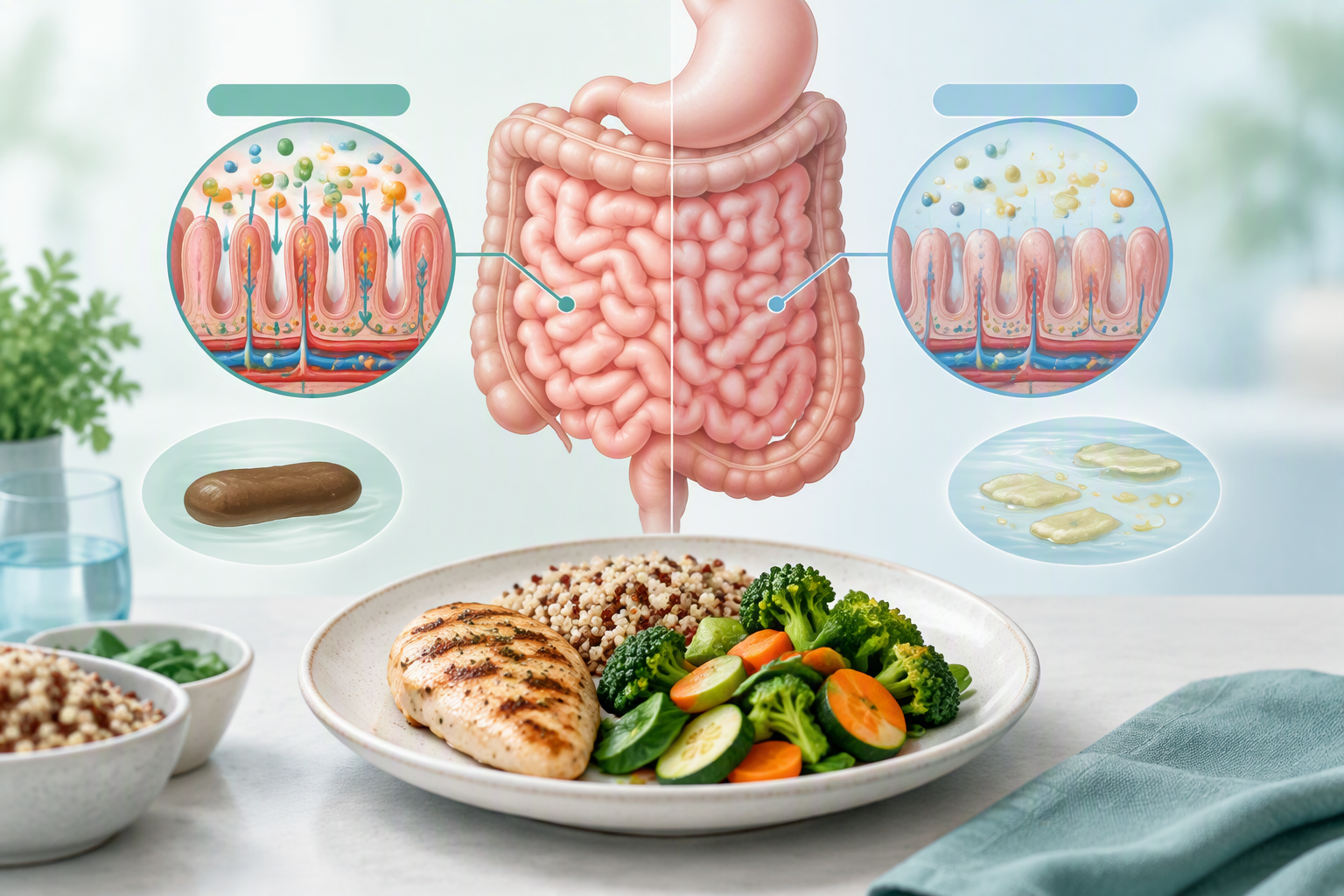
Among the causes that warrant a prompt evaluation, malabsorption weight loss can happen when the small intestine does not take in enough calories, protein, fat, vitamins, or minerals from food, even when you are eating. Lactose malabsorption is narrower: lactase deficiency can impair lactose digestion. Unplanned weight loss should not be blamed on dairy alone, especially when digestive symptoms continue after you reduce milk products.
A single unusual bowel movement does not identify a cause. However, persistent diarrhea with the following stool changes deserves medical assessment:
- Pale stools that are lighter than usual.
- Oily, greasy, or floating stools.
- Unusually foul-smelling stools that are difficult to flush.
- Loose stools that continue alongside unintended weight loss.
This pattern can suggest that fat is not being digested or absorbed well. Pancreatic or gallbladder disease may cause similar changes, so stool appearance alone cannot identify the problem.
Poor nutrient absorption can also affect the rest of your body. Fatigue, weakness, pale skin, lightheadedness, dizziness, and unexplained iron-deficiency anemia may reflect low iron or vitamin B12, impaired absorption, or gastrointestinal bleeding. These signs are not an expected result of simply avoiding milk, particularly when they occur with abdominal pain, diarrhea, or weight loss.
Celiac disease and Crohn’s disease are among the malabsorption disorders that can affect the small intestine. In celiac disease, the immune response to gluten damages the intestinal lining and may cause diarrhea, anemia, fatigue, and weight loss, according to the National Institute of Diabetes and Digestive and Kidney Diseases (source). Crohn’s disease is a form of inflammatory bowel disease that can inflame the small intestine and interfere with nutrient absorption.
The celiac vs lactose intolerance distinction matters because intestinal inflammation or damage can reduce lactase production. This secondary lactose intolerance may follow gastroenteritis, celiac disease, Crohn’s disease, other infections, bacterial overgrowth, injury, or intestinal surgery. New dairy symptoms in this setting can be a clue to an underlying condition rather than a complete explanation for ongoing weight loss.
Ulcerative colitis, chronic infection, pancreatic or gallbladder disease, peptic ulcer disease, severe delayed stomach emptying, thyroid or other metabolic conditions, and, less often, gastrointestinal cancer can also be part of the wider picture. Prompt evaluation helps identify the cause and may prevent unnecessary food restriction.
A hydrogen breath test helps with ruling lactose intolerance in or out so the search can move on. Cutting dairy without a plan can cause its own weight loss, which is why eating well on a low-lactose diet matters even before the answer is in.
What Other Digestive Conditions Might Matter?
Lactose intolerance can still shape the symptom pattern when weight loss needs a broader assessment. When weight loss occurs alongside digestive complaints, clinicians may also consider malabsorption disorders, inflammation, infection, metabolic illness, structural disease, or cancer. These symptoms do not identify a cause or mean a serious condition is the most likely explanation.
Celiac disease and inflammatory bowel disease can overlap with lactose-related symptoms. Crohn’s disease and ulcerative colitis are forms of inflammatory bowel disease that may affect appetite, nutrient absorption, and weight. The celiac vs lactose intolerance distinction matters because celiac disease can damage the small intestine, while lactose intolerance is difficulty digesting lactose, the sugar in milk.
Other possibilities that can cause or worsen dairy-related symptoms include:
- Celiac disease or inflammatory bowel disease: Diarrhea, bloating, cramping, abdominal pain, appetite changes, and weight loss may occur.
- Intestinal infections: Gastroenteritis, giardiasis, bacterial overgrowth, and other infections can temporarily lower lactase production after the intestinal lining is irritated. This secondary lactose intolerance does not mean dairy was the original problem.
Conditions that make eating uncomfortable or interfere with digestion also deserve attention:
- Peptic ulcer disease or ongoing gastrointestinal inflammation: Upper-abdominal pain, nausea, or discomfort after meals may lead to reduced food intake.
- Chronic pancreatitis or gallbladder disease: Pain, nausea, poor appetite, and difficulty tolerating meals can occur, though symptoms alone cannot pinpoint the cause.
- Gastroparesis: Delayed stomach emptying may cause early fullness, nausea, vomiting, and reduced intake.
- Thyroid or other metabolic disorders: Changes in metabolism can affect appetite, bowel habits, and body weight.
Stomach, pancreatic, colon, and esophageal cancers can also involve unexplained weight loss and digestive warning signs. Many noncancerous conditions cause similar symptoms, so these changes call for medical assessment rather than self-diagnosis. If avoiding food has left you eating much less than usual, seek prompt evaluation to identify what needs attention.
Hypolactasia, the medical name for low lactase, explains gas and diarrhea but not unintentional weight loss and digestive issues together. Abdominal pain and weight loss together are the pairing that moves an appointment forward.
Could Dairy Restriction Lead to Under-Eating?

Even when broader digestive causes are being considered, cutting out dairy can lower your intake more than you realize, especially if milk, yogurt, cheese, or other dairy foods were regular parts of meals and snacks. These foods often provide convenient calories and protein, so removing them without suitable replacements can contribute to unintentional weight loss when eating already feels difficult. That is why lactose intolerance and weight loss deserve attention rather than being brushed off as a simple food sensitivity.
A lactose-free diet does not need to be low in nourishment. Dairy commonly supplies protein, energy, calcium, and vitamin D, so replacements should cover what was removed:
- Protein and energy: Lactose-free milk or yogurt, or a fortified non-dairy alternative with meaningful protein, can be more filling than lower-protein drinks or snack foods.
- Calcium: Nutrition labels can help you identify options that replace the calcium dairy foods often provide.
- Vitamin D: Fortified milk alternatives may help replace vitamin D, although amounts differ by product.
Lactose intolerance does not automatically mean avoiding every dairy food. Some people can tolerate smaller portions of lactose, especially when they eat it with a meal, but tolerance varies from person to person. Identifying your tolerated amount, choosing lactose-free dairy, or using a lactase enzyme with lactose-containing foods or drinks may keep practical sources of nourishment in your routine. Eating well on a low-lactose diet can help you make substitutions that fit the foods you already eat.
Persistent nausea, bloating, or early satiety, meaning feeling full after only a small amount, can make it hard to eat enough. If reduced intake or weight loss continues despite lactose adjustments, seek prompt clinical assessment because other digestive conditions can affect appetite, nutrient absorption, and weight.
Low-lactose dairy such as hard cheese keeps calories and calcium in the diet.
What Will a Clinician Check?

When reduced intake or weight loss continues despite lactose adjustments, unintended weight loss with digestive symptoms needs assessment by a primary care clinician or gastroenterologist, not an assumption that lactose intolerance is the only cause. Share when symptoms began, how often they occur, food triggers, and whether a lactase enzyme changes the pattern. Details that help shape the evaluation include:
- Bowel and abdominal symptoms: Diarrhea, abdominal pain, bloating, nausea, or vomiting.
- Whole-body symptoms: Fatigue or fever.
- Warning signs: Jaundice, meaning yellowing of the skin or eyes.
Weight and diet history can be just as revealing. A clinician will compare your usual and current weight, ask how quickly the loss occurred and whether it was intentional, and review appetite, early fullness, swallowing trouble, and foods you have cut out. Unintentional loss of about 5 percent of your usual body weight over 6 to 12 months is clinically meaningful. Dairy restriction without adequate replacements can also lower calorie, protein, calcium, and other nutrient intake.
The physical exam commonly includes your weight, vital signs, and checks for dehydration or poor nutrition, and it may also include an abdominal exam for tenderness or swelling and a check for yellowing of the skin or eyes. Although an exam cannot identify every cause, it helps determine urgency and whether digestive or whole-body conditions need testing.
Testing is based on the symptom pattern rather than a standard panel. Blood and stool tests may assess:
- Blood changes: Anemia, inflammation, nutrient deficiencies, liver changes, thyroid problems, or celiac disease.
- Stool findings: Infection, inflammation, hidden blood, or poor fat absorption.
- Digestive-enzyme concerns: Persistent diarrhea with pale, oily, floating, or difficult-to-flush stools can point to reduced digestive-enzyme activity.
Malabsorption weight loss can occur when conditions beyond lactose intolerance interfere with nutrient absorption, so these findings matter.
When lactose malabsorption remains likely, a hydrogen breath test can help with ruling lactose intolerance in or out. After drinking a lactose-containing liquid, you provide repeated breath samples to measure hydrogen made when undigested lactose reaches the large intestine. Results must fit your symptoms and usual eating habits, and they do not rule out other causes of weight loss.
Warning patterns also determine whether endoscopy or colonoscopy is appropriate. Upper endoscopy may be used for persistent upper-abdominal symptoms, vomiting, early fullness, swallowing difficulty, suspected celiac disease, or bleeding signs. Colonoscopy can assess lasting bowel changes, rectal bleeding, anemia, or persistent diarrhea and allow small tissue samples when needed.
Diagnostic testing for digestive symptoms with weight loss usually starts with blood work and celiac serology. Medical evaluation for unintentional weight loss adds a full history and a look at gastrointestinal warning signs.
Weight Loss Digestive Warning Signs FAQs
These FAQs address common concerns about unintended weight loss and digestive symptoms, including signs that need prompt medical attention and ways to avoid overly restrictive eating while you seek answers.
1. How Much Weight Loss Is Concerning?
Losing 5% or more of your usual body weight without trying over 6 to 12 months warrants medical evaluation, especially with digestive symptoms. For example, an unplanned loss of 7.5 pounds from a usual 150 pounds meets that threshold. Clinicians also consider the pace of loss, whether you intended it, and symptoms such as diarrhea, nausea, abdominal pain, bloating, or poor appetite. Lactose intolerance can cause symptoms after dairy, but persistent weight loss should not be blamed on it alone.
2. Can Bloating Hide Unintentional Weight Loss?
Yes. A swollen or full abdomen does not mean you’re getting enough calories or absorbing nutrients well. Bloating after dairy can occur with lactose intolerance, but eating less to avoid discomfort or having another digestive condition can also lead to unintentional weight loss. If the scale keeps dropping without trying, especially with ongoing bloating or nausea, seek medical assessment rather than assuming dairy is the only cause.
3. Should I Track Digestive Symptoms and Weight?
Yes. A dated log of your weight trend, whether loss was intentional, and when it began can help a clinician assess the pattern. Note meals, drinks, dairy exposure, bloating after dairy, other digestive symptoms, changes in bowel habits, pain, nausea, vomiting, appetite, and fatigue, including timing and frequency. The record may show whether symptoms follow lactose or suggest a broader problem. Do not let tracking delay prompt medical evaluation for sudden or unexplained weight loss with warning signs.
Digestive problems and weight loss tracked side by side tell a clinician more than either alone.
4. Can Stress Cause Digestive Weight Loss?
Stress can briefly reduce appetite, disrupt eating patterns, and worsen nausea, diarrhea, stomach discomfort, or abdominal pain through the brain-gut connection. But ongoing unintentional weight loss should not be blamed on stress, especially with persistent diarrhea, blood in stool, fever, fatigue, or pain. These symptoms do not confirm a serious condition, but malabsorption, inflammation, infection, metabolic or structural problems, and less commonly cancer need a physician’s assessment.