


A diverticulitis diet changes with recovery rather than following one permanent list of forbidden foods. During an active flare, a clinician may recommend clear liquids briefly, followed by lower-fiber foods as pain, nausea, fever, and bowel changes improve. Diverticulosis means pouches are present in the colon, while diverticulitis occurs when one or more become inflamed or infected.
The difficult part is knowing when to move from broth and gelatin to soft meals, then back toward long-term fiber without worsening gas, bloating, or cramping. Nuts, seeds, popcorn, red meat, dairy, caffeine, and alcohol each need phase-based context rather than a blanket rule. A gradual return toward about 28 grams of fiber a day, with enough fluid and portions that match your tolerance, can support a practical routine after symptoms resolve.
Diverticulitis Diet Key Takeaways
- Diet changes by phase, from clear liquids during some flares to higher fiber after recovery.
- Clear-liquid diets are temporary and should not be extended without clinician guidance.
- Lower-fiber foods can bridge the transition from liquids to regular meals.
- Gradually increase fiber after symptoms completely resolve, aiming eventually for about 28 grams daily.
- Nuts, seeds, and popcorn usually do not require permanent avoidance.
- Add one food or fiber serving at a time and track symptoms.
- Worsening pain, fever, bleeding, vomiting, or dehydration requires prompt medical care.
How Does Diet Change Across Diverticular Disease Phases?
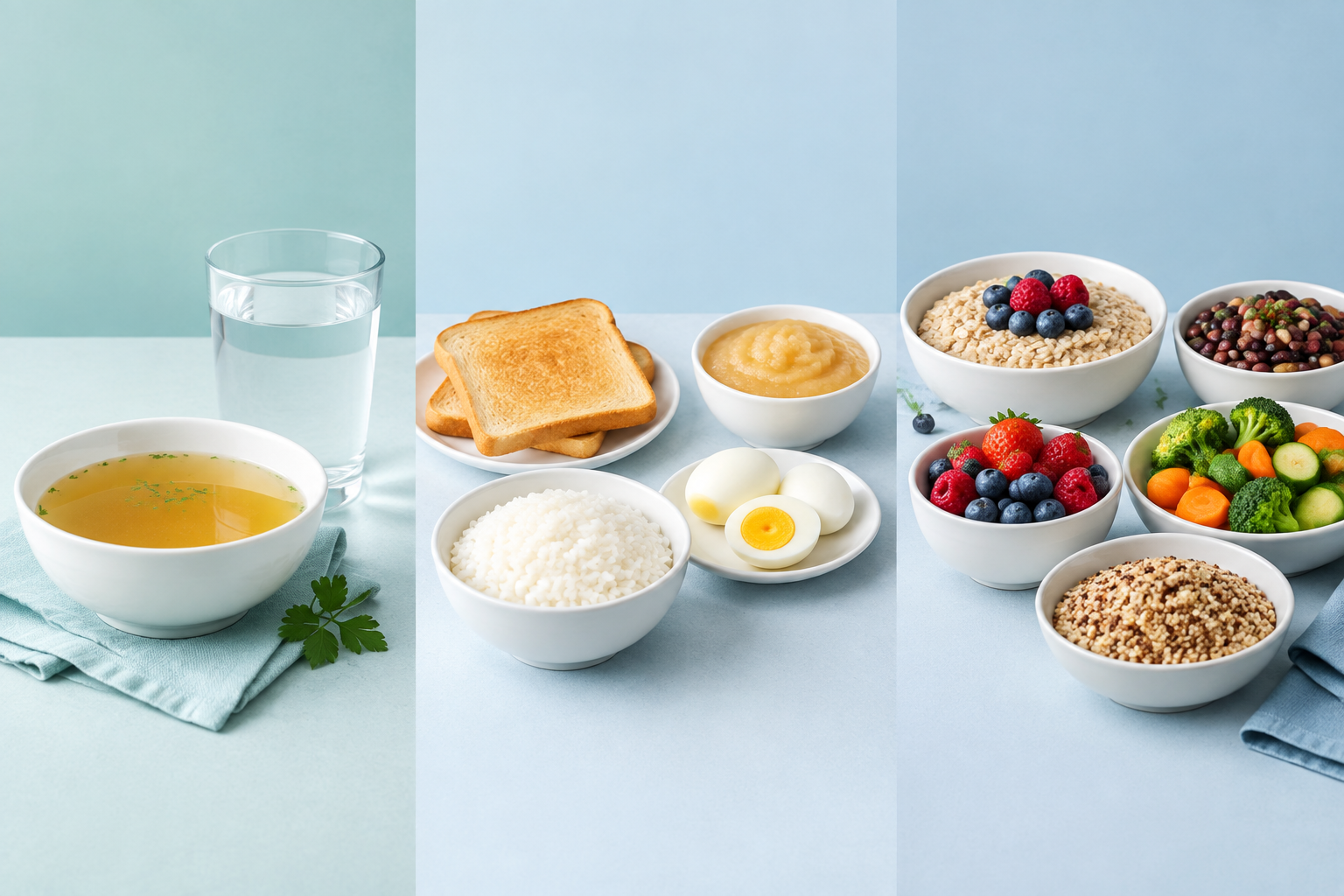
What you eat depends on whether symptoms are active, improving, or fully resolved. Diverticulosis means pouches are present in the colon, while diverticulitis occurs when one or more pouches become inflamed or infected. Diverticulosis does not automatically lead to a flare. Fewer than 5% of people with diverticulosis develop diverticulitis (source).
There is no single permanent diverticulitis diet. Your food choices depend on whether diverticulitis is active or in remission, how severe your symptoms are, and the instructions from your clinician. During an uncomplicated flare, a clinician may recommend a short-term clear-liquid diet. Severe or complicated symptoms may require treatment beyond dietary changes, so don’t start or extend restrictive eating without medical guidance.
As pain, nausea, fever, and bowel changes improve, the transition toward regular eating usually happens gradually:
- Clear liquids: A clear-liquid diet is a short-term measure. It isn’t nutritionally complete for ongoing use.
- Lower-fiber foods: Easy-to-digest, lower-fiber foods may be added as symptoms settle and your clinician approves. This stage is often more practical than jumping straight from liquids to a typical meal.
- Regular meals: Return to your usual eating pattern in steps, adjusting portions and food textures to your tolerance.
During remission, the goal shifts from flare eating toward gradually increasing fiber and eating less red meat. People with chronic symptoms or a history of diverticulitis should discuss fiber changes with a doctor or dietitian because tolerance differs. Fruits, vegetables, beans, and other fiber sources can be added in portions that feel manageable. The diverticular disease hub connects these choices with the rest of the condition.
What Should You Eat During a Flare?
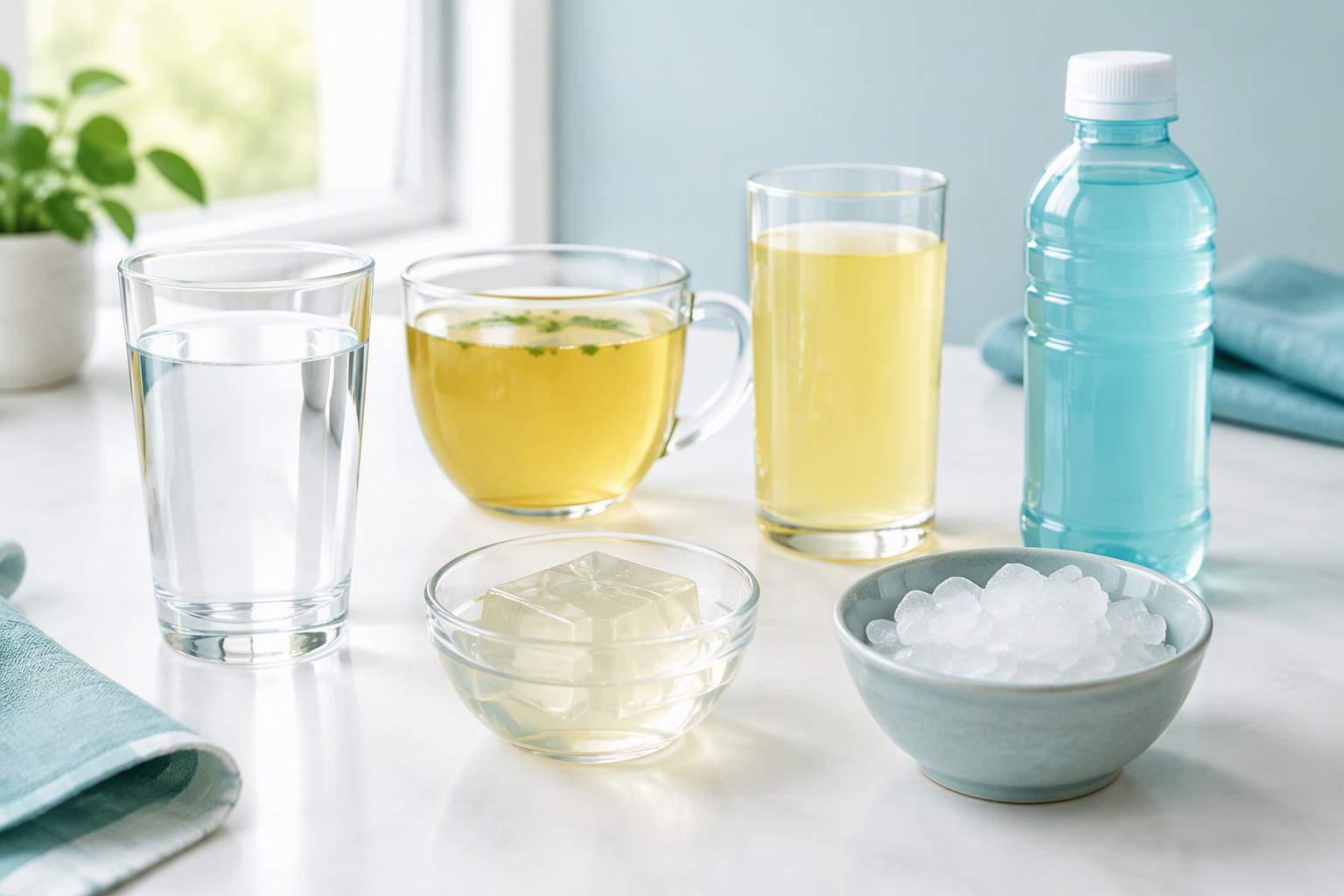
During the active phase described above, a clinician may recommend a clear-liquid diet briefly for a mild, uncomplicated diverticulitis flare-up to reduce stool volume and rest the bowel. It is not a self-directed fast. Because a clear-liquid diet does not meet full nutrient needs, follow the clinician’s timeline rather than extending it on your own. NIDDK describes a clear liquid diet for a short time to rest the colon, followed by slowly adding solid food (source).
Clear liquids that support hydration include:
- Water or ice chips
- Clear chicken, beef, or vegetable broth
- Pulp-free apple, white-grape, or cranberry juice
- Plain tea or coffee without milk or cream
- Electrolyte drinks
- Plain gelatin
- Ice pops without fruit pieces or red or purple dyes
Small, frequent sips may feel easier than large drinks when pain or nausea is present. Guidance on clear liquids during diverticulitis treatment can help you identify suitable choices for this temporary phase.
As symptoms improve, a clinician may recommend small portions of tolerated, low-fiber foods instead of a rigid BRAT diet. A low-fiber phase usually pauses whole grains, beans, raw fruits, and raw vegetables. Fried, greasy, and heavily spiced foods may also worsen discomfort, so they are commonly held back while active symptoms settle.
These limits are temporary, and the right foods change as recovery progresses, from broth and gelatin to soft, low-fiber foods in small portions. That gradual approach is more useful than any fixed list.
Contact a clinician if symptoms persist or worsen, fluids will not stay down, or moving beyond liquids is difficult. Use clear liquids only while they are tolerated and medically appropriate during the transition.
That is what to eat during a diverticulitis flare: clear liquids first, then the short list of low-fiber foods below.
What Can a Phase-Based Meal Plan Include?
As the flare improves and the clear-liquid phase described above ends, eating should follow the pace of symptom improvement and clinician guidance. Water, clear broth, and other tolerated transparent fluids may come first when symptoms and medical guidance call for them, with foods gradually reintroduced as pain, nausea, and other symptoms improve rather than returning immediately to a regular diet.
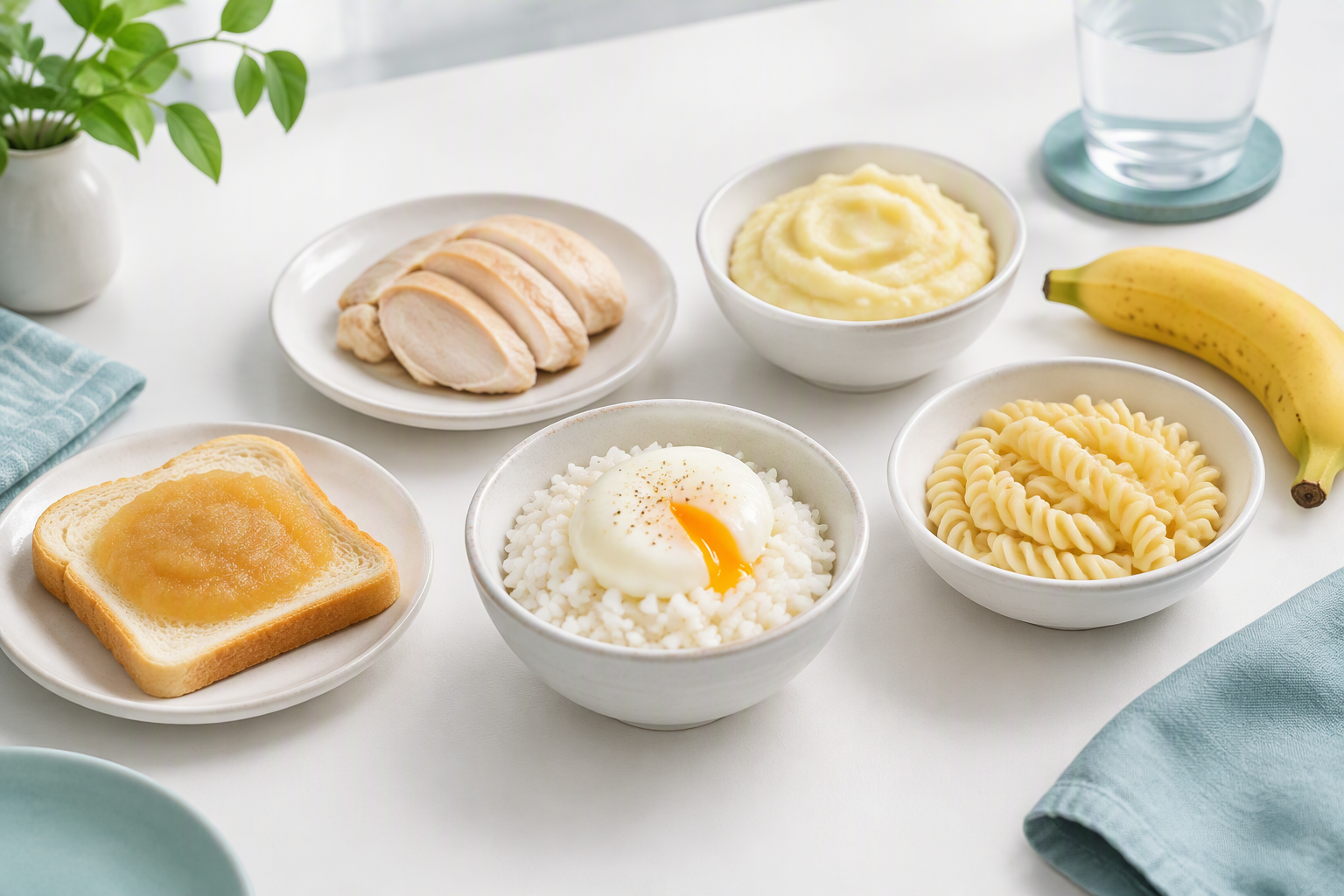
During the first recovery days, small meals every few hours can be easier to manage. Useful low-fiber foods include:
- White toast, plain crackers, white rice, refined pasta, cream of wheat, cornflakes, and mashed potatoes without skin.
- Applesauce, ripe bananas, canned peaches, and modest portions of well-cooked carrots, zucchini, squash, or peeled potatoes.
- Eggs, tender skinless chicken or turkey, fish, lean red meat, tofu, smooth nut butter, yogurt, or kefir when tolerated.
A practical day might pair toast with applesauce, rice with an egg, and refined pasta with a small serving of lean protein. Dairy-free options can replace yogurt or kefir, while tofu or eggs can replace meat. Texture, preparation, appetite, hydration, and symptoms should guide portions more than any rigid menu.
The BRAT diet, made up of bananas, rice, applesauce, and toast, may illustrate bland short-term choices, but it lacks the protein and variety needed for a complete recovery plan. Broader meals create a better bridge to fiber-rich foods during the maintenance phase.
Nuts need recovery-phase context. Smooth nut butter may be easier to tolerate during a sensitive phase, while whole nuts, seeds, and raw produce can wait until symptoms settle. Whether you can eat them depends on the phase and your tolerance, not a permanent rule.
Once solids feel comfortable, follow your clinician’s plan to gradually reintroduce foods and restore fiber in manageable portions. This keeps eating practical without making the diet unnecessarily restrictive.
Treat this as a diverticulitis food list for recovery, not a day-by-day meal plan: the order matters more than the exact menu.
How Do You Gradually Restore Dietary Fiber?
After the phase-based meal plan has become comfortable and symptoms have completely resolved, use your clinician’s plan to determine when to move beyond a clear-liquid or low-fiber diet. Once symptoms have completely resolved and your clinician approves the change, gradually reintroduce foods over several weeks, since returning to your usual diet too quickly can trigger gas, bloating, or cramping even when recovery is progressing.
A gentle progression can help:
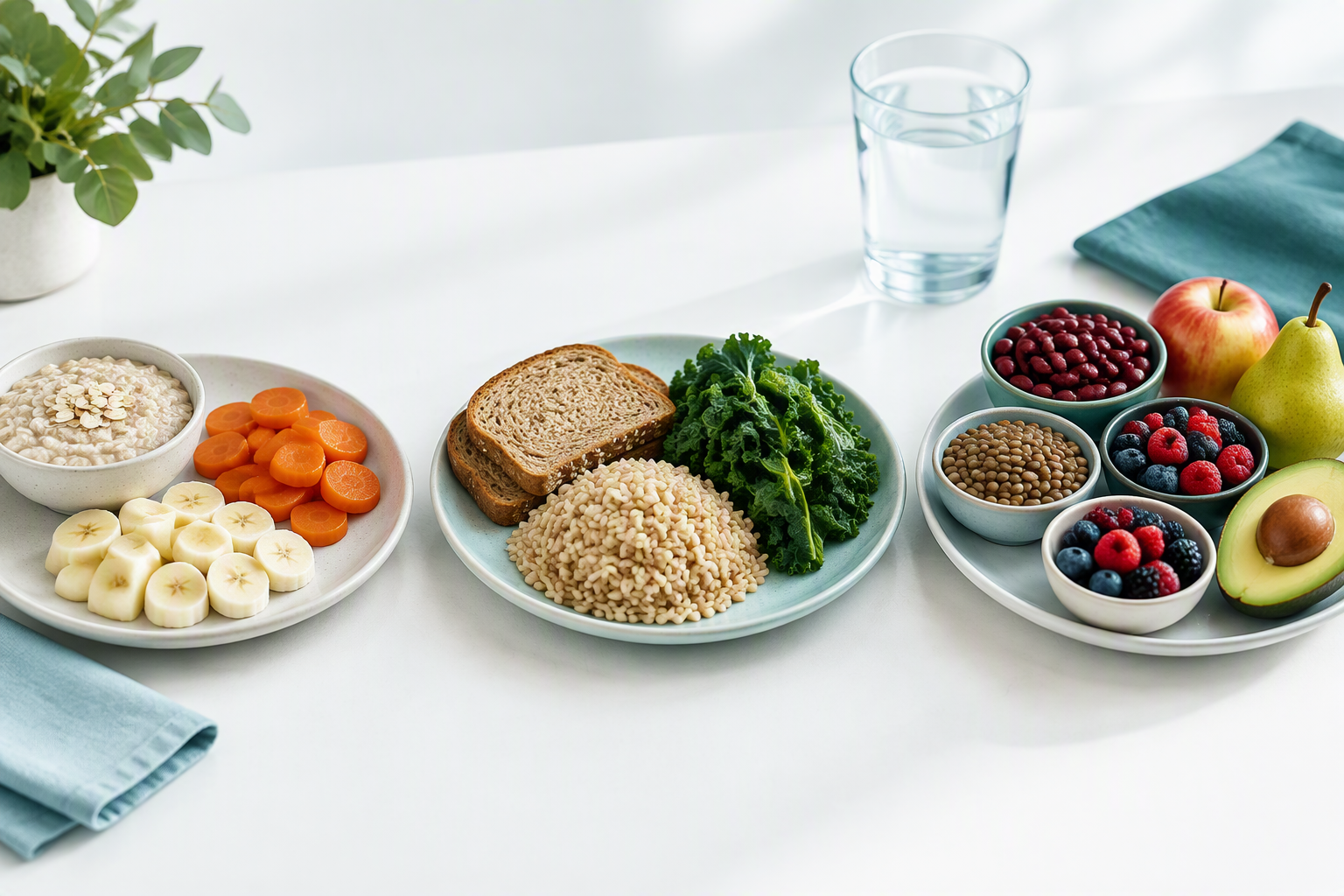
- Start with small portions: Choose lower-irritation, soluble-fiber foods such as oatmeal, barley, cooked carrots, or peeled fruit. Add one serving or meal at a time.
- Broaden your choices: As tolerance improves, add insoluble-fiber options such as whole-wheat bread or pasta, brown rice, leafy greens, broccoli, and fruit with edible skins. A high-fiber diet can eventually include whole grains, beans, lentils, split peas, chickpeas, vegetables, berries, apples, pears, and avocados.
- Build toward a practical target: Aim, over time, for about 28 grams of fiber a day on a 2,000-calorie diet, which is the guideline of 14 grams per 1,000 calories (source).
Soluble fiber absorbs water, while insoluble fiber adds stool bulk. For perspective, one cup of raspberries provides 8 grams, an Asian pear provides 6.5 grams, and an apple with its skin provides 4.8 grams. Those examples make a higher-fiber pattern easier to plan without forcing large servings, and how much fiber the colon needs has more portion ideas.
Pair each increase with enough fluid, and spread fiber-rich foods across meals instead of eating one oversized portion. Higher fiber intake is linked with a lower risk of diverticular disease in a large cohort study (source). Track symptoms as you gradually reintroduce foods so your routine stays comfortable and practical.
This is the recovery diet for diverticulitis in the long run, and it covers what to eat after diverticulitis once flares stop.
Can You Eat Nuts, Seeds, and Popcorn?
As fiber returns after recovery, nuts, seeds, and popcorn usually don’t need permanent removal. They generally don’t raise diverticulitis risk or become trapped in diverticular pouches. Most people with diverticulosis or diverticular disease can eat them again unless a food repeatedly causes symptoms. The answer is reassuring except during an active flare.
During a flare, follow the clear-liquid or low-fiber plan recommended by your healthcare professional, particularly with:
- Pain, fever, or nausea
- Diarrhea, constipation, or other bowel changes
Whole nuts, popcorn, and seeded foods may be harder to tolerate temporarily. Nuts are not a known cause of flares, and seeds do not need lifelong avoidance. Seeds usually aren’t what sets off a flare, so learning why diverticulitis flares happen can reduce unnecessary food fear.
As symptoms settle, reintroduce one food at a time in a modest portion, chew thoroughly, and watch for discomfort, bloating, or bowel changes. If popcorn repeatedly seems to bring on symptoms, pause that preparation and discuss alternatives with a doctor or dietitian as fiber returns gradually.
How Can You Build a Tolerable Eating Routine?
A tolerable routine should also account for meal timing, symptom patterns, and the foods you can repeat comfortably. There is no universal diverticulitis menu. After a flare, the AGA advises a high-quality diet, a normal body weight, regular activity, and not smoking to lower the chance of recurrence (source).
After a flare, follow your clinician's instructions for clear liquids or low-fiber foods before making gradual changes:
- Start with one serving: Add one modest portion of fiber-rich foods instead of changing several meals at once.
- Track your response: Briefly note gas, bloating, pain, bowel movements, and stool consistency. If symptoms worsen, return to the last comfortable amount rather than pushing through.
- Increase gradually: Keep portions steady until symptoms settle, then make another small change. Your comfortable fiber level may shift during recovery.
Fiber needs fluid to hold water in stool and support easier bowel movements. Aim for at least 8 cups, or 64 fluid ounces, of fluid a day, mostly water, unless a clinician sets a different limit, because too little fluid during a fiber increase can cause constipation (source).
Regular meals make patterns easier to identify. When a full plate feels uncomfortable, choose smaller, symptom-guided portions instead of skipping meals and becoming very hungry later. A short record of meal timing, portions, bowel habits, and discomfort can reveal patterns without turning one difficult meal into a permanent restriction.
Persistent constipation, pain, or bloating warrants guidance from a doctor or registered dietitian before a major increase in dietary fiber. A routine works best when it adapts to recovery while remaining practical enough to repeat.
Foods to eat with diverticulosis, once you are past a flare, are simply the foods in a varied high-fiber pattern that you tolerate.
Which Symptoms Require Prompt Medical Care?

Significant, persistent, or worsening abdominal pain needs prompt medical assessment, especially when fever or chills are present. This combination may reflect active diverticulitis, gastrointestinal bleeding, perforation, or another complication that dietary changes cannot treat.
Seek prompt care for any of these warning signs:
- Repeated vomiting or inability to keep liquids down: A clear-liquid diet cannot prevent dehydration when fluids will not stay down. Very little urine, dry mouth, dizziness, faintness, unusual weakness, or confusion make the situation more urgent.
- Rectal bleeding or bloody or black stool: These changes can signal gastrointestinal bleeding and require medical evaluation.
- Rapidly worsening illness: Severe abdominal swelling, a rigid or extremely tender abdomen, fainting, or breathing difficulty are emergency warning signs.
Do not delay care by trying diet changes, supplements, laxatives, or anti-diarrheal medicines. Evaluation may involve imaging, intravenous fluids, antibiotics, or hospital care, depending on the cause and severity.
A sensitive gut can make it difficult to tell whether symptoms are settling or becoming more serious. Improving mild discomfort may fit a planned food transition, but worsening pain, fever, chills, bleeding, vomiting, or dehydration calls for medical care rather than continued self-management. Record symptom timing, temperature, bowel changes, vomiting, and fluid intake so clinicians can assess the change clearly.
Diverticulitis Diet FAQs
The Diverticulitis Diet FAQs below address common questions about eating during a flare, returning to regular foods, fiber choices, and foods that often cause concern. They also consider how daily meal decisions may affect symptoms.
1. Can Alcohol Worsen Diverticulitis?
Alcohol may worsen abdominal pain, nausea, diarrhea, or dehydration during an active diverticulitis flare. Avoid it while symptoms persist and during early recovery, especially if your clinician recommends bowel rest, dietary limits, or medication that interacts with alcohol. Fried or greasy meals and heavy spices during a flare.
After symptoms resolve, lifelong avoidance isn’t always necessary. With clinician approval, test your tolerance cautiously, stop if symptoms return, and follow your recovery instructions rather than assuming a previously tolerated drink is suitable at every stage.
2. Are Probiotics Helpful After Diverticulitis?
Probiotics may be considered after an active diverticulitis flare resolves, but they aren’t required for everyone or proven to prevent recurrence. Your food choices should reflect whether symptoms are active or in remission, their severity, and your clinician’s instructions. Probiotics can’t replace medical evaluation or prescribed treatment. Before trying one, discuss it with your doctor or a registered dietitian, especially if symptoms continue or you are also considering a fiber supplement.
3. Can Caffeine Trigger Diverticulitis Symptoms?
Caffeine does not affect everyone the same way, but coffee and caffeinated tea can worsen diarrhea, cramping, urgency, or stomach discomfort during an active flare. Limit or pause them if symptoms increase, and ask your clinician when to reintroduce them. Some clinician-approved clear-liquid plans include plain tea or coffee without milk or cream, water, ice chips, clear broth, pulp-free apple, white-grape, or cranberry juice, electrolyte drinks, plain gelatin, and ice pops without fruit pieces or red or purple dye.
4. Should You Avoid Red Meat With Diverticulitis?
You don’t necessarily need to avoid red meat during diverticulitis recovery if your clinician recommends low-fiber foods. A modest serving of lean, tender, well-cooked meat provides protein without fiber. Other potentially tolerable options include eggs, skinless chicken or turkey, fish, tofu, and smooth nut butters.
Short-term tolerance differs from long-term eating habits. Diets low in fiber and high in red meat are associated with greater diverticulitis risk. After recovery, gradually restore fiber, limit red and processed meats such as bacon and sausage, and choose poultry, fish, or plant proteins more often.
5. Can Dairy Aggravate Diverticulitis Symptoms?
Dairy does not need to be automatically avoided during diverticulitis recovery. If you tolerate it, gradually add milk, yogurt, cottage cheese, kefir, and other cheeses as you return to regular foods.
Tolerance varies, particularly while symptoms are active. If dairy worsens bloating, cramping, diarrhea, or another digestive symptom, try a smaller portion or a different product, such as yogurt instead of milk. Follow your clinician’s guidance while your diet remains restricted, and change one food at a time so reactions are easier to identify.