


Hard workouts aren't required to support digestion. Exercise for gut health can help bowel regularity and comfort when it stays moderate, timed well around meals, and suited to your symptoms. Walking, easy cycling, and gentle mobility can support motility, the intestinal contractions that move food and waste forward.
A post-meal walk may feel comfortable, while hill intervals, heavy lifting, or deep bends can bring on reflux, cramping, urgency, or loose stools. That difference matters during IBS flares, when a routine that felt fine last week may add abdominal pressure or nausea. A comfortable 15 to 20 minute walk after eating is a useful starting point, not a guaranteed fix for bloating or constipation.
Over a week, about 150 minutes of moderate aerobic activity plus two to three strength sessions can be flexible rather than rigid. Increase only one part of your routine at a time, and scale back when symptoms worsen instead of pushing through.
Exercise for Gut Health Key Takeaways
- Moderate, consistent movement can support gut motility and bowel regularity.
- Walking after meals may aid digestion without requiring a strenuous workout.
- IBS-sensitive days often call for easy walking, gentle cycling, or light mobility work.
- Reflux is less likely with upright, lower-impact activity timed away from large meals.
- Hard or prolonged exercise can trigger cramping, urgency, nausea, reflux, or loose stools.
- Gradually increase duration, pace, frequency, or resistance one change at a time.
- Blood or black stool, severe pain, fever, fainting, or dehydration need prompt medical care.
How Does Exercise Affect Motility and the Gut Microbiome?
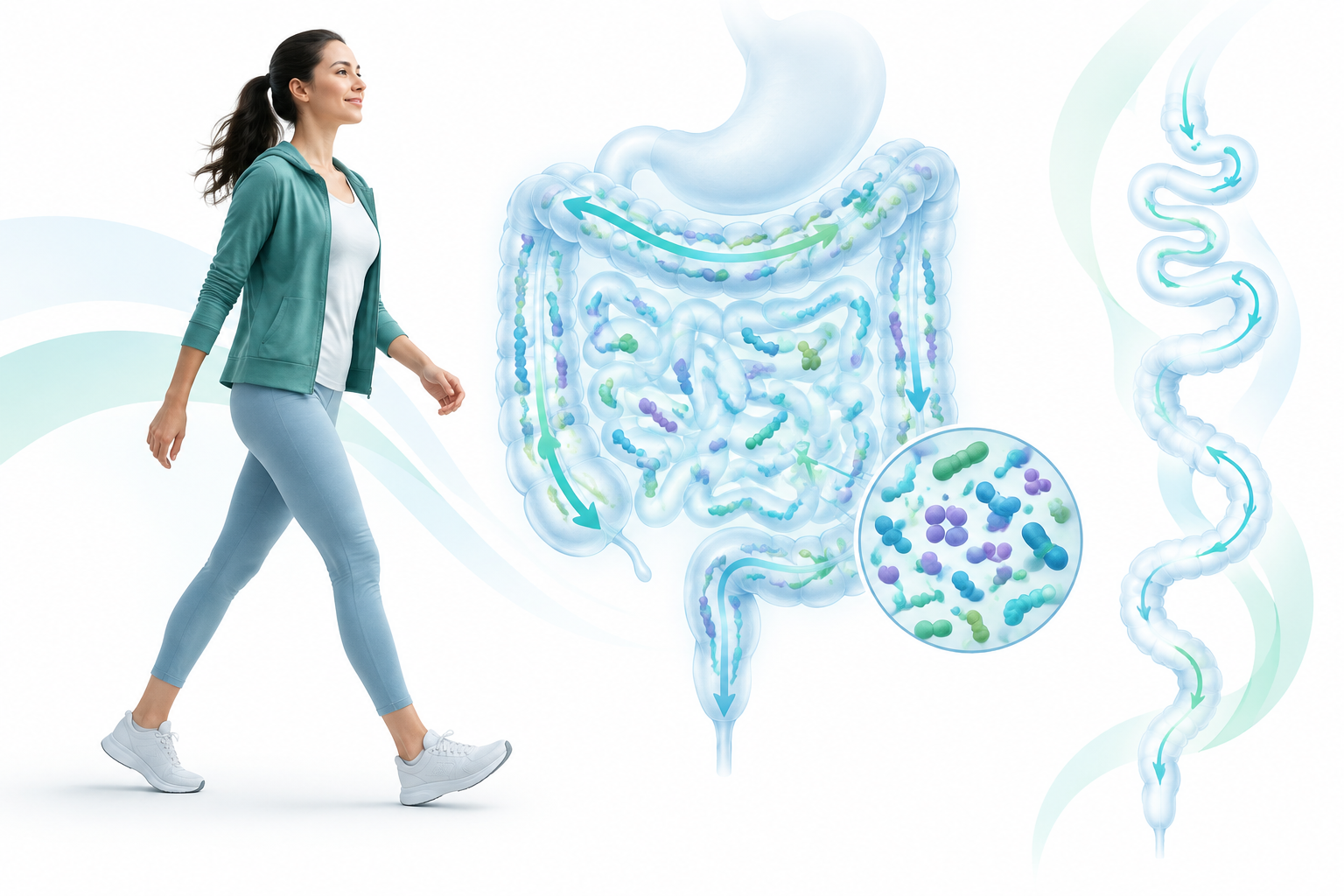
Comfortable, moderate movement can support gut motility, the wave-like intestinal contractions that move food and waste along. Walking, easy cycling, and similar aerobic activity may increase blood flow to the digestive tract and help stool pass through the colon more efficiently. That makes exercise and constipation a sensible pairing to consider, but a walk is not an immediate or guaranteed bowel-movement remedy.
For gut health and exercise, intensity matters as much as the activity itself. Light-to-moderate movement may support digestion and nutrient absorption over time, while long or strenuous sessions can cause symptoms for some people. Watch for these signs that an activity may be too demanding:
- Cramping or urgency: Hard effort can make intestinal activity feel uncomfortable.
- Reflux or nausea: Bouncing, bending, or exercising soon after a large meal may worsen upper digestive symptoms.
- Bloating or loose stools: A routine that suits someone else may be too intense during an irritable bowel syndrome (IBS) flare.
Regular activity at a pace you tolerate may also help maintain the connections between cells in the intestinal wall. These connections are part of the intestinal barrier, and increased intestinal permeability is often called "leaky gut," but this developing research does not show that workouts treat an intestinal disease. The practical goal is movement that supports your routine without repeatedly bringing on symptoms.
The relationship between exercise and gut microbiome is promising but less predictable. Regular moderate activity may be associated with greater gut microbiome diversity, meaning a wider range of microbes in the digestive tract (source). When tolerated, a varied diet containing fiber gives certain bacteria material to ferment into short-chain fatty acids, including butyrate. Butyrate helps nourish colon-lining cells and supports normal immune and inflammatory activity.
The wider picture of gut health also includes food, sleep, medications, stress, and health conditions, all of which can influence these microbes. Starting microbiome, activity type, and daily habits help explain why one person's response may differ from another's.
Exercise for gut health is most useful when it is consistent and comfortable rather than intense. Pairing the gut health diet alongside exercise can support your routine more effectively than relying on either habit alone. A brief symptom note after activity can show whether a routine improves bowel habits or worsens bloating, reflux, discomfort, or urgency.
Which Exercises Help Constipation, Bloating, and Gas?

When symptoms make a full workout unappealing, walking is often the simplest place to start for constipation, mild bloating, or trapped gas. An easy walk after a meal or during a work break is a practical exercise to prevent constipation, while a brisker pace may feel comfortable on symptom-free days. Exercise and constipation are best approached with short, repeatable bouts rather than one demanding session, and walking for gas relief should not leave you breathless.
The best exercises for digestion are usually those your body can tolerate consistently. How food moves through the gut helps explain why gentle movement may support regularity. Intestinal peristalsis can work differently when your body is relaxed than when it is pushed hard.
Low-impact aerobic movement adds variety with less jarring:
- Cycling: Cycling for gut health can feel comfortable at an easy pace. Raise the handlebars or shorten the ride if a hunched position adds abdominal pressure or reflux.
- Swimming: Gentle laps or water walking may suit days when impact feels unpleasant. Avoid a hard effort soon after eating.
- Light jogging or rowing: These may work on symptom-free days, but a new routine, vigorous pace, or tight core position can increase abdominal discomfort.
Yoga for digestion works best when it stays gentle, especially if stress tends to worsen bloating or gas. Slow breathing, easy twists, knee-to-chest movements, and comfortable hip or torso stretches may support the gut-brain connection, the two-way signaling between the brain and digestive tract. For people with IBS, the best exercise for bloating is often the one that eases tension without adding another symptom trigger.
A few limits matter during an active flare:
- Avoid abdominal strain: Deep twists, strong compression, and prolonged inversions can worsen nausea, cramping, reflux, or fullness.
- Keep breathing steadily: Breath-holding raises abdominal pressure and may make bloating worse.
- Reduce intensity: Light or moderate activity may support digestion, while high-intensity exercise can slow stomach emptying and interfere with digestion (source).
Resistance training supports gut health indirectly through metabolic health, body composition, and lower systemic inflammation, rather than providing direct gas relief. Body-weight squats, lunges, push-ups, resistance-band exercises, and manageable weightlifting can fit well when you can breathe steadily. Skip maximal lifts and intense core bracing on bloated days.
Seek medical care for severe or ongoing abdominal pain, vomiting, blood in stool, unexplained weight loss, or symptoms that repeatedly appear with exercise.
How Can You Move on IBS-Sensitive Days?

When constipation, bloating, or gas signals a more sensitive-digestion day, movement is not a test of willpower. Although movement may ease IBS symptoms for some people, it does not cure IBS. Match the activity to your symptoms, usual fitness, daily routine, and immediate goal, whether that is easing constipation, releasing stress-related tension, or simply feeling more comfortable.
When symptoms are unpredictable, low-impact exercise is often the most practical place to start:
- Easy walking: Choose a short route near home, work, or a restroom when urgency is a concern. A calm walk may feel helpful when constipation or stress is the main issue.
- Gentle cycling: Keep resistance low, and skip a forward-leaning position if it increases abdominal pressure or reflux.
- Comfortable swimming: Swimming for gut health may suit a mild-symptom day if pool access and changing-room logistics do not add stress.
- Light mobility work: Slow shoulder rolls, hip movements, and easy stretches let you move without putting much demand on your abdomen.
Gentle yoga for digestion can also support the gut-brain connection by helping your body settle rather than forcing digestion. How stress slows digestion helps explain why stress can change bowel patterns. Choose open, non-straining positions and slow breathing, then save demanding flows, deep twists, abdominal compression, and core-heavy work for better days.
A simple pacing check can keep movement from becoming another source of pressure:
- Start with a familiar activity at an easy effort, such as a brief walk or a few minutes of stretching.
- Notice abdominal comfort, cramping, nausea, and bowel urgency while moving and shortly afterward.
- Continue, slow down, switch to gentle indoor movement, or stop based on that response.
Consistency on manageable days matters more than making up for missed workouts. Build duration or frequency gradually when symptoms are mild, rather than making hard exercise a flare-day target. During more stable periods, a regular activity routine can support symptom management without turning exercise into a rigid plan.
Reduce intensity, head home, or rest when movement brings on any of the following:
- Worsening cramps or pain: Stop if discomfort builds rather than settles.
- Sudden urgency or diarrhea: Stay close to a restroom, choose a shorter route, or rest and try light stretching later.
- Dizziness or nausea: Rest rather than pushing through gastrointestinal symptoms.
Severe pain, blood or black stool, fever, dehydration signs, or new concerning symptoms need prompt medical attention. Over time, tracking meal timing, activity intensity, and symptoms can help you recognize whether a calm walk, light stretching, or rest fits your body best.
Does Walking After Meals Aid Digestion?

Walking after eating can gently support digestion without becoming a workout. A comfortable walk may help the stomach empty sooner and encourage intestinal movement, which helps food and waste travel through the gut.
That may be why walking to prevent bloating or walking for gas relief feels useful after a filling meal. Less time sitting with a full stomach can reduce pressure, sluggishness, and trapped-gas discomfort. Still, walking to speed up stomach emptying will not prevent every episode. Meal size, food choices, constipation, IBS, and your personal symptom pattern all matter.
Keep the routine deliberately easy:
- Choose a conversational pace: A short block loop, hallway laps, or light movement at home all count.
- Start soon after eating: The purpose is settling your body, not burning calories or training.
- Keep the route flat: Brisk walking after meals, hill intervals, and power walking can feel uncomfortable with a full stomach.
- Notice your response: Track how you feel after several meals before deciding whether the habit helps.
Light aerobic activity can make exercise for smoother digestion a practical option when occasional constipation is part of the picture. Does exercise help digestion? Often, the deciding factor is intensity. Gentle movement may help, while hard exercise can delay stomach emptying and increase digestive discomfort.
After a large or rich meal, take a shorter, slower walk or stay upright until fullness eases. Slow down or stop if movement causes:
- Cramping, nausea, or urgency
- Worsening bloating or reflux
- Dizziness or abdominal pain
During an IBS flare or post-meal illness, upright rest may feel better than pushing through. Frequent, severe, new, or changing digestive symptoms deserve attention from a healthcare professional. A manageable walk that leaves you steadier is more useful than a demanding routine that makes digestion harder.
An evening walk also feeds back into sleep and digestion, since both settle on a regular rhythm.
How Should You Exercise With Reflux?
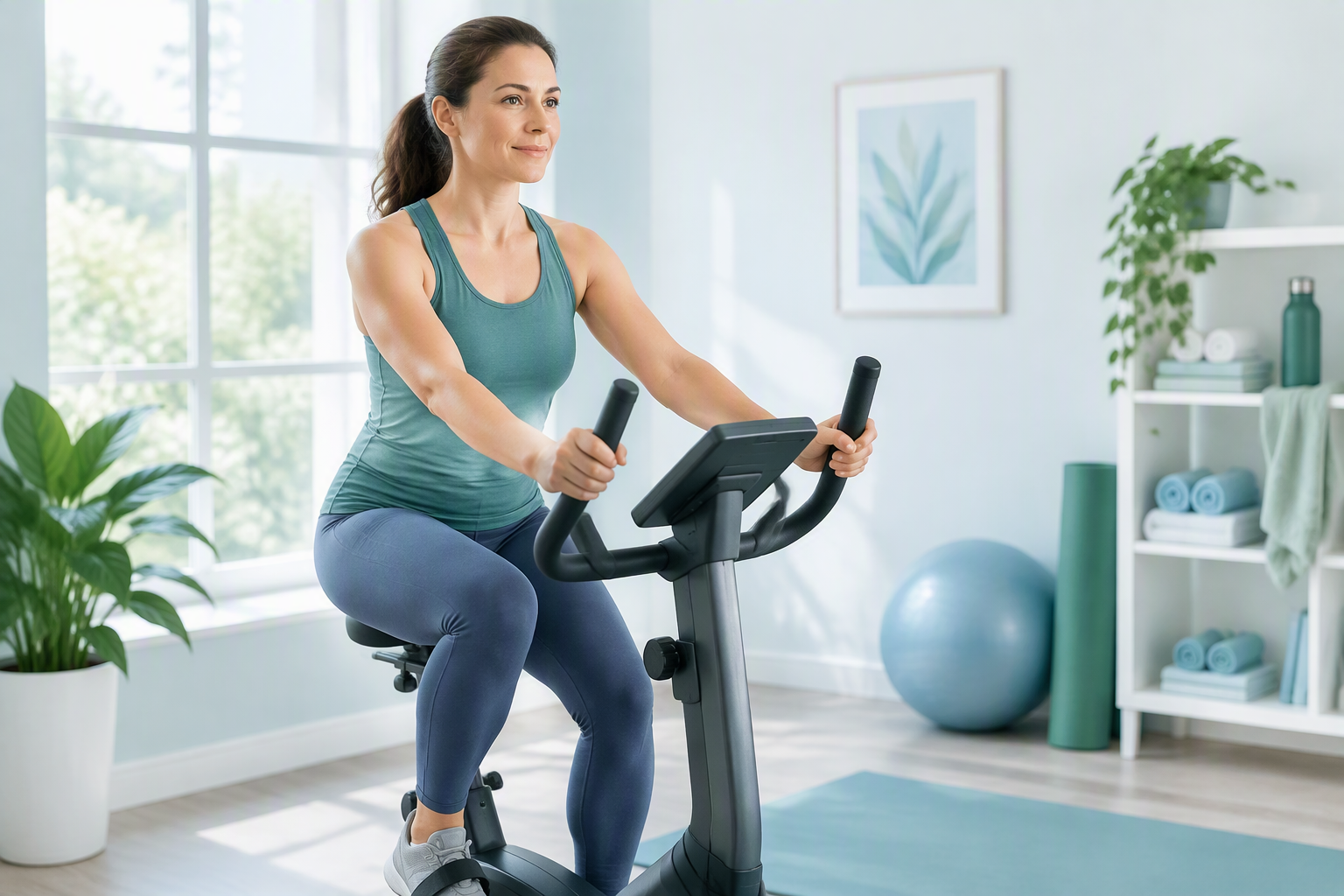
Because post-meal movement can also aggravate upper-digestive symptoms, reflux-aware exercise is upright, moderate, and timed around your meals. Match movement to your fitness level, usual routine, and symptom pattern rather than chasing punishing workouts. Intense exercise is not necessary to support your gut health, and more is not always better when heartburn, regurgitation, nausea, or upper-abdominal discomfort is active.
An easy-to-brisk walk, upright cycling, or similar low-impact activity is often a practical starting point. These options avoid lying flat and repeated abdominal compression. Federal physical activity guidance supports choosing activity that fits your abilities and building from there (source). Light movement may support digestion for some people, while high-intensity exercise may worsen reflux symptoms.
Reflux and exercise timing can matter as much as the activity itself. A hard or lengthy workout immediately after a large meal is more likely to cause trouble if post-meal heartburn is already a trigger. Choose a gentle upright walk after eating, then note whether meal size, food choices, workout intensity, or timing consistently come before symptoms. Regular physical activity is also among lifestyle measures that can help manage constipation (source).
When symptoms occur, modify or pause activities that commonly aggravate reflux:
- Vigorous running, repeated jumping, and high-intensity intervals, especially after eating.
- Heavy lifting that involves breath-holding or forceful abdominal straining.
- Deep forward bends, floor exercises, and inverted positions.
- Long, unfamiliar, or extreme workouts, which may also bring cramping, nausea, bloating, diarrhea, or abdominal discomfort.
Exercise-induced reflux does not mean you need to stop moving, so slow your pace, stay upright, shorten the session, or allow more time after meals rather than pushing through discomfort. A brief symptom note can reveal patterns that are easy to miss during a busy week.
Occasional reflux is a signal to adjust your position, pace, or timing. Persistent, worsening, or disruptive symptoms need medical advice, while chest pain, trouble swallowing, vomiting, unexplained weight loss, or black stools need prompt medical care.
How Much Exercise Supports Gut Health?
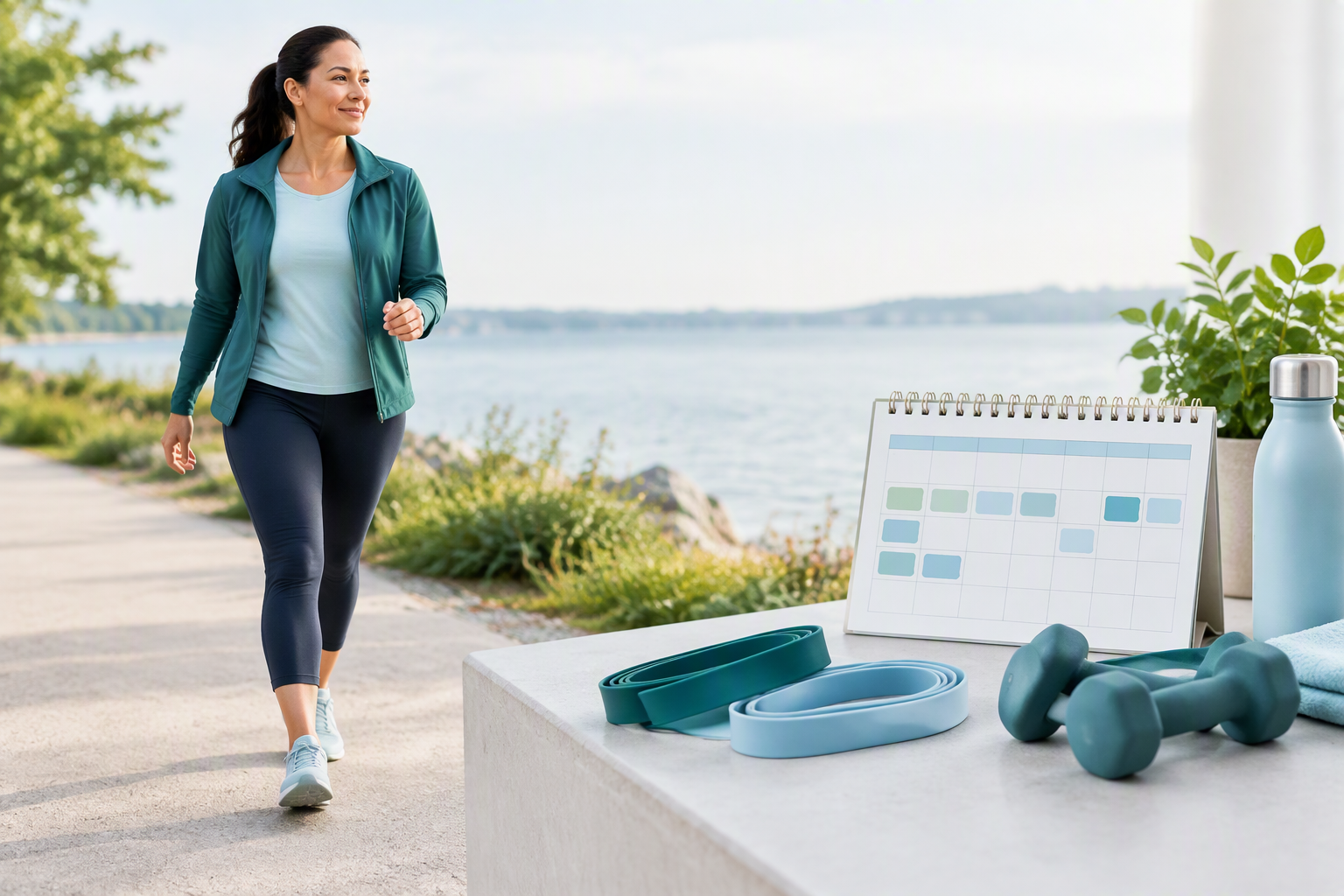
Regular moderate exercise can support digestion without turning movement into a weight-loss target or a pass-or-fail workout plan. A flexible weekly starting point is about 150 minutes of moderate aerobic activity, often 30 minutes on five days, plus strength training two to three times a week. Short bouts count, so a few movement breaks or a brief walk can still fit into busy work and family routines.
Moderate intensity means your breathing becomes deeper, but you can still speak in short sentences. That cue is often more useful than pace because stress, medication, symptoms, and sleep and digestion can all change how activity feels. Choose movement your body can tolerate consistently rather than forcing a routine that leaves you drained or uncomfortable.
Accessible exercise for gut health can include:
- Walking: Walking most days can support bowel regularity without putting much strain on your digestive system.
- Cycling: Easy-to-moderate cycling for gut health is a lower-impact option, as long as the riding position does not worsen reflux or abdominal pressure.
- Strength work: Resistance exercises are useful even when athletic performance is not your goal. Controlled movements and steady breathing may feel easier on your abdomen than straining or holding your breath.
Combining aerobic and resistance exercise may increase microbial diversity more than either approach alone, though each person’s microbiome response differs. The better-established benefits of gut health and exercise are improved overall health and support for regular bowel movements.
More intensity is not always better for digestion. Very hard or prolonged workouts can trigger cramping, urgency, nausea, reflux, or loose stools for some people. Build gradually by changing only one part of your routine at a time, whether that is duration, frequency, pace, or resistance. Familiar meals, adequate fluids, and recovery days can matter more than pushing through a demanding session.
Match the session to your symptoms:
- When constipation is your main concern and you otherwise feel comfortable, moderate walking, cycling, or strength training may fit well.
- During bloating, gas, or IBS flares, gentle walking, light stretching, or yoga can help you keep moving without adding intensity.
- When reflux is active, upright, lower-impact activity is often more comfortable. Bending, jumping, and core-heavy exercise soon after eating may aggravate symptoms.
A flexible week can spread aerobic movement across your usual schedule, place strength sessions on nonconsecutive days, and include optional short walks after meals. A simple note on symptoms, activity intensity, meal timing, hydration, and recovery can reveal useful patterns. New, severe, or persistent digestive symptoms need medical guidance rather than more effort in the gym.
Exercise intensity and gut health pull in opposite directions past a point. Moderate-intensity exercise, such as brisk walking or light jogging, supports gut motility and microbial diversity. High-intensity interval training for gut health is a mixed bag, since very hard efforts divert blood away from the gut. A weekly exercise routine for gut health can be simple: cardio for digestion most days, strength training for gut health twice a week, and yoga for digestive tension when the belly feels tight.
What Causes Runner's Diarrhea and Gut Symptoms?

At the more demanding end of exercise, runner's diarrhea is a cluster of gastrointestinal symptoms that can include cramping, sudden urgency, loose stools, nausea, bloating, and abdominal discomfort during or after a demanding run. It is common during endurance events, but symptoms still deserve attention, especially when they interfere with drinking, fueling, or finishing a workout. Some runners also experience abdominal pain or rectal bleeding during prolonged efforts.
Longer or harder-than-usual runs are frequent triggers. During high-intensity exercise, your body sends more blood to working muscles and skin to support movement and cooling. Reduced blood flow to the digestive tract can disrupt normal digestion, leading to nausea, cramps, urgency, or diarrhea. Heat, hills, a faster pace, and an underprepared race can add to the strain.
Dehydration can intensify the problem. Sweat loss reduces the fluid volume circulating in your body, which may further limit digestive blood flow and worsen nausea, cramping, and diarrhea. Once symptoms make it hard to drink or take in fuel, the cycle can become harder to break. Hydration during exercise works best when you begin adequately hydrated and replace fluids gradually on long or hot runs based on thirst, sweat losses, and your own tolerance.
Food and drink triggers vary from runner to runner. Common trouble spots include:
- A large meal too close to the start of a run.
- New gels, sports drinks, or other fuel that you have not practiced with in training.
- Highly concentrated carbohydrate drinks that may sit heavily in the stomach.
- High-fat or high-fiber foods before running.
- Caffeine and sugar alcohols, including sorbitol or xylitol, which can increase gas, bloating, or loose stools.
A familiar fueling plan is usually more useful than searching for a perfect one. Allow pre-run meals time to digest, then test the portions, timing, and products you expect to use on longer training runs.
Hard, unfamiliar endurance efforts can also temporarily affect the intestinal lining, increase inflammatory stress, and shift gut-microbe balance. Intestinal permeability may add to symptoms after a sudden jump in mileage or pace. One difficult workout does not permanently damage your gut, but gradual stamina-building and recovery days give your digestive system time to adapt along with your muscles.
When symptoms begin, slow down or end the session rather than pushing through worsening discomfort. Seek prompt medical care for blood or black stool, severe or worsening pain, fainting, persistent vomiting, fever, or significant dehydration. Diarrhea that continues beyond the workout, or repeated symptoms that limit training, needs clinical attention, particularly if you have IBS or another digestive condition.
Running for gut health works at easy paces. The trouble starts with long or hard efforts. Exercise for IBS follows the same rule, and low-impact exercise for IBS such as walking, swimming, or cycling is better tolerated than hard running.
Exercise for Gut Health FAQs
These FAQs cover common questions about exercise for gut health, from choosing manageable movement to recognizing when digestive symptoms call for a gentler approach.
1. Can Exercise Improve Gut Microbiome Diversity?
Yes. Regular, moderate aerobic activity may support gut microbiome diversity, with increases in Lactobacillus and Bifidobacterium. These bacteria are associated with a stronger intestinal barrier and lower inflammatory activity. In the exercise and gut microbiome relationship, fiber also matters because microbes ferment it into butyrate, a short-chain fatty acid that nourishes colon-lining cells and supports immune function. No workout can predict your response, though. Diet, sleep, medications, health conditions, and your starting microbiome all play a role.
Aerobic exercise and healthy gut bacteria go together in most studies, and moderate exercise for gut bacteria diversity does not require athletic training.
2. Should You Exercise During a Gut Flare?
Move only when symptoms are mild and manageable, rather than pushing through a planned workout. A slow walk, gentle yoga, easy cycling, or swimming may be more comfortable for IBS or sensitive digestion than intense exercise. Reduce the pace or stop if cramping, urgency, dizziness, nausea, or pain increases.
Rest and fluids can be the better choice when diarrhea, fatigue, significant bloating, or poor sleep leaves you drained. Sip water, replace fluids after diarrhea or sweating, and return gradually as symptoms settle. Blood or black stool, fever, severe abdominal pain, fainting, or dehydration signs need medical evaluation.
Exercise for sluggish digestion during a flare means gentle movement only: a short walk, knee-to-chest exercises for digestion, or yoga twists for digestion. A workout for bloating should never be intense.
3. Can Strength Training Cause Digestive Symptoms?
Strength training, including weights, resistance bands, push-ups, squats, and lunges, may support gut health indirectly by improving metabolic health, body composition, and inflammation, but it will not guarantee symptom relief. Heavy bracing, breath-holding, dehydration, hard sessions, or meals too close to exercise can trigger bloating, cramping, urgency, or exercise-induced reflux. Lower the load, sip fluids, and allow more time after eating when symptoms recur. Planks, bridges, and dead bugs can strengthen the abdominal wall, posture, and pressure control, but stop if they cause pain, reflux, or pelvic pressure.
Resistance training for gut health is fine when you breathe through each lift. Planks and core strengthening for digestion add abdominal pressure, so stop if reflux follows. Exercise for reflux favors upright, low-impact options.
4. Does Hydration Prevent Exercise-Related Constipation?
Hydration during exercise helps maintain softer stool and supports exercise tolerance, but it cannot guarantee that exercise will prevent constipation. Moderate aerobic movement may stimulate intestinal muscles and help stool move through the colon, yet routine changes, diet, stress, medications, or a mismatched workout pattern can still contribute to constipation.
Intense or prolonged activity can also trigger digestive symptoms despite adequate fluids. Build stamina gradually and allow recovery. Seek medical care for severe or persistent abdominal pain, vomiting, dizziness, inability to keep fluids down, blood in the stool, or bowel changes that do not improve.
Exercise for constipation works best with fluids, and constipation prevention needs both.