


A microbiome report may list bacteria and diversity patterns, but it cannot tell you why you have bloating, constipation, diarrhea, or irregular bowel habits. At-home microbiome testing analyzes genetic material in one stool sample to estimate which microorganisms are present. Those findings can be interesting context, especially alongside food and symptom notes, but they are not a diagnosis of IBS, food intolerance, or inflammation.
A high or low wellness score can sound more definite than it is. Results vary with recent meals, antibiotics, travel, collection methods, and the laboratory's reference database, and NIST found that seven commercial companies returned different findings from identical donor samples. The 2025 international expert consensus found scarce evidence for routine clinical use of commercial microbiome testing.
When symptoms need an answer, targeted options such as PCR stool panels, fecal calprotectin, FIT, or fecal elastase-1 may match the clinical question more closely. A complete symptom history often provides more useful direction than changing your diet around a single organism flag.
Microbiome Testing Key Takeaways
- At-home microbiome tests estimate organisms and diversity in a single stool sample.
- Results cannot diagnose IBS, food intolerance, infections, or inflammatory bowel disease.
- Recent diet, medications, travel, and laboratory methods can change reported findings.
- NIST found different commercial results from identical stool samples.
- 16S sequencing offers broad bacterial patterns, while shotgun metagenomics provides wider genetic detail.
- The 2025 consensus found limited evidence for routine clinical use of commercial microbiome tests.
- Targeted tests such as PCR, fecal calprotectin, FIT, and fecal elastase-1 answer specific clinical questions.
How Does Gut Testing Go Beyond Microbiome Kits?

The microbiome test vs stool test distinction is mainly about purpose. Consumer kits give a broad, wellness-focused picture of bacterial groups and diversity, which may be useful for curiosity or a diet discussion. Gut testing beyond microbiome kits means recognizing that these reports cannot diagnose inflammatory bowel disease, celiac disease, infections, or other diseases on their own.
Persistent bloating, diarrhea, constipation, abdominal pain, or possible irritable bowel syndrome (IBS) calls for a specific clinical question. A healthcare professional can help determine whether testing is needed and whether a result would change care. Clinical microbiome testing cannot reliably pinpoint the cause of a symptom or select treatment from a list of organisms.
Clinician-ordered stool tests can answer more defined questions:
- Infectious diarrhea: A polymerase chain reaction (PCR) stool panel looks for specific pathogens. Clostridioides difficile (C. DIFFICILE) testing may be appropriate after antibiotics, a healthcare stay, or another relevant exposure.
- Possible inflammation: Fecal calprotectin measures a marker associated with intestinal inflammation. A high or normal result does not establish a diagnosis, but it can help separate a possible inflammatory problem from functional symptoms and indicate whether further evaluation is needed.
- Blood in stool: A fecal immunochemical test (FIT), also called occult-blood testing, detects blood for appropriate screening or diagnostic follow-up.
- Possible pancreatic enzyme insufficiency: Fecal elastase-1 assesses pancreatic enzyme production. Results above 200 micrograms per gram are generally normal, while watery diarrhea can dilute the sample and produce a falsely low reading.
A kit can help you learn about the gut ecosystem, but symptom-led testing FITs better when an answer needs to rule in or rule out a defined problem. Bring your symptom pattern, duration, severity, recent antibiotic use, and relevant exposures to the conversation rather than treating food scores or diversity results as a diagnosis.
What Is At-Home Microbiome Testing?
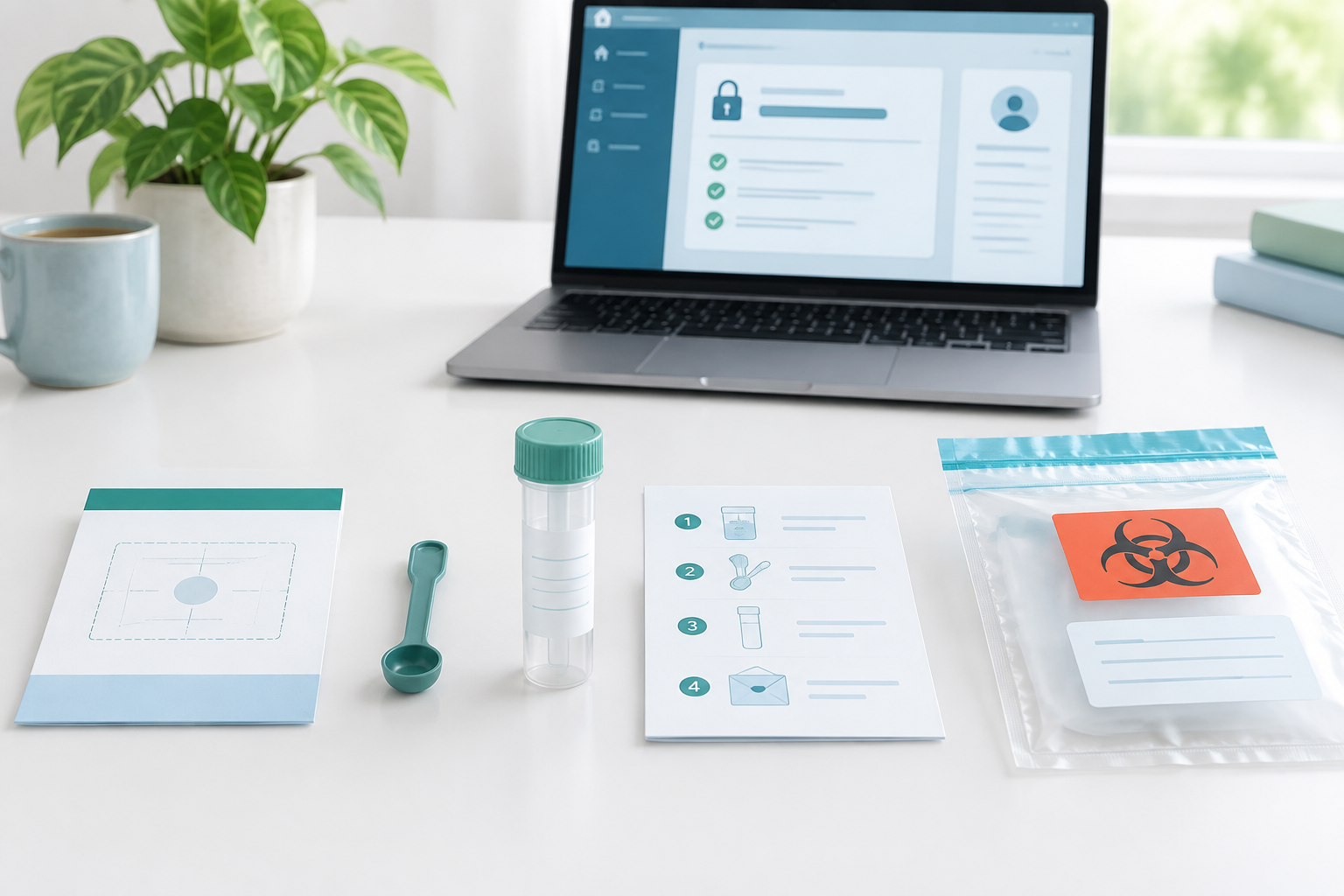
By contrast, an at-home gut microbiome test is a consumer wellness service that examines microorganisms in a small stool sample, mostly bacteria and sometimes fungi. A microbiome testing kit may identify patterns in your sample, but it cannot diagnose the cause of bloating, constipation, diarrhea, or irregular bowel habits.
People often buy a gut bacteria test for general wellness, personalized nutrition, or to watch for possible changes after adjusting their diet. A home stool sample test can offer discussion points when symptoms continue or feel concerning, but it does not explain symptoms definitively or replace medical evaluation.
Collection usually follows a simple process:
- Register the kit online so the laboratory can connect the sample with your account.
- Follow the provider’s directions for timing, storage, and mailing.
- Collect the sample with the supplied paper, swab or small scoop, and collection card or stabilization vial.
- Seal it in the prepaid, biohazard-labeled return package and mail it as directed.
In the lab, stool DNA sequencing examines genetic material from microorganisms in the sample. This microbial DNA sequencing method estimates which organisms are present. Some providers instead analyze ribonucleic acid (RNA), another form of genetic material.
After quality checks and analysis, digital reports are usually posted to your account within two to four weeks, depending on shipping and the provider’s processing steps. Reports often include estimated organism findings and diversity measures, which reflect how varied the microbial community appears.
A report is most useful alongside your symptoms, eating patterns, and health history. Avoid making major food changes based only on a wellness score or food suggestion, especially if it would make your diet more restrictive.
What Can a Microbiome Report Show?

A microbiome dashboard shows patterns from one stool sample, not the exact cause of bloating, constipation, or diarrhea. The answer to what does a microbiome test show is a snapshot created through microbial DNA sequencing, not a full census of your gut or a diagnosis.
Reports can list detected taxa, or microbial groups, from broad phyla through genus, species, and occasionally strain level. The testing method, including 16S rRNA sequencing or shotgun metagenomics, affects how much detail is available for species-level microbiome analysis. Relative abundance is the share of detected DNA assigned to a microbe in that sample. It does not show how much of that organism lives throughout your gut or prove that it causes symptoms.
A microbial diversity score reflects the range and balance of detected microbes, not a grade for gut health. Higher diversity is associated with ecosystem resilience, resistance to invading pathogens, and metabolic flexibility. Lower diversity may occur alongside digestive concerns, but neither result confirms inflammation, explains bloating, or identifies the treatment you need. Food suggestions on a report are not a diagnosis of a trigger either. A structured elimination diet is the way to test one.
Many dashboards also condense findings into quick-read metrics:
- Named organisms: Reports may flag short-chain fatty acid producers, such as Faecalibacterium prausnitzii, or Akkermansia, which is associated with gut-barrier function. Detection and reference-range comparisons are observations, not proof of benefit or harm.
- Ratios and categories: Dominant phyla, enterotypes, and the Firmicutes-to-Bacteroidetes ratio can shift with diet, medications, symptoms, laboratory methods, and the company’s reference database.
- Wellness scores: Proprietary scores may look precise, but they are not validated diagnoses of metabolic health, inflammation, or overall gut health.
Some reports estimate short-chain fatty acid production, vitamin synthesis, or mucin degradation from detected organisms or genes. These predicted functions are not direct measurements of what your body produces.
Food, lifestyle, probiotic, and supplement suggestions can be useful discussion starters when they fit your symptoms and usual eating pattern. A single organism flag or score is not a strong reason to remove major food groups without considering your symptoms and clinician guidance.
One thing a report cannot show is where gas is being made. Bloating after certain foods is a question for breath tests for SIBO and intolerance, not for a stool sequence.
How Do Testing Methods Differ?
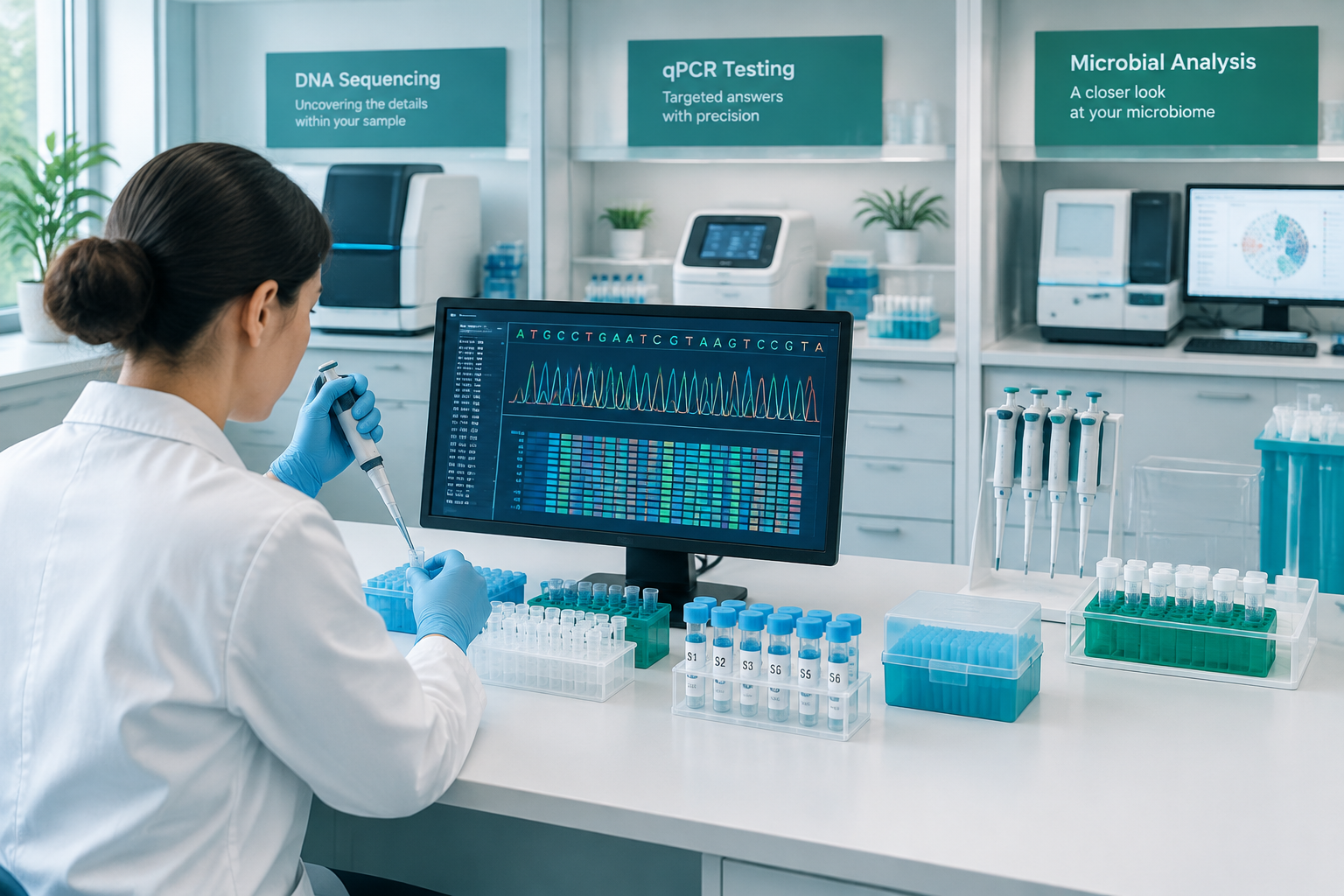
Because the findings a report can show depend on its method, the right test matches your question, not the report with the most detail. Gut microbiome test accuracy depends on the method, the lab’s reference data, and the question being asked. NIST reference materials can help laboratories check measurement consistency, but they cannot make a broad stool profile diagnose bloating, constipation, diarrhea, or other persistent digestive symptoms.
The main methods look at different parts of the microbial community:
- 16S ribosomal ribonucleic acid (RRNA) sequencing: This method reads a marker gene in bacteria. It is often a lower-cost option for broad bacterial patterns, but results usually identify organisms only to the family or genus level, not a reliable species or strain. It also misses most fungi, viruses, and evidence of microbial activity. Internal transcribed spacer (ITS) sequencing may be added to profile fungi.
- Shotgun metagenomic sequencing: This approach reads much of the genetic material in stool. It can identify bacteria at the species level and sometimes strain level, while detecting fungi, viruses, and genes linked to microbial pathways. The wider profile is more complex and typically costs more. Finding a gene does not prove it is active or causing symptoms.
- Quantitative polymerase chain reaction (QPCR): This focused test searches for selected pathogens, parasites, viruses, or genetic markers. It can help investigate a suspected infection but does not map the full microbiome.
- Culture-based testing: Culture grows organisms that can survive laboratory conditions and may support antimicrobial susceptibility testing. Anaerobic and difficult-to-grow microbes may be missed, so culture cannot provide a complete community profile.
- Metatranscriptomics: This emerging RNA-based method measures genes that may be actively expressed rather than DNA alone. RNA instability and technical demands limit its use, and estimates that combine microbiome results with food logs or continuous glucose monitor data remain developing insights, not diagnoses (source)).
These microbiome testing limitations matter when a report seems more certain than it is. A 16S test may suit broad bacterial patterns, shotgun sequencing offers a wider research-style profile, and targeted testing FITs a specific clinical concern. Avoid major food restrictions or supplement changes based on one result alone.
Why Can Identical Samples Produce Different Results?
Beyond the testing methods themselves, a stool sample captures one moment in your gut, not a permanent map of your health. Microbial patterns can shift over days with recent meals, major diet changes, stress, poor sleep, travel, illness, or changes in bowel habits. Different reports do not automatically mean your gut suddenly improved or declined.
Collection timing also matters. Probiotics, antibiotics, other medications, supplements, and recent food changes can alter the microbial community or the signals a test measures. Note anything that changed near your collection date, especially before comparing results, because food suggestions in a report may also reflect your collection timing and recent changes.
Laboratory choices can produce different findings from biologically identical material. The National Institute of Standards and Technology sent stool samples from one donor to seven commercial companies, and the companies returned varying results. Preservation methods, DNA extraction, laboratory handling, sequencing, and computational identification can all affect which organisms appear in a report.
For FDA direct-to-consumer tests and clinical microbiome testing, these microbiome testing limitations affect how results should be interpreted:
- Detected organisms: A report identifies microbes found in that particular sample at that time.
- Reference comparisons: Each company may use different databases and scoring rules to judge what seems typical or unusual.
- Wellness labels: Diversity scores, “imbalance,” and “ideal level” are company-specific interpretations, unlike many standardized blood-test ranges.
- Food guidance: Suggested foods cannot identify the cause of bloating, constipation, or diarrhea.
No universal healthy microbiome exists because diet, age, geography, lifestyle, and other factors shape gut microbes. Research is still developing, and many reported connections among microbes, foods, and digestive symptoms show correlation rather than cause and effect.
A report can add useful context alongside your symptoms and medical history, but it cannot predict which change will help. Symptom tracking often provides a steadier starting point than making major diet changes based on one score.
When a gut test makes sense depends on the question you need answered, not a wellness score. Clinical usefulness requires evidence that acting on a result improves a health decision or outcome.
What Do the FDA and 2025 Consensus Say?
The FDA says direct-to-consumer tests for general wellness or low-risk purposes are generally not reviewed before they are offered, while higher-risk tests are more likely to undergo FDA review (source). A report may identify genetic material or estimate organisms in a stool sample, but it cannot diagnose IBS, food intolerance, or another digestive condition. Persistent or concerning symptoms may need a standard medical evaluation, including symptom-based criteria and other testing when appropriate (source).
A careful lab process supports confidence in how a sample was handled and measured, not what the findings mean for your health. Signs of a credible process include:
- Oversight: Accreditation or other regulatory oversight of laboratory practices.
- Quality controls: Checks that help confirm the sample and testing process performed consistently.
- Methods: Clear sequencing, computational, and analytical validation methods.
Analytical validity means a test reliably detects or estimates a microbe. Clinical validity is a higher, separate question: whether that microbe level has a known connection to your bloating, constipation, or diarrhea. Microbiome research is only about two decades old, and many findings are correlations rather than proof that an organism caused symptoms or that changing it will help.
A 2025 international expert consensus reported that evidence for routine clinical use of commercial microbiome testing is scarce and that direct-to-consumer reports do not yet have standardized clinical value. That limit does not dismiss the research. It means microbiome results interpretation works best alongside your symptoms, diet, medical history, and established tests when needed.
Food recommendations from microbiome testing and personalized diet advice can sound highly specific without showing that a change will improve symptoms. Even when a report is interesting, it does not prove that your microbiome is abnormal or that a probiotic, supplement, or diet change will help. Its recommendations are better used as discussion prompts with a healthcare professional, not as diagnoses or prescriptions.
Wellness versus diagnostic gut testing is the line the FDA draws. A general wellness microbiome test is not cleared to diagnose anything, so the clinical value of microbiome testing rests on the evidence, not on the report design.
How Should You Use Results for Symptoms?

For persistent digestive symptoms, start with your symptoms, not a wellness kit. Bloating, constipation, diarrhea, abdominal pain, and changing bowel habits can interrupt daily life, but they do not automatically point to a microbiome imbalance. Persistent, worsening, or unexplained symptoms need clinical evaluation.
Prompt care is important if you have:
- Blood in your stool or black stools
- Unexplained weight loss or fever
- Severe or increasing abdominal pain
- Dehydration
- Symptoms that wake you from sleep
At an appointment, a brief record of symptom timing, bowel changes, recent illness or travel, medications, diet changes, and family history gives your clinician a clearer starting point than a report-based diagnosis. Depending on the pattern, testing may include blood work, celiac testing, fecal calprotectin, conventional stool testing, or breath tests.
For suspected exocrine pancreatic insufficiency, fecal elastase-1 results are interpreted as follows:
- Above 200 mcg/g: Generally normal.
- 100 to 200 mcg/g: May suggest mild to moderate insufficiency and need follow-up.
- Below 100 mcg/g: Consistent with severe insufficiency (source).
Consider stool consistency when interpreting a low fecal elastase-1 result.
Treat microbiome test results as context, not a prescription. Diversity scores and individual organism patterns can show associations, but they cannot prove that one bacterium is too high, too low, or causing your symptoms. Predicted short-chain fatty acid pathways, disease-risk scores, and “ideal” diet or probiotic suggestions remain unproven.
Be especially cautious when a report turns its findings into restrictive food lists, supplement sales, or claims of pathogens, overgrowth, or imbalance. Bring the complete report and a symptom-and-food log, then ask what was directly measured versus inferred, whether findings change the clinical picture, and whether 16S sequencing, shotgun sequencing, or targeted testing was used. Laboratory validation, handling of diet and medication effects, and personal-data practices also matter. A licensed clinician, not a wellness report, makes clinical-management decisions.
Microbiome test interpretation starts with what the method can see. A 16S rRNA microbiome test names bacteria to the genus level. DNA microbiome testing with shotgun sequencing goes further. RNA microbiome testing reads activity rather than presence. Gut microbiome diversity numbers and gut health scores are computed by each company, not by a shared standard, so the same sample scores differently across kits. Supplement and probiotic suggestions attached to a report are marketing, not a prescription.
The main limitations of gut microbiome tests are sampling variation, method differences, and the lack of an agreed healthy reference. Dietary recommendations from microbiome tests have not been validated against outcomes. Some kits add a gut fungi test, called the mycobiome, or a gut virus test, and the evidence there is thinner still. Gut pathogen screening, such as C. difficile testing after antibiotics, is a clinical stool test, not a microbiome kit.
Microbiome Testing FAQs
These FAQs cover what microbiome testing reports can and cannot tell you, including how findings may relate to digestive symptoms and food choices. They can help you interpret the information calmly before drawing conclusions.
1. Which Microbiome Test Is Best?
No at-home option is best for everyone. Gut microbiome tests can be worth it for wellness curiosity, tracking diet changes, or receiving personalized diet advice, but they cannot diagnose digestive conditions. Before buying, compare whether a report uses 16S sequencing, shotgun metagenomics, QPCR, or another method, and whether it measures organisms directly or estimates them. Clear explanations of limits matter more than a single wellness score. Persistent symptoms or possible infection call for targeted clinical testing.
There is no best consumer microbiome test. Comparing microbiome test providers comes down to the method used, whether the lab publishes validation data, and how it handles your personal data. Direct-to-consumer microbiome testing is a wellness product. Validated stool tests for infection or inflammation come from a clinical lab.
Ask whether the company publishes analytical validation, meaning the assay measures what it claims, and clinical validation, meaning the result predicts something about you. A gut health test kit bought online rarely has either.
2. Is Microbiome Testing Worth It?
A microbiome testing kit can be useful if you want a baseline to discuss alongside food and symptom patterns, but it cannot show that your microbiome is abnormal or explain bloating, constipation, or diarrhea. A home stool sample test, including how to collect a microbiome stool sample, may be educational rather than routine clinical care. Reports do not reliably identify your ideal diet or probiotic, so treat food suggestions, wellness scores, and supplement prompts as general ideas. Review cost and how the company stores, shares, or de-identifies your health data before buying.
Gut microbiome and IBS, gut microbiome and bloating, and gut microbiome and constipation are all research links, not test-to-treatment paths. Microbiome testing after antibiotics shows a disrupted community that usually recovers on its own. Tracking microbiome changes over time is the one use with some logic, if you plan to repeat the test anyway.
3. How Do You Collect a Microbiome Sample?
Register your kit online before collecting so the laboratory can connect your stool sample to your account and report. Most at-home microbiome tests include collection paper, a swab or scoop, a vial or card, and prepaid biohazard return packaging. Keep the sample away from toilet water, urine, and cleaning products. Place the requested amount in the supplied container, seal it, add any stabilizing solution as directed, and note the collection time if requested. Follow that kit’s storage and mailing instructions, then ship it promptly.
How to prepare for a microbiome test is simple: follow the kit instructions, avoid antibiotics beforehand, and collect a formed stool rather than a diarrhea sample. An at-home microbiome test only sees what you send it.
The gut microbiome testing process is the same everywhere: collect, mail, sequence, report.
4. Can Children Take Microbiome Tests?
Some providers offer microbiome tests for children or infants, while others have age limits. Check eligibility, collection instructions, parental consent, and privacy policies before ordering. Reports may focus on wellness, nutrition, digestive symptoms, or diet changes, but they cannot identify the cause of a child’s symptoms. Whether gut microbiome tests are worth it also depends on how samples and health data are stored, shared, retained, or used for research. Ongoing diarrhea, constipation, pain, poor growth, or blood in stool needs pediatric clinical attention, not wellness-report recommendations.
A family-focused microbiome test for infants is sold on the same wellness footing, and the evidence is no stronger.