


If you've been told that Candida is behind your IBS, you're in good company, and the advice you found probably sounded confident. Cut the sugar, take the antifungals, do the cleanse. The bloating, gas, and unpredictable bowel habits fit the description so well that it feels like an answer at last.
Here's the honest version. Candida is a real yeast that lives harmlessly in most people's guts, and true Candida infections are serious but uncommon and tied to specific risk factors. What isn't established is the popular claim in between: that yeast overgrowth is a common cause of IBS symptoms in otherwise healthy people. "Candida overgrowth syndrome" isn't a recognized diagnosis, and the spit tests and stool panels sold to detect it aren't validated.
That isn't a dead end, and it doesn't mean your symptoms are imaginary. This guide sorts the claims into what's well established, what's plausible but unproven, and what isn't supported, then gives you something more useful than a cleanse: how to tell IBS from SIBO, celiac disease, and a genuine yeast infection; what to track for a few weeks; which tests would actually change your treatment; and clear stop rules for any diet trial. No judgment if you've already tried the protocols. Plenty of people have.
IBS and Candida Key Takeaways
- Candida living in the gut does not prove it causes IBS symptoms.
- IBS involves altered gut movement and heightened nerve sensitivity.
- Candida overgrowth syndrome is not a recognized standard medical diagnosis.
- Symptoms alone cannot distinguish IBS from a true Candida infection.
- Unvalidated Candida tests should not guide restrictive diets or antifungal treatment.
- Track symptoms, triggers, bowel changes, medications, and confirmed yeast infections.
- Discuss dietary trials, supplements, testing, and warning signs with qualified clinicians.
What Are IBS and Candida albicans?
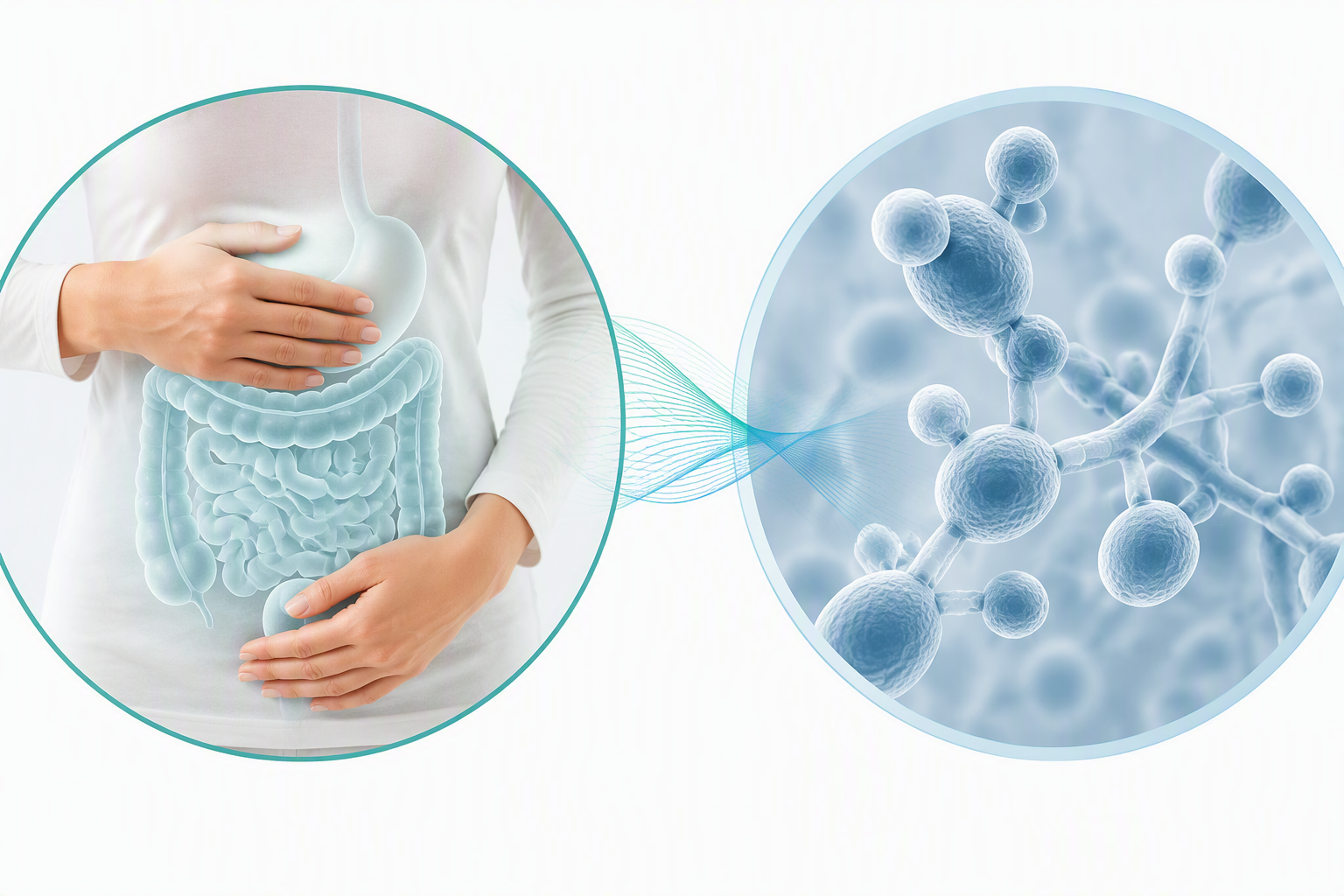
Irritable bowel syndrome (IBS) is a real disorder of gut function, while Candida albicans is a yeast, or fungus, that can normally live on and inside your body. Candida may sometimes be relevant, but finding it does not show that it causes typical IBS symptoms.
IBS involves the gut-brain axis, the two-way communication system between your digestive tract and nervous system. Altered motility can move food too quickly or too slowly, while visceral hypersensitivity can make normal stretching or gas feel painful. Symptoms may include:
- Abdominal pain or discomfort
- Bloating and gas
- Constipation, diarrhea, or alternating bowel habits
Routine tests may not show structural injury or blockage because IBS is a functional gastrointestinal disorder. "Functional" does not mean imaginary. It means your digestive system is behaving differently even when standard tests do not reveal a clear physical cause.
Candida albicans can live in many healthy people without causing disease, since these yeasts are normally present in the body as part of the natural microbiome (source). For that reason, yeast overgrowth is not an automatic explanation for every flare. True, recurrent fungal infections differ from the bloating, gas, and bowel changes commonly associated with IBS, and symptoms alone cannot confirm an infection.
The overlap can still be confusing. IBS and Candida-related concerns may both cause abdominal discomfort, bloating, or gas, yet similar symptoms can have different drivers:
- Gut movement and nerve sensitivity
- Eating patterns and stress
- Medications
- Changes in the overall microbiome
Overlapping symptoms cannot identify a cause on their own. Your symptom pattern needs to be considered alongside your history, examination, and any appropriate testing for IBS.
Researchers are studying the gut mycobiome, the community of fungi living in the digestive tract. Early research examines how these fungi may interact with gut bacteria, affect local immune responses, and influence bloating or visceral sensitivity. This work is still developing and does not show that Candida albicans directly causes IBS.
If you have arrived here worried that yeast is behind your symptoms, evidence is a safer starting point than alarm. Candida deserves closer medical attention when signs suggest a true, recurring fungal infection. Discuss major diet changes, antifungal products, or supplements with a qualified healthcare professional first, since restrictive approaches can create problems without confirming the cause.
Is the IBS and Candida Connection Proven?

The IBS and Candida connection is not proven as a common cause-and-effect relationship. Two questions need to stay separate: whether Candida overgrowth commonly causes IBS, and whether gut fungi affect symptoms in some people. The first lacks strong evidence. The second remains an open research question.
"Candida overgrowth syndrome," sometimes called chronic candidiasis, is not a recognized medical diagnosis. The claim that systemic yeast overgrowth causes fatigue, brain fog, bloating, and other symptoms in otherwise healthy people does not appear in standard diagnostic classifications. Gastroenterologists do not diagnose or treat it as a routine condition, and when the idea was put to a randomized, double-blind test, nystatin did not relieve systemic symptoms any better than placebo (source). If someone you trust shared this idea, seeking clarity is reasonable and nothing to feel embarrassed about.
IBS is a functional gut-brain disorder involving altered motility and visceral hypersensitivity, meaning heightened nerve sensitivity in the digestive tract. Candida species can also live harmlessly in many healthy people's intestines. The evidence tiers below show how these ideas should guide your decisions:
Claim | Evidence tier | What this means for you |
|---|---|---|
IBS involves altered motility and visceral hypersensitivity | Well established | Evaluation focuses on symptoms, warning signs, and ruling out other conditions. |
Candida species can live harmlessly in many healthy guts | Well established | Finding Candida does not identify the cause of bloating, pain, constipation, or diarrhea. |
Invasive Candida infection occurs mainly with specific risk factors | Well established | Serious infection differs from the usual pattern of IBS. |
Gut fungal communities, or the mycobiome, differ in some people with IBS | Plausible but unproven | Group differences show association, not that fungi caused your symptoms. |
Candida overgrowth is a common cause of IBS symptoms | Not supported | Evidence does not support Candida as the usual explanation. |
Routine antifungals or a candida cleanse improve IBS | Not supported | Antifungal treatment is not supported for IBS alone. |
"Candida overgrowth syndrome" is a diagnosable condition | Not supported | It is not a recognized diagnosis in standard medical care. |
Mycobiome studies examine fungal DNA and community patterns. One study comparing the fecal mycobiomes of 39 people with IBS against 18 healthy volunteers found the fungal signatures differed, though the causal step was shown only in rats (source). Differences involving Candida or other species may reflect an association, but they cannot show whether fungi caused IBS, resulted from altered digestion, or changed for another reason. Older Candida-focused research also did not establish causation. A frequently cited 1990s report involved stool from ten hospitalized patients who were elderly, malnourished, or critically ill, most of them on multiple antibiotics or chemotherapy, not people with everyday IBS (source).
A true intestinal or systemic Candida infection is more plausible with:
- A weakened immune system: Risk rises when immune defenses are impaired.
- Recent or prolonged antibiotic use: Antibiotics can alter normal microbial communities.
- Poorly controlled diabetes: High blood sugar can increase infection risk.
- Chemotherapy or immunosuppressive medication: These treatments can reduce immune protection. Invasive candidiasis occurs among sick and hospitalized patients and is not a risk for healthy people, with risk tied to things like a prolonged intensive care stay, central lines or other invasive devices, recent surgery, and medications such as antibiotics, steroids, and chemotherapy (source).
Candida is real and can be serious in the right medical setting, but the evidence does not support it as a common root cause of IBS-like symptoms. There is also not enough evidence to justify routine Candida testing or antifungal treatment for IBS. Discuss persistent, severe, or worsening symptoms, red flags, or specific risk factors with a qualified healthcare professional before trying restrictive diets, supplements, or antifungals.
How Can You Tell IBS From Candida Overgrowth?
Symptoms often blamed on Candida overgrowth look a lot like IBS: abdominal pain, bloating, gas, diarrhea, constipation, and irregular bowel habits. Those symptoms cannot identify the cause by themselves. Candida can also live in healthy people without causing disease, so the useful question is whether there is evidence of an actual yeast infection or a meaningful risk factor.
Possibility | What makes it more likely | What it is not explained by |
|---|---|---|
IBS | A long-running pattern, pain related to bowel movements, and flares connected with meals, stress, or sleep. Test results may be normal. | A positive "Candida" wellness panel alone |
Small intestinal bacterial overgrowth (SIBO) | Bloating soon after eating, especially after gut surgery or with a motility problem. Breath testing may be considered. | Every case of post-meal gas or bloating |
Celiac disease | Diarrhea with iron deficiency, weight loss, or a family history | IBS symptoms without appropriate celiac evaluation |
IBD | Blood in the stool, nighttime symptoms, fever, or weight loss | Typical IBS without warning signs |
True candidiasis | Confirmed oral thrush, repeated vaginal yeast infections, or significant immune risk factors | Gut symptoms by themselves |
Food intolerance | Symptoms reliably return after a specific food, such as lactose or excess fructose | A broad symptom list without a consistent food pattern |
The SIBO vs IBS comparison explains why those two in particular are so often confused.
Commonly promoted Candida signs also need a reality check. Mucus in stool can occur with IBS and usually does not indicate yeast, as explained in this guide to mucus in stool with IBS. Stool color varies with diet, bile, and how quickly intestinal contents move. Brain fog and fatigue can accompany poor sleep, stress, and many chronic conditions. Sugar cravings and skin breakouts are not validated markers of a fungal gut infection.
These claims can feel convincing because they are common enough that almost anyone can match several of them. That same overlap makes them poor tools for separating conditions. More appropriate reasons to raise a yeast concern include:
- Confirmed infection: Repeated oral thrush or recurrent vaginal yeast infections deserve medical attention.
- Higher infection risk: A weakened immune system, poorly controlled diabetes, or recent immunosuppressive treatment can increase concern.
- Recent treatment history: Prolonged antibiotic use may be relevant, although it does not establish Candida as the cause.
Antibiotics deserve a balanced interpretation. Some people notice digestive symptoms after a course, and antibiotics can disrupt gut microbes. Possible explanations include bacterial changes, altered motility, or post-infectious IBS. Yeast is one hypothesis among several, not the default answer.
A clinician often evaluates food intolerance, celiac disease, IBD warning signs, and sometimes SIBO before attributing IBS-like symptoms to Candida. Two other possibilities are worth naming, because they come up constantly in the same searches. Immune-driven conditions can mimic IBS closely enough to be missed, which is covered in is IBS an autoimmune disease. Pain that turns sudden and stays fixed in one spot, especially with fever, points somewhere different again, as the diverticulitis vs IBS comparison explains.
The symptom-based IBS criteria and red flags in IBS can help you prepare. Bring symptom timing, triggers, antibiotic history, and any confirmed yeast infections rather than starting a restrictive diet or supplement plan on symptoms alone.
What Safe Next Steps Should You Take?

Start with the explanation that best matches your symptom pattern. For most people with IBS-like symptoms, that means IBS-focused care for bloating, pain, diarrhea, or constipation rather than a yeast protocol. This approach can prevent restrictive plans from taking over before the actual problem is clear.
- Step 1: Track your baseline for two to four weeks. Record symptoms without changing several things at once. A simple log can include:
Stop rule: Pause self-directed diet changes and seek medical guidance if symptoms worsen quickly, tracking becomes distressing, or eating starts to feel unsafe.What to log
Why it helps
Stool frequency and form
Shows diarrhea, constipation, or mixed patterns
Bloating timing
Distinguishes symptoms after meals from all-day bloating
Pain triggers
Connects discomfort with food, bowel movements, stress, or other events
Antibiotics or recent illness
Shows whether symptoms began or worsened after a possible microbiome disruption
Oral thrush or vaginal yeast infections with dates
Gives a clinician something specific to evaluate
- Step 2: Look for evidence of a true yeast infection. Confirmed oral thrush, repeated vaginal yeast infections, immune risk factors, or poorly controlled diabetes are worth discussing with a clinician. Digestive symptoms alone, without a confirmed yeast infection elsewhere, do not support Candida as the cause.Stop rule: Don't start antifungal treatment based only on bloating, gas, pain, diarrhea, or constipation. A clinician should decide whether infection testing is appropriate.
- Step 3: Ask what testing would change before you pay for it. Commercial stool yeast panels, a dysbiosis test, and IgG food or Candida antibody tests aren't validated for diagnosing a gut Candida problem. A positive result doesn't establish that Candida is driving symptoms, so it rarely changes care. Depending on your pattern, celiac screening or fecal calprotectin may provide more useful information. SIBO also requires a separate clinical assessment rather than a broad "dysbiosis" label.Stop rule: Before purchasing a test, ask a gastroenterologist which result would lead to a different treatment decision.
- Step 4: If you try a dietary change, use a structured method. The low FODMAP elimination diet is a structured option to discuss with a registered dietitian. Change one thing at a time, set an end date of a few weeks, and plan reintroduction. Avoid combining a strict anti-yeast diet with several other food eliminations.Stop rule: End the trial and seek dietitian support if symptoms worsen, food choices become highly restricted, or meals create significant stress.
- Step 5: Escalate when warning signs appear. Contact a clinician promptly for:
- Bleeding
- Unexplained weight loss
- Anemia
- Fever
- Severe symptoms that wake you at night
- A strong family history of gut disease
Strict Candida diets, herbal antifungals, and supplement stacks are often started together, making it hard to tell what helped or caused harm. Prolonged restriction can reduce dietary variety and quality of life without addressing the actual driver. One measured change with a clear stop rule is safer than several simultaneous interventions.
What Kills Candida and How Long Should It Take?

"Kill Candida" is usually the wrong starting point for IBS. The more useful medical question is whether testing or clinical findings show a yeast infection that needs treatment at all. Most IBS flares have no proven Candida cause, so treat claims that yeast is the root cause of IBS-like symptoms with caution.
When Candida infection is confirmed or strongly suspected, treatment depends on its location and severity. Nystatin often appears in candida diet and cleanse advice, but it is a non-absorbed antifungal that stays in the gut lumen. Clinicians prescribe it mainly for confirmed oral or esophageal thrush, not for unproven gut Candida overgrowth in people with IBS. A suspected link between Candida and IBS is not on its own a reason to use it.
Antifungals are not harmless just because they are available online. Systemic medicines can interact with other drugs, affect the liver, and require medical monitoring. Unneeded use can also contribute to antifungal resistance. Documented intestinal or systemic Candida is uncommon and is more likely with major risk factors such as immunosuppression, prolonged antibiotic exposure, poorly controlled diabetes, chemotherapy, or immunosuppressive medicines.
Reasonable timelines depend on the situation:
Situation | Realistic timeline |
|---|---|
Confirmed oral thrush treated appropriately | Improvement within the treatment window set by the clinician |
IBS symptoms managed with diet and gut-brain approaches | Assess changes over a few weeks during a structured trial |
A "gut candida cleanse" for IBS | No established timeline, because no established condition is being treated |
Oil of oregano, garlic, and caprylic acid are often promoted as natural antifungal options. Evidence for using them to treat IBS is limited, and "natural" does not mean gentle on an irritated digestive system. Some may worsen reflux, abdominal pain, diarrhea, or medication side effects, so discuss them with a clinician instead of combining several products.
Glutamine, zinc carnosine, and bone broth are also marketed alongside Candida protocols for "leaky gut," but they do not have good evidence for treating IBS. Restrictive plans can make meals harder, reduce nutrition, and distract from better-supported IBS care.
If symptoms continue, a gastroenterologist or registered dietitian can help distinguish IBS patterns from signs that need testing. A brief record of pain, stool changes, meals, medicines, and supplements can make that appointment more useful.
IBS and Candida FAQs
These IBS and Candida FAQs cover common questions about possible connections, overlapping symptoms, testing, diet claims, and safer next steps, helping you sort established information from uncertain claims without feeling overwhelmed.
1. Do at-home Candida tests like the spit test work?
No. The spit test, which treats strings, cloudiness, or sinking saliva as evidence of Candida, has no scientific basis. Hydration, mucus, and sitting time can make almost anyone appear "positive." Stool yeast panels, a dysbiosis test, and IgG tests sold for candida yeast overgrowth or food sensitivity aren't validated for diagnosing gut Candida either. Because Candida can live harmlessly in healthy intestines, detecting it isn't a diagnosis.
The deeper problem is that these tests are built to confirm a suspicion rather than test it. Almost everyone produces a result that points toward yeast, which is exactly what makes them feel accurate. Spend the money instead on a symptom log and a clinician-guided evaluation, which may include celiac screening, fecal calprotectin, and a review of red-flag symptoms.
2. Are Candida tests different from IBS diagnostic tests?
Yes, because they answer different questions. An IBS diagnosis and tests workup looks at your symptom pattern while checking for other causes, including lactose or excess-fructose intolerance, celiac disease, and inflammatory bowel disease warning signs such as blood in stool or unintentional weight loss.
Candida-focused testing asks only about yeast, and detecting yeast does not show it is driving your symptoms, since Candida lives harmlessly in many healthy guts. Separating IBS from other conditions may also mean assessing for SIBO, which needs its own clinical evaluation rather than a broad "dysbiosis" label. Review how SIBO differs from IBS and discuss which tests would actually change your treatment before paying for a panel.
3. What dietary changes actually help IBS symptoms?
For many people with IBS, reducing fermentable carbohydrates can lower gas and bloating. A structured low FODMAP approach limits specific carbohydrates for a short period to reduce fermentation, not to starve yeast. Feeling better does not show that Candida caused your IBS-like symptoms.
A strict Candida diet may remove sugar and carbs, refined carbohydrates, alcohol, and processed foods indefinitely. That level of restriction can reduce dietary variety without a clear IBS benefit. Low FODMAP eating includes gradual reintroduction, which helps identify personal triggers and restore the broadest diet you tolerate. A registered dietitian can help keep meals balanced.
4. When should you stop antifungals if IBS worsens?
If IBS symptoms clearly worsen after you start an antifungal for “possible Candida,” stop the product and contact a clinician promptly. Seek urgent care for blood in your stool, fever, severe pain, or rapid deterioration. Candida overgrowth isn’t a common, established cause of IBS, so routine Candida testing or antifungal treatment generally isn’t recommended for most people.
Use caution with self-treatment, including a strict candida diet, herbal antifungals, and specialized supplements. These approaches may reduce microbiome diversity or create other downsides. Share what you tried and how your irregular bowel habits changed, including diarrhea or constipation, so your clinician can consider food triggers, IBS subtype, medication effects, and other causes.
5. Do probiotics help IBS if Candida is involved?
Some probiotics for IBS may ease symptoms for some people, but there's no good evidence that they clear Candida or prove yeast caused your symptoms. A targeted probiotic may affect the gut microbiome, yet symptom relief alone doesn't confirm the reason for your IBS. The guide to probiotics that work for IBS explains strain-level differences.
Saccharomyces boulardii is itself a probiotic yeast, with stronger evidence for antibiotic-associated and infectious diarrhea than for treating Candida. A meta-analysis of 21 trials and 4,780 people found it cut the risk of antibiotic-associated diarrhea from 18.7% to 8.5% (source). Try one product for a few weeks while tracking bloating, gas, and stool changes. Avoid pairing it with a diet change or antifungal, stop if symptoms worsen, and ask a clinician first if you're significantly immunocompromised.
The bottom line
Candida is real, and so are your symptoms, but the two are rarely connected in the way the internet suggests. "Candida overgrowth syndrome" is not a recognized diagnosis, the at-home tests sold to detect it are not validated, and the cleanses built on top of them treat a condition no one has confirmed you have.
The alternative is slower and less satisfying than a protocol, but it narrows the possibilities instead of assuming one. Track your symptoms for a few weeks, note any genuinely confirmed yeast infections, ask a clinician which test would actually change your treatment, and try one structured dietary change at a time. If you have immune risk factors, poorly controlled diabetes, or repeated confirmed thrush, raise those specifically, because that is where yeast genuinely warrants attention.
This content is for educational purposes only and is not a substitute for personalized medical advice. Digestive symptoms can have many causes, so consult a qualified healthcare professional for persistent, severe, or worsening symptoms, and speak to a clinician or registered dietitian before starting restrictive diets, supplements, or antifungals.