


IBS abdominal pain can feel like cramping, pressure, bloating, gas, or sharp discomfort, and it often changes with constipation, diarrhea, or bowel movements. The pattern may be familiar and manageable, but new, severe, persistent, worsening, or nighttime pain should be assessed by a qualified healthcare professional rather than assumed to be IBS.
Quick searches rarely settle the cause because IBS pain can overlap with other digestive conditions, while triggers vary from stress and meals to menstrual-cycle changes. Practical relief may include gentle movement, hydration, familiar foods, and cautious use of a heating pad for 15-20 minutes, while a symptom diary can connect pain with stool patterns, food, medications, and stress. Blood or black stools, fever, repeated vomiting, fainting, unexplained weight loss, or marked tenderness require prompt medical attention.
IBS Abdominal Pain Key Takeaways
- IBS pain may involve cramping, pressure, bloating, gas, burning, or sharp discomfort.
- Constipation, diarrhea, urgency, and incomplete emptying can influence abdominal pain.
- IBS subtypes include IBS-C, IBS-D, and IBS-M, based on predominant bowel patterns.
- Gut-brain signaling and visceral hypersensitivity can amplify normal digestive sensations.
- Hydration, gentle movement, familiar foods, and cautious heat may support flare relief.
- A supervised low-FODMAP process identifies triggers without requiring lifelong restriction.
- Bleeding, nighttime symptoms, fever, vomiting, weight loss, or worsening pain need medical evaluation.
What Does IBS Abdominal Pain Feel Like?
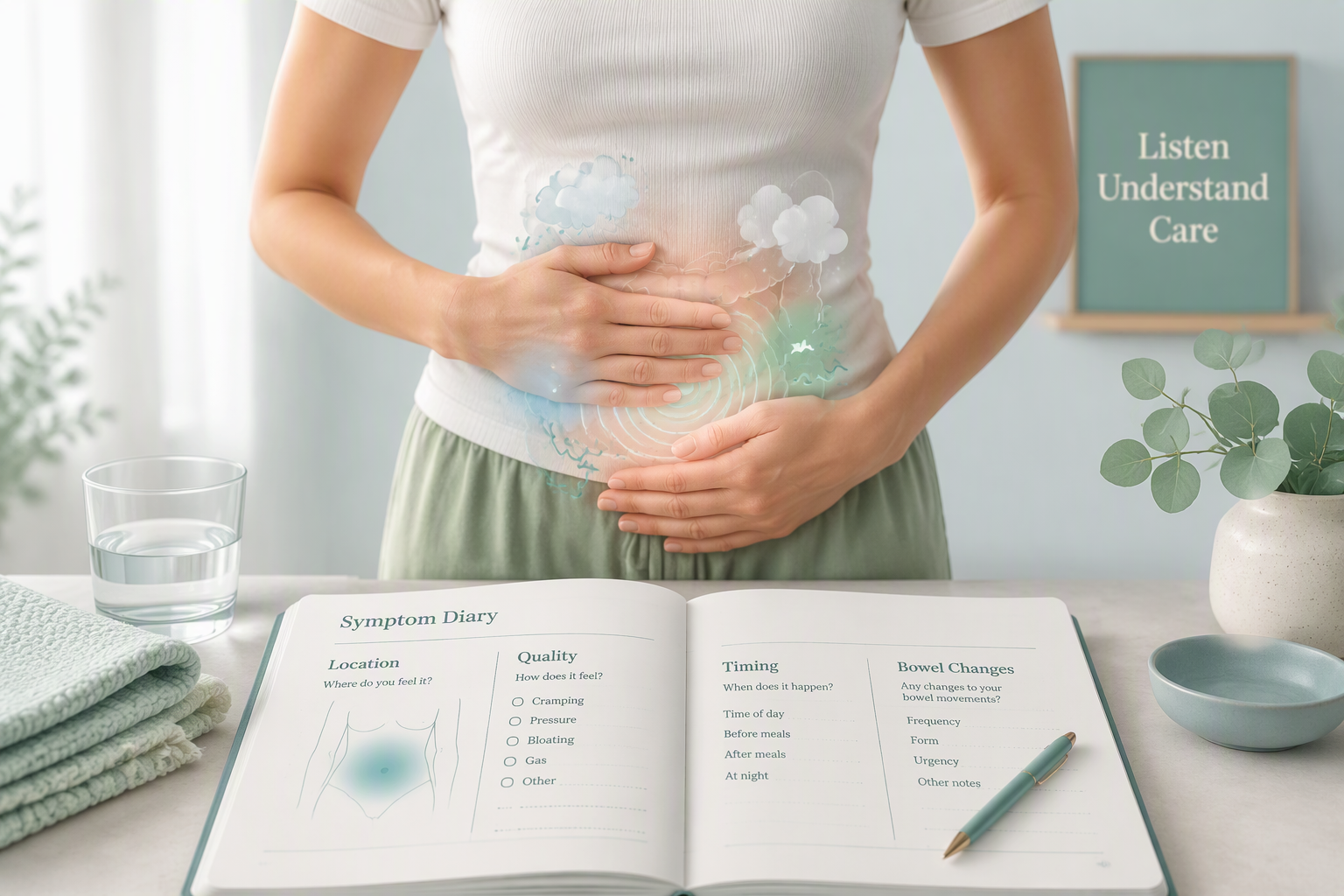
Irritable bowel syndrome (IBS) abdominal pain can change from one episode to the next. It may feel like cramping, aching, sharp discomfort, burning, pressure, fullness, bloating, or gas pain (source). The pain can be mild or intense, steady or episodic, and different again during a flare.
Pain may occur anywhere in your abdomen, although the lower belly and area around the navel are common locations. A simple symptom record gives a qualified healthcare professional useful context when considering possible causes. Track:
- Location: Where the discomfort begins and whether it moves.
- Quality: Whether it feels cramp-like, sharp, burning, tight, or achy.
- Timing: When it starts, how long it lasts, and whether it follows meals or stress.
- Bowel changes: Whether constipation, diarrhea, urgency, or incomplete emptying occurs alongside it.
Bloating and gas can add to the pain experience. Distention, meaning stretching or expansion of the abdomen, may cause tightness, pressure, or uncomfortable fullness. Gas can produce sharp, shifting, or cramp-like sensations that seem to move. These symptoms also occur with other digestive conditions, so they cannot confirm IBS on their own. More information about the wider IBS symptom picture can help you compare patterns without trying to diagnose yourself.
Children describe abdominal pain differently than adults and more often point to the area around the navel, so abdominal pain patterns in children are worth reviewing with a pediatric clinician rather than mapping adult symptoms onto them.
Bowel movements often influence the discomfort. Pain may come with an urge to go, constipation, diarrhea, or the feeling that stool has not fully passed. Some people feel better after passing stool or gas, but this response is not universal. Constipation may add pressure, straining, and incomplete emptying, while diarrhea may bring urgency and cramping. Alternating patterns can make cramping feel especially unpredictable.
Before trying anything for relief, compare the episode with your usual pattern and follow your established care plan. A familiar, short-lived pattern may be manageable, but abdominal pain should not be assumed to be IBS without appropriate evaluation.
Seek qualified medical care for pain that is:
- New, severe, persistent, or worsening: These changes need assessment rather than self-treatment.
- Disruptive to sleep: Nighttime pain is not something to dismiss as routine IBS.
- Accompanied by concerning symptoms: Blood in the stool or black stool, fever, repeated vomiting, fainting, unintentional weight loss, yellowing of the skin or eyes, or significant swelling or tenderness warrants prompt medical attention.
How Do IBS Subtypes Affect Abdominal Pain?
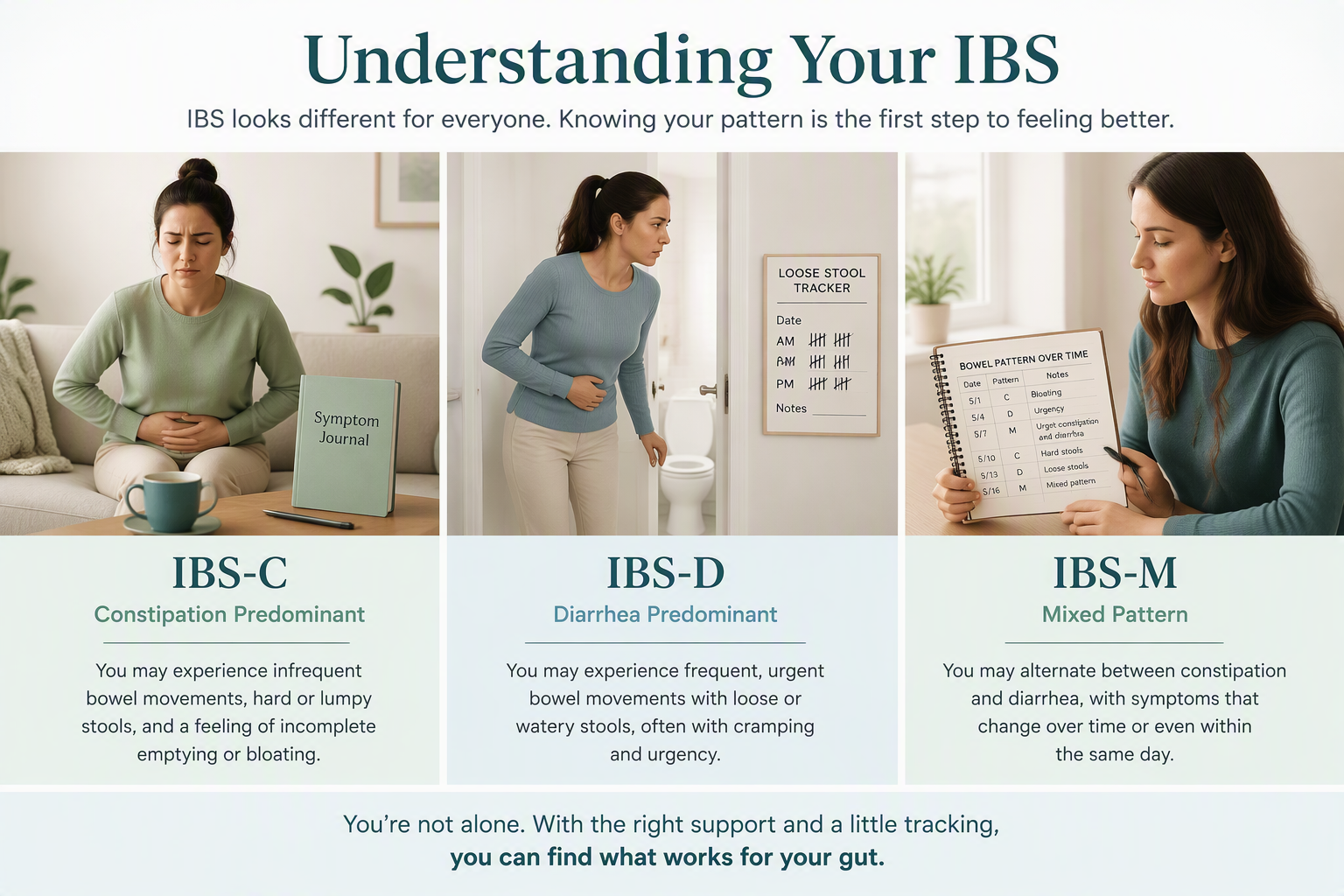
IBS subtypes describe the bowel pattern that occurs most often, but any subtype can cause abdominal pain. IBS-C is constipation-predominant, IBS-D is diarrhea-predominant, and IBS-M alternates between constipation and diarrhea. Pain may ease or change after a bowel movement, so bowel habits are an important part of symptom assessment.
The main patterns are:
- IBS-C: Cramping, pressure, fullness, or bloating may increase when stools are hard, infrequent, or difficult to pass. Straining and a feeling of incomplete emptying can add to the discomfort.
- IBS-D: Cramping often occurs with loose or watery stools, urgency, and the need to stay near a bathroom. Pain may improve or shift after a bowel movement.
- IBS-M: Symptoms can alternate between constipation and diarrhea in the same period or during separate flares. Pain may shift from pressure and incomplete emptying to rapid cramping and urgency.
Healthy bowel frequency ranges from three times daily to three times weekly, so frequency alone doesn't define constipation. Stool consistency, straining, pain, and whether you feel fully emptied offer more useful clues. During diarrhea flares, bowel movement urgency can interfere with work, travel, and sleep, and the fear of being caught out often shapes daily routines as much as the pain does.
IBS-D symptoms deserve medical assessment rather than self-treatment when diarrhea is persistent, severe, occurs at night, contains blood, or causes signs of dehydration. These features can have causes other than IBS and should not be explained away by a presumed subtype.
Treatment choices should match the predominant bowel pattern and your broader symptom picture. Fiber may help regulate bowel movements for some people, while a qualified healthcare professional may recommend a targeted laxative for constipation or an antidiarrheal for diarrhea. More regular bowel habits can reduce related cramping, but no single approach suits everyone.
Food triggers, stress, bloating, pain severity, medications, hydration, and previous responses also affect care. A simple record that pairs pain with stool form, meals, stress, medication use, and hydration can be especially helpful for IBS-M, where a plan that helps one flare may worsen another. Subtype prevalence and symptom presentation also differ between the sexes, and how IBS presents in men is easy to overlook because men report bowel symptoms and seek care less often. Persistent, severe, worsening, or unexplained symptoms warrant review by a qualified healthcare professional.
Why Does IBS Cause Abdominal Pain?
IBS is a chronic disorder of gut-brain interaction (source). In this functional gastrointestinal disorder, the digestive tract may look normal during testing, while altered communication between the intestines and nervous system affects movement and pain signaling. IBS can cause severe, even disabling, abdominal pain without visible colon disease, lasting bowel damage, or a generally higher risk of colon cancer.
Visceral hypersensitivity means the nerves in your digestive tract respond too strongly to normal stretching from food, stool, or gas. The brain receives an amplified message, so ordinary movement may feel like cramping. This pain signal loop makes symptoms physically real. Pain isn't imagined, and it isn't caused only by stress.
Changes in intestinal movement can add to the pain. Strong or rapid contractions, sometimes called intestinal spasms, may cause cramping and urgency. Slow or poorly coordinated movement can increase constipation, pressure, and discomfort, even when examinations show no structural injury.
Gas and bloating may stretch the intestine and activate sensitive nerves, but gas isn't the only possible source of pain. Fermentation and movement of intestinal contents can bring fullness, visible bloating, and discomfort at the same time. The amount of bloating you see also may not match the amount of gas present. Learning how trapped intestinal gas behaves can help you tell bloating and pain apart.
Possible contributors vary and don't point to one cause for everyone. They may include:
- Altered intestinal contractions
- Changes in brain-gut signaling
- A previous severe stomach infection
- Early-life stress
- Shifts in gut microbes
IBS is common. A nationwide survey of nearly 89,000 US adults put the prevalence at 6.1%, or roughly 16 million American adults (study). Global estimates run higher, around 10-15% (source), largely because they apply broader diagnostic criteria, and only about 5-7% of adults have been formally diagnosed. Eating, bowel movements, constipation, diarrhea, emotional stress, poor sleep, and menstrual-cycle changes may activate or amplify the pain pathway.
These symptoms can disrupt work, sleep, meals, and daily routines. Food and routine adjustments, counseling approaches, and neuromodulators may help manage symptoms. Neuromodulators are medicines that change pain signaling, not evidence that the pain is psychological.
Persistent, severe, new, or worsening pain needs medical assessment because other conditions can feel similar.
How Can You Manage an IBS Pain Flare Safely?
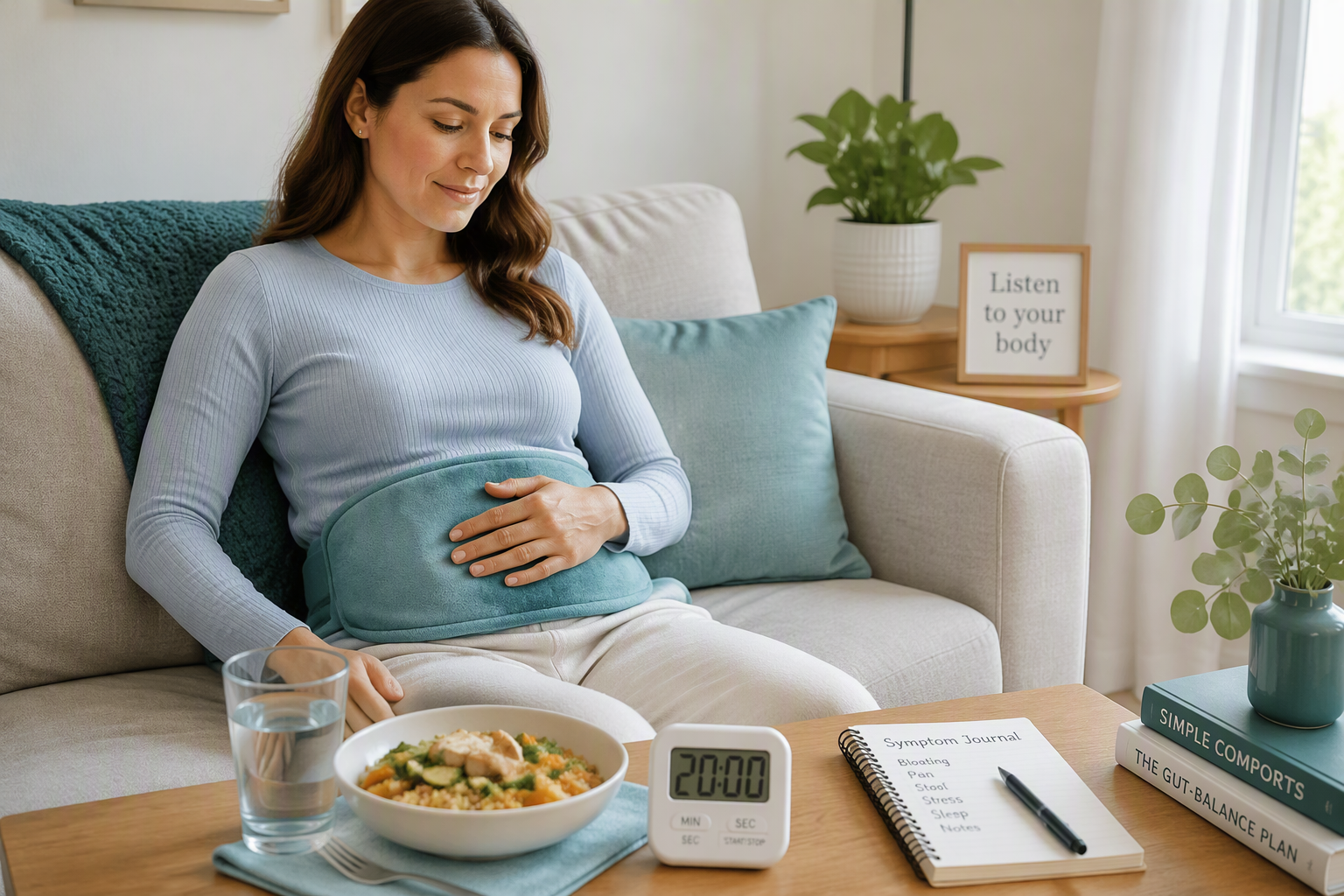
A safe flare plan combines short-term comfort with gentle movement, hydration, familiar foods, and medication caution. A heating pad can ease cramping during a flare, but heat is a comfort measure, not a treatment for the underlying cause.
Use a warm bath or a heating source on its lowest comfortable setting over clothing or a fabric barrier for 15-20 minutes. Fit matters more than review count: a large 12-by-24-inch pad tends to shift or overhang the hips, while a belted wrap, cordless abdominal belt, or adhesive patch sits closer to where the cramping is. An adjustable wrap-around option such as this abdominal belt (ASIN B0GLFFVKF6) stays in place hands-free while you sit.
Repeated exposure to heat that is warm but below the burn threshold, roughly 43-47°C (109-117°F), can cause erythema ab igne, also called toasted skin syndrome (source). It shows up as blotchy pink patches that develop into brown, net-like mottling, and it is usually painless, so check your skin after every session rather than waiting for discomfort. Stop using heat if changes remain or worsen.
Never sleep with an electric pad. Auto shut-off provides extra protection but does not replace a time limit. Avoid abdominal heat over areas with reduced sensation, such as with diabetes or neuropathy, and avoid it during pregnancy unless a clinician advises it.
When symptoms allow, a slow walk, position change, or gentle stretch may help gas pass and reduce cramping. Stop if pain becomes sharp or severe, causes dizziness, or clearly worsens. Rest, warmth, and gradual movement are safer during a flare than forcing a workout, and may help with longer-term symptom control.
Relaxation techniques may help when stress increases gut-brain pain signaling. Try slow diaphragmatic breathing, mindfulness, progressive muscle relaxation, or gentle yoga without deep abdominal compression. These approaches may ease cramping quickly, but they should not delay evaluation of new, severe, persistent, or unusual pain.
After diarrhea or repeated loose stools, take frequent small sips of water or another suitable non-caffeinated drink. Keep meals simple and familiar instead of starting a restrictive diet during a flare. Once symptoms settle, review possible triggers such as dairy, high-fat foods, caffeine, alcohol, spicy meals, or artificial sweeteners.
Your bowel pattern should guide medication decisions:
- Constipation: Follow clinician-approved advice about fiber or laxatives, because the wrong type or amount may increase bloating.
- Diarrhea: Focus on fluids and worsening symptoms rather than automatically taking an antidiarrheal.
- Pain medicines: Ibuprofen and other NSAIDs can irritate the gastrointestinal lining, making them a poor fit for IBS pain. Opioids can slow intestinal movement and worsen constipation.
Persistent or escalating pain warrants advice from a qualified healthcare professional.
How Do Food Triggers And Enzymes Fit Into IBS Care?
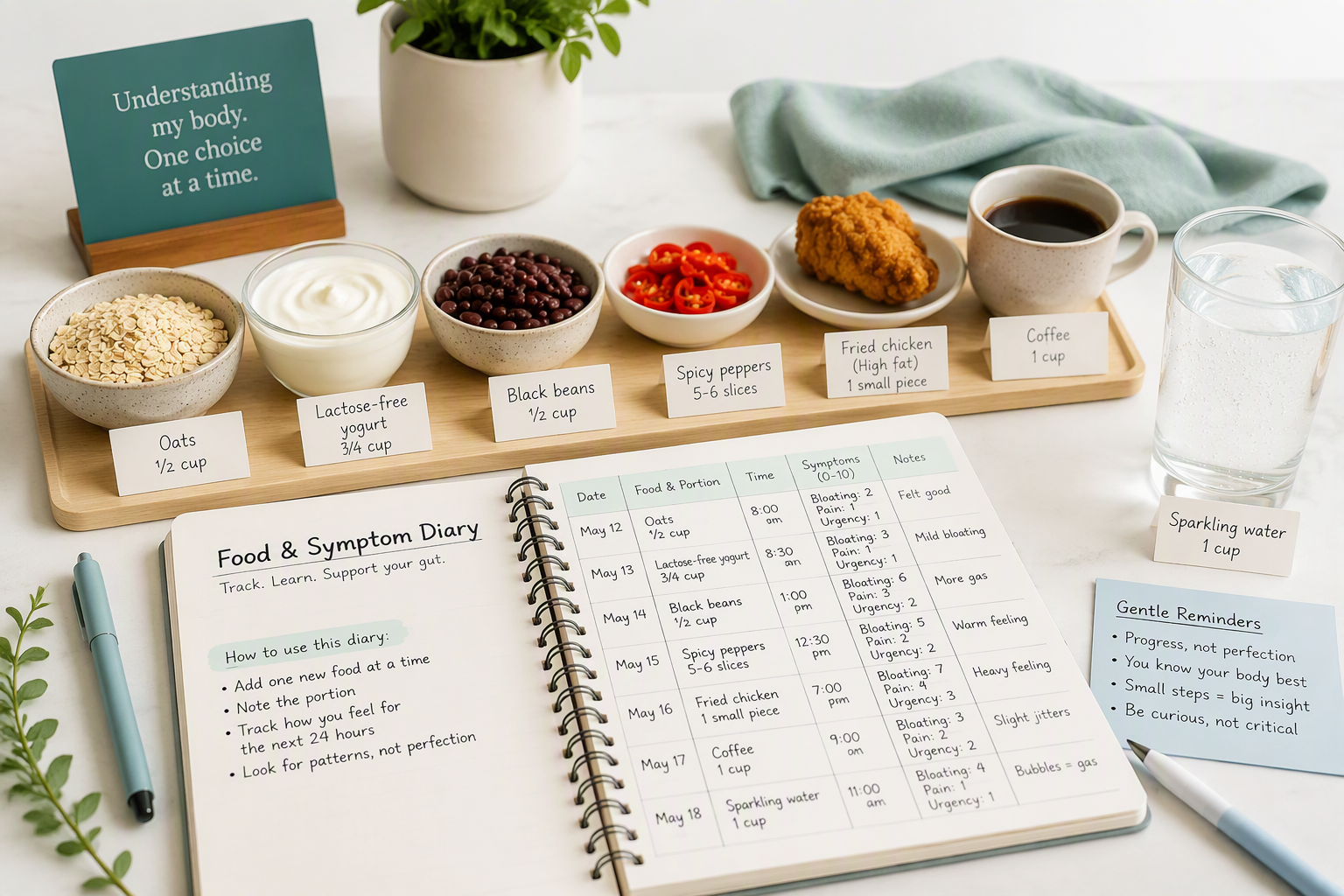
Food choices and digestive enzymes may support individualized IBS care, but restrictive eating and supplements do not treat IBS overall. A time-limited food-and-symptom diary can reveal patterns without turning every uncomfortable meal into a permanent trigger. Record portions, timing, bowel changes, bloating, pain, stress, sleep, and menstrual-cycle changes. Commonly suspected trigger foods include:
- High-fat meals: Fried or rich foods sit longer in the stomach and may set off cramping for some people.
- Spicy foods: Chili and hot peppers can irritate a sensitive gut, though tolerance varies widely.
- Other possible triggers: Dairy, caffeine, alcohol, artificial sweeteners, beans, wheat, and carbonated drinks affect some people and not others.
The pattern across meals matters more than one difficult day.
A supervised low-FODMAP diet is a short-term identification tool, not a lifelong diet or cure. FODMAPs are fermentable carbohydrates that may increase gas, bloating, cramping, or bowel changes. A clinician or registered dietitian can guide temporary reduction, structured reintroduction, and personalization. FODMAP stacking, which means eating several high-FODMAP foods close together, can make a meal feel worse than any single ingredient would alone.
Soluble fiber may improve stool consistency and regularity, especially when constipation contributes to pain. Oats are a practical starting point. Increase fiber gradually, drink appropriate fluids, and change one variable at a time, because a rapid increase can worsen gas, bloating, and abdominal pain. Persistent constipation or worsening symptoms warrants professional advice.
Digestive enzymes make the most sense when the suspected trigger and enzyme target match:
- Dairy or lactose: Lactase supports lactose digestion, not IBS treatment. It may be worth discussing when symptoms reliably follow lactose-containing dairy.
- Beans, legumes, or high-GOS foods: Alpha-galactosidase targets galacto-oligosaccharides (GOS). Potency units vary by product, so GALU amounts are not interchangeable between brands.
- Mixed symptoms: A broad digestive enzyme is not automatically appropriate, and supplements may add expense or side effects without a clear target.
Evidence for enzymes is targeted and mixed. In a randomized trial of 31 people with IBS, 21 met the threshold for GOS sensitivity, and among those participants the full-dose enzyme cut median overall symptom scores and bloating substantially (study). Roughly one third were not GOS-sensitive at all. A trial that size supports selective use, not routine supplementation for everyone.
A practical sequence is to track symptoms and portions, test one dietary change with professional guidance, reintroduce foods to find the narrowest workable pattern, and consider an enzyme only when its target matches the suspected trigger. Restrictive diets can affect nutrition and quality of life, so persistent, severe, or worsening symptoms require medical assessment.
How Is IBS Diagnosed And Treated?
IBS is diagnosed from symptom patterns rather than one definitive test. A clinician reviews recurring abdominal pain, whether bowel movements change it, stool frequency and form, urgency, bloating, meals, medications, stress, and personal and family history, then performs a physical examination.
Symptom-based criteria support IBS when pain occurs at least three times a month for more than three months and relates to bowel movements or a change in stool pattern (source). The main subtypes are IBS-C (constipation), IBS-D (diarrhea), and IBS-M (mixed). Pain linked to bowel habits and daily disruption matters more than pain alone.
A symptom diary can help you report patterns accurately during an appointment. Record these details for several days or weeks:
- Pain: Note changes before and after bowel movements.
- Bowel habits: Track stool frequency, consistency, and urgency.
- Possible triggers: Include bloating, meals, medications, stress, and other changes.
Selective testing helps rule out conditions that can resemble IBS, including inflammatory bowel disease (IBD), celiac disease, infection, and other causes. Depending on your symptoms and risk factors, evaluation may include blood or stool tests, breath testing, colonoscopy, or another procedure. Seek prompt medical attention for bleeding, unexplained weight loss, anemia, fever, nighttime symptoms, or a strong family history.
Treatment is individualized by your bowel pattern and dominant symptoms. Soluble fiber, especially psyllium, may help regulate stools when introduced gradually with enough water. IBS-C may call for lubiprostone or linaclotide, while IBS-D may be treated with an antidiarrheal or rifaximin when clinically appropriate. A treatment that fits one subtype may worsen another, so medication selection belongs with a qualified clinician.
Pain-focused care may include antispasmodics. Dicyclomine and hyoscyamine can reduce intestinal spasms and acute cramping, although a clinician should review possible side effects and interactions. Enteric-coated peppermint oil capsules may relax intestinal smooth muscle and ease cramping for some people, but peppermint oil can worsen reflux or heartburn, making it a poor fit when those symptoms are troublesome.
Low-dose tricyclic antidepressants and other neuromodulators may reduce visceral hypersensitivity, which means heightened sensitivity in the gut's nerves. These medicines are used for gut-nerve signaling and chronic visceral pain, not necessarily for depression. Sleep, activity, meals, and stress support also matter, but persistent or worsening symptoms need medical review.
Brain-gut behavioral therapies are legitimate IBS treatments, not evidence that symptoms are imaginary. Trained clinicians may use gut-directed hypnotherapy or cognitive behavioral therapy (CBT) to calm gut-brain signaling and reduce abdominal pain and overall symptom severity. The American College of Gastroenterology suggests these gut-directed psychotherapies for overall IBS symptoms, a conditional recommendation it grades as very low quality evidence (source). Therapist-supported digital programs may also be available, and these approaches can complement dietary and medication options.
When Does Abdominal Pain Need Medical Care?
IBS pain often fluctuates with bowel movements, food, stress, constipation, or diarrhea. Passing stool or gas may ease it partly. That pattern can occur with IBS, but new, severe, persistent, progressively worsening, or clearly different pain needs medical evaluation because other conditions can resemble IBS.
Seek prompt medical care for these warning signs:
- Bleeding: Blood in the stool, rectal bleeding, black or tar-like stool, or abdominal pain with bleeding is not typical of IBS. Recurring bleeding, blood mixed into stool, dizziness, weakness, worsening pain, or changed bowel habits calls for prompt assessment.
- Unintentional weight loss: Tell a healthcare professional how much weight you lost and when it occurred, especially if abdominal pain, diarrhea, reduced appetite, or ongoing bowel-habit changes are also present. Unexplained weight loss should not be assumed to be part of a routine flare.
- Fever or vomiting: Fever, repeated vomiting, or vomiting that keeps you from holding down fluids can occur with infection, inflammation, or another condition that needs medical advice.
- Possible anemia: Unusual tiredness, pale skin, shortness of breath, or light-headedness can be signs of anemia, which means having too few healthy red blood cells. With abdominal symptoms, anemia may be related to blood loss or reduced absorption.
- Overnight symptoms: Pain that consistently wakes you from sleep, nighttime diarrhea, or discomfort that does not improve after passing stool or gas warrants assessment. Repeated overnight symptoms should not be dismissed because daytime discomfort resembles IBS.
- Sudden or severe changes: Urgent assessment is appropriate for severe, persistent, or worsening pain, a swollen abdomen, marked tenderness, inability to keep fluids down, or a sudden change in bowel habits.
Symptoms that begin or change after age 50 deserve prompt review. A relevant family history of digestive disease or colorectal cancer also matters. Recurring abdominal pain in children is assessed differently, so a pediatric clinician should guide care.
A symptom diary can make an appointment more useful. Record when the pain began, where it occurs, its severity, bowel movements, stool appearance, fever, vomiting, bleeding, appetite, weight changes, and whether symptoms wake you. Bring a list of medications and supplements, too. These details can help distinguish a familiar pattern from a meaningful change.
This article is educational and is not a substitute for personalized medical advice. Digestive symptoms have many possible causes, so talk with a qualified healthcare professional about persistent, severe, or worsening symptoms.
IBS Abdominal Pain FAQs
These IBS Abdominal Pain FAQs cover common questions about symptoms, bowel habits, food triggers, daily routines, and medical evaluation. They offer a clear starting point for making sense of recurring discomfort without assuming every symptom has the same cause.
1. Does IBS Pain Improve After a Bowel Movement?
IBS pain often improves or changes after a bowel movement, but the response varies. Some people feel relief, while others have cramping during or afterward. This pattern may occur with diarrhea-predominant, constipation-predominant, or alternating bowel habits, partly because of intestinal spasms or increased sensitivity to gas and stool. Incomplete evacuation, or feeling unable to fully empty your bowel, can leave pressure or pain behind. Share this timing with a healthcare professional, since it does not confirm IBS and persistent, severe, or worsening pain needs evaluation.
2. Can IBS Abdominal Pain Wake You At Night?
IBS abdominal pain can feel worse at bedtime, but pain or diarrhea that reliably wakes you from sleep is an alarm feature, not a typical IBS pattern. Because symptoms usually settle during sleep, clinicians may test for other conditions, including inflammatory bowel disease. Seek medical care promptly if pain is new, severe, worsening, or different from usual, especially with unexplained weight loss, persistent vomiting, blood or black stools, fever, family history, or new symptoms after age 50. These symptoms have many possible causes and shouldn’t be self-diagnosed as IBS.
3. Can Stress Make IBS Abdominal Pain Worse?
Yes. Stress can worsen IBS abdominal pain through the gut-brain interaction, not because symptoms are imagined. Fight-or-flight hormones may speed up or slow gut motility and increase gut-nerve sensitivity, creating an IBS pain signal loop that can also change bowel habits. During a flare, try deep breathing for IBS, mindfulness, or gentle yoga for IBS symptoms. These tools may help manage symptoms, while CBT and gut-directed hypnotherapy may help with persistent stress-linked symptoms. Seek medical advice for severe, worsening, or ongoing pain.
4. Can IBS Pain Occur After Eating?
Yes. Eating can activate the gastrocolic reflex, a natural increase in bowel activity that may cause cramping soon after a meal. Larger portions may create a stronger response, while bloating, gas, intestinal stretching, and food sensitivity can add discomfort. High-fat and spicy meals are common culprits, and caffeine, certain dairy products, and fermentable carbohydrates trigger symptoms in some people.
A simple food-and-symptom diary can track portion size, timing, bowel changes, and recurring reactions. Test one possible trigger at a time instead of removing many foods unnecessarily, which can make meals harder to manage.
5. Can Menstrual Cycles Trigger IBS Abdominal Pain?
Yes. Hormonal changes around menstruation can alter gut movement and sensitivity, so IBS symptoms in women may include increased cramping, bloating, diarrhea, constipation, or abdominal pain before or during bleeding. Because patterns vary, symptom management should account for your usual bowel habits, IBS subtype, and pain severity rather than assume menstruation is the only cause.
Track cycle dates alongside symptoms, bowel movements, food, and stress for several months. Seek medical evaluation for new, severe, worsening, or unusual pain, especially when it differs from your typical symptoms.
6. How Long Does IBS Abdominal Pain Last?
IBS abdominal pain usually comes and goes. A flare can last several hours or a few days, with longer periods of frequent symptoms followed by quieter stretches. Meals, stress, hormonal changes, and shifts between constipation and diarrhea can alter the pattern, so tracking your own triggers tells you more than any fixed timeline. Note which flare strategies actually help you.
Seek medical review if pain becomes constant, worsens over several days, stops responding to your usual strategies, or occurs with red-flag symptoms. Constant or progressive pain isn't typical of IBS.