


A probiotic probably won't fix SIBO, and it may make an active flare worse. Bacteria have already overgrown in the small intestine, so adding more isn't an obviously good move, and nothing on the shelf counts as established treatment.
What research exists comes from unusual patient groups. In systemic sclerosis, SIBO cleared in 55% of people given Saccharomyces boulardii with metronidazole against 25% on the antibiotic alone. Among people with decompensated cirrhosis, the same yeast cleared it in 80% against 23.1% on placebo. Neither group looks much like most people asking this question.
Confirming the diagnosis comes before any of it. SIBO symptoms overlap heavily with IBS, and months can disappear into treating the wrong one. Breath-test results and how you actually feel can also move in opposite directions, which makes self-assessment unreliable.
Key Takeaways
- Probiotics are not established treatment for SIBO and may worsen an active flare.
- The available evidence comes from systemic sclerosis and cirrhosis, not typical SIBO.
- Breath-test results and symptom relief can move in opposite directions.
- Products with added inulin or FOS can worsen bloating while symptoms are active.
- Saccharomyces boulardii is a yeast, so antibiotics for SIBO do not inactivate it.
- New or escalating bloating, gas, or brain fog is a reason to stop.
- SIBO should be confirmed and managed with a clinician rather than self-treated.
How Is SIBO Diagnosed And Treated?

Small intestinal bacterial overgrowth (SIBO) cannot be diagnosed from symptoms alone. Bloating, excess gas, abdominal discomfort, diarrhea, and constipation also occur with irritable bowel syndrome (IBS) and other digestive conditions. A flare after taking a probiotic does not confirm bacterial overgrowth. Persistent, severe, or worsening symptoms, especially those affecting eating, work, or sleep, need medical evaluation.
A clinician considers your symptoms, medical history, medications, prior abdominal surgery, and risks for slow intestinal movement. Probiotics for digestive conditions can help you understand symptom overlap, but it cannot replace an individual assessment.
A hydrogen breath test is the main noninvasive test used when SIBO is suspected. After the clinic’s required preparation and fasting, you drink a sugar solution and provide timed breath samples. The test measures gases produced when intestinal microbes ferment the sugar, but a clinician must interpret the result alongside your symptoms, history, and the test’s limitations.
Gas patterns may offer clues, though none confirms a diagnosis by itself:
- Hydrogen-predominant results: These may occur with diarrhea or faster intestinal transit.
- Methane SIBO patterns: Methane is more often associated with constipation. It can indicate intestinal methanogen overgrowth (IMO), which involves methane-producing archaea rather than bacteria alone.
- Hydrogen sulfide patterns: These may involve diarrhea, urgency, and sulfur-smelling gas. Access to this testing and interpretation of results can vary.
Unexplained weight change, poor appetite, suspected nutrient deficiencies, or other concerning symptoms may call for broader testing. Blood work can identify signs of poor absorption, while stool tests, imaging, or other investigations may help identify malabsorption or structural concerns. Treating overgrowth without addressing slow motility, medication effects, adhesions, or prior surgery can leave the underlying cause in place.
SIBO treatment is clinician-directed and often includes antibiotics for SIBO, and SIBO beyond probiotics covers that path in full. Rifaximin is commonly used because it acts mainly in the gut and may be better tolerated than some alternatives. The right medicine or combination depends on the gas pattern, previous treatment, allergies, local guidance, and your health history. No single regimen fits everyone.
A complete plan also addresses the factors that can make symptoms persist:
- Correct nutritional gaps: Restricted eating may reduce symptoms temporarily while leaving you short on calories or nutrients. Deficiencies need clinical assessment and appropriate treatment.
- Address contributing causes: Treatment may also focus on motility problems or structural issues, rather than only reducing excess microbes.
- Consider probiotics carefully: Probiotics may worsen gas or bloating for some people and do not replace testing, diagnosis, or prescribed care. Decisions about when to take probiotics after antibiotics fit best after a treatment plan is established.
Can Probiotics Help With SIBO?

Probiotics may help some people with SIBO manage bloating, gas, or bowel changes, but they are not an established stand-alone treatment. Probiotics for SIBO do not replace diagnosis, prescribed treatment, or an evaluation when symptoms persist or worsen. There is no single best probiotic for SIBO because responses vary by strain, bowel pattern, and individual sensitivity.
The rationale for probiotic therapy is plausible but unsettled. A specific strain may affect the gut microbiota by competing with certain organisms or producing compounds that make the small-intestinal environment less favorable to overgrowth. Still, adding live microbes does not reliably clear SIBO, and a product that feels helpful for one person may increase discomfort for another.
Researchers are studying several possible pathways:
- Carbohydrate fermentation: Some probiotics may change carbohydrate processing and support SIBO symptom relief. When bloating is active, though, that same fermentation may increase gas, pressure, or pain.
- Immune signaling: Certain strains may affect immune activity in the intestinal lining. This may matter for symptom support, but it does not show that probiotics eradicate bacterial overgrowth.
- Gastrointestinal motility: Motility is the wave-like movement that moves food and bacteria through the digestive tract. Some strains may support this process, which could be relevant after treatment, but they cannot address an underlying motility disorder on their own.
Studies of SIBO probiotics and antibiotics have considered probiotics as an initial approach, after treatment to limit recurrence, and as a way to reduce antibiotic adverse effects. Longer antibiotic courses can have downsides, which helps explain the interest in these uses. Results remain inconsistent, including conflicting changes in hydrogen and methane breath tests. Less bloating does not confirm that overgrowth has resolved, and an unchanged breath test does not explain every digestive symptom.
Whether a probiotic is worth considering depends on several practical factors:
- Bowel pattern: Constipation-predominant symptoms may call for a different approach than diarrhea-predominant symptoms.
- Specific strain and dose: Effects from one strain do not automatically apply to another product or formula.
- Your treatment plan: A probiotic should fit with clinician-guided SIBO care rather than replace it.
- Your response: A sharp increase in bloating, gas, pressure, or pain is a reason to pause and seek guidance rather than push through.
Discuss a monitored probiotic trial with a gastroenterologist or registered dietitian, especially if symptoms are severe, persistent, or worsening.
SIBO also presents through symptoms that have their own separate evidence, which is worth checking before assuming overgrowth is the cause. That covers probiotics for abdominal bloating, probiotics and bowel regularity, and probiotics and stool consistency.
What Does Strain-Specific Evidence Show?
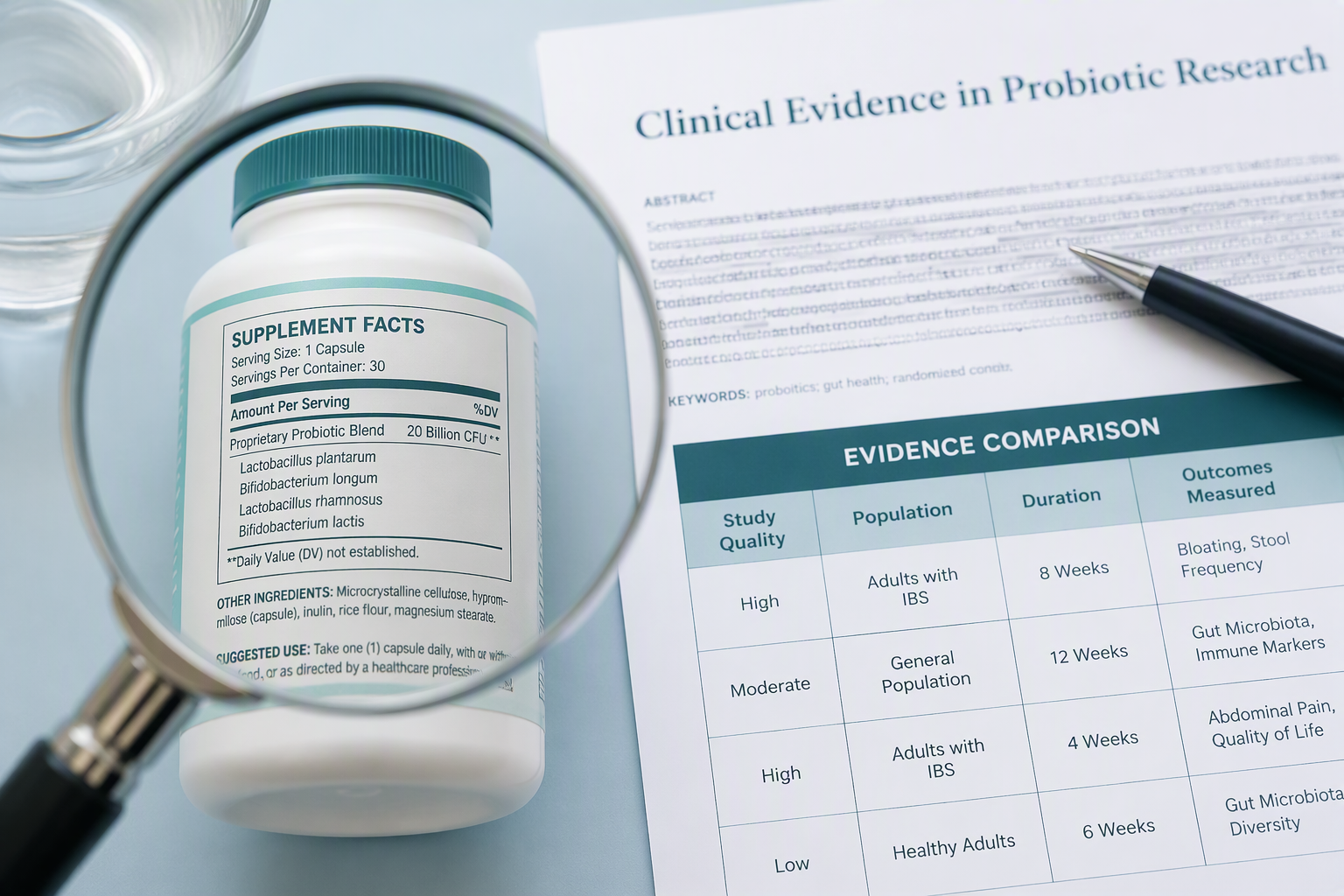
Probiotic therapy for SIBO is strain-specific. A label that says “probiotic” does not mean the product matches the one studied, and SIBO evidence is far thinner than IBS evidence. Check for the genus, species, and strain code, such as Bacillus coagulans Unique IS-2 (MTCC 5260), rather than relying on a species name or colony-forming unit count alone. SIBO symptom relief and breath-test changes can also move in different directions.
The limited SIBO research shows why study details matter. The first two rows below are Saccharomyces boulardii trials in specific patient groups; the third tested a combination approach rather than a single probiotic:
Study finding | What was studied | What it means |
|---|---|---|
Systemic sclerosis study | An open pilot trial in forty people with systemic sclerosis compared S. boulardii plus metronidazole, S. boulardii alone, and metronidazole alone over two months. SIBO was eradicated in 55%, 33%, and 25% of each group respectively (source). | This small, disease-specific comparison does not show that the same approach helps typical SIBO cases. |
Cirrhosis study | A blinded, randomized, placebo-controlled trial in decompensated cirrhosis gave S. boulardii CNCM I-745 for three months. SIBO was absent afterwards in 80.0% of the probiotic group against 23.1% on placebo (source). | Cirrhosis-related SIBO may differ from SIBO in adults without liver disease. Completion data and author or manufacturer affiliations should be clear before applying a result broadly. |
2024 combination trial | A trial in 179 people with SIBO added herbal antibiotics, probiotics and prebiotics to standard antibiotic therapy and a low-FODMAP diet. Gas levels did not improve significantly, but clinical remission rates were higher in the intervention group, particularly in methane-predominant SIBO (source). | The findings may matter when constipation is prominent, but they do not prove eradication of SIBO or apply to hydrogen-positive or diarrhea-predominant symptoms. |
Because S. boulardii is a yeast, antibacterial antibiotics do not inactivate it. That does not make it the best probiotic for SIBO. The combination trial is a useful reminder that symptom changes and suppression of SIBO on a breath test are separate outcomes, and that a multi-part protocol cannot tell you what any single ingredient did.
B. coagulans Unique IS-2 has randomized, placebo-controlled evidence for IBS symptoms, not established SIBO treatment. If IBS-like symptoms overlap with suspected SIBO, a gastroenterologist or registered dietitian can help you decide whether it fits your situation. Products labeled B. coagulans are not interchangeable unless they carry the identical Unique IS-2, MTCC 5260 strain code.
Several strains with IBS evidence are often mistaken for SIBO treatments:
- Bifidobacterium longum subsp. infantis 35624: A multicenter, randomized, double-blind, placebo-controlled trial included 362 primary-care patients across IBS subtypes. This is IBS evidence, not SIBO evidence.
- Lactiplantibacillus plantarum 299v: In a small 40-person IBS trial, abdominal pain resolved in 20 of 20 participants taking 299v and 11 of 20 taking placebo (source). A result from such a small sample needs careful interpretation.
- Bifidobacterium bifidum MIMBB75: Trial findings apply to MIMBB75, not every product labeled B. bifidum (source).
Older and newer genus names may both appear on labels. For example, 299v can be listed as Lactobacillus or Lactiplantibacillus, so the strain number is the dependable identifier. The same principle applies to 35624 and MIMBB75.
Pause a supplement and seek clinical guidance when any of these concerns apply:
- Symptoms worsen: Bloating, pain, constipation, diarrhea, or gas increases after starting the product.
- The formula is unclear: The label lists only species names, a blend, or a high CFU count without strain codes.
- The evidence is narrow: The trial has a small sample, a specialized medical population, unclear completion data, or undisclosed affiliations.
When Should You Avoid Or Stop Probiotics?

Stop a probiotic if symptoms are new, escalating, or clearly different from your usual pattern. Increased bloating, gas, abdominal discomfort, constipation, loose stools, diarrhea, or brain fog can overlap with active SIBO symptoms. The change does not prove the supplement caused the problem, but it is useful information for a gastroenterologist or registered dietitian. Raising the dose or adding another supplement can make the cause harder to sort out.
A pause is especially appropriate when symptoms are already interfering with meals, work, sleep, or daily routines. During an active, disruptive SIBO flare, confirming the cause and receiving appropriate care matters more than testing a new probiotic. A strain-specific trial may be reconsidered after symptoms stabilize if it suits your SIBO subtype and treatment plan.
Use extra caution if constipation or methane-associated symptoms worsen. One study found an association between recent probiotic use and methane-positive breath tests, but it did not establish that probiotics caused methane production or SIBO. Worsening constipation during a trial is a reason to stop the product and seek clinical guidance rather than waiting for symptoms to pass.
Signs that warrant stopping the product and arranging a clinical review include:
- Worsening abdominal symptoms: Increasing distension, pain, cramping, or gas may mean the product is not a good fit during this phase. Recognizing which changes are worth discussing matters more than pushing through them.
- A bowel-habit change: New constipation, looser stools, or diarrhea deserves attention. bowel regularity may help you track constipation patterns.
- Changes in stool consistency: Frequent loose stools or diarrhea after starting a product can be significant. stool consistency offers context for these changes.
- Brain fog or feeling unwell: These symptoms have many possible causes, but a noticeable change after starting a probiotic is worth reporting.
- Repeated reactions: Prebiotics, sweeteners, flavorings, or other added ingredients may be the trigger rather than the probiotic organism itself.
Do not use over-the-counter probiotic trial and error without individualized medical guidance if you have a weakened immune system, severe acute illness, hospitalization, or a central venous catheter, which is a long-term IV line. Serious infections from probiotic organisms are uncommon, but consequences can be greater in these situations. Pregnancy, breastfeeding, major chronic illness, and a previous allergic or intolerant reaction also call for clinician review before another trial.
Seek prompt medical evaluation for severe or persistent abdominal pain, fever, vomiting, dehydration, blood in the stool, unintentional weight loss, or rapidly worsening diarrhea or constipation. Probiotics should not delay diagnosis or replace prescribed SIBO treatment.
How Should You Discuss A Probiotic Trial?
A probiotic trial for SIBO belongs in a clinician conversation, not a supplement purchase. Share whether SIBO has been confirmed, any breath-test results, and your dominant pattern of constipation, diarrhea, mixed bowel habits, or IBS-like symptoms. Another cause may need attention before you add a supplement.
Bring the actual label, box, or a clear photo of the Supplement Facts panel. A clinician or registered dietitian can assess the full strain name and code, not just whether the product is labeled a Lactobacillus probiotic or Bifidobacterium probiotic. Species names alone cannot predict your response, and multi-strain probiotics can make it difficult to tell what helped or what triggered a flare.
Added ingredients deserve extra attention with active SIBO symptoms. Prebiotics, including inulin and fructooligosaccharides, may ferment and worsen gas, bloating, or visible abdominal distension. Digestive enzymes also warrant discussion when they are included in a product marketed for bloating.
A focused conversation can cover the decisions that matter most:
- Diagnosis: Ask whether SIBO, constipation, diarrhea, or another condition is driving your symptoms and whether further confirmation is needed first.
- Product fit: Ask whether the exact strain, dose, and formula match your symptom pattern, including any prebiotics or enzymes.
- Antibiotic timing: Clarify whether the purpose is reducing antibiotic-associated diarrhea, supporting recovery after treatment, or maintaining improvement afterward.
- Meaningful outcomes: Agree on two or three SIBO-related changes to watch, such as bloating or pain severity, gas, urgency, visible distension, or stool pattern.
- Stop plan: Set a reassessment date, identify symptoms that warrant stopping sooner, and discuss alternatives if the product does not help.
Keeping the trial focused prevents daily symptom tracking from becoming another burden.
How Can You Prevent SIBO Recurrence?
Preventing SIBO recurrence means addressing why bacterial overgrowth developed, not relying on a supplement to keep symptoms away. A diet change or probiotic may help some people feel better, but neither corrects an ongoing problem with intestinal movement, medication effects, digestion, or anatomy. Persistent bloating, diarrhea, constipation, or bowel-pattern changes warrant gastroenterology follow-up to reassess the diagnosis, treatment response, and possible underlying cause.
Slow movement through the small intestine can allow food and bacteria to remain there longer than intended. Constipation management may be part of your plan, especially if you have gastroparesis, diabetes, hypothyroidism, scleroderma, or certain irritable bowel syndrome patterns. Regular bowel movements do not always mean upper-digestive transit is normal, so recurring symptoms should not be written off as constipation alone.
Medication and stomach-acid factors also deserve a review with your prescriber. Lower stomach acid, along with longer-term use of proton pump inhibitors, antacids, antibiotics, or narcotic pain medicines, may raise SIBO risk for some people. Do not stop prescribed treatment on your own. A clinician can help you weigh whether a medicine is still needed and whether an appropriate alternative exists.
Certain health histories make a more targeted reassessment especially important:
- Structural changes: Prior abdominal surgery, radiation, intestinal narrowing, or other anatomical changes can interfere with normal intestinal transit.
- Associated conditions: Celiac disease, inflammatory bowel disease, pancreatitis, and cirrhosis can disrupt digestion, absorption, or movement through the gut.
- Symptoms after treatment: Symptoms that return after eradication of SIBO need medical evaluation rather than repeated antibiotics or supplements without a fresh review.
Nutrient follow-up may also be appropriate because small intestinal bacterial overgrowth can interfere with absorption. Vitamin B12, fats, protein, carbohydrates, calcium, and fat-soluble vitamins may be affected, contributing to anemia, nerve symptoms, bone problems, kidney stones, or unintended weight loss. Testing and dietary or supplement support should reflect your symptoms, medical history, and confirmed needs.
Long-term probiotics, prebiotics for SIBO, and synbiotics are not established methods for preventing SIBO recurrence. Although prebiotics and other products have been proposed to maintain improvement or reduce antibiotic-related effects, evidence does not support indefinite use as standard prevention. Evidence for probiotics in irritable bowel syndrome also does not show that they prevent bacterial overgrowth from returning.
Fermentable ingredients can worsen gas or bloating when symptoms are active. If you and your clinician choose a time-limited trial, use a simple approach:
- Record bloating, pain, stool changes, and food triggers before starting.
- Make one change at a time so you can spot a worsening pattern.
- Stop the product and seek clinical guidance if symptoms clearly intensify or new warning signs develop.
Probiotics for SIBO FAQs
These FAQs address common questions about probiotics for SIBO, including uncertain benefits, possible symptom changes, and how supplements may fit alongside your medical care and daily routine.
1. Can Probiotics Affect SIBO Breath Test Results?
Probiotics may temporarily shift the hydrogen or methane measured during a SIBO breath test by changing microbial activity and gas production. One study linked recent probiotic use with methane-positive results, but that association does not show that probiotics cause SIBO or affect every person’s test.
A lower or changed reading does not confirm that bacterial overgrowth has cleared. Follow your clinician’s or testing center’s instructions for preparation, pausing supplements, and retesting, since results need to be considered alongside your symptoms and the test protocol.
2. Are Fermented Foods Safe With SIBO?
Fermented foods may add nutrients and microbial variety, but they do not work like strain-specific probiotics. Microbes and amounts vary between foods and batches, and some fermented options contain FODMAPS that can worsen bloating, gas, pain, diarrhea, or constipation. This uncertainty also matters when considering prebiotics for SIBO.
With your clinician or registered dietitian’s guidance, try a small serving of one food at a time and stop if symptoms clearly worsen. Fermented foods do not help manage SIBO symptoms for everyone.
3. Should Probiotics Be Taken With SIBO Antibiotics?
SIBO probiotics and antibiotics are not automatically helpful or harmful together. Whether to use a probiotic with antibiotics for SIBO depends on the medication, your symptoms, suspected SIBO subtype, and the specific strain. Limited research does not show that all probiotics improve treatment outcomes. Saccharomyces boulardii SIBO products may be less affected because this probiotic is a yeast, not a bacterium, but it is not a universal option. Ask your prescriber about timing or pausing use, especially if antibiotic adverse effects or digestive symptoms worsen.
4. Can Probiotics Cause SIBO?
No clear evidence shows that probiotics directly cause SIBO. Many people begin them for bloating, gas, constipation, or IBS-like symptoms that may already be related to undiagnosed SIBO. Limited, conflicting evidence for probiotics as a SIBO treatment does not mean the supplement caused bacterial overgrowth.
Some people do feel worse, especially with methane-associated constipation. If bloating, gas, discomfort, or constipation clearly intensifies, pause the probiotic and discuss it with a gastroenterologist or registered dietitian. Breath testing and clinical evaluation can help identify the cause.