


Bloating, urgency, or constipation don't prove that serotonin is too high or too low. Serotonin affects gut health by helping regulate bowel movement, fluid release, and gut sensation, while IBS reflects several interacting pathways rather than a single chemical imbalance. About 90% of the body's serotonin is produced in the gut, according to a PubMed study (source).
Gut serotonin does not readily cross into the brain, but the gut-brain axis still links digestive activity, stress responses, immune signals, and nerve communication. SSRIs such as fluoxetine can change serotonin signaling in the digestive tract, sometimes causing nausea, diarrhea, constipation, bloating, or cramps after starting or changing a dose. Regular meals, gradual fiber changes, and attention to personal triggers can support bowel habits without treating food, supplements, or symptoms as a direct measure of serotonin.
Serotonin, IBS, and Gut Health Key Takeaways
- Gut serotonin helps regulate intestinal movement, fluid release, and sensation.
- IBS is a disorder of gut-brain interaction, not a single serotonin imbalance.
- Gut serotonin does not readily cross the blood-brain barrier.
- Stress can affect digestion through nerve, immune, hormone, and metabolic signals.
- SSRIs may cause nausea, diarrhea, constipation, bloating, or cramps.
- Food supports digestion but cannot reliably raise serotonin or treat IBS.
- Bleeding, weight loss, fever, or severe pain need individualized assessment.
How Does Serotonin Affect Gut Health?
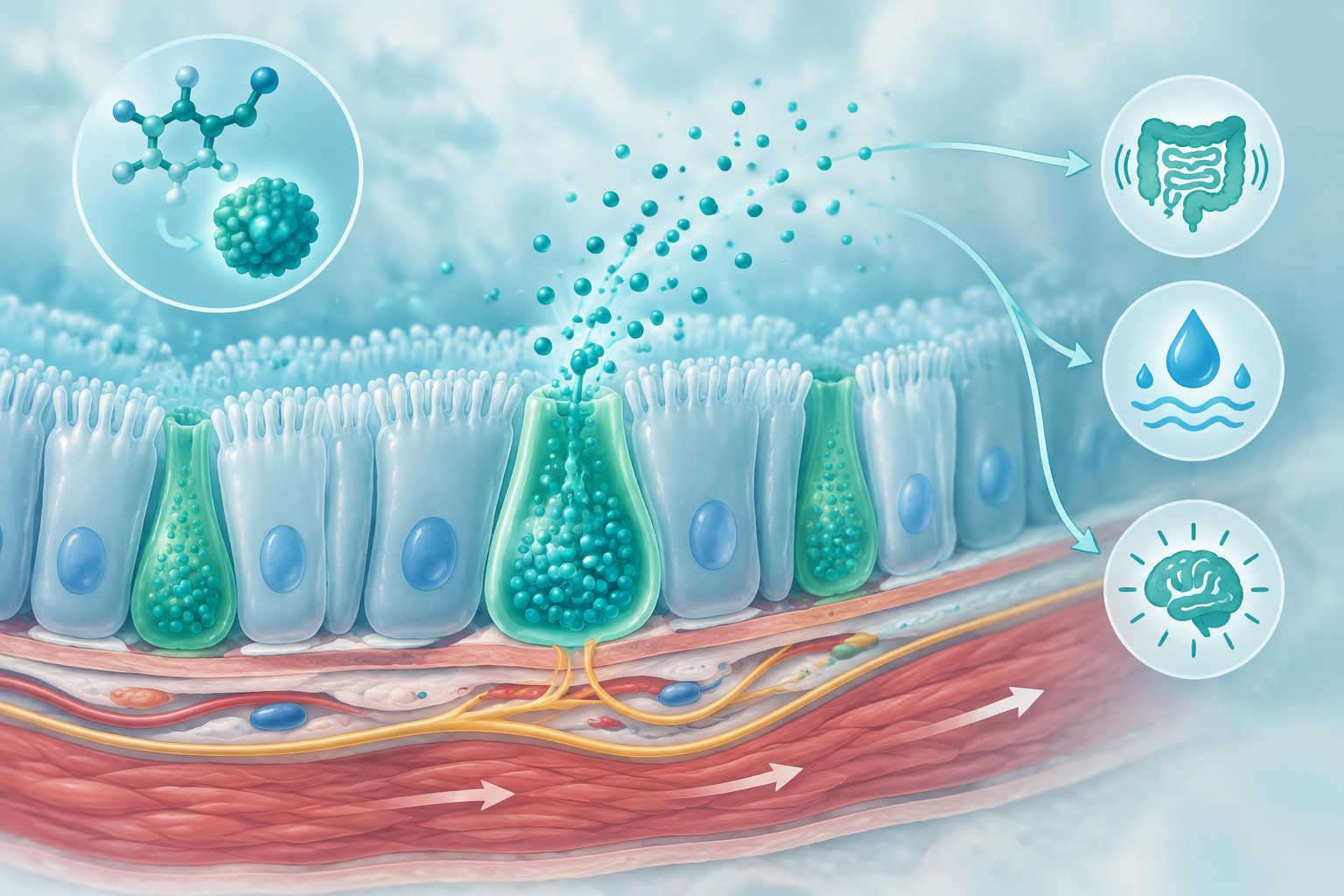
Gut serotonin, also written 5-hydroxytryptamine or 5-HT, is a neurotransmitter made primarily outside the brain. Specialized enterochromaffin cells in the gastrointestinal tract lining produce approximately 90% of the body’s serotonin, using the enzyme tryptophan hydroxylase 1 (TPH1) to convert dietary tryptophan, while only a small share is made in the brain. A 2015 Cell study examined how gut bacteria regulate host serotonin (source). This gut-derived, or peripheral, serotonin supports local and body-wide signaling, not a simple measure of mood, digestive wellness, or serotonin deficiency.
In the gut, motility is serotonin's most visible job. Serotonin in the gut helps intestinal nerves respond to food, stretching, and chemical changes. Those messages coordinate peristaltic reflexes, the wave-like muscle contractions that move intestinal contents forward. Signaling that is more active or quieter than usual may affect bowel speed, but constipation or diarrhea alone does not identify a serotonin deficiency.
Serotonin and digestion also involve fluid release and sensation. Secretory reflexes move fluid and electrolytes into the intestine, helping digestion and supporting normal stool consistency. It also helps gut nerves sense pressure, stretching, and discomfort, so routine digestive activity can feel urgent, crampy, or uncomfortable when signaling changes.
Digestive symptoms are real, but they rarely have one chemical cause. Bloating, loose stools, and constipation may also relate to food triggers, stress, infections, medications, or irritable bowel syndrome.
Serotonin has several other roles in the digestive system and beyond:
- Immune communication: It helps the intestine respond to microbes and inflammation.
- Gut-brain signaling: It participates in pathways associated with the vagus nerve, which connects the digestive tract and brain.
- Nutrient and metabolic handling: Gut serotonin contributes to nutrient absorption and transport, plus glucose and lipid homeostasis.
The gut microbiota may also shape serotonin-related signals, and how the gut microbiome works adds context to that relationship. Diet changes, supplements, and symptoms alone cannot reliably identify or correct a serotonin-related digestive change.
How Does Gut Serotonin Signal Without Entering the Brain?
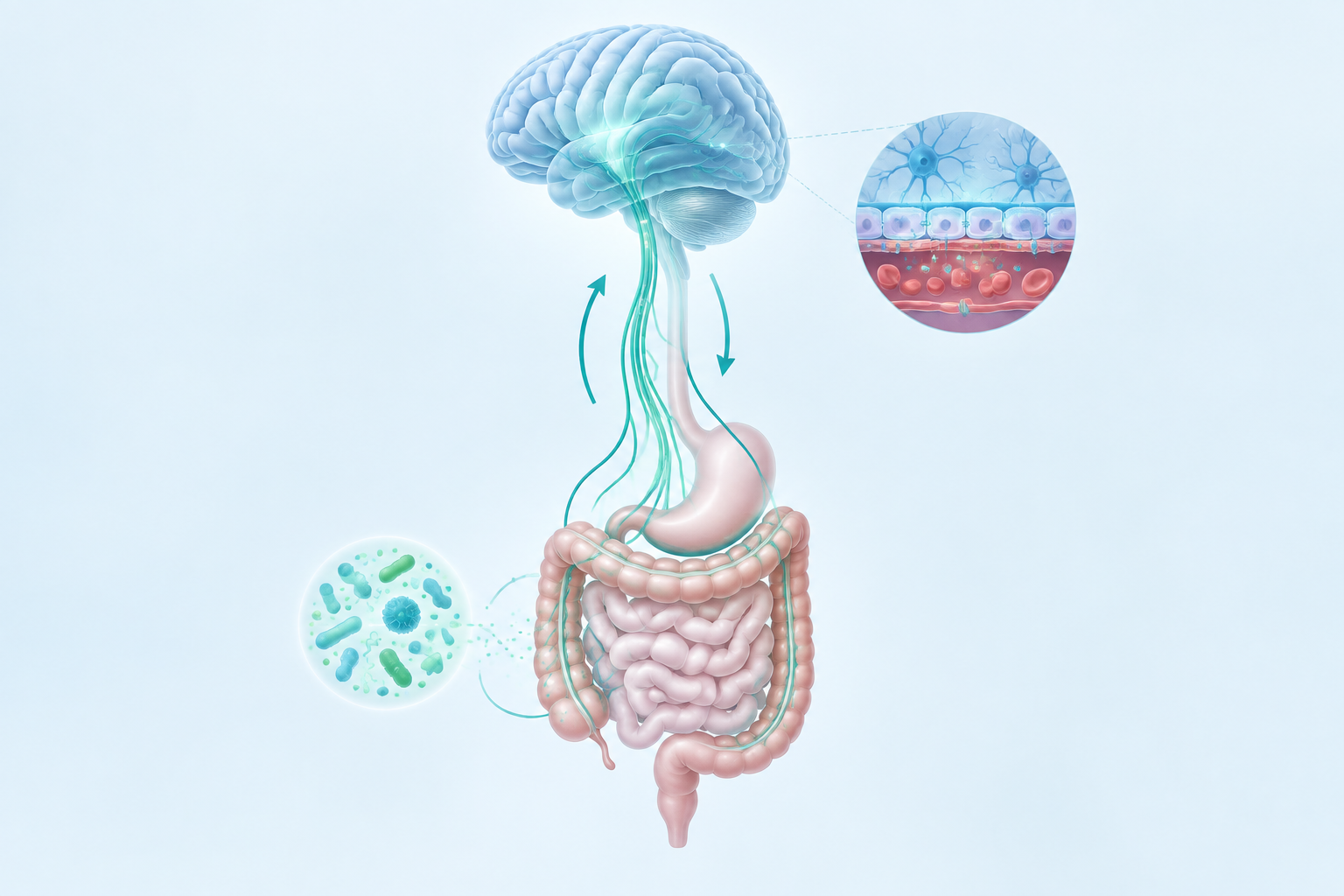
Most serotonin made in the gut acts close to where it is released. Enterochromaffin cells in the intestinal lining use serotonin signaling to help control movement, fluid secretion, blood flow, and sensation. This is why gut serotonin can affect digestion without entering the brain. The field that studies it, neurogastroenterology, treats the gut-brain-microbiome axis as a two-way system rather than a one-way pipe.
The blood-brain barrier is a tightly controlled filter around blood vessels in the brain. Serotonin in the bloodstream does not readily cross it, so higher gut serotonin does not directly raise brain serotonin. The brain makes and uses its own supply, which matters when people discuss gut brain axis serotonin or assume a food can directly change mood.
The enteric nervous system (ENS) is the digestive tract’s local nerve network, with paired thin layers running from the esophagus to the rectum. Serotonin receptors help guide digestive reflexes involving movement, enzyme release, blood flow, nutrient absorption, and elimination. Disrupted signals may contribute to urgency, nausea, cramping, constipation, diarrhea, or changing bowel habits.
The gut-brain axis serotonin connection also works through indirect routes:
- Vagus nerve: This major two-way pathway carries information about the gut’s condition to the brain. The message traveling upward is a nerve signal, not serotonin moving into the brain.
- Immune, hormone, and metabolic signals: Gut changes can affect immune messengers, stress-hormone activity, and circulating compounds that influence intestinal function and brain responses.
- Gut bacteria and serotonin: Microbes and their byproducts can affect intestinal cells, immune activity, metabolism, and nerve signaling. No single food, probiotic, or microbiome change reliably improves mood or digestive symptoms for everyone.
Stress and emotions can alter digestion, while ongoing digestive symptoms can affect how you feel and function. A 2018 Integrative Medicine review describes this two-way relationship between the gut-brain axis and mood (source).
The vagus nerve is important, but it does not explain every flare or mood shift. Gut-brain axis serotonin research describes a network of signals, not a simple answer for every symptom.
How Does Serotonin Relate to IBS Symptoms?

Through the indirect messages between the intestines and nervous system, serotonin and IBS are linked, but irritable bowel syndrome is a disorder of gut-brain interaction, not a single chemical imbalance. Differences in how the gut releases, detects, or responds to serotonin may influence symptoms alongside other factors. Gut dysbiosis, an imbalanced microbiome, and low-grade immune activation in the gut lining are two of those factors under study, since serotonin also signals to gut immune cells. Because IBS is a gut-brain disorder, gut-directed cognitive behavioral therapy and hypnotherapy work on that signaling rather than on serotonin itself.
Serotonin and digestion affect gut motility and gut secretion. Faster or poorly coordinated signaling may move stool through the bowel quickly and increase fluid release, adding to loose stools, cramping, and urgency. This pattern does not confirm excess serotonin or identify a specific IBS subtype.
Constipation may involve slower or differently coordinated signaling. When stool moves slowly, the colon absorbs more water, making stool drier and harder to pass. Medicines, diet, pelvic-floor dysfunction, and other health conditions can also cause constipation, so bowel symptoms cannot diagnose a serotonin imbalance.
Possible symptom pathways include:
- Constipation: Slower or poorly coordinated gut motility may contribute to hard stools and straining.
- Diarrhea and urgency: Faster movement and gut secretion may contribute to loose stools, cramps, and sudden bathroom urgency.
- Bloating: Slow transit can increase fullness, while gas may stretch a sensitive gut more noticeably.
- Abdominal pain: Visceral sensitivity can make ordinary stretching from food, stool, or gas feel painful.
Findings vary across IBS, functional dyspepsia, inflammatory conditions, and celiac disease. Routine tests may be normal in IBS, and there is no consistent serotonin pattern that can diagnose these conditions.
Regular meals, hydration, stress support, and a tolerable amount of fiber can support digestion without directly changing serotonin levels. If psyllium repeatedly increases gas, methylcellulose or partially hydrolyzed guar gum may be options to discuss with a clinician or dietitian. Probiotic and supplement effects are specific to the exact product and strain.
Persistent or changing symptoms deserve individualized assessment, especially with:
- Blood or black stools
- Unintentional weight loss
- Fever or anemia
- Severe abdominal pain
- New bowel symptoms later in life
Antidepressants may help some people with IBS by changing gut nerve signaling and pain processing, and they may reduce abdominal pain or other symptoms (source, source).
Why Can SSRIs Cause Digestive Side Effects?
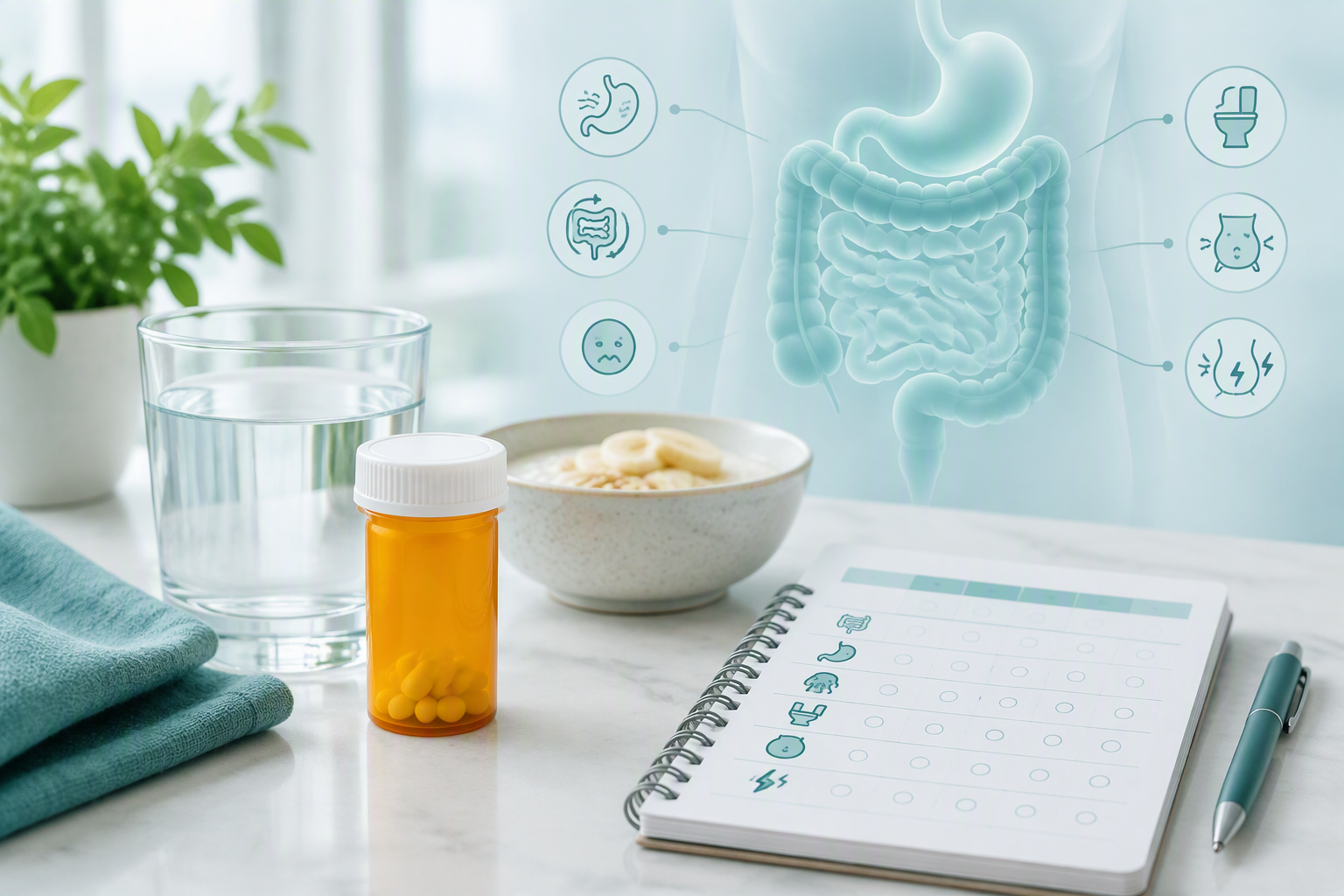
When antidepressants are considered for IBS, SSRIs can affect digestion because serotonin signaling occurs in the gut as well as the brain. Medications such as fluoxetine block the serotonin transporter, keeping serotonin active longer around nerve cells. In the digestive tract, serotonin helps control sensation, movement, and fluid handling, so a medication-related shift can change how your stomach and bowels feel.
Digestive effects vary by medication, dose, and your usual bowel pattern. They may include:
- Nausea, an unsettled stomach, or faster bowel movements.
- Loose stools or diarrhea.
- Constipation, bloating, or cramps.
These symptoms often begin after starting an SSRI or increasing the dose, then may ease as your body adjusts. Track when symptoms started, whether they followed a dose change, and whether they are improving. Do not stop fluoxetine or another SSRI suddenly because of gut symptoms without speaking with your prescriber.
Watch for:
- Severe diarrhea or signs of dehydration.
- Blood or black stool.
- Persistent vomiting.
- Intense or ongoing abdominal pain.
- Nausea or constipation that stays disruptive.
Serotonin and IBS are more complex than the idea that IBS is psychological. For selected people with IBS, antidepressants may be considered alongside symptom-specific care. A medication that helps one bowel-habit pattern may still cause early digestive side effects.
Early microbiome research does not guide medication choices. In laboratory and mouse studies, Turicibacter sanguinis transported serotonin into bacterial cells, fluoxetine reduced that transport, and higher gut serotonin coincided with more Turicibacter and Clostridia. These findings do not show predictable effects on the human microbiome, including a diverse microbiome, or support medication or supplement changes.
How Can Food Support Healthy Serotonin Signaling?
Beyond medication-related effects, food can support the basics of gut-brain communication, including adequate nutrition, regular bowel habits, and a diverse gut microbiome. It cannot reliably raise gut serotonin or treat IBS, depression, or medication side effects. Think of meals as supportive habits, not a precise way to control serotonin.
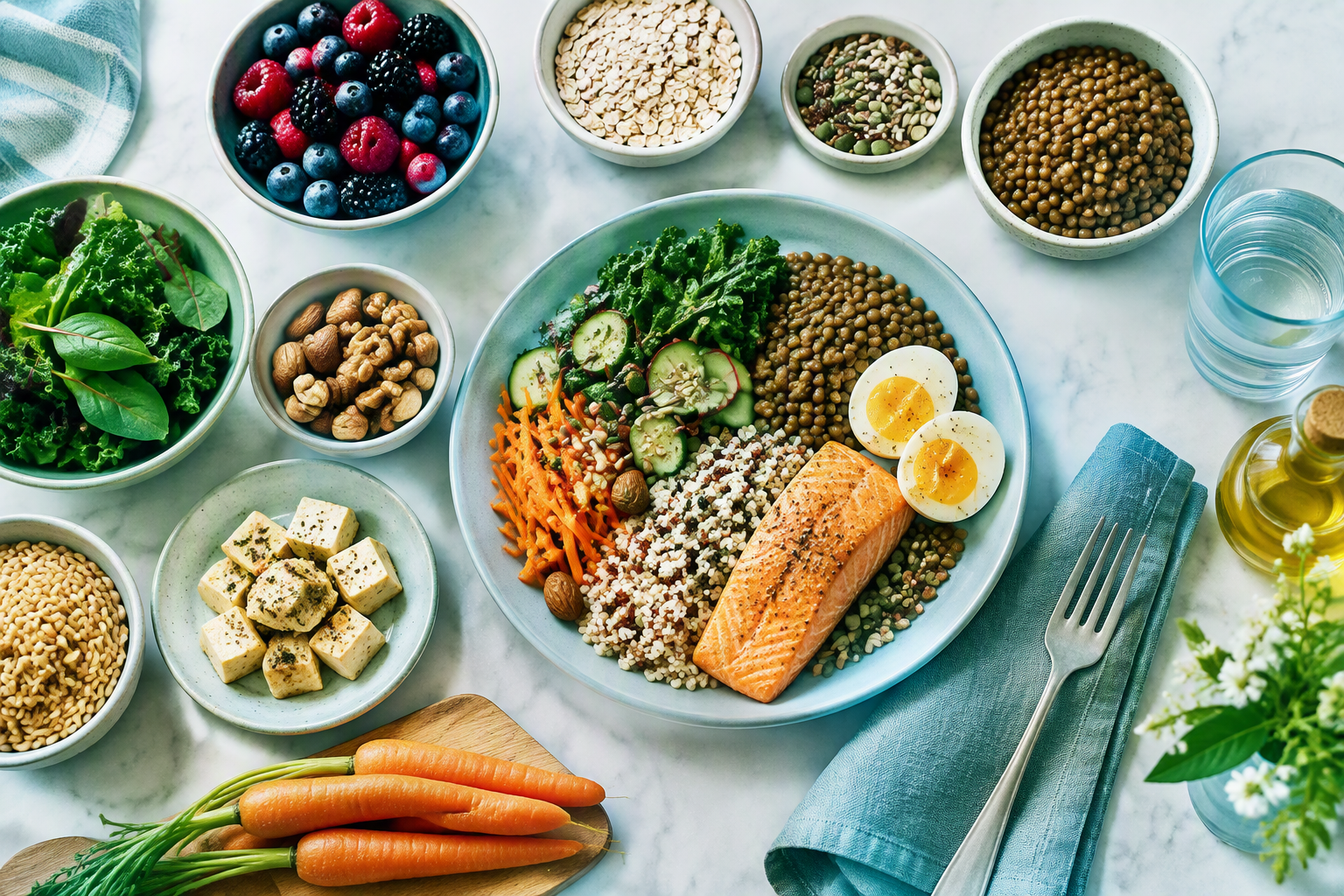
A Mediterranean-style eating pattern offers a flexible framework built around vegetables, fruit, beans, whole grains, nuts, seeds, olive oil, and fish or other proteins. A balanced Mediterranean diet may also support mood as one part of overall care, but it cannot treat depression or replace medication. Tryptophan, the amino acid the gut uses to make serotonin, comes from protein foods such as eggs, poultry, dairy, tofu, and seeds, but most dietary tryptophan is routed down the kynurenine pathway rather than into serotonin, which is why L-tryptophan and 5-HTP supplements are not a reliable way to change gut serotonin. Nutritional psychiatry and psychobiotic research, probiotic strains studied for mood such as Bifidobacterium longum, is early and rests on small trials. Budget, cultural food preferences, and digestive tolerance matter more than following a perfect menu.
A varied plant intake can support fiber and gut health, yet a fast fiber increase often backfires for people with IBS. Tolerated options may include:
- Oats, lentils, and whole grains.
- Berries, leafy greens, carrots, cauliflower, and potatoes.
- Nuts and seeds in portions that feel manageable.
Start with smaller servings and increase gradually. Large portions of bran, raw salads, beans, or certain fruits can worsen gas, bloating, constipation, or loose stools. Some signs your microbiome is off overlap with everyday digestive symptoms, so symptoms alone cannot point to a serotonin problem.
Tryptophan-rich foods include salmon, eggs, poultry, tofu, beans, dairy, nuts, and seeds. Pairing protein with carbohydrate- and fiber-containing foods helps create balanced meals, but tryptophan metabolism is complex and does not predictably increase serotonin in the gut or brain.
Smaller portions, cooked vegetables, or gentler bean preparations may help when whole grains, beans, or particular fruits trigger symptoms. A registered dietitian can tailor choices without cutting out entire food groups. Watch for:
- Persistent diarrhea or constipation.
- Unplanned weight loss.
- Bleeding.
- Significant pain.
These symptoms call for additional support.
What Should You Avoid for Gut Serotonin?
Alongside supportive food habits, digestive symptoms deserve a broader view. Serotonin made in the digestive tract has local effects that vary by context. Serotonin status is not a stand-alone assessment of mood, depression, or anxiety.
Research on the microbiome's role in mental health is still developing, and changing gut bacteria does not correct a presumed serotonin deficiency. The same goes for leaky gut claims: increased intestinal permeability is a research finding, not a serotonin diagnosis.
Instead of banning individual foods, limit an ultra-processed eating pattern when it replaces regular, minimally processed meals. Soda, packaged snacks, pastries, chicken nuggets, and instant noodles can crowd out foods that support steady routines. For fiber and gut health, focus on gradual, tolerated changes rather than a single "mood food."
Be careful with supplements marketed as serotonin boosters for bloating, constipation, diarrhea, or irritable bowel syndrome. Tryptophan-rich foods can fit into an overall diet, but supplement marketing often overstates their role. If you take SSRIs, speak with your prescriber before adding serotonin-focused supplements or changing medication (source).
A practical starting point includes:
- Regular meals: Keep meal timing as consistent as your schedule allows.
- Daily basics: Include adequate fluids, sleep, and stress support.
- Gentle fiber changes: If psyllium repeatedly causes gas or bloating, methylcellulose or partially hydrolyzed guar gum may be better tolerated.
Probiotics and serotonin research does not mean that any probiotic can raise serotonin or treat IBS. Despite labels and colony counts, probiotic benefits are not established. Added prebiotics may also worsen gas or bloating.
Track symptom patterns as you make changes. Keep warning signs in mind, especially bleeding, unexplained weight loss, fever, symptoms that wake you from sleep, or symptoms that are persistent, severe, or disruptive.
Serotonin and Gut Health FAQs
These FAQs cover common questions about serotonin and gut health, including how research relates to digestive symptoms and where the evidence remains limited. They offer a clearer way to assess confusing claims.
1. Is Most Serotonin Made in the Gut?
About 90% of the body’s serotonin production in the gut occurs in enterochromaffin cells, specialized cells in the gut lining. This makes serotonin in the gut the body’s largest supply, while the brain uses a smaller, separate pool (source).
How the gut makes serotonin supports digestion and local signaling, but gut serotonin does not cross into the brain. Does gut serotonin affect mood? Not directly, and digestive symptoms or gut bacteria alone do not determine emotional health.
2. Can Stress Change Gut Serotonin Levels?
Stress can affect gut-brain axis serotonin signaling, but it does not by itself show a measurable serotonin deficiency. The HPA stress response may speed up or slow down gut movement, while the vagus nerve carries messages between the brain and digestive tract. Inflammation-related immune signals can also change the gut environment.
This two-way gut brain axis serotonin connection may contribute to cramping, urgency, diarrhea, or constipation. A 2024 review describes this bidirectional pattern (source).
3. Can Probiotics Affect Gut Serotonin?
Probiotics and serotonin may be connected, but no product has been shown to reliably raise, lower, or balance gut serotonin in people. Research on gut bacteria and serotonin suggests that gut microbiota may affect serotonin-making enterochromaffin cells and the serotonin transporter, which controls how long signals remain active. Gut bacteria produce short-chain fatty acids, including acetate, propionate, and butyrate. Immune messages and vagal signaling may also play a role, but most findings come from lab and animal studies, which cannot establish a human treatment effect. Any benefit is strain-specific, not transferable to all probiotics or other L. plantarum strains.