


Trying to "boost" your immune system with a probiotic or a single food misses the point. Gut microbes support immune health by helping the body tolerate harmless food and resident microbes while maintaining defenses against infection. The gut microbiome is the community of bacteria, fungi, and viruses that lives mainly in the digestive tract.
GALT helps sample signals in the intestine, but its response depends on the mucus barrier, immune cells, microbial location, and the compounds microbes make from dietary fiber. Short-chain fatty acids can support the colon lining and immune tolerance, while antibiotics, irregular meals, sleep disruption, and abrupt fiber increases can affect microbial activity and digestive comfort. Steady, tolerable changes to plant foods, routines, and medication conversations are more useful than promises to fix your gut overnight.
Gut Microbes and Immune Health Key Takeaways
- Gut microbes help train immune tolerance while supporting defenses against harmful pathogens.
- GALT helps the immune system distinguish harmless gut signals from potential threats.
- The mucus barrier, epithelial lining, IGA, and resident microbes protect the intestinal surface.
- Fiber fermentation produces short-chain fatty acids that support colon cells and immune regulation.
- Antibiotics can disrupt microbial communities, though they remain essential when medically needed.
- Add fiber-rich foods gradually when bloating or bowel changes are a concern.
- Microbiome tests and probiotic claims cannot diagnose immune problems or guarantee better immunity.
How Do Gut Microbes and Immunity Connect?
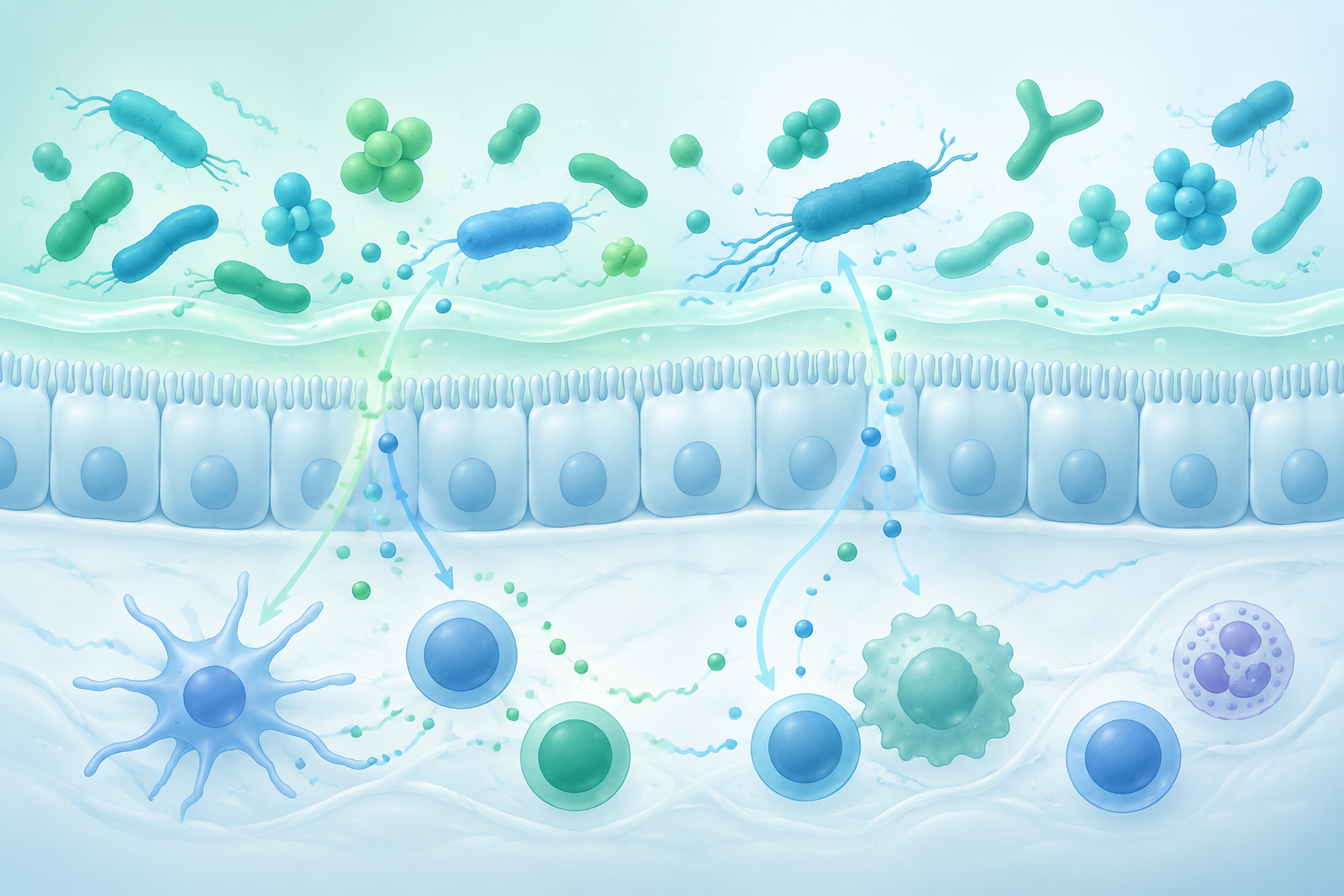
The gut-immune system relationship is a two-way conversation. Your gut microbiome includes trillions of bacteria, fungi, and viruses that send microbial signals to immune cells, while immune defenses help keep microbes in the right places. Health is not a simple good-versus-bad microbe split. Location, balance, and tolerance of harmless signals shape the response.
The intestine is a major immune meeting point, housing an estimated 70% to 80% of the body’s immune cells. Gut-associated lymphoid tissue samples what passes through the digestive tract and helps separate harmless signals from potential threats (source). Three coordinated defenses support this work:
- Resident microbiota: Gut microbes compete for space and produce compounds that influence the intestinal environment.
- Intestinal epithelial lining: Epithelial cells form a physical boundary between intestinal contents and the body.
- Mucosal immune system: This includes the mucus barrier, which helps keep many microbes away from the lining while allowing useful communication.
Intestinal and immune cells read microbial signals through pattern-recognition receptors, including Toll-like receptors and nucleotide-binding oligomerization domain-like receptors. These sensors can support immune tolerance, strengthen barrier defenses, or respond to infection. When the barrier is disrupted or signals are out of balance, the same pathways may contribute to inflammation.
The bidirectional relationship between gut microbiome and immunity helps shape macrophages, natural killer cells, regulatory T cells, B-cell responses, immunoglobulin A (IgA) production, and immune memory. This training starts early in life and shifts with diet, illness, antibiotics, medicines, and environmental exposures that affect gut bacteria and the immune system.
Because microbiome composition varies widely, researchers look beyond stool species lists. Different communities can perform similar jobs, and short-chain fatty acids made when microbes ferment dietary fiber may say more about microbiome and immune health than one organism’s presence. The microbiome beyond immunity includes other roles these functions may have.
Microbial signals and immune cells may also interact beyond the intestine, but broad immune claims need human outcomes. Changing the gut microbiome and immune system does not itself prove prevention of infections, treatment of immune disease, or a reliable immunity boost.
How Does the Gut Train Immune Tolerance?
Gut-associated lymphoid tissue (GALT) helps calibrate responses to food, resident microbes, and possible threats. This is how the gut trains immunity: microbes help calibrate immune responses, while immune defenses keep microbial communities contained near the intestinal lining.
Much of this microbial immune training depends on context. When gut microbes ferment dietary fiber, they produce short-chain fatty acids that can support regulatory T cells. These cells act as immune-system brakes, limiting unnecessary reactions to food and normal gut residents without blocking protection when tissue is damaged or microbes cross a boundary.
Several immune players help keep that response proportionate:
- T helper 17 cells: These cells help defend the intestinal surface when pathogens or misplaced microbes breach normal barriers. Too much or poorly controlled signaling can add to inflammation.
- B cells and secretory immunoglobulin A: B cells release secretory immunoglobulin A (SIGA), an antibody that coats microbes near the gut lining. SIGA can help neutralize potential pathogens and keep microbes from crowding the surface without triggering a broad inflammatory response.
- Microbial signals and immune cells: Their ongoing exchange guides immune cell training, helping the body determine when restraint is appropriate and when a stronger response is needed.
Immune tolerance does not mean suppressing inflammation at all costs. It means responding in proportion to infection, injury, or microbes that appear where they do not belong. Gut signals can also interact with the nervous system, which may help explain connections between gut microbes and mood.
Disrupted communication between microbes and immune cells is associated with chronic inflammation, allergies, autoimmune conditions, and sometimes greater infection susceptibility, but it does not independently cause them. Genetics, existing immune activity, microbial location, and the combined mix of signals all shape the outcome, as research on this two-way relationship notes (source).
There is no universal ideal microbiome. Because each person’s gut environment differs, researchers increasingly assess microbial functions, including metabolites and immune signals, rather than species lists alone.
Researchers call this immune education, and the gut-immune axis depends on it: microbes signal through receptors on gut cells (toll-like receptors among them), keep inflammation in check, and crowd out pathogens through competitive exclusion. When that balance holds, the result is immune homeostasis rather than constant low-grade inflammation.
How Do Microbes Protect the Gut Barrier?
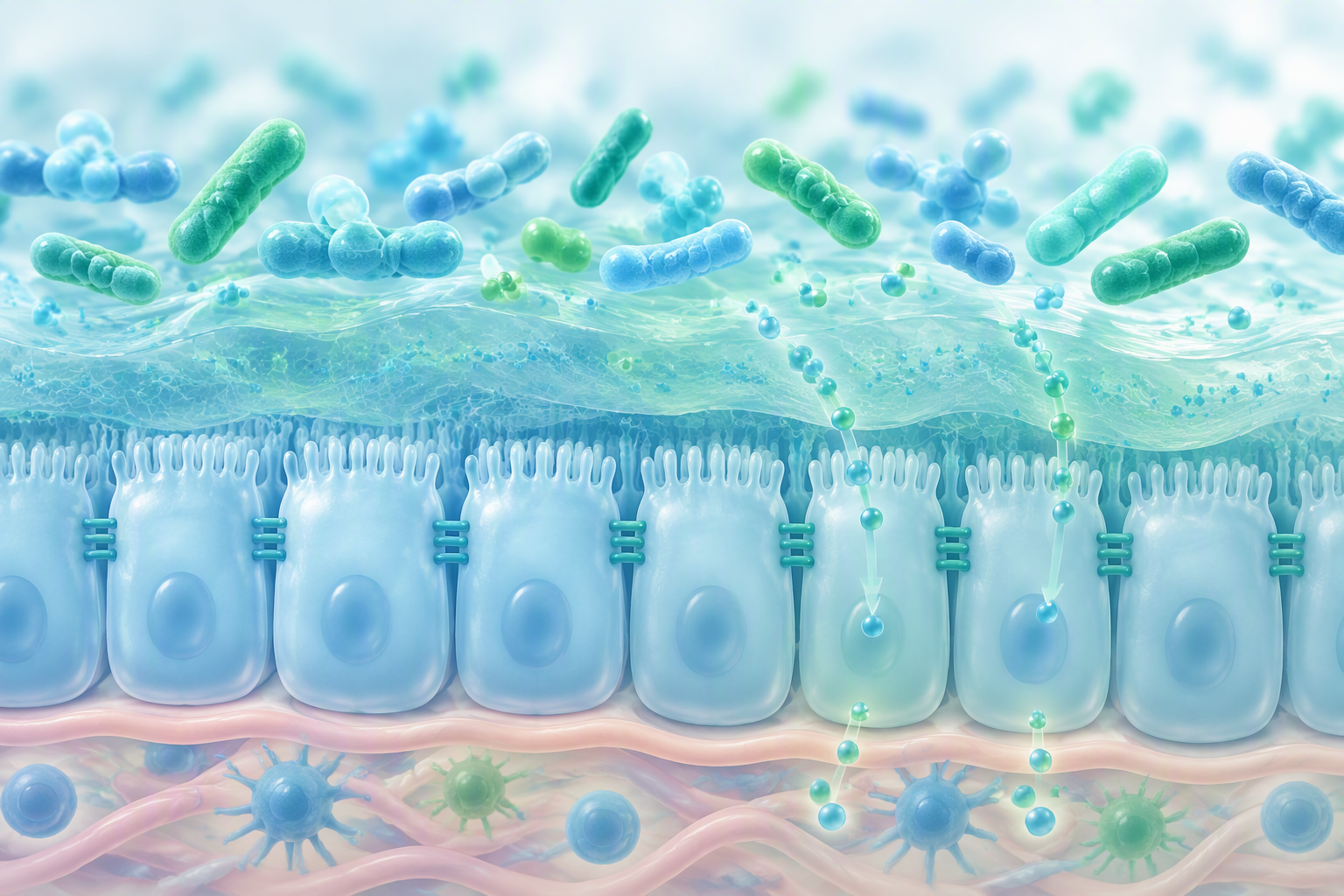
Alongside immune tolerance, the gut mucosal barrier is a selective defense system, not a sealed wall. It keeps most microbes in the gut lumen while allowing nutrients and helpful microbial signals to pass where needed. This intestinal barrier defense depends on resident microbiota, a mucus layer, tightly joined epithelial cells, and local immune defenses working together.
Mucus creates physical and chemical distance between gut contents and the intestinal surface. Under that layer, epithelial cells absorb nutrients while controlling what enters the bloodstream. Antimicrobial peptides and lectins help restrain microbes near the lining, and signals from established bacteria help keep these defenses prepared without causing constant inflammation.
Immunoglobulin A, or IGA, helps maintain a measured relationship with microbes at the intestinal lining.
Colonization resistance adds another layer of pathogen defense. Established microbial communities fill attachment sites and use nutrients that other microbes need, making it harder for potentially harmful organisms to gain a foothold. This protection can lower risk, though it cannot prevent every infection or illness.
Dietary fiber fermentation also supports the barrier. Certain gut bacteria break down fermentable fibers into short-chain fatty acids, or SCFAS, including acetate, propionate, and butyrate. Butyrate helps fuel cells in the colon lining, while SCFAS support epithelial integrity and appropriately regulated immune activity, including regulatory T-cell development.
If fiber-rich foods increase bloating, a gradual approach is often easier to tolerate:
- Start slowly: Add small amounts of different fiber foods rather than making a large change at once.
- Vary your sources: Beans, oats, fruits, vegetables, nuts, seeds, and whole grains feed different microbes.
- Notice your symptoms: Persistent discomfort may mean a particular food, portion, or type of fiber does not suit you well.
Intestinal permeability is often called “leaky gut,” but it is not a catch-all diagnosis. Infections, inflammatory conditions, some medications, and disrupted microbial communities can impair barrier function and allow more unwanted material to cross. Bleeding, unexplained weight loss, fever, severe pain, or symptoms that persist warrant medical evaluation instead of a self-directed dietary repair plan.
How Does Early Life Shape Immune Training?
Because barrier and immune defenses begin training early, early life is an influential period for microbial immune training, not a verdict on a child’s future health. Before and around birth, maternal and newborn microbial exposures meet an immune system that is still developing. These signals affect innate immunity, the body’s rapid first defense, and adaptive immunity, which learns from specific exposures.
In the gut, gut-associated lymphoid tissue, immune tissue lining the intestines, balances surveillance with immune tolerance. Immune cell training helps the body respond to harmful pathogens while accepting harmless food components and resident microbes. A well-calibrated immune response is not simply a more active one.
A child encounters microbes and microbial products through many routes:
- Pregnancy and birth: Maternal microbes, birth circumstances, health conditions, and medicines can affect early exposures.
- Feeding and close contact: Feeding patterns, caregivers, siblings, and home environments introduce different microbes.
- Food and later experiences: Varied foods, illness, medications including antibiotics, and a diet for gut health can continue to shape gut microbial diversity.
Genetics and the broader environment matter, too, so no single route is universally best. Dysbiosis, meaning an altered microbial pattern, is associated at the population level with allergies, asthma, impaired gut-barrier responses, some immune-mediated conditions, and sometimes greater infection vulnerability. Research on chronic inflammation and gut microbiome changes also suggests disrupted communication between microbes and immune cells may play a role.
Gut microbes make metabolites, including short-chain fatty acids when they process dietary fiber. These compounds may influence immune activity beyond the intestine, but research on how the gut trains immunity is still determining which pathways meaningfully affect allergy, infection, or autoimmune outcomes in people.
Early patterns can last, yet they still respond to later diet, illness, medications, and environment. Persistent digestive symptoms, frequent infections, or suspected allergies call for individualized medical guidance rather than blame over birth, feeding choices, or past antibiotic use.
How Do Antibiotics and Diet Change Microbes?

Even though early microbial patterns can keep changing, dysbiosis describes a shift in a microbial community's makeup or activity. It is not a diagnosis, and it does not simply mean there are too few "good" bacteria. A healthy microbiome looks different from one person to another. Its diversity, functions, and resilience, meaning its ability to adapt and recover after illness, medication, or dietary changes, all matter.
Antibiotics can be life-saving when medically necessary, but they can also lower the diversity of resident microbes while treating infection-causing bacteria. This temporary disruption may give potential pathogens a chance to colonize or persist, and microbial recovery can continue well after the final dose. Antibiotics and the microbiome helps explain why digestive changes can follow treatment.
A practical approach during and after antibiotics includes:
- Use antibiotics as prescribed: Take them exactly as directed, and do not use them for illnesses a clinician does not believe need antibiotic treatment.
- Address digestive changes: New or ongoing diarrhea, constipation, bloating, or discomfort may warrant a conversation with your healthcare provider. Prebiotic fiber or a targeted probiotic may fit some situations, but supplements are not one-size-fits-all.
- Choose a realistic diet for gut health: Varied plant foods and fiber-containing staples provide material for dietary fiber fermentation. This process creates short-chain fatty acids, also called SCFAS, which are gut microbial metabolites that help support the gut mucosal barrier and connect to gut health and immunity.
- Keep daily rhythms steadier: Chronic stress, too little sleep, irregular sleep schedules, and night-shift work can affect microbial rhythms as well as meal timing, activity, and digestion.
Frequent diets high in added sugars, refined foods, certain additives, artificial sweeteners, and ultra-processed foods may shift microbial functions over time, although the strength of evidence varies by food type and study design (source). No single food is harmful or curative, so consistent eating patterns matter more than trying to eat perfectly.
Microbiome changes often occur alongside inflammatory, metabolic, allergic, and immune-related conditions, but that link does not prove microbes caused the illness. Steady changes to meals, sleep, stress support, and medication conversations can support resilience without trying to fix your gut overnight.
How Can You Support Your Gut Gently?

After considering diet- and antibiotic-related microbial shifts, gentle gut support usually means adding variety slowly enough that your symptoms stay manageable. Microbial diversity is supported by different plant fibers, but quickly adding beans, bran, or large amounts of raw produce can trigger bloating, gas, or bowel changes.
Build variety around foods you already tolerate, adding one new food or a modest portion at a time:
- Vegetables and fruits: Rotate familiar options across meals.
- Legumes and whole grains: Start with smaller portions if these foods tend to cause gas.
- Nuts and seeds: Add small amounts, especially during a symptom flare.
Short-chain fatty acids from fiber fermentation support the intestinal mucus barrier and immune regulation, including regulatory T cells. Increase fiber alongside regular fluids instead of aiming for a rapid target. If psyllium consistently causes gas, ask a clinician or dietitian whether non-fermenting methylcellulose or partially hydrolyzed guar gum may suit you better.
Fermented foods are optional, not a requirement for gut health. Yogurt, kefir, kimchi, sauerkraut, and kombucha may introduce live microbes and briefly affect gut microbial diversity, yet they can worsen reflux, gas, or food sensitivities. Try a small serving of one familiar food and stop if symptoms repeatedly get worse.
Regular routines may also support the gut microbiome and inflammation, though they do not treat digestive disease:
- Movement: A brief walk or other repeatable activity can fit a busy day.
- Sleep: Consistent, sufficient sleep supports digestive rhythms and immune function.
- Stress support: Slow breathing or a wind-down routine may help when stress affects symptoms.
Research on chronic inflammation and gut microbiome patterns, including autoimmune disorders and gut microbiome links, is still developing. Cleveland Clinic describes the microbiome’s role in digestion and immune function (source).
Antibiotics remain essential when medically needed, even when dysbiosis is a concern. Never stop or avoid needed treatment because of microbiome concerns. If symptoms develop during or afterward, seek individualized guidance about food, prebiotic fiber, testing, or follow-up.
For probiotics, prioritize the named genus, species, strain code, strain-specific dose, expiration-date potency, storage needs, and research on the current formulation for your symptom. High microbe counts alone do not show a product fits your needs. People who are immunosuppressed, including some transplant patients, should seek clinical guidance before targeted probiotic use.
What Do Microbiome Claims Really Show?

To weigh practical gut-support choices appropriately, microbiome and immune health research is most useful when it separates established findings from biological possibilities and observations that do not show cause. Gut microbes interact with immune cells and produce short-chain fatty acids when they ferment certain fibers. These compounds can shape the gut environment and immune tolerance, or the immune system's ability to respond without overreacting. A credible mechanism, however, does not show that changing microbes can prevent or treat an immune condition.
Dysbiosis cannot diagnose symptoms, validate a stool-test score, or prove that you lack "good" bacteria. The gut microbiome and immune system respond to genetics, immune activity, where microbes live, and the balance of many signals. Associations with inflammation, allergies, autoimmune conditions, and infection vulnerability may reflect a cause, an effect, or both.
Claims about gut health and immunity fall into different evidence levels:
- Established mechanisms: Microbes communicate with immune cells, help support the mucus barrier, and make metabolites that affect the intestinal environment.
- Observational associations: Lower microbial diversity and altered microbe-immune communication often appear alongside inflammation, allergies, and autoimmune disease. Neither a low diversity result nor a claim of "leaky gut" identifies the cause of symptoms or confirms an immune diagnosis.
- Emerging interventions: Varied plant foods and prebiotic foods may support a resilient ecosystem. Tolerance differs, though, and there is no universal diversity target or single species that suits everyone.
The gut-immune system relationship also explains why probiotics need careful scrutiny. Benefits depend on the exact strain, dose, formulation, and health condition, so more strains or colony-forming units do not automatically mean a better option. Check the complete strain name and code, the amount guaranteed through expiration, storage needs, and research on the current formulation.
Commercial stool tests describe one sample and cannot diagnose dysbiosis or create an immune-health plan. Fecal microbiota transplantation has a specialist-supervised role for recurrent Clostridioides difficile infection, not general wellness, allergies, or autoimmune disease.
Microbiome and Immune Health FAQs
These FAQs explain how the microbiome and immune health may connect with digestive symptoms, diet, antibiotics, and probiotics. They help you distinguish practical habits from claims that reach beyond the evidence.
1. Can Gut Microbes Affect Vaccine Responses?
Yes. Gut microbes produce metabolites and signals that may influence immune cells beyond the intestine, but researchers cannot use your microbiome to predict how well a vaccine will protect you.
A 2017 systematic review and meta-analysis examined 13 probiotic trials and 6 prebiotic trials of influenza vaccine responses, with variable results. Effects can depend on the strain, dose, and health context, so more bacteria or a generic probiotic does not reliably improve vaccine response. Follow standard vaccination guidance rather than changing vaccine plans to optimize your microbiome.
2. Are Microbiome Tests Useful for Immune Health?
A microbiome test can identify organisms in a single stool sample, but it cannot diagnose an immune problem or tell you which bacteria to change. Microbiomes differ widely because of diet, medications, genetics, immune activity, and where microbes live in the gut, so a result outside a reference range is not automatically harmful. Dysbiosis describes a disrupted microbial community, not simply too few “good” bacteria. Researchers also examine microbial functions and metabolites, including short-chain fatty acids, because they may reflect mucus-barrier and immune interactions. These findings rarely offer a stand-alone diagnosis for everyday immune concerns.
3. Can Stress Alter Gut Microbes and Immunity?
Ongoing stress may affect gut microbes and immune signaling through the gut-brain connection. Changes in bowel habits, digestive secretions, and the intestinal barrier defense can alter microbial activity, but stress alone does not prove the cause of digestive or immune disease. The links between allergies and gut microbiome changes, and gut microbes and allergies, are also complex. Poor diet, irregular sleep, body-clock disruption, and frequent antibiotics matter too. Regular movement, consistent sleep, and calming routines may support gut and immune health. Persistent or worsening symptoms need medical attention.
4. Can Food Allergies Involve Gut Microbes?
Gut microbes and allergies may be connected because microbial signals help train your immune system to tolerate harmless food proteins and beneficial organisms. IGA, an antibody in the gut, also helps manage what contacts the intestinal lining. In allergies and gut microbiome research, dysbiosis is associated with mucus-barrier and intestinal-permeability changes, but these links do not prove that “leaky gut” causes food allergies.
Digestive discomfort after eating is not, by itself, evidence of an allergy. Repeat hives, swelling, wheezing, or vomiting after a food call for evaluation by an allergist.