


Mucus in stool doesn't automatically mean something serious. A small clear, whitish, or light-tan smear can be normal, particularly after constipation or straining. The colon produces mucus to protect its lining and help stool move through.
Repeated mucus, especially when little or no stool passes, deserves more attention than its color alone. Constipation, IBS, intestinal infections, hemorrhoids, anal fissures, proctitis, and inflammatory bowel disease can produce different patterns. Keeping notes for two to three weeks on timing, bowel changes, pain, fever, foods, and recent antibiotics gives a clinician useful context.
Visible blood, maroon or black tarry stool, severe or worsening pain, fever with diarrhea, repeated vomiting, or dehydration signs require prompt medical care. Mucus that returns alongside lasting bowel-habit changes, fatigue, or unexplained weight loss also needs medical evaluation.
Mucus in Stool Key Takeaways
- Small amounts of clear or pale mucus can be normal, especially with constipation or straining.
- Repeated mucus without stool should be discussed with a healthcare professional.
- Mucus color alone cannot identify the cause.
- Sudden mucus with diarrhea, cramps, nausea, or fever may occur with an intestinal infection.
- IBS can cause mucus, but bleeding, fever, or weight loss should not be assumed to be IBS.
- Bloody mucus, black stool, severe pain, vomiting, or dehydration require prompt medical care.
- Track mucus, stool changes, pain, foods, fever, travel, and antibiotic use before an appointment.
What Does It Mean When Only Mucus Comes Out?

Passing mucus without stool can happen when mucus from the lower intestine or rectum comes out on its own, sometimes with the feeling that you need a bowel movement even though little or no stool is ready to pass. One episode is not a diagnosis. The amount, color, texture, frequency, and other symptoms provide the context. common stool and digestive symptoms can help you recognize changes that are more likely to need attention.
The colon normally makes a gel-like mucus layer that keeps its lining moist, protects it from bacteria and irritants, and helps stool move through. So, is mucus in stool normal? A small clear, whitish, or light-tan smear or strand can be normal, especially when there is little stool. White mucus in stool may simply stand out more on toilet paper or in the bowl.
Constipation can make mucus in poop easier to notice. Hard or infrequent stools, not drinking enough fluids, and straining can irritate the rectal area or allow a small amount of mucus to pass separately, while mucus in a bowel movement does not identify a specific condition by itself.
The overall pattern matters more than color alone:
Often less concerning | Worth medical advice |
|---|---|
A small clear or pale smear once in a while | Mucus that keeps returning or becomes abundant |
Mucus noticed with constipation or straining | Thick, pus-like, yellow, green, or otherwise unusual mucus |
No new pain, fever, or bowel-habit changes | Mucus with diarrhea, urgency, fever, or new abdominal pain |
Only pooping mucus repeatedly, rather than passing stool, deserves a healthcare professional’s attention even if you otherwise feel well. Possible causes include constipation, infections, irritable bowel syndrome (IBS), inflammatory bowel disease, proctitis, hemorrhoids, anal fissures, and food intolerance. Rectal cancer is a less common cause, but new or recurrent bleeding needs medical assessment.
Bloody mucus is not typical normal mucus, and worsening symptoms also need prompt guidance. Red or maroon bleeding, black stool, significant abdominal pain, dizziness, fever, unexplained weight loss, and persistent bowel-habit changes are covered in more detail in the section on when to seek medical care.
A short note about when the mucus appears, whether stool follows, and any pain, diarrhea, constipation, or blood can make a healthcare conversation more useful.
What Else Might You Notice?
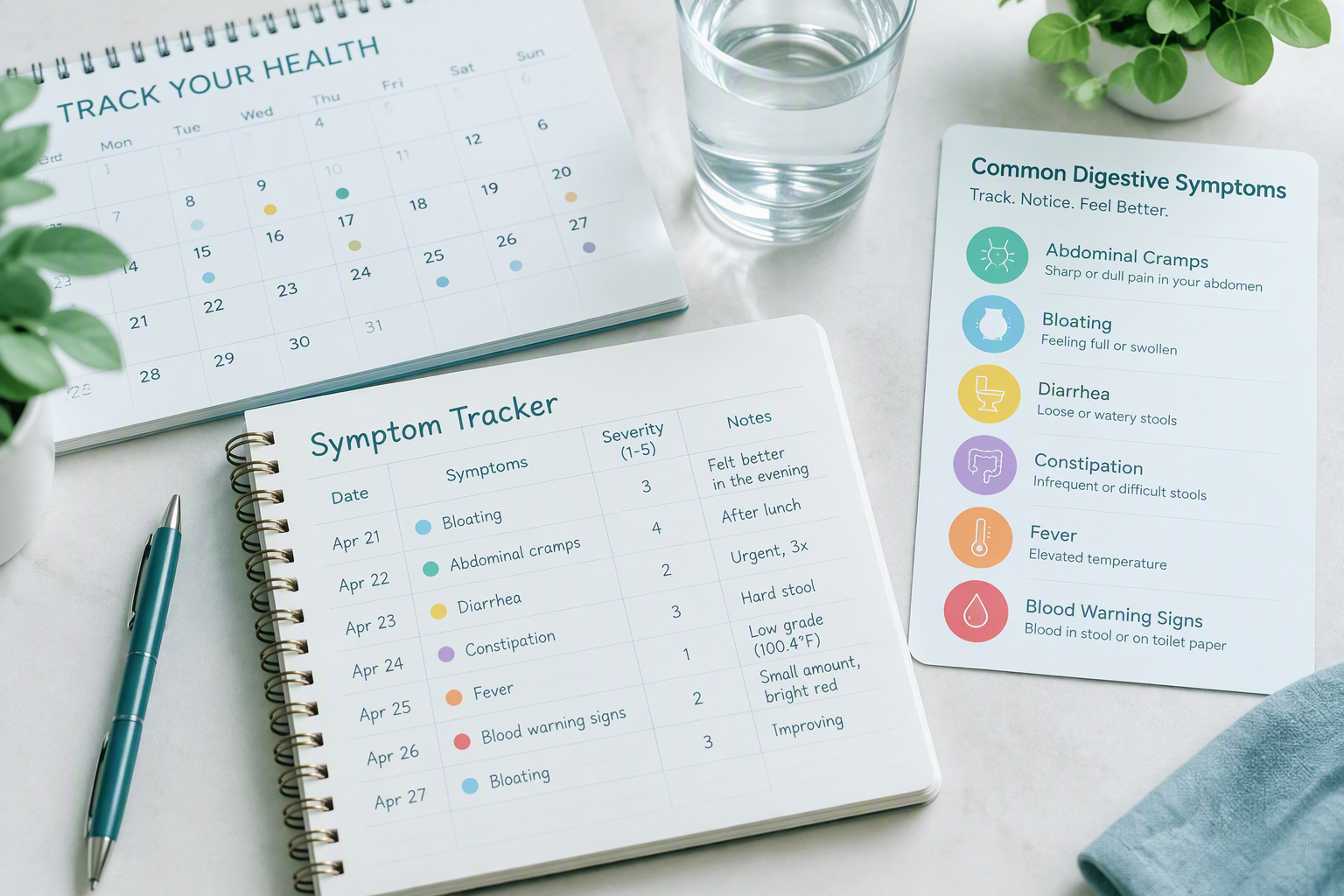
Mucus is most useful as a clue when viewed alongside your overall bowel pattern. Consider whether it appeared once or keeps returning, how much is present, and whether your usual stool frequency, shape, or consistency has changed. Details that can help put mucus in context include:
- Pain and pressure: Mild gas, bloating, or cramping that improves after a bowel movement can occur with routine bowel-pattern changes. – Rectal symptoms: Pain during bowel movements, rectal soreness, or repeated urgency with little stool are important to report. This pattern can occur when the lower bowel or rectal area is irritated.
- Diarrhea pattern: Mucus and diarrhea may happen during an intestinal upset, especially when stools are loose, frequent, urgent, or unusually foul-smelling. Nausea or vomiting adds important context. A new or persistent yellow, loose stool is also worth mentioning.
- Constipation pattern: Constipation, hard stool, and straining can irritate the rectal area and leave mucus on the stool or toilet paper, even without diarrhea.
- Whole-body symptoms: Fever, chills, body aches, nausea, vomiting, or feeling generally unwell may occur with infection or inflammation. Persistent fatigue or unplanned weight loss needs timely assessment.
Color can offer another useful detail, although it cannot diagnose the cause. Note whether mucus is clear, white or off-white, yellowish, darkly discolored, or streaked with blood. Stool that appears red, maroon, or black and tar-like also needs attention, particularly when it occurs with pain, fever, diarrhea, or lasting bowel-habit changes.
Seek prompt medical care for any of the following:
- Bloody or dark output: Bloody mucus or red, maroon, or black stool.
- Increasing pain: Severe or worsening abdominal or rectal pain.
- Illness with diarrhea: Fever with diarrhea, vomiting, or worsening illness.
- Dehydration concerns: Trouble keeping fluids down, marked weakness, dizziness, or other dehydration signs.
- Ongoing changes: Persistent bowel-habit changes, fatigue, or unplanned weight loss.
A brief record of timing, stool changes, pain, foods, fever, and vomiting can give a healthcare professional a clearer starting point.
What Causes Mucus in Stool?
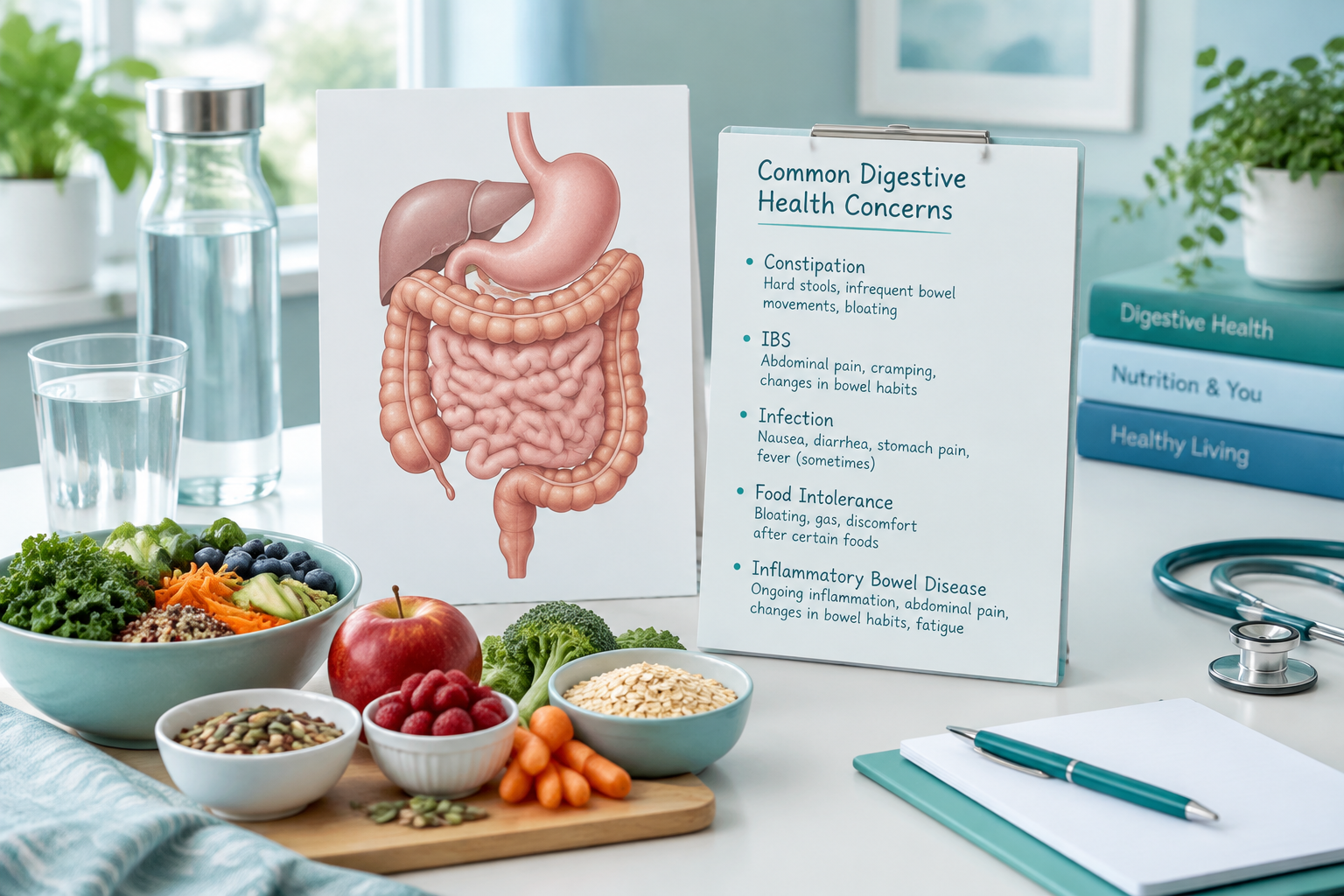
With the symptom patterns above in mind, a small amount of clear or whitish mucus is most useful when compared with your usual bowel pattern. The bowel's mucus layer can change with irritation or altered bowel habits. Mucus in poop should be considered with its timing and accompanying symptoms.
Pattern | What it may mean |
|---|---|
Occasional clear mucus with a normal bowel movement | Normal bowel lubrication |
Mucus after hard stool, straining, or infrequent bowel movements | Constipation or irritation near the anus |
Sudden mucus with diarrhea, cramps, nausea, or fever | An intestinal infection may be involved |
Ongoing mucus with blood, urgency, weight loss, or persistent pain | Medical evaluation is important |
When mucus arrives together with loose stools soon after meals, a short-lived infection or a food-related trigger is more likely than a long-term condition.
The causes of mucus in stool range from minor irritation to digestive conditions that need care. Low fluid intake and too little dietary fiber can lead to hard, slow-moving stool, while straining may leave mucus on stool or toilet paper and irritate tissues around the anus.
Several anorectal conditions can also cause mucus or drainage:
- Hemorrhoids: Itching, swelling, or discomfort may occur with mucus.
- Anal fissures: These small tears in the anal lining often cause pain during or after a bowel movement.
- Anal abscesses or fistulas: Swelling, tenderness, persistent pain, or drainage near the anus should be assessed by a healthcare professional.
An intestinal infection can cause mucus with sudden diarrhea, cramping, nausea, or fever. Bacteria, viruses, and intestinal parasites can trigger this pattern after contaminated food or water, travel, or contact with someone who is ill. The symptom alone cannot identify the germ responsible.
Irritable bowel syndrome may include mucus along with recurring abdominal pain and constipation, diarrhea, or alternating bowel habits. When that pattern is already diagnosed, how mucus behaves during an IBS flare is the more useful reference. Symptoms can flare after meals or during stressful periods. Bleeding, fever, weight loss, or severe ongoing pain should not be assumed to be IBS. The National Institute of Diabetes and Digestive and Kidney Diseases describes IBS symptoms and possible causes (source).
Inflammatory bowel disease includes Crohn’s disease and ulcerative colitis. These conditions can cause mucus, diarrhea, urgency, rectal discomfort, and sometimes blood because inflammation affects the digestive tract. Proctitis, or inflammation of the rectum, may also lead to mucus-heavy or mucus-only discharge. The National Institute of Diabetes and Digestive and Kidney Diseases notes that ulcerative colitis affects the rectum and colon (source).
Problems with food digestion can change stool texture as well. Celiac disease, food intolerance or allergy, and malabsorption, meaning poor nutrient absorption, may cause mucus with bloating, gas, diarrhea, or pale, greasy, floating stools that are difficult to flush. Cystic fibrosis is less common, but thick secretions can block pancreatic ducts and interfere with digestion, contributing to loose, greasy stools.
Diverticulitis can cause mucus when pouches in the colon become inflamed, often with new lower-abdominal pain and bowel changes. Colorectal cancer is uncommon, but rectal bleeding, persistent bowel-habit changes, unexplained anemia, or weight loss warrant medical evaluation. Mucus alone does not diagnose cancer or any single digestive condition.
When Should You Seek Medical Care?
Given the range of possible causes, a small, one-time amount of mucus without other symptoms is often not an emergency. When to seek medical care depends on whether it returns and whether it occurs with bleeding, pain, fever, vomiting, diarrhea, or a lasting bowel-habit change.
Urgent care is needed if mucus comes with visible blood, maroon stool, or black, tarry stool. The National Institute of Diabetes and Digestive and Kidney Diseases lists black or tarry stool and dark or bright red blood mixed with stool as signs of gastrointestinal bleeding (source). Gastrointestinal bleeding may also cause dizziness, fainting, marked weakness, or a racing heartbeat, according to the National Institute of Diabetes and Digestive and Kidney Diseases. Black specks in your stool can have less serious causes, but sticky black stool needs prompt evaluation.
Seek urgent or same-day clinical advice when any of these signs occur:
- Bloody mucus in stool: Mucus with abdominal pain needs prompt assessment, especially when blood is present. In babies and young children, stool that contains blood and mucus and resembles currant jelly requires urgent evaluation.
- Severe or persistent pain: Abdominal or rectal pain that worsens, stays in one spot, prevents normal activity, or does not ease is more concerning than brief, mild cramping, particularly with bleeding or vomiting.
- Fever or repeated vomiting: Fever with mucus and diarrhea, or vomiting that happens repeatedly, may point to an illness needing medical attention.
- Dehydration signs: Prompt care is important if fluids will not stay down, urine is very dark or scant, or dry mouth, unusual sleepiness, confusion, standing dizziness, fainting, or marked weakness develops.
Frequent, heavy, or ongoing diarrhea also deserves earlier contact. Avoid over-the-counter anti-diarrheal medicine for unexplained diarrhea when fever, blood, black stool, severe pain, or dehydration is present.
Arrange a non-emergency appointment if mucus keeps returning or your bowel habits remain noticeably different from usual. New constipation, diarrhea, urgency, narrower stools, alternating bowel habits, unexplained weight loss, fatigue, or weakness all merit evaluation, even without visible blood.
Before an appointment, note when the mucus began, its color and amount, whether it appears with stool or alone, and changes in frequency or stool form. Include pain, fever, vomiting, blood, recent illness or antibiotic use, and weight changes. Digestive symptoms can have many causes.
How Will a Clinician Evaluate Mucus?
When symptoms warrant an appointment, clinicians do not assume mucus has one cause. They will usually ask when it started, how often it occurs, its color, and whether it is mixed with stool or blood or passes on its own. Details such as diarrhea, constipation, urgency, abdominal pain, fever, nausea, weight changes, and a feeling of incomplete emptying help narrow the possibilities.
Your recent history matters, too. Diet changes or trigger foods, travel, sick contacts, questionable food, and antibiotic use can point toward different explanations. Prescription medicines, over-the-counter products, and supplements also deserve review because they can affect bowel habits or raise the risk of certain infections.
The physical exam may include:
- Abdominal exam: The clinician may check for tenderness, swelling, or a mass and listen to bowel sounds.
- Rectal exam: If symptoms suggest an anal or rectal concern, an exam may look for mucus, blood, hemorrhoids, fissures, irritation, or tenderness.
A stool sample can help a clinician look for clues that symptoms alone may not show, including bacterial infection, hidden blood, or inflammation. The National Institute of Diabetes and Digestive and Kidney Diseases says stool tests can show occult bleeding, and it also describes stool studies as part of GI bleeding diagnosis (source). Testing is often more useful after sudden diarrhea, travel, suspected contaminated food, fever, or mucus mixed with blood.
Blood work may be appropriate for persistent or severe symptoms, bleeding, or other warning signs. It can check for anemia, dehydration, electrolyte imbalance, inflammation, or infection, but results guide further evaluation rather than diagnose every cause by themselves.
Colonoscopy can examine the colon and rectum and collect tissue samples when inflammatory bowel disease, ongoing bleeding, polyps, or other colon conditions are concerns. CT scans, MRI, X-rays, or upper endoscopy are selected only when your symptoms and exam findings support them.
How Can You Track Symptoms Before Your Visit?

To help your clinician evaluate those details, track symptoms for two to three weeks before your visit so your clinician can see patterns without asking you to diagnose yourself. Note when mucus appears, how much you see, whether it comes with stool or on its own, and whether clear mucus in stool, white mucus in stool, or yellow mucus in stool occurs. Include stool frequency, color, consistency, mucus and diarrhea, constipation, urgency, blood, pain, fever, hydration, and how long the change has lasted.
Also note recent travel, antibiotics, new prescription or over-the-counter medicines, and new foods. These details can help a clinician decide whether targeted testing is needed, especially when symptoms persist, recur, or change over time.
Mucus in Stool Causes FAQs
These FAQs cover common concerns about what causes mucus in stool, including what patterns may be harmless and when medical guidance may be appropriate.
1. Will Mucus in Stool Go Away?
A small amount of mucus may settle after constipation, a brief stomach infection, or temporary bowel irritation improves, and one isolated episode is not always serious. Causes of mucus in stool can include irritable bowel syndrome, inflammatory bowel disease, infection, or food intolerance. Contact a healthcare professional if it keeps returning, becomes more noticeable, or occurs with blood, fever, significant abdominal pain, ongoing diarrhea, unexplained weight loss, or worsening symptoms.
2. How Is Mucus in Stool Treated?
Mucus itself does not need separate treatment because care depends on its cause. Constipation or a mild stomach illness may improve with fluids, rest, and regular bowel habits, while recurring mucus needs medical assessment. IBS can cause mucus without intestinal damage, but infections, IBD, malabsorption, food intolerance, and structural conditions need cause-specific care.
Do not self-treat unexplained blood or black stool, fever, severe or worsening abdominal pain, dehydration, or ongoing diarrhea. Medicines for diarrhea or constipation can delay care for infection, inflammation, or another condition.
3. Can Food Trigger Mucus in Stool?
Food may be an indirect factor when lactose intolerance, a food allergy, celiac disease, or malabsorption changes stool consistency or irritates the digestive tract. Loose stools soon after meals can occur alongside mucus. Greasy or oily stools may signal poor fat absorption and need medical assessment.
Note meals, timing, mucus, and symptoms such as diarrhea, pain, bloating, rash, or vomiting. One episode does not prove food was the cause. Avoid cutting out dairy, gluten, or several food groups without guidance, especially with recurring symptoms, blood, weight loss, fever, or dehydration.
4. Can Antibiotics Cause Mucus in Stool?
Yes. Antibiotics can disrupt the usual balance of bacteria in your digestive tract, leading to looser stools, cramping, or mucus. Mucus is not automatically a harmless medication effect. It may also reflect bowel irritation or an intestinal infection.
Contact the clinician who prescribed the antibiotic if mucus appears during or after treatment, especially alongside diarrhea, fever, worsening belly pain, or blood in the stool. Seek urgent care for severe symptoms or dehydration signs, including dizziness, very dark urine, or trouble keeping fluids down.