


Seeing corn skins, seeds, or leafy bits in the toilet can make it seem as though your body missed an entire meal. Usually, undigested food in stool is normal, particularly after high-fiber foods whose cellulose-rich outer layers resist human digestive enzymes. Rushed eating and short-term diarrhea can also leave larger pieces visible.
That reassurance changes when food particles appear alongside persistent diarrhea, unexplained weight loss, greasy or pale stools, or ongoing pain. Conditions such as celiac disease, Crohn's disease, and exocrine pancreatic insufficiency can affect digestion or nutrient absorption, and clinicians may use a fecal elastase-1 stool test when pancreatic insufficiency is suspected.
One unusual bowel movement rarely tells the whole story, so look at recent meals, chewing habits, and changes in stool consistency over time. Blood in stool, black tarry stool, severe or worsening abdominal pain, repeated vomiting, fainting, or dehydration needs prompt medical care.
Undigested Food in Stool Key Takeaways
- Occasional visible plant material in stool is usually harmless.
- Cellulose in corn skins, seeds, and vegetable peels may remain recognizable after digestion.
- Eating quickly or chewing poorly can leave larger food pieces visible.
- Diarrhea and rapid intestinal transit can make food residue easier to notice.
- Persistent diarrhea, weight loss, greasy stools, or pale stools warrant medical evaluation.
- Blood, black tarry stool, severe pain, vomiting, or dehydration needs prompt care.
- Fecal elastase-1 testing may help assess suspected exocrine pancreatic insufficiency.
Is Undigested Food in Stool Usually Normal?
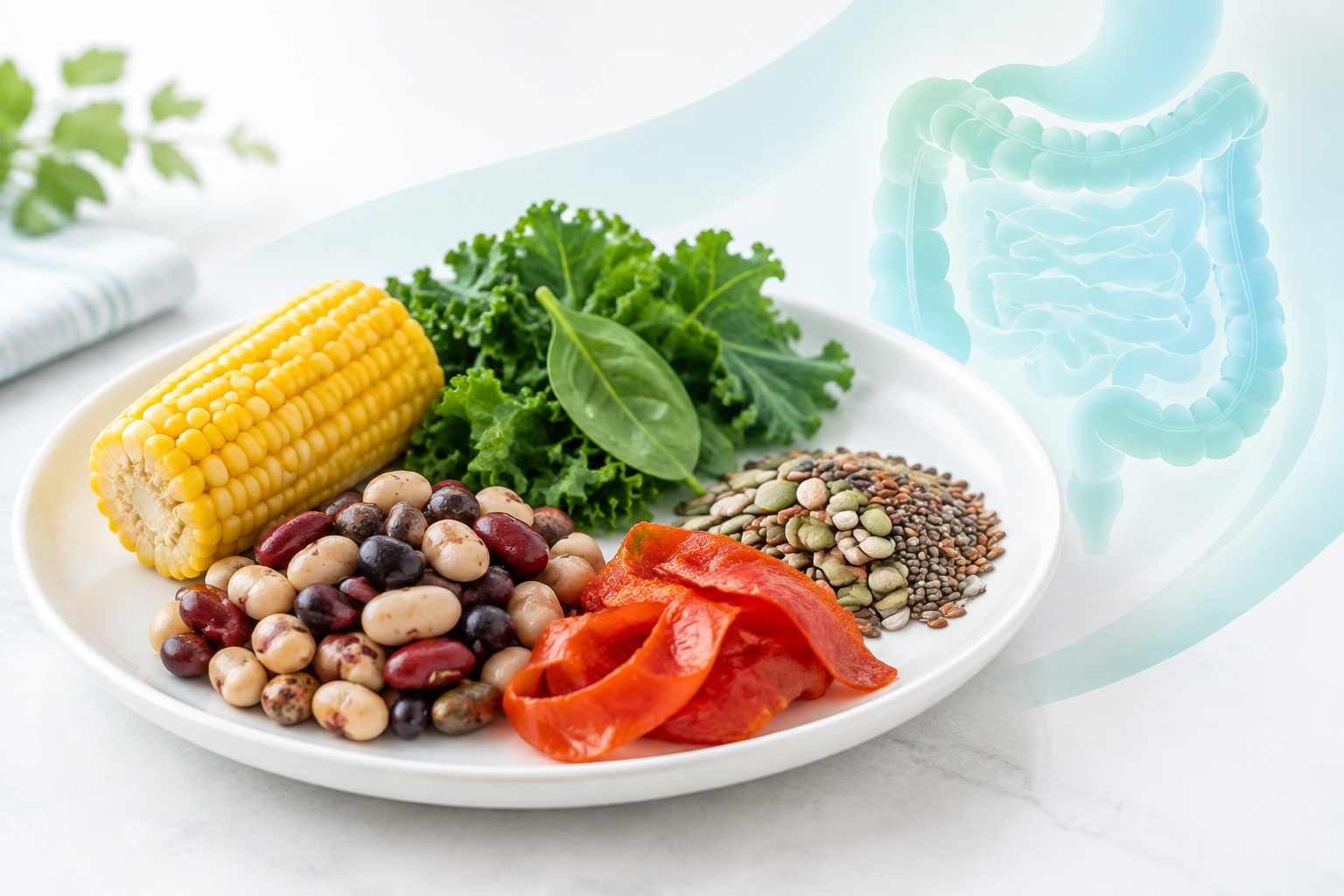
Occasional undigested food in stool is usually harmless when your bowel movement otherwise looks typical and you feel well. Other digestive symptoms and what they mean puts this change alongside concerns such as bloating, diarrhea, and constipation.
If you’re wondering, “why is there undigested food in my stool,” fiber is often the answer. Plant cell walls contain cellulose, a tough material your body does not fully break down. High-fiber foods can leave recognizable outer layers behind even though the nutrients inside were digested and absorbed.
Common examples include:
- Corn skins
- Leafy greens
- Bean or tomato skins
- Seeds
- Nut hulls
Fiber adds bulk and helps stool move through the intestines. Food particles in stool after a fiber-rich meal are different from repeatedly seeing substantial amounts of an entire meal unchanged, and undigested food in poop that keeps appearing is worth noting but not a reason to avoid nutritious plant foods.
Contact a qualified healthcare professional if visible food persists or occurs with any of the following:
- Frequent diarrhea
- Unexplained weight loss
- Greasy or pale stools
- Blood in stool
- Significant abdominal pain
- Fever
- Worsening weakness
These signs can suggest a digestion or nutrient-absorption concern rather than harmless fiber residue. The overall pattern matters more than one stool, so consider recent foods, how thoroughly you chewed, and whether faster intestinal transit may be moving food through quickly.
Identify Common Food and Transit Causes

When warning signs are absent, visible bits of plant foods are usually harmless, especially when they happen occasionally without other symptoms. Corn hulls, beans, peas, quinoa, other grains, seeds, and vegetable peels contain cellulose and insoluble fiber, which the body does not completely break down. Seeing these remnants does not mean you failed to digest the meal or absorb its nutrients. In many cases, undigested food in stool is simply durable plant material.
Chewing and digestion begin before food reaches your stomach. Eating quickly can leave larger pieces of raw vegetables, grains, nuts, or seeds that remain visible later as food particles in stool. Consider whether this happens after rushed or distracted meals, then slow your pace and chew more thoroughly for several days, as smaller pieces give the digestive tract less physical work to do.
Food often takes about 24 to 72 hours to pass through the digestive tract, though transit time can vary from person to person (source). Rapid intestinal transit means it moves through faster, leaving less time for water absorption and fiber processing. Loose stools with recognizable food bits can result, which is one reason for undigested food in stool and diarrhea.
Short-term diarrhea after an illness, a food trigger, or another digestive upset can speed passage. Stress may also cause changes in bowel habits through the brain-gut connection. Diarrhea-predominant irritable bowel syndrome (IBS) can cause urgency and quicker stool passage, but particles alone do not diagnose IBS. When fast-moving stool also appears yellow, yellow stool after meals offers added context.
A simple self-check can help you spot a likely food-and-timing pattern:
- Match recent foods: See whether the particles resemble corn, beans, seeds, grains, or vegetable skins.
- Notice meal pace: Track whether recognizable pieces follow hurried eating.
- Watch the whole pattern: Pay attention to ongoing diarrhea, urgency, pain, or other symptoms instead of one stool change.
If you are wondering why is there undigested food in my stool, occasional plant remnants are often less concerning.
Recognize Signs of Malabsorption

Even with common food and transit causes in mind, an occasional corn kernel, vegetable skin, or seed in an otherwise formed stool provides useful context when assessing other symptoms. Plant fiber can remain intact after a fiber-rich meal, especially if you ate quickly, did not chew much, or food moved through your bowel faster than usual.
Malabsorption means nutrients are not fully digested or absorbed, most often in the small intestine. Concern rises when visible food occurs with lasting bowel changes or signs that your body is not getting enough nutrition.
Stool changes that deserve medical attention include:
- Persistent diarrhea: Frequent loose stools that continue instead of improving after a short illness or dietary change.
- Greasy stool: Oily, sticky, bulky, unusually foul-smelling stool that floats often or is difficult to flush may reflect poor fat absorption.
- Pale stool: Repeated light-colored or pale stool is different from a few recognizable plant pieces in an otherwise normal brown stool.
Other symptoms make an ongoing stool pattern more important:
- Unexplained weight loss: Losing weight without trying, or struggling to maintain it, can signal poor nutrient absorption or another health concern.
- Low energy: Persistent fatigue or weakness may occur when your body is not getting or using nutrients well.
- Anemia or nutrient deficiency signs: Paleness, shortness of breath, lightheadedness, easy bruising, bone problems, numbness, or changes in the mouth and skin can warrant evaluation.
Celiac disease, Crohn’s disease, ulcerative colitis, and pancreatic insufficiency from low enzyme output can interfere with digestion or absorption. The National Institute of Diabetes and Digestive and Kidney Diseases explains that exocrine pancreatic insufficiency occurs when the pancreas does not make enough digestive enzymes (source).
Loose stools alone do not confirm a serious absorption problem. Lactose intolerance, gastroenteritis, dumping syndrome, and IBS can also cause diarrhea, so the pattern over time matters more than stool appearance by itself.
When Should You Seek Care for Undigested Food?
Because persistent symptoms can signal malabsorption, visible food is rarely an emergency on its own. Schedule a healthcare appointment if it keeps happening with persistent diarrhea, new changes in bowel habits, trouble controlling bowel movements, or unexplained weight loss.
Seek prompt medical care for any of the following:
- Bleeding: Blood in stool or black, tarry stool needs urgent assessment. Small black flecks in stool can have several causes, but tarry stool is different.
- Severe illness: Severe or worsening abdominal pain, repeated vomiting, confusion, or fainting.
- Dehydration: Intense thirst, dizziness, or very little urine.
A timely routine visit also makes sense for ongoing bloating, gas, cramps, pale stool, greasy stool, or food residue that continues after ordinary changes to meal pace and chewing. Stool that leaves grease in the bowl may occur with malabsorption, which means your body is not absorbing nutrients as expected.
A clinician considers the full pattern, including symptom timing, recent infections, medications, diet, and family history. Evaluation may include an examination and blood or stool tests for infection, inflammation, fat malabsorption, or digestive enzyme function.
Fecal elastase-1 is a stool test sometimes used when exocrine pancreatic insufficiency is suspected. A fecal elastase-1 result above 200 mcg/g is generally considered normal, while lower results may need follow-up. Watery diarrhea can dilute the sample and produce a falsely low result (source).
Try Practical Steps and Track Patterns
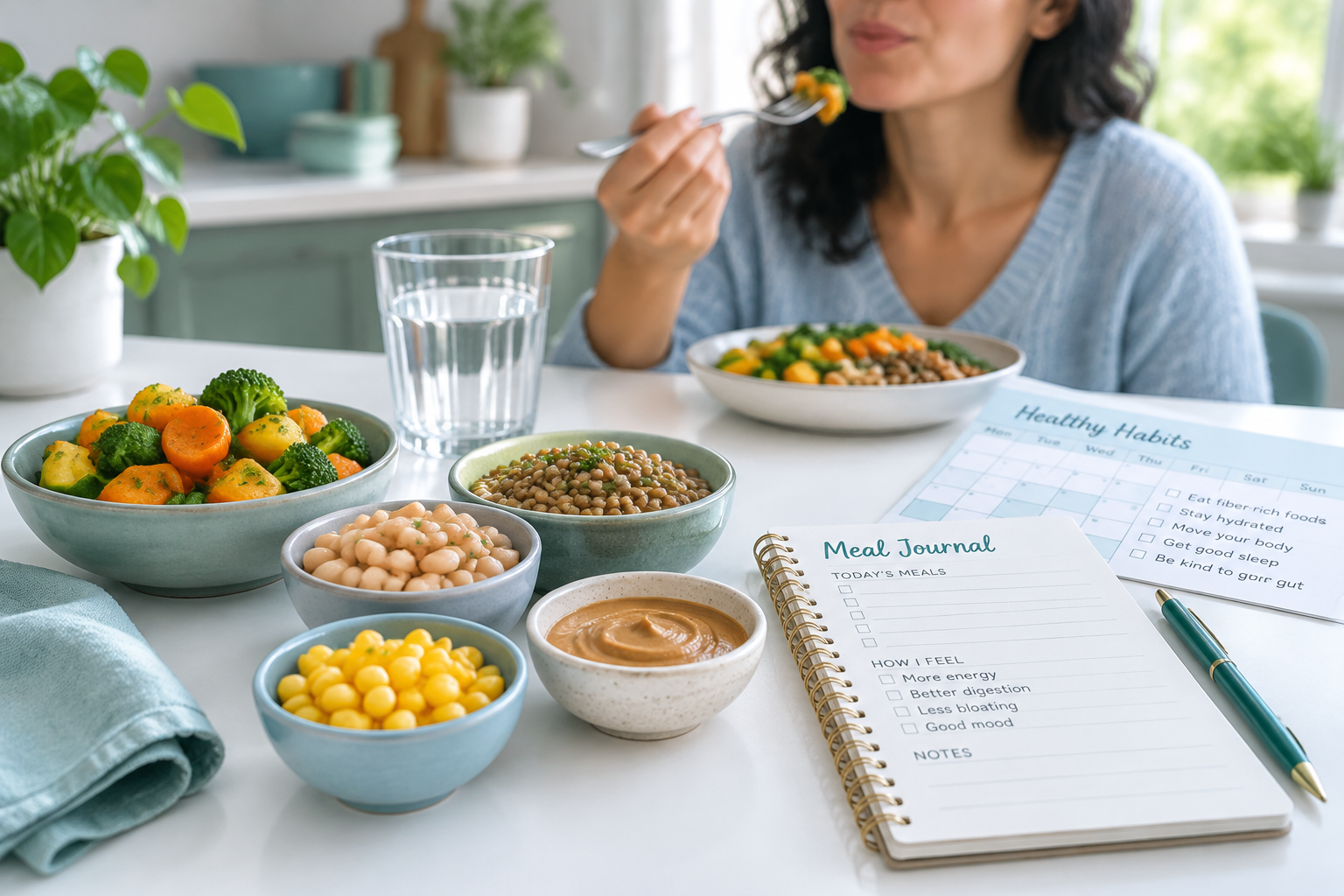
When urgent or persistent symptoms are absent, take smaller bites and chew well, especially when eating firm skins, seeds, and other fibrous foods. Chewing and digestion work together to break food into smaller pieces before it reaches your stomach. If vegetables often appear intact, cook them until tender rather than cutting out high-fiber foods.
Corn in stool is common because its cellulose-rich outer hull can stay recognizable after the nutrients inside have been absorbed. Other foods may also leave visible pieces:
- Vegetable skins: Cook vegetables until soft.
- Green beans and peas: Simmer them until tender or add them to soups.
- Beans and lentils: Cook until very soft.
- Nuts and seeds: Chew carefully, or choose nut or seed butter.
Keep a brief, dated note of your meals, food texture, visible residue, loose stools, and any greasy appearance. If symptoms continue, those details can help a clinician spot a pattern.
Visible food particles by themselves usually do not point to pancreatic insufficiency. Ongoing diarrhea, weight loss, trouble maintaining nutrition, or pale, oily, floating, hard-to-flush stools deserve medical evaluation. The National Institute of Diabetes and Digestive and Kidney Diseases includes fecal elastase-1 in its guidance for suspected exocrine pancreatic insufficiency (NIDDK on exocrine pancreatic insufficiency).
A result below 200 mcg/g is considered abnormal, below 100 mcg/g suggests pancreatic insufficiency, and below 50 mcg/g points to severe EPI (StatPearls on exocrine pancreatic insufficiency). An IBS-D flare may affect interpretation.
Undigested Food in Stool FAQs
Common questions about undigested food in stool can help you tell occasional food remnants from changes that may need medical attention. The FAQs below cover what you might notice, why it happens, and when to contact a qualified healthcare professional.
1. Can Corn Appear Undigested in Stool?
Yes. Corn in stool is common and usually harmless because its tough outer skin contains cellulose, a plant fiber human digestive enzymes cannot fully break down. Seeing that skin does not mean the kernel’s nutrients were missed, since the inside can still be digested and absorbed. Chewing corn thoroughly opens more kernels. Seek medical care if visible food occurs with persistent diarrhea, unexplained weight loss, greasy or pale stool, blood, or significant abdominal pain.
2. Can Toddlers Have Undigested Food in Stool?
Occasional pieces of corn, peas, or vegetable skins in a toddler’s stool are often normal. Young children may not chew food fully, and their digestion is still developing, so tough plant fiber can remain visible after a high-fiber meal or when stool moves quickly. Contact your child’s clinician if food pieces occur with persistent diarrhea, poor growth or weight gain, dehydration, blood in the stool, vomiting, significant pain, or unusual tiredness. These symptoms need assessment rather than assuming the food is the cause. The National Institute of Diabetes and Digestive and Kidney Diseases discusses diarrhea concerns (source).
3. Can Stress Cause Undigested Food in Stool?
Yes. Stress can cause rapid intestinal transit, especially if it triggers diarrhea or worsens IBS symptoms. When stool moves faster through your digestive tract, food has less time to break down, so plant material may be easier to notice. An occasional stress-related change does not necessarily mean you cannot digest food properly.
Talk with a qualified healthcare professional if this keeps happening or occurs with ongoing diarrhea, unintentional weight loss, greasy or pale stool, blood, significant abdominal pain, or worsening symptoms.
4. Can Medications Affect Food Digestion?
Yes. Prescription medicines, over-the-counter treatments, and supplements can affect gut movement, food tolerance, or digestive enzymes. Diarrhea can move food through too quickly for full breakdown, leaving recognizable plant material in stool, while constipation may change stool patterns differently.
A new change may relate to a medication, but persistent undigested food, diarrhea, greasy or pale stool, pain, or weight loss needs review with a qualified healthcare professional or pharmacist. Don’t stop or change prescribed medication on your own, since safer adjustments or alternatives may be available.