


When bloating, reflux, or shifting bowel habits keep returning, it's easy to wonder whether "leaky gut" is to blame. Those symptoms alone cannot show increased intestinal permeability. Gut barrier function is a selective system that absorbs nutrients and water while limiting unwanted contact between gut contents and underlying tissue.
Its defenses include a MUC2-rich mucus layer, a single layer of epithelial cells, adjustable tight junctions, resident microbes, and immune cells. Online claims often turn this coordinated process into a simple diagnosis or a promise that one supplement can repair it. Evidence is stronger for addressing factors such as intestinal infection, inflammation, frequent NSAIDS use, or heavy alcohol use than for direct-to-consumer permeability tests.
Food-first habits can support normal barrier function without treating leaky gut as the explanation for every flare. Gradually increasing tolerated fiber and reviewing ongoing symptoms matters more than chasing a gut reset. Unintended weight loss, bleeding, fever, anemia, or symptoms that wake you from sleep need clinical evaluation.
Gut Barrier Function Key Takeaways
- Gut barrier function selectively absorbs nutrients while limiting harmful material's passage.
- MUC2 mucus, epithelial cells, tight junctions, microbes, and immune defenses work together.
- Leaky gut means increased intestinal permeability, not literal holes in the digestive tract.
- Bloating, reflux, constipation, and diarrhea cannot diagnose barrier dysfunction.
- Infection, inflammation, NSAIDS, heavy alcohol use, and microbiota shifts can affect permeability.
- Gradually adding tolerated fiber can help microbes produce short-chain fatty acids, including butyrate.
- Weight loss, bleeding, fever, anemia, or sleep-disrupting symptoms need clinical evaluation.
What Is Gut Barrier Function?
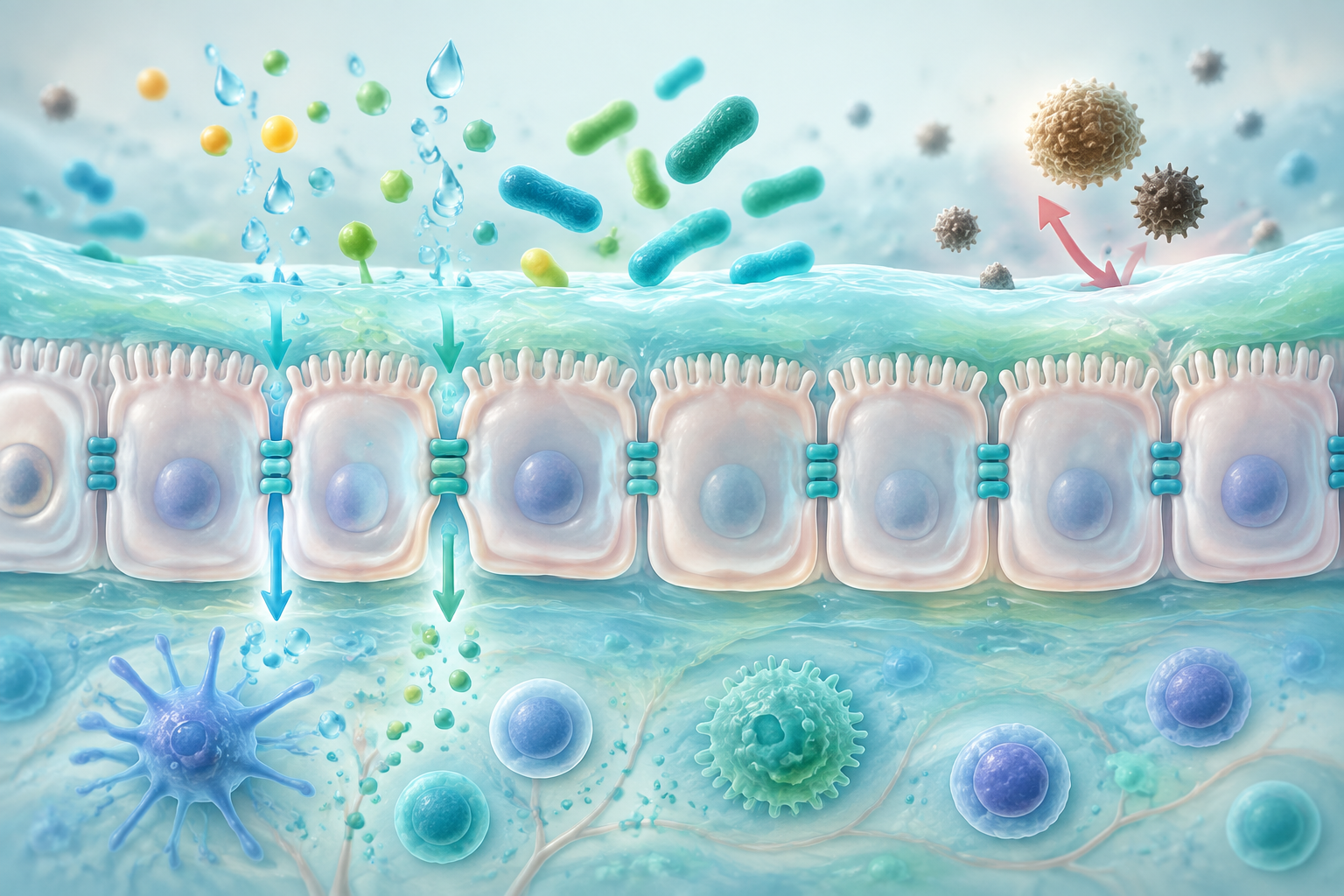
Gut barrier function is your intestine’s active filtering system, not a sealed wall or a single body part. When you ask what is the gut barrier, picture a living boundary between the digestive tract’s contents and the rest of your body. The digestive system explained shows where this work takes place.
The intestinal barrier controls the passage of water, electrolytes, and digested nutrients. It also helps limit disease-causing microbes, toxins, large undigested food molecules, and antigens, substances that may trigger an immune response. Food, microbes, and immune signals can affect gut barrier integrity, so this system adapts rather than remaining fixed.
Bloating, reflux, constipation, diarrhea, and irritable bowel syndrome (IBS)-like symptoms can be disruptive, but symptoms alone do not show that your gut lining is broken. Several connected layers make up the intestinal epithelial barrier:
- Physical layer: A single layer of intestinal epithelial cells covers the gut surface. Tight junctions between cells act as adjustable seals that regulate what passes through.
- Chemical layer: Mucus separates much of the gut’s contents from the cell surface. Antimicrobial peptides, including defensins, and secretory immunoglobulin A help contain microbes, toxins, and foreign material.
- Biological layer: The gut microbiota includes resident bacteria, fungi, viruses, and archaea. These organisms compete with pathogens for space and nutrients and communicate with intestinal and immune cells.
- Immune layer: The lamina propria beneath the lining contains T cells, B cells, macrophages, and dendritic cells. They respond to genuine threats while building tolerance to helpful microbes and harmless food material.
Paneth cells also contribute to surface defenses. A healthy barrier depends on balance, not on blocking everything from crossing the intestinal wall (Gastroenterology Res 2018 review of gut barrier function).
How Do the Barrier’s Layers Work?
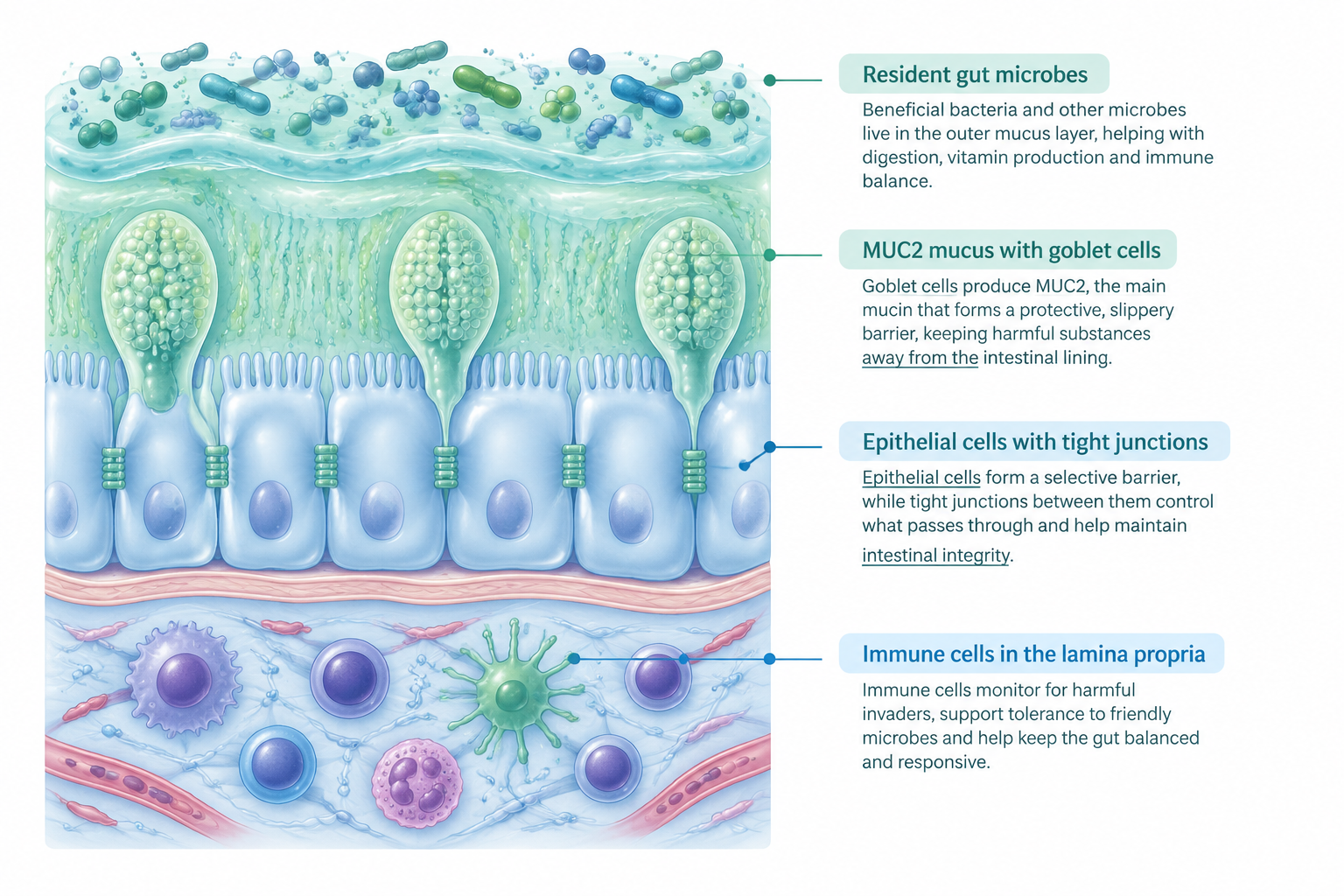
To see how that balance is maintained, the intestinal barrier is a coordinated, selective system rather than a solid wall. It absorbs digested nutrients and water while limiting contact between underlying tissue and most microbes or potentially harmful material. Its protection depends on several layers working together, so a change in one can affect the rest.
The mucus layer is the first buffer between gut contents and the intestinal surface, and together with the epithelium it forms what researchers call the mucosal barrier. Goblet cells produce mucin 2, called MUC2, which creates a denser inner layer that usually keeps bacteria away from epithelial cells and a looser outer layer where microbes interact with mucus, reducing direct contact without sterilizing the gut.
Below it, the intestinal epithelium forms a single-cell-thick selective sieve. The intestinal epithelial barrier includes enterocytes, which absorb nutrients and water, along with specialized cells that make mucus, release antimicrobial compounds, send digestive hormone signals, or sample material for immune monitoring. That range of jobs is why barrier function involves far more than whether food simply “passes through.”
Tight junctions in the gut are adjustable protein seals between neighboring epithelial cells. Claudins, occludin, junctional adhesion molecules, and zonula occludens proteins regulate movement through the spaces between cells, including water, ions, and larger substances, and this controlled filtering is central to normal intestinal barrier function.
Other defenses help the physical layers maintain balance:
- Resident microbes: Microbes interact with mucus and the epithelial surface. The colon and its bacteria are partners in this system, not invaders that must be removed.
- Chemical defenses: Antimicrobial proteins and secretory immunoglobulin A (IgA) help limit unwanted microbial activity without eliminating the normal microbiota.
- Immune cells in the gut: T cells, B cells, macrophages, and dendritic cells in the lamina propria, the tissue beneath the lining, monitor what reaches it. They can tolerate harmless food and microbial signals while responding to threats.
A healthy barrier manages contact carefully, protecting tissue without keeping the immune system in a constant state of inflammation.
How Do Mucus and Epithelial Cells Protect You?
The mucus layer and intestinal epithelium form a selective buffer between gut contents and the tissue beneath. Goblet cells produce gel-forming mucins, especially mucin 2 (MUC2), which create a denser inner layer close to the lining and a looser outer layer. This barrier traps many microbes and particles, reducing direct contact with epithelial cells without sealing the digestive tract shut.
The intestinal epithelium is a single-cell-thick, selectively permeable surface, not an impenetrable wall. In the colon these lining cells are called colonocytes. Enterocytes move nutrients, water, and electrolytes through the cells for absorption. Their brush-border enzymes also complete the final stages of digestion, as how digestive enzymes work explains.
Other epithelial cells help protect and coordinate the gut:
- Goblet cells: Produce the mucus layer.
- Paneth cells: Release antimicrobial compounds near the lining.
- Enteroendocrine cells: Send hormone signals that affect digestion.
- Microfold cells: Sample gut material for immune surveillance.
Tight junctions in the gut control movement through the paracellular route, the space between neighboring cells. Claudins, occludin, junctional adhesion molecules, and zonula occludens proteins such as ZO-1 create an adjustable seal. That flexibility allows needed water and ions through while helping limit passage of larger substances.
Caco-2 cells are human intestinal cells grown in laboratory studies to model parts of the epithelial lining. They help researchers examine transport across cells and changes in tight junctions under controlled conditions. However, this model cannot reproduce the full human gut, including its mucus, microbes, immune system, blood flow, meals, and daily stress.
Beneath the epithelium, gut-associated lymphoid tissue (GALT) supplies immune cells, and secretory immunoglobulin A (sIgA) released into the mucus coats microbes so they stay in the gut rather than crossing the lining.
What Can Weaken Gut Barrier Function?

Despite this coordinated protection, gut barrier breakdown may occur when the intestinal lining faces inflammation, infection, medication effects, or other stressors. Bloating, constipation, diarrhea, and similar everyday symptoms do not, by themselves, show that the barrier is damaged.
Active intestinal inflammation can both result from and contribute to reduced gut barrier integrity. In human and laboratory research, inflammatory signals such as tumor necrosis factor alpha, interferon gamma, and interleukin-1 beta can change how tight junctions work. This matters most during active intestinal disease, rather than serving as a catch-all explanation for routine digestive discomfort.
Several factors can affect the intestinal lining:
- Gastrointestinal infections: An infection can inflame the lining, shift the gut microbiota, and temporarily raise permeability during recovery. Some people develop post-infectious IBS, especially after severe illness, but ongoing symptoms do not prove lasting barrier dysfunction or identify one cause. Infection and celiac disease can also affect small intestine function.
- Dysbiosis and antibiotics: Changes in gut microbes may reduce helpful microbe-made metabolites, while some microbial enzymes can irritate epithelial cells or affect tight-junction proteins. Antibiotics can shift the microbiota while treating an infection, and recovery varies widely between people.
- NSAIDs and alcohol: Ibuprofen, naproxen, and other nonsteroidal anti-inflammatory drugs can irritate the gastrointestinal lining and are linked with increased permeability, particularly with frequent use or higher-risk circumstances. Excessive alcohol may also impair the lining and promote inflammation. Seek professional guidance before stopping prescribed treatment.
- Stress and highly processed diets: Chronic stress may affect brain-gut signaling, immune activity, and the microbiota. Highly processed dietary patterns can crowd out fiber-rich foods that support beneficial microbial metabolites. One stressful week or meal does not establish leaky gut.
- Environmental and physical stressors: Particulate pollution, pesticides, some food additives, heat stress, and intense exercise have been linked to tight-junction changes in experimental studies and limited clinical research. They do not explain routine symptoms on their own.
Increased intestinal permeability appears in some people with IBS, inflammatory bowel disease, celiac disease, metabolic conditions, non-alcoholic fatty liver disease, autoimmune conditions, and chronic low-grade systemic inflammation. The connection between gut barrier and diabetes is also complex: barrier changes may be a contributor, a consequence, or both.
What Does Leaky Gut Really Mean?
Leaky gut is an everyday term for increased intestinal permeability, also called intestinal hyperpermeability. In clinical terms, it means the intestinal lining is not regulating what passes through it as well as usual. It does not mean your digestive tract has literal holes or permanent damage. The barrier naturally adjusts as it takes in water and digested nutrients while restricting material that does not belong beyond the lining.
Tight junctions are protein gatekeepers between neighboring intestinal cells, built from claudins, occludin, and zonula occludens (ZO-1) proteins and regulated by signals such as zonulin. Think of them as adjustable seals rather than a brick wall, as disturbed regulation can allow larger molecules and microbial components to move more easily into tissue under the lining. That can trigger local immune signaling and, in some cases, systemic inflammation, but it does not mean whole food passes unchanged into the bloodstream.
Small amounts of contact between gut microbes, or their components, and immune cells can occur in healthy people. This contact may help the immune system recognize resident microbes appropriately. Concern increases when poorly controlled passage occurs during illness, since it may add to inflammation or infectious complications. A gut barrier breakdown is a research concept, not a catch-all explanation for bloating, reflux, constipation, or diarrhea.
Increased intestinal permeability has been observed alongside several conditions:
- IBS: Some people with IBS have barrier changes, but symptoms alone cannot confirm them.
- Inflammatory bowel disease: Changes in permeability have been found in Crohn's disease and ulcerative colitis.
- Celiac disease: This immune condition affects the small intestine and may affect barrier function, according to the National Institute of Diabetes and Digestive and Kidney Diseases (celiac disease, NIDDK).
The relationship between permeability and disease is not settled. Among 1,420 first-degree relatives of people with Crohn's disease, a higher urinary lactulose-to-mannitol ratio was associated with later disease development. That finding cannot show that permeability alone caused Crohn's or explain every chronic digestive symptom.
This matters for gut health and Crohn's disease because barrier changes may contribute to illness, result from illness, or do both. Leaky gut should not turn a frustrating symptom pattern into a frightening self-diagnosis.
How Can You Support Gut Barrier Function?

Rather than treating leaky gut as a self-diagnosis, a food-first pattern is the most practical answer to how to support the gut barrier. No single meal, supplement, or “gut reset” has been shown to repair a broken barrier or explain every digestive symptom. Much of the research describes biology rather than direct relief of bloating, reflux, constipation, or diarrhea. A 2020 Cells review also notes the limits of intestinal permeability testing outside research settings (Cells 2020 review of gut permeability testing).
Dietary fiber for gut health is a useful starting point because fiber and gut microbes work together. Certain fibers are fermented into short-chain fatty acids, including acetate, propionate, and butyrate. Butyrate fuels colon cells and is linked with mucus production, immune regulation, and support for tight junctions between intestinal cells.
Build fiber gradually so your symptoms do not flare from a sudden change:
- Start with familiar foods: Add oats, fruit, vegetables, beans, lentils, nuts, seeds, and whole grains over time.
- Change one thing at a time: A quick increase can worsen gas or bloating and make a trigger harder to spot.
- Choose diverse plants: Rotate breakfast fruit, dinner vegetables, and weekly choices of beans, grains, nuts, and seeds instead of relying on one “superfood.”
Plant variety may support beneficial gut bacteria, fungi, viruses, and archaea. Many of those fibers act as prebiotics, food for commensal bacteria that produce short-chain fatty acids (SCFAs). Zinc and vitamin D are needed for normal tight-junction maintenance, but correcting a deficiency is different from taking extra, and neither is a leaky gut treatment. Tolerability matters more than reaching a rigid plant target.
Fermented foods are optional additions, not treatments. Plain yogurt with live cultures, kefir, kimchi, sauerkraut, and miso may work in your meals, but reflux, diarrhea, or sensitivity to fermentable carbohydrates can make them a poor fit.
L-glutamine, an amino acid that fuels intestinal lining cells, is widely sold for leaky gut. The best evidence is one randomized trial in people with post-infectious IBS and increased permeability, where eight weeks of glutamine improved symptoms compared with placebo (Gut 2019 glutamine trial). That is a narrow group, and the finding has not been confirmed in larger studies, so glutamine is not an established treatment for everyday digestive symptoms.
Intestinal permeability can be affected by frequent heavy alcohol use, highly processed eating patterns, inflammation, infections, chronic stress, and nonsteroidal anti-inflammatory drugs (NSAIDs). Regular meals, stress management, physical activity, medication review, and attention to sleep and gut health can support your overall routine without promising symptom elimination.
Medical evaluation is more appropriate than assuming permeability is the cause when symptoms include:
- Unintended weight loss
- Bleeding
- Fever
- Anemia
- Symptoms that wake you from sleep
What Can Symptoms and Tests Tell You?

Because support steps cannot diagnose the cause, symptoms can show that your digestive system needs attention, but they cannot identify intestinal permeability by themselves. Bloating, abdominal pain, reflux, constipation, diarrhea, and shifting bowel habits can interfere with meals, work, and sleep. Diet changes, infections, stress, medicines, food intolerances, and common digestive conditions can all cause similar symptoms, so these details are most useful in a healthcare conversation.
Altered gut barrier function is associated with IBS, inflammatory bowel disease (IBD), including Crohn's disease and ulcerative colitis, and celiac disease. Each condition needs its own assessment because symptoms cannot confirm a barrier problem or reveal its cause, a distinction that matters when reading about gut health and Crohn's disease online.
Research also links gut barrier and diabetes, weight gain, metabolic syndrome, nonalcoholic fatty liver disease, certain autoimmune diseases, and chronic low-grade inflammation. These conditions have many contributing factors. An association does not prove that increased intestinal permeability caused a condition or that changing permeability will resolve it.
A urinary lactulose/mannitol test measures how your body handles two sugars and may provide information about intestinal permeability. Whether it is useful depends on the clinical question, your medical history, symptoms, and standard evaluation. Among 1,420 first-degree relatives of people with Crohn’s disease, urinary lactulose/mannitol findings continue to inform permeability research (Gastroenterology 2020 study of permeability before Crohn's disease). This finding does not predict Crohn’s disease for everyone, diagnose unexplained bloating, or prove that permeability changes caused the disease.
Direct-to-consumer “leaky gut” tests and supplement claims are not a sound basis for self-diagnosis or treatment choices. Persistent, severe, or changing symptoms need clinical evaluation, especially with:
- A family history of IBD or celiac disease
Finding the cause of your symptoms is usually more useful than focusing on one gut-barrier test result.
Gut Barrier Function FAQs
These FAQs address common questions about gut barrier function, digestive symptoms, and the difference between practical support and unsupported claims.
1. Is Gut Barrier Dysfunction Reversible?
Gut barrier function can improve because intestinal permeability changes in response to conditions in your body. Leaky gut is a casual term for increased intestinal permeability, not proof of permanent damage or the cause of every digestive symptom.
What helps depends on the driver, which may include inflammation, infection, certain medications, chronic stress, heavy alcohol use, highly processed foods, or microbiome changes. Addressing the relevant cause and eating fiber-rich meals may support your gut health, but symptom relief alone does not confirm that barrier function has fully normalized.
2. Can Antibiotics Affect Gut Barrier Function?
Antibiotics are important for bacterial infections, but they can temporarily disrupt the gut microbiota, or intestinal flora. When helpful gut microbes decline, pathogens face less competition and fewer microbe-made compounds support the intestinal lining, immune defenses, and normal permeability. That does not mean each antibiotic course causes lasting increased intestinal permeability. Effects vary by infection, medication, dose, duration, health history, diet, inflammation, alcohol, stress, and NSAID use.
3. Does Aging Change Gut Barrier Function?
Aging may affect how resilient your gut barrier is through shifts in the microbiota, immune regulation, low-grade inflammation, and recovery after illness or stress. Still, age alone does not inevitably cause increased intestinal permeability or explain every new digestive symptom.
Immune cells in the gut, including T cells, B cells, macrophages, and dendritic cells beneath the lining, help tolerate harmless material while controlling microbes. Barrier changes are linked with metabolic, autoimmune, and liver conditions, but those links do not prove cause. Persistent, worsening, or unexplained symptoms need clinical evaluation.