


Cutting out coffee, tomatoes, chocolate, and every spicy meal at once usually isn't the answer. Acid reflux trigger foods are personal, so the most useful approach is to test likely culprits one at a time while tracking portions, timing, and symptoms. Reflux occurs when stomach contents move back into the esophagus.
A late, high-fat pizza dinner may cause trouble because of the portion, fat content, tomato sauce, and lying down afterward, not necessarily one ingredient alone. Over two weeks, a food-and-symptom journal can help separate repeat patterns from a single bad meal, including whether caffeine, carbonation, alcohol, mint, or rich foods play a role.
Symptoms that occur two or more times a week may indicate GERD rather than occasional reflux. Smaller meals, earlier dinners, and a two- to three-hour gap before lying down can make personal triggers easier to identify and manage.
Acid Reflux Trigger Foods Key Takeaways
- Acid reflux triggers differ by person, portion size, meal timing, and preparation method.
- High-fat foods may slow stomach emptying and increase pressure that promotes reflux.
- Coffee, alcohol, chocolate, mint, and carbonated drinks are common foods and drinks to test.
- Citrus, tomatoes, vinegar, and spicy foods may irritate an already-sensitive esophagus.
- Test suspected triggers individually instead of eliminating every commonly reported food at once.
- Keep a two-week journal of meals, symptoms, timing, portions, and posture.
- Smaller meals and avoiding lying down for two to three hours may reduce symptoms.
How Do Foods Trigger Acid Reflux?
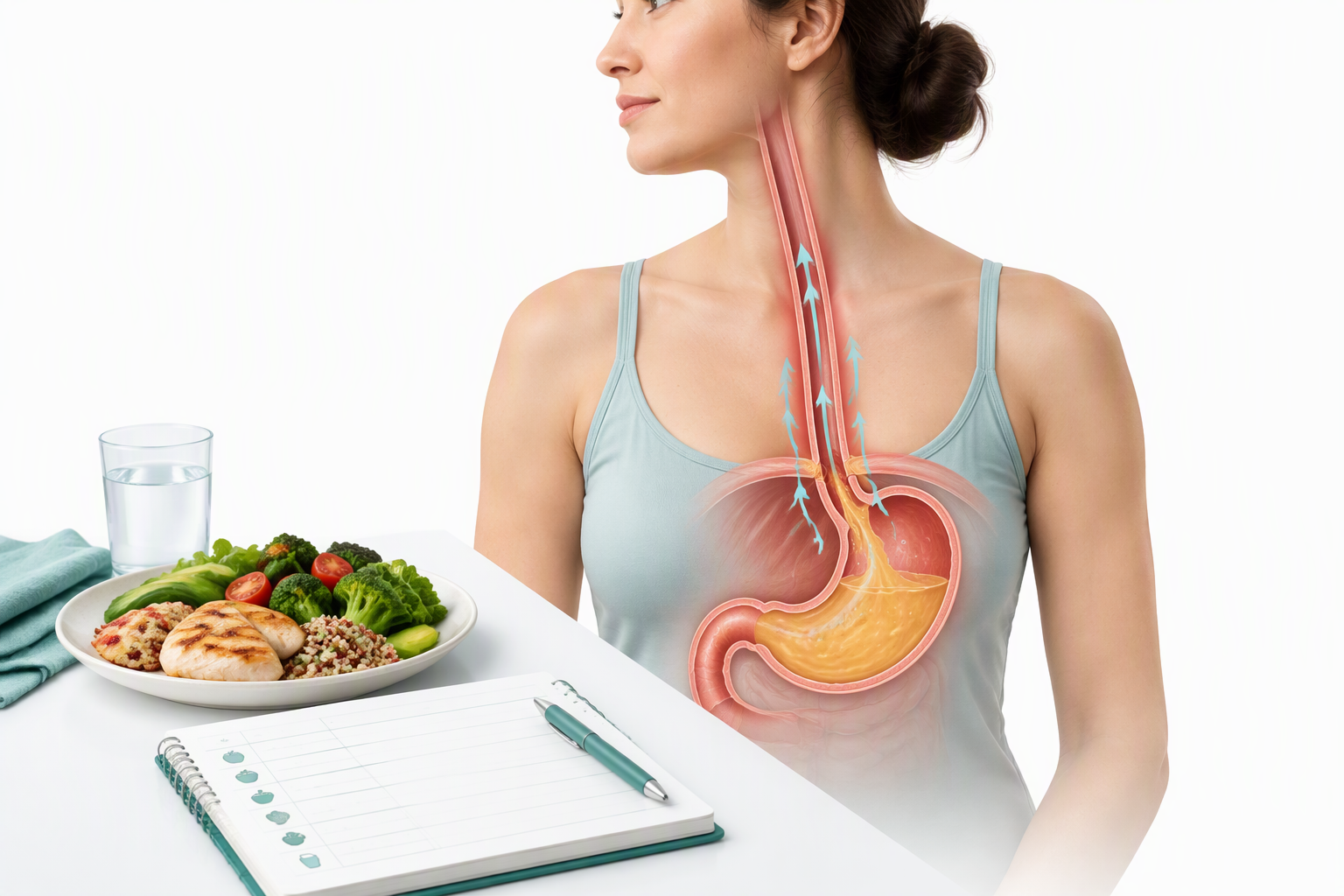
Acid reflux happens when stomach contents move backward into the esophagus because the lower esophageal sphincter, a muscle-like valve at its base, relaxes or weakens at the wrong time. Occasional reflux is common, but symptoms that occur two or more times a week or damage the esophagus may indicate gastroesophageal reflux disease (GERD), according to Cleveland Clinic (source).
Foods and drinks do not cause GERD on their own, but meals can make reflux more likely in several ways:
- Sphincter relaxation: Some foods may make the lower esophageal sphincter less able to keep stomach contents down.
- More stomach acid: A meal may increase stomach acid production.
- Slower emptying and pressure: Food that stays in the stomach longer, large portions, or stomach fullness can raise pressure and push contents upward.
The acid reflux hub covers the condition more broadly.
Acidic foods and drinks can sting an esophagus already irritated by reflux, while spicy foods may make heartburn feel stronger for some people. These foods do not necessarily create excess acid or cause GERD, but foods that trigger heartburn may simply worsen discomfort after reflux has occurred.
Lists of foods that cause reflux can mislead because responses differ. Portion size, meal timing, ingredient combinations, and your digestive patterns all matter. Acid reflux trigger foods are a starting point for testing, not a reason to avoid every commonly named food.
A simple food-and-symptom diary can help reveal repeat patterns:
- Meals and drinks: Note what you had, the approximate time, and portion size.
- Symptoms: Record heartburn, throat burning, regurgitation, or a sour taste.
- Context: Include factors such as lying down after eating or having a larger-than-usual meal.
One difficult meal does not prove a trigger. Repeated patterns give you a clearer basis for practical changes without unnecessary restriction.
Any list of foods that cause acid reflux, common acid reflux foods, or foods to avoid for GERD is really a list of candidates, and an acid reflux diet built on them without testing is an acid reflux elimination diet that usually removes too much.
Which Foods Relax the Lower Esophageal Sphincter?
Among the potential triggers to test, certain foods and drinks may temporarily relax the lower esophageal sphincter. They are common potential triggers, not universal rules. A food that causes heartburn for one person may be well tolerated by another.
High-fat meals are often a useful place to start. Fried and fatty foods can set reflux off because fat may slow stomach emptying, leaving more food in the stomach and raising pressure after a meal. Fat may also reduce sphincter tone. Pizza, burgers, creamy sauces, full-fat dairy, and rich pastries can be harder to tolerate, particularly in larger portions. Foods worth limiting for gut health may offer lower-fat meal ideas without requiring you to give up every favorite. Fat is usually a bigger issue when you eat late or have a large meal.
Other possible triggers include:
- Chocolate: The link may come from its fat, small amounts of caffeine, and cocoa compounds such as theobromine. Chocolate bars, brownies, hot cocoa, and desserts may also increase acid production for some people.
- Mint: Peppermint tea, spearmint gum, breath mints, and peppermint oil products may ease other digestive symptoms but make upward acid flow easier for some people.
- Caffeine: Coffee, black tea, green tea, energy drinks, cola, other caffeinated sodas, and chocolate may stimulate acid secretion or relax the valve. Not everyone reacts to caffeine, and decaffeinated coffee can still bother some people.
- Alcohol: Beer, wine, cocktails, and liquor may relax the valve, increase acid production, and irritate the esophageal lining after reflux. Trouble is more likely after rich meals or late-night drinking.
Research reviews note these associations while emphasizing individual variation (source). Note the food or drink, portion, meal timing, and symptoms before making a lasting restriction.
Which Foods Irritate or Increase Stomach Pressure?
Beyond foods and drinks that may relax the lower esophageal sphincter, potential triggers can irritate a sensitive esophagus or raise stomach pressure, but they are not automatic restrictions in a GERD diet. Which ones matter varies by portion, meal timing, and your tolerance. Johns Hopkins identifies high-fat, acidic, and spicy foods as common triggers (source).
Common patterns to test include:
- Fatty or fried foods: French fries, fried chicken, onion rings, potato chips, pizza, burgers, bacon, sausage, cheese, rich sauces, and heavily oiled fast-food meals may delay stomach emptying, leaving more contents and pressure after a large or late meal.
- Citrus and tomatoes: Oranges, lemons, limes, grapefruit, and their juices can sting an irritated esophagus. Tomato products do the same for some people, including marinara, pasta sauce, tomato soup, salsa, ketchup, pizza, and chili, though nutritious acidic foods do not affect everyone with GERD.
- Spicy ingredients: Hot peppers, chili powder, cayenne, black pepper, hot sauce, and spicy curries may irritate the esophagus, slow digestion, or intensify burning. Spice tolerance is personal, so a mildly seasoned meal may be easier to tolerate than a hotter version.
- Onions and garlic: Raw onion, garlic bread, garlic-heavy sauces, and large amounts of either ingredient can cause gas and bloating in people sensitive to fermentable carbohydrates. That added pressure can encourage reflux, while cooked forms or smaller portions may sit better.
- Vinegar and brined foods: Vinegar-based dressings, pickles, pickled vegetables, and sharp marinades may aggravate a sensitive esophagus, especially alongside acidic or spicy foods.
- Fizzy drinks: Carbonation adds gas, belching, and abdominal fullness. Soda, sparkling water, energy drinks, beer, and other fizzy drinks add gas, while cola and beer may also contain caffeine or alcohol. Still water offers a useful comparison.
The National Institute of Diabetes and Digestive and Kidney Diseases notes that reflux triggers differ by person, so your symptom pattern matters more than a universal avoid list (source). Symptoms that keep returning despite these swaps deserve attention because of possible damage from years of reflux.
Foods that cause heartburn this way, and foods that increase stomach acid, are where most lists of foods to avoid for acid reflux, acid reflux foods to avoid, and foods to avoid with GERD come from, tomato-based products and reflux included.
Which Foods Tend to Sit Well?
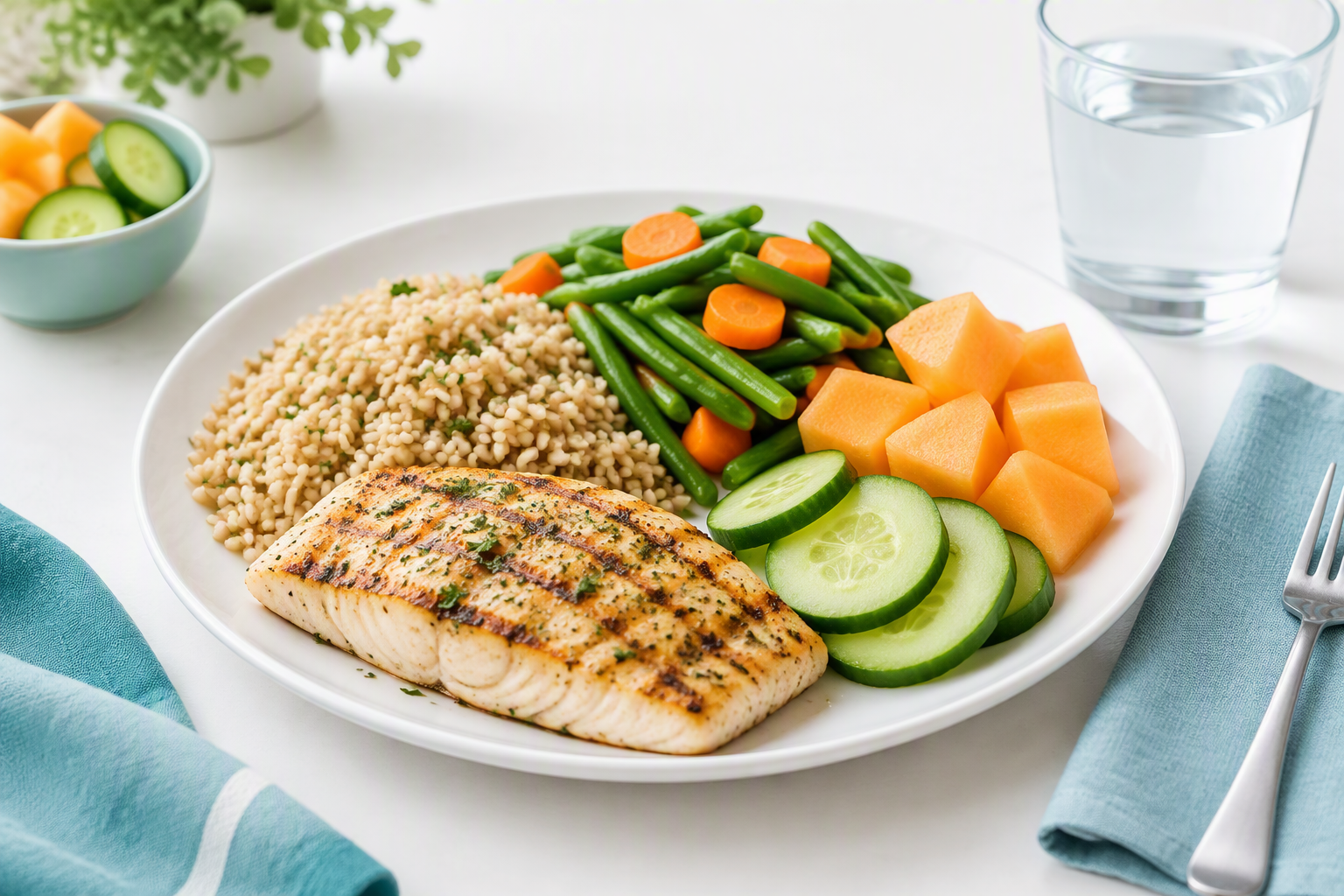
After identifying foods that may worsen symptoms, foods that help acid reflux are starting points for satisfying swaps, not a universal safe-food list. Triggers vary, so avoid cutting every possible problem food at once. Instead, notice which foods, portions, and cooking methods leave you feeling comfortable while keeping meals varied.
Lower-fat proteins can be useful meal anchors when they replace fried, heavily breaded, or rich sauce-covered dishes:
- Poultry and lean meats: Choose baked, grilled, poached, or steamed chicken, turkey, or other lean cuts.
- Fish and seafood: Try simply prepared options rather than fried versions.
- Tofu: Use mild seasonings and lighter cooking methods before deciding the protein itself causes symptoms.
Filling starches may help prevent the hunger that can lead to oversized meals. Oatmeal, brown rice, quinoa, couscous, baked potatoes, and sweet potatoes are options to try. Add higher-fiber choices gradually if they cause gas or uncomfortable fullness, and stick with portions that feel good afterward.
Non-citrus fruit and vegetables can add variety, though even cooked produce may bother some people:
- Fruit: Bananas, apples, pears, melon, and watermelon may be worth testing.
- Vegetables: Carrots, broccoli, green beans, asparagus, beets, cauliflower, fennel, lettuce, cucumber, and root vegetables can round out meals.
Still water, broth-based soups, and water-rich foods such as cucumber, celery, lettuce, and watermelon may be gentler than acidic, carbonated, caffeinated, or high-fat choices. Herbal tea works for some people, but peppermint can worsen reflux. Full-fat dairy is worth testing personally rather than avoiding all dairy automatically.
Moderate meals can also make symptom patterns easier to spot. A smaller plate with protein, starch, and produce gives you a practical way to spot patterns, and reflux remedies you can try at home cover the non-food side while you test.
Safe foods for acid reflux are personal too, so a reflux-friendly meal plan is one you build from the foods that reduce acid reflux for you rather than a reflux-safe meal plan copied from a list.
Is Yogurt Good for Acid Reflux?
Yogurt can help, worsen, or have no effect on acid reflux, depending on the product and your own tolerance. Plain, lower-fat yogurt may feel soothing during active symptoms, while other people notice burning or fullness afterward. In a GERD diet, how you feel after eating matters more than a universal rule.
If dairy usually agrees with you, try a small serving of plain low-fat or nonfat yogurt first. Kefir, milk, cottage cheese, and yogurt can be well tolerated, but full-fat yogurt may be harder to digest, especially with other rich dairy foods. Whole milk, butter, sour cream, ice cream, and heavy or full-fat cheeses bother some people for the same reason.
Portion size and add-ins also matter. A modest plain yogurt with breakfast may sit comfortably, while a large dessert-style bowl may not. Add-ins that can turn a tolerated yogurt into a trigger include:
- Chocolate, peppermint, or citrus flavoring
- Cream or other high-fat additions
- Large portions with rich toppings
Triggers differ from person to person, so you do not need to remove yogurt before it causes a problem. If it repeatedly brings on burning, regurgitation, bloating, or discomfort, it may not suit you. Lactose intolerance or another dairy sensitivity can also change how yogurt feels.
Test a modest plain serving when symptoms are otherwise calm, and note the portion, timing, ingredients, and symptoms afterward. Yogurt that feels comfortable can remain part of your meals.
How Can You Test Your Personal Triggers?
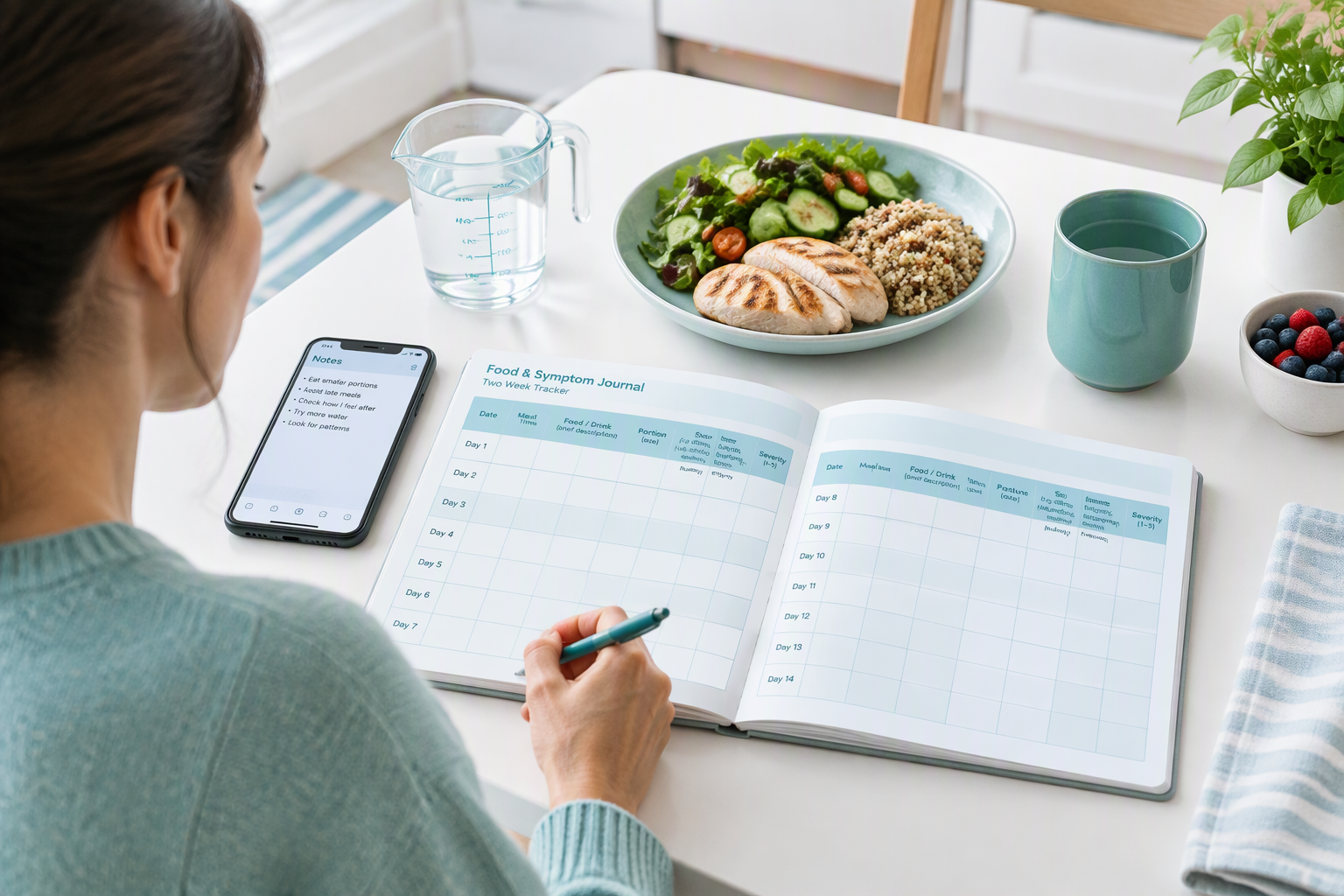
To turn those food choices into a personal plan, a two-week food-and-symptom journal can reveal your own reflux patterns without cutting out every commonly reported trigger at once. Commonly reported triggers are only starting points, since a food or drink that causes heartburn for someone else may not affect you.
Choose a paper diary with prompts, a notes app, or a free printable that you will use consistently. Include the same details in every entry:
- Food and drink details: Record each meal, snack, and drink, including the exact item, key ingredients, portion, and preparation method. Baked chicken may differ from fried chicken, as plain pasta may differ from pasta with tomato sauce. Note whether coffee was black or included cream and sugar, which can help separate the effects of fat, acidity, seasoning, and quantity.
- Timing and posture: Write down when you ate, whether the meal was large, when symptoms began, and how long you stayed upright. Late meals and nighttime heartburn can be worse after lying down, even if the same food is tolerated earlier in the day.
- Symptoms: Track heartburn, throat burning, sour taste, regurgitation, cough, or other symptoms. Use a consistent 0-to-10 severity scale and note how long symptoms last.
- Daily context: Add brief notes about alcohol, poor sleep, stress, exercise, medications, illness, constipation, and menstrual-cycle timing when relevant. Some foods cause trouble only alongside a late, large meal or a stressful day.
After two weeks, look for foods or drinks that coincide with several episodes. Those are suspected triggers, while personally confirmed triggers reproduce symptoms under similar conditions after you reintroduce one item at a usual portion while keeping the rest of the meal and timing steady. Frequent, severe reflux or symptoms occurring two or more times weekly deserve healthcare guidance.
A food journal for reflux triggers is the simplest form of acid reflux symptom management, because personal acid reflux triggers only show up when meal timing for acid reflux, portion, and the heartburn triggers themselves are recorded together.
How Should You Adjust Meals for Symptoms?
Meal size can matter as much as acid reflux trigger foods. A large meal stretches the stomach and increases pressure around the lower esophageal sphincter. Rather than skipping meals and then having one very large meal, test smaller portions that still satisfy you.
Simple changes can fit a busy day:
- Split a large restaurant entrée into two meals.
- Eat half a sandwich with oatmeal or a banana earlier, then save the remainder for later.
- Replace a heavy evening plate with a modest dinner and a planned afternoon snack.
Slow down enough to notice fullness. Rushing through a large meal can make it harder to tell whether symptoms relate to portion size or a specific food. Lists of foods to avoid with acid reflux can offer starting points, but they do not mean every favorite food must be off limits.
Meal timing and posture also affect reflux. Lying flat, going to bed, or bending over after eating reduces gravity’s help in keeping stomach contents down. The NHS recommends leaving time between eating and bedtime (source). Finish meals at least two to three hours before lying down, and try a full three-hour gap if nighttime symptoms are common.
A meal log can help separate a suspected trigger from a personal pattern:
- Record what and how much you ate, when you finished, and whether you lay down or bent over afterward.
- Note symptom timing and severity, along with relevant sleep or stress.
- Review several similar meals. Mark a large portion or late meal as suspected only when symptoms repeatedly align, then personally confirmed only after a clearer repeat pattern emerges.
These acid reflux lifestyle changes, kept in a food diary for acid reflux alongside the GERD trigger foods you test, are what make lifestyle changes for acid reflux stick.
Acid Reflux Trigger Foods FAQs
These FAQs cover common questions about acid reflux trigger foods, including common culprits and why symptoms can vary from person to person. They can help you identify practical patterns without assuming every food affects you the same way.
1. Are Tomatoes Bad for Acid Reflux?
Tomatoes are not automatically a problem, but their natural acidity may trigger heartburn or regurgitation, especially in marinara, pasta sauce, tomato soup, salsa, ketchup, pizza, and chili. A small amount of fresh tomato may be easier to tolerate than a tomato-heavy meal. Reduce the portion or pause these foods while checking whether symptoms repeat.
2. Does Coffee Cause Acid Reflux?
Coffee can worsen acid reflux for some people, but tolerance varies. Caffeine may raise stomach acid and relax the lower esophageal sphincter, which normally helps keep stomach contents down. Black or green tea, energy drinks, and some sodas may have similar effects (source).
Symptoms can depend on serving size, preparation, and whether coffee is decaffeinated. Try a smaller portion or water before cutting it out entirely.
3. Can Spicy Foods Cause Acid Reflux?
Spicy foods can worsen acid reflux when an already-sensitive esophagus is irritated. Hot peppers, chili powder, cayenne, black pepper, hot sauces, and spicy curries may contain capsaicin or related compounds that irritate the lining and may slow digestion, leaving stomach contents in place longer. Tolerance depends on the recipe, portion, and your symptom level. Try a smaller serving or milder seasoning before ruling out spicy foods altogether.
4. Does Chocolate Trigger Acid Reflux?
Chocolate can trigger acid reflux for some people, but it is not a universal trigger. Fat may slow stomach emptying, while caffeine, cocoa, theobromine, and serotonin-related effects may relax the lower esophageal sphincter, the muscle that helps keep stomach contents down. Heartburn or regurgitation can follow. If chocolate causes symptoms consistently, reduce the portion, pause it briefly, then reintroduce a small amount.
5. Can Carbonated Drinks Worsen Acid Reflux?
Carbonated drinks may worsen acid reflux because released gas stretches the stomach and raises pressure, making it easier for stomach contents to move into the esophagus. Soda, seltzer, and sparkling water can cause heartburn, burping, or regurgitation, and some may affect acidity or the lower esophageal sphincter. Carbonation is not off-limits for everyone. Notice whether symptoms follow a specific drink, serving size, or timing with meals, then choose still beverages if the pattern continues.