


A fiber supplement isn't automatically the answer to bloating or irregular stools, but psyllium husk can help make bowel movements more regular and comfortable when you start slowly. Psyllium husk is a gel-forming soluble fiber from Plantago ovata seed husks that holds water in the digestive tract. That action can soften hard stools and add structure to mild loose stools.
Quick fixes often backfire when a full serving causes more gas, cramping, or bloating before your gut has time to adjust. For IBS, psyllium has stronger guideline support than many other fiber options, particularly when constipation is part of the pattern. A small starting amount, thorough mixing with water, and separate timing from oral medicines make a trial easier to assess.
Psyllium Husk for Digestion Key Takeaways
- Psyllium forms a water-holding gel that can soften hard stools and firm mild loose stools.
- Start with a small amount and increase gradually to limit gas, bloating, and cramping.
- Mix psyllium thoroughly with plenty of liquid and drink it promptly.
- Never take psyllium dry or immediately before bed.
- Psyllium may support more predictable stools for some people with IBS.
- Take psyllium separately from oral medicines and supplements to avoid absorption problems.
- Avoid psyllium with swallowing difficulties, suspected blockage, severe pain, vomiting, or rectal bleeding.
How Does Psyllium Fit a Gut Health Diet?
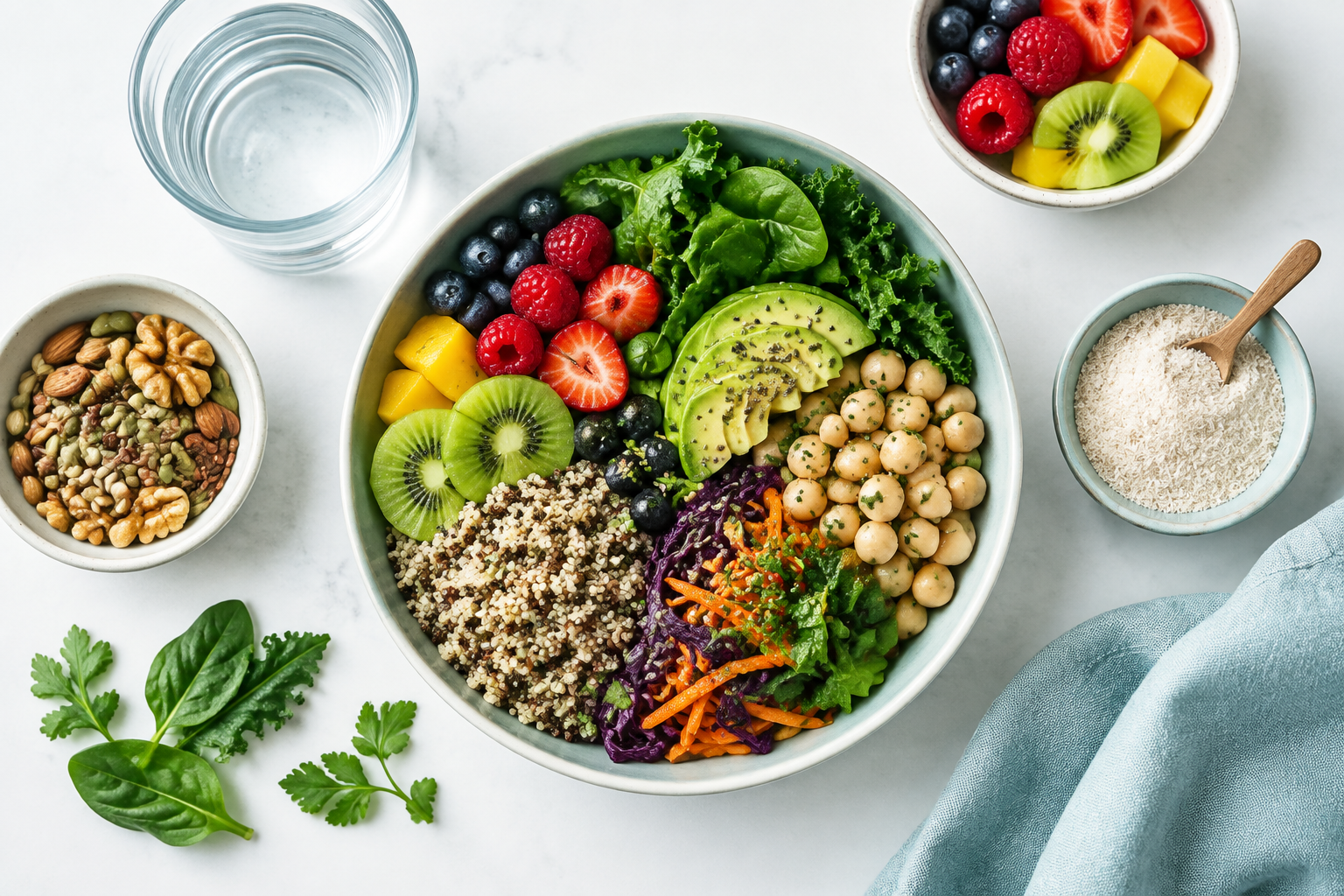
Psyllium is a gel-forming soluble fiber made from Plantago ovata seed husks. It can support specific bowel concerns, but it works best as a targeted trial within an overall digestive-friendly eating pattern.
A practical gut health diet includes meals built around:
- Beans
- Vegetables
- Fruit
- Whole grains
- Nuts and seeds
Most adults need 22 to 34 grams of fiber daily (source), while average adult intake is about 16 grams (source). Foods rich in soluble fiber also provide nutrients that psyllium alone cannot replace.
For constipation, psyllium husk for digestion absorbs water and forms a soft gel that adds bulk while making stool easier to pass. Fluids, regular meals, and movement still matter, especially when constipation keeps returning.
The same gel can absorb excess fluid and add structure to mild loose or watery stools, which may help alternating bowel habits. Fiber alone is not the right response when loose stools occur with:
- Severe abdominal pain
- Fever
- Blood in the stool
- Signs of dehydration
- Ongoing diarrhea
Psyllium husk for IBS is best approached gradually, not as a promise. Among fiber options, it has the strongest guideline support for constipation-predominant irritable bowel syndrome (IBS) and may help some mixed-pattern symptoms feel more predictable. Start low, increase slowly, and reassess if gas, bloating, or pain consistently worsens.
Some psyllium reaches the large intestine, where beneficial bacteria ferment it into short-chain fatty acids. This mild prebiotic fiber may support gut health, but psyllium husk benefits vary with your diet, symptoms, and tolerance.
Choose an unflavored product without added sweeteners, take each dose with at least 8 ounces or 240 milliliters of water (source), and avoid taking it before bed. Separate psyllium from oral medicines by a few hours, longer for some medicines, and track stool consistency, frequency, comfort, gas, and bloating. Methylcellulose or partially hydrolyzed guar gum (PHGG) may be better tolerated when psyllium causes persistent symptoms.
What Is Psyllium Husk?
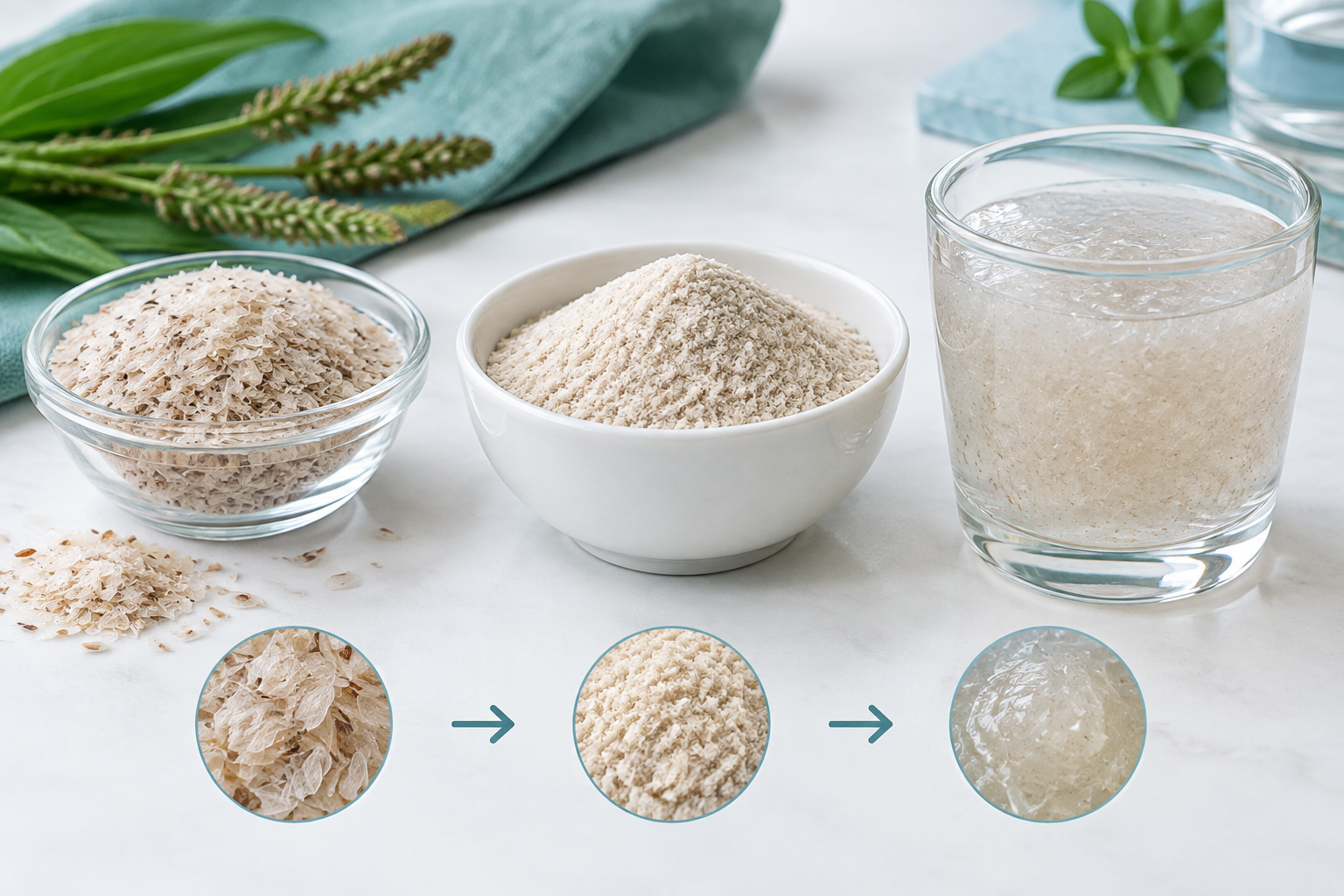
Psyllium husk is the thin outer layer of Plantago ovata seeds. It is a concentrated soluble fiber and bulk-forming laxative that changes stool texture and volume instead of triggering an immediate bowel movement.
For psyllium husk for digestion, its key action is holding water. Mixed into liquid, it thickens into a soft gel instead of dissolving clearly like sugar. That gel continues absorbing fluid in your digestive tract, helping support more comfortable bowel movements.
For psyllium husk for constipation, this water-holding effect can support more comfortable bowel movements. It can also give loose stool more form, which is why psyllium may support stool consistency at either end of the spectrum, but it is not meant to provide instant relief.
A typical serving provides a few grams of fiber with negligible fat and protein. Scoop sizes, ingredients, and serving directions vary by product, so the package label is the best guide for your specific powder or capsules.
Psyllium is mostly soluble fiber, while insoluble fiber for regularity adds rougher material to stool. Both fiber types can support regularity, but psyllium’s gel-forming quality is what allows it to affect both moisture and form.
A gradual, symptom-aware approach often makes the adjustment easier:
- Start with a small amount rather than a full serving.
- Drink adequate water with it and throughout the day.
- Match your use to your symptoms, slowing down if bloating or discomfort increases.
Steady changes give your digestive system time to adjust and make it easier to tell whether psyllium is helping.
Psyllium is also sold as ispaghula. It is a bulk-forming agent rather than a stimulant, which is why it counts as a natural laxative that does not push the bowel. How psyllium husk works is simple: the husk absorbs water, forms a gel, and the gel adds soft bulk.
Which Digestive Symptoms May It Help?
Psyllium can improve stool consistency across a range of bowel changes, including dry, hard stools and mild loose stools. Its soluble fiber holds water and forms a gel that can make stool softer, more formed, and easier to pass. This supports bowel regularity over several days rather than acting as a fast, one-direction laxative.
For psyllium husk for constipation, the added moisture and bulk can support normal intestinal movement and make infrequent stools less difficult to pass. It is not meant to work as quickly as a stimulant laxative, so expect gradual change instead of immediate relief.
Psyllium for diarrhea can also make sense when diarrhea is mild. The gel absorbs excess fluid and adds structure to loose stools, which may help stool form feel less unpredictable. Severe, persistent, or otherwise concerning diarrhea needs medical care.
Alternating between constipation and loose stools can be especially frustrating. By retaining moisture in harder stool and adding bulk to softer stool, psyllium may reduce day-to-day swings. Diet changes, stress, illness, and medications can still disrupt your routine, so fiber is one helpful part of symptom management.
Psyllium husk for IBS has stronger guideline support than many other fiber options, particularly for constipation-predominant irritable bowel syndrome (IBS). Some people notice more regular bowel movements and less abdominal discomfort, but it does not cure IBS or treat inflammation. Gas and bloating can limit tolerance, especially if you increase the amount too quickly.
Psyllium is best suited to stool form, ease of passage, and regularity. Different care is needed for:
- Sudden or severe abdominal pain
- Persistent vomiting or diarrhea
- Blood in the stool
- Fever
- Unexplained weight loss
- A major new change in bowel habits
If gas or bloating worsens, reduce the amount and increase it more slowly once symptoms settle.
Psyllium for constipation is the classic use. Psyllium for loose stools works too, since the gel soaks up excess water. Psyllium for IBS has the best evidence of any fiber supplement (source). Psyllium husk for cholesterol and psyllium husk for blood sugar are side benefits of the same gel. Psyllium satiety, the full feeling after a dose, is why it shows up in weight loss claims, though the effect is modest.
How Do You Start a Psyllium Trial?

With those symptom patterns in mind, choose one symptom goal before you begin, so you can tell whether psyllium is helping. For constipation, look for easier, more regular stools. With mild loose stools, aim for firmer stools and less urgency. If IBS alternates between constipation and diarrhea, focus on steadier stool consistency. Psyllium and bloating can be a difficult combination, so use extra caution when gas or bloating is already your main symptom.
A one-variable trial is easier to interpret. Choose plain, unflavored psyllium without sweeteners or flavorings, since sugar-free products can still contain additives that bother sensitive digestion. Avoid adding fiber blends, probiotics, digestive enzymes, or other supplements at the same time. Generic and branded powders may be similar if they contain the same active ingredient, but the label should still be checked for dose, sweeteners, and added ingredients (source).
A practical approach to how to take psyllium husk includes:
- Start low: Begin with a psyllium husk dosage of about 3 to 5 grams, often close to 1 teaspoon depending on the powder, once daily. Follow the product label rather than starting with larger or multiple daily servings (source)).
- Mix thoroughly: For psyllium with water, stir the measured dose into at least 8 ounces or 240 milliliters of a cool drink and have another full glass of water afterward. Drink it promptly before it thickens, and never swallow it dry or with too little liquid because swelling can create a choking or blockage risk (source)).
- Increase slowly: Stay at the starting amount long enough to notice a pattern. Raise the dose only when it feels comfortable and your chosen symptom has not improved. Mild gas, cramping, or abdominal discomfort can occur as fiber intake rises, but pause increases if symptoms persist or clearly worsen.
Keep a short daily log of your dose, fluids, stool frequency and consistency, urgency, pain, gas, and bloating compared with your usual baseline. Keep medication timing unchanged during the trial so other changes do not blur the result.
Sustained progress toward your symptom goal without troublesome new symptoms suggests psyllium may suit your routine. Consistently worsening gas after a cautious start may mean a non-fermenting fiber, such as methylcellulose or partially hydrolyzed guar gum, is a better fit.
A psyllium starting dose is half of the label serving once a day. The best time to take psyllium husk is with a meal, not at bedtime, and always with a full glass of water.
What If Bloating or Gas Gets Worse?
If your trial brings more gas or bloating, psyllium may cause gas or bloating as your body adjusts, especially if you increase the amount too quickly (source). Mild gas, stomach rumbling, or low-level abdominal discomfort can be part of the adjustment period when symptoms are brief, do not worsen, and do not disrupt your day. A clinical review of fiber for IBS supports increasing fiber gradually when gas or bloating occurs.
Manageable symptoms usually call for a slower approach rather than pushing through discomfort:
- Return to the last amount that felt comfortable, or restart with about 1 teaspoon once daily, and thoroughly mix each dose with at least 8 ounces (240 milliliters) of water (source).
- Stay at that amount until symptoms settle, then increase gradually as tolerated. Large dose jumps are more likely to cause the psyllium husk side effects that make a routine hard to maintain.
- Drink the mixture promptly, and never swallow psyllium dry, with too little liquid, or right before bed. Psyllium expands as it absorbs water, so an under-hydrated dose can worsen bloating and create a choking or blockage risk.
Pause psyllium if discomfort remains troublesome after reducing the amount, returns after a cautious restart, or interferes with eating, sleep, or usual activities. If gas repeatedly does not settle, methylcellulose or PHGG may be less fermentable options, and how fiber supplements compare can help clarify why they may fit better.
Stop taking psyllium and seek prompt medical attention for any of these symptoms:
- Severe or worsening abdominal pain
- Vomiting
- Chest pain
- Trouble swallowing
- Rash, swelling, wheezing, or difficulty breathing
These symptoms are not routine fiber-adjustment effects and should not be managed by lowering the dose or drinking more water.
Psyllium side effects are mostly gas and bloating in the first week, and they fade as the gut adjusts. Psyllium gut bacteria effects are small, since psyllium is a weak prebiotic compared with inulin.
How Should You Time Psyllium With Medicines?
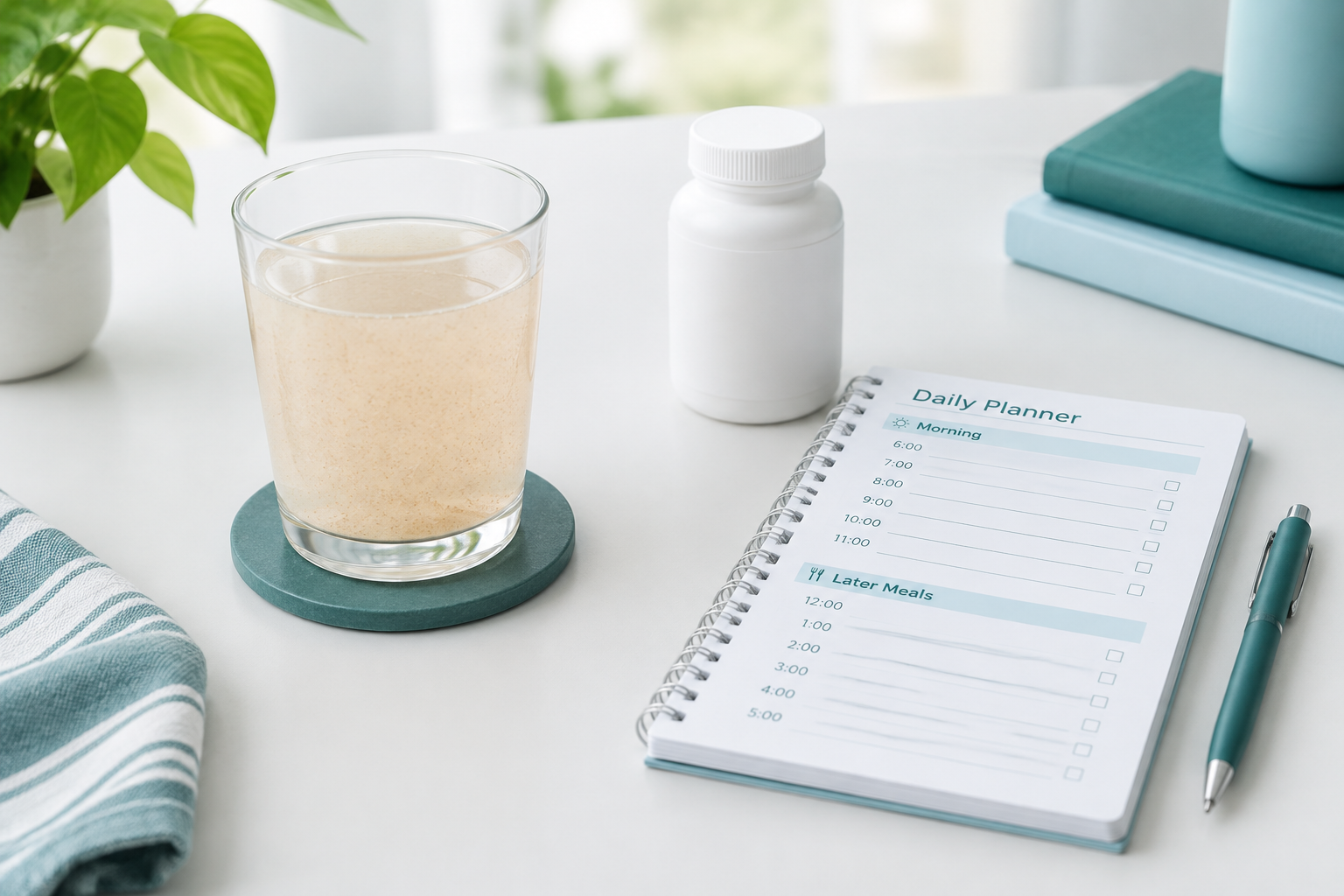
Beyond managing digestive side effects, psyllium should be taken separately from oral medicines because its gel-forming fiber can delay or reduce absorption of some substances. This is a practical precaution, not a reason to avoid fiber. The effect varies with the medicine, dose, and your individual treatment plan.
Keep psyllium at least 2 hours before or after oral medicines, and follow the same spacing for supplements unless a clinician gives different instructions. Never delay, skip, or change a prescribed dose to fit psyllium into your day. MedlinePlus also provides detailed preparation directions for each dose.
A pharmacist can help create a workable schedule if you take prescription medicines, use several daily products, or find the label instructions unclear. Extra attention may be needed with:
- Thyroid, heart, seizure, or mood medicines: Levothyroxine, digoxin, lithium, carbamazepine, some statins, and tricyclic antidepressants may need individualized spacing.
- Mineral supplements: Iron, zinc, and calcium may also be affected by fiber timing.
- Complex daily schedules: A pharmacist can help you fit psyllium around meals, prescriptions, and supplements without making the routine difficult to maintain.
For example, after a morning medicine, psyllium may fit best with a later meal or snack once the spacing window has passed. Avoid taking it immediately before bed, since the mixture needs enough fluid and time to move through your digestive tract.
Correct preparation can also reduce avoidable psyllium husk side effects, including uncomfortable fullness or worsening constipation. A cool drink may make the texture easier to tolerate. Drink the mixture right away, have the additional glass of water, and keep fluids steady through the day. A routine that respects your medication schedule is easier to maintain than forcing psyllium into a crowded window.
Psyllium husk and medications is the one real caution: psyllium medication absorption drops when they are taken together.
Who Should Avoid Psyllium Husk?
Beyond medication timing, psyllium is not a good self-start choice when swallowing problems or serious bowel symptoms could signal a blockage or another condition that needs assessment. Because it draws in liquid and expands, it can be risky when the throat, esophagus, or intestine is narrowed.
Avoid psyllium if you have dysphagia, meaning difficulty swallowing, or a history of food or pills getting stuck. Never swallow the powder dry, poorly mixed, or with too little liquid. It can swell in the throat or esophagus, raising the risk of choking or a blockage.
Hold off on psyllium and seek medical advice first if you have:
- Severe abdominal pain: Intense or worsening pain can mean the bowel is not moving normally.
- Persistent nausea or vomiting: Bulk-forming fiber may be unsuitable when food or stool is having trouble passing through.
- Marked abdominal swelling: A tight, swollen abdomen can occur with a suspected intestinal blockage.
- Rectal bleeding: Bleeding needs evaluation rather than self-treatment for constipation.
- A sudden bowel-habit change: Get medical advice if an unexplained change lasts more than two weeks.
- Constipation needing ongoing treatment: Constipation that requires treatment for more than one week should be evaluated, rather than managed with psyllium indefinitely.
Extra caution is needed if you have an esophageal or intestinal narrowing, a stricture, or a previous bowel obstruction. Psyllium does not cause these conditions, but its swelling and stool-bulking action may not suit a digestive tract with limited space for normal passage.
If you have IBS or another chronic bowel disorder, check with a clinician before starting psyllium when symptoms are new, worsening, or different from your usual pattern. That discussion can also address psyllium medication interactions, since fiber can affect drug absorption.
Stop psyllium and seek urgent medical care for symptoms of choking, blockage, or an allergic reaction. Mild, temporary gas can happen during adjustment, but these symptoms may point to choking, blockage, or an allergic reaction.
Psyllium Husk for Digestion FAQs
These FAQs cover practical questions about psyllium husk for digestion, including what to expect, common concerns, and how it may fit your symptoms and daily routine.
1. How Soon Does Psyllium Husk Affect Bowel Movements?
Psyllium is a bulk-forming fiber, so it typically works over several days rather than producing the fast effect of a stimulant laxative. Consistent psyllium with water can soften hard, infrequent stools by holding water and adding bulk, while loose stools may become firmer as the fiber absorbs extra water. How to take psyllium husk and your psyllium husk dosage both affect the pace, with a lower starting amount often leading to a more gradual change.
2. Is Psyllium Husk Safe to Take Every Day?
For many adults, daily Plantago ovata can offer psyllium husk benefits when introduced slowly and used as the label directs. Start with the smallest label serving once daily, then increase only as tolerated to help limit gas, bloating, cramping, or abdominal discomfort. Mix each dose with at least 8 ounces (240 mL) of water, then drink another full glass. If discomfort worsens or digestive symptoms persist, speak with a healthcare professional.
Psyllium husk every day is fine for most adults.
3. What’s the Difference Between Psyllium Husk and Metamucil?
Psyllium husk is a soluble, bulk-forming fiber from Plantago ovata seeds. When mixed with water, it forms a gel that adds bulk and may help stool pass more comfortably. Metamucil is a well-known brand of psyllium products, not a different active ingredient.
For an IBS trial, compare the Supplement Facts and ingredient list rather than relying on the front label. Check the psyllium amount per serving, then note added sugar, sweeteners, flavorings, colors, and other fibers. An unflavored powder can make it easier to identify what you tolerate.
Psyllium vs Metamucil is a brand question, not an ingredient question.
4. Which Psyllium Form Is Best for Digestion?
Choose a plainly labeled psyllium powder or capsule that states the amount per serving. For an IBS-focused trial, unflavored, additive-free powder such as NOW psyllium husk powder is usually easiest to interpret, since sugar-free flavored options may still contain sweeteners or flavoring. Powder lets you begin with a smaller amount, while capsules can help if texture bothers you.
Generic powder has the same active ingredient as branded versions. Avoid gummies and multi-ingredient blends at first. Psyllium for diarrhea may add structure to loose stools. Mix each dose thoroughly with at least 8 ounces (240 mL) of liquid and drink it right away.
5. What Are the Benefits of Psyllium Husk?
Psyllium benefits center on the bowel. Psyllium fiber softens hard stools, so psyllium husk for hard stools and psyllium husk for irregular bowel movements are the most common reasons people start it, and psyllium and bowel movements become more predictable within a week or two. IBS symptom support is the second reason, and general digestive health, meaning less straining and less urgency, is the result most people notice.
6. How Much Psyllium Should You Take?
Psyllium dosage follows the label, and how to take psyllium husk safely is the same every time: mix it, drink it right away, and follow with water. Psyllium husk with water is not optional, since the husk swells. Start psyllium gradually, at half a serving, and build up over a week or two. Psyllium supplementation beyond the label amount adds gas, not benefit.