


Acid reflux that stays manageable at home often flares on a drive or trip. Long stretches of sitting, rushed or oversized meals, coffee, and eating close to bedtime can all aggravate it. GERD is the chronic form of reflux, in which stomach contents repeatedly move into the esophagus.
Roadside food and a late hotel dinner can turn a familiar routine into heartburn or regurgitation, while a tightly adjusted seat belt or slouched posture may add abdominal pressure. Planning a modest meal two to three hours before departure, packing familiar snacks and symptom support, and scheduling upright breaks offer practical ways to reduce those triggers.
Travel plans also need room for sleep. Raising the upper body with a wedge pillow, rather than stacking pillows under the head, can make overnight reflux easier to manage. New or severe chest pain, especially with shortness of breath or pain spreading to the jaw or arm, needs emergency care instead of self-treatment.
Driving and Travel Reflux Key Takeaways
- Eat a modest meal two to three hours before driving when possible.
- Pack familiar snacks and still water to avoid hunger-driven roadside choices.
- Sit upright, loosen restrictive clothing, and keep heavy items off your lap.
- Plan safe stops for an upright walk, posture reset, and light meal.
- Keep GERD medicines in labeled containers and protect them from heat.
- Finish dinner two to three hours before bed and raise your upper body.
- Stop driving and seek emergency care for new severe chest pain or warning signs.
Plan Your Drive Day Around Acid Reflux Triggers
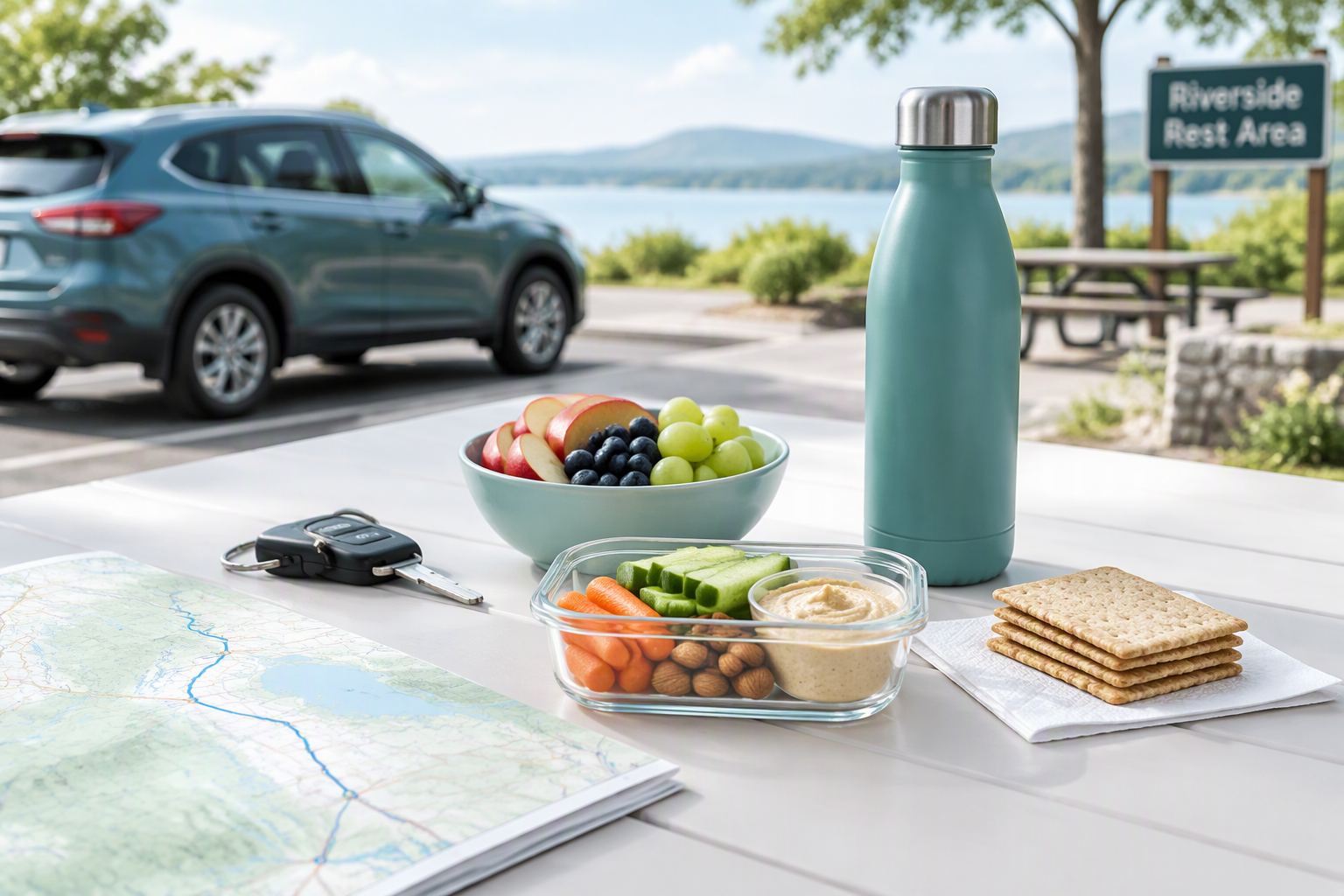
Acid reflux while driving is easier to manage when you plan meals and breaks around your departure time. The advice that keeps reflux down at night, finishing a meal a few hours before you lie down, works just as well before a long stretch of sitting (source).
For an early departure, have a small, familiar breakfast and plan a more substantial meal at a stop. Skipping food can lead to rushed eating on the road and overeating later. Acid reflux, from causes to care can help you recognize the patterns behind your symptoms.
Keep the pre-drive meal satisfying but modest. Travel is not the time to test unfamiliar dishes, especially if gastroesophageal reflux disease (GERD) worsens when meal timing changes. The National Institute of Diabetes and Digestive and Kidney Diseases notes that avoiding foods that worsen your own symptoms may help manage reflux.
Keep practical options within easy reach:
- Snacks: Non-citrus fruit, plain crackers with nut butter, pretzels, raw vegetables with hummus, or edamame may help prevent hunger-driven fast-food stops if they fit your usual eating pattern.
- Drinks: Water is often a simpler choice than fizzy drinks or large amounts of caffeine, which can worsen reflux for some people.
- Foods to limit: Personal trigger foods may include rich meals, spicy dishes, citrus, tomato-heavy foods, chocolate, alcohol, and coffee.
Map safe stops for a light meal, a brief upright walk, and a symptom check before returning to the driver's seat. Reviewing menus beforehand can also make smaller portions easier, whether you share an entrée or save half for later. These choices make a long car ride easier on your stomach.
If symptoms begin, keep your attention on the road and pull over only at a safe, legal stop. Persistent, worsening, or unusual symptoms that affect concentration need prompt medical attention.
Heartburn on road trips usually traces back to timing and portions, so the first GERD travel tip is a modest meal at the right time.
Reduce Acid Reflux Pressure While Driving
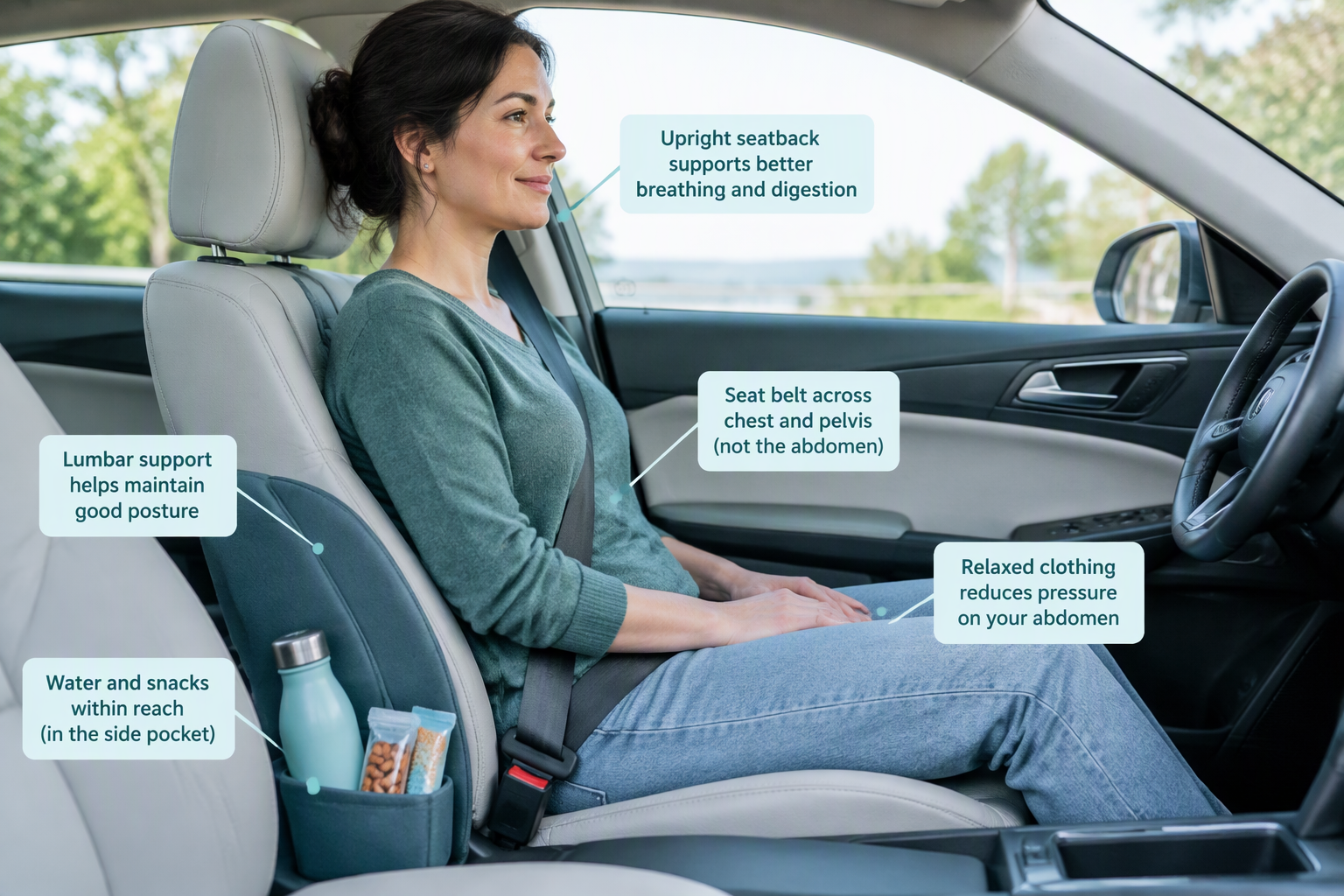
Beyond meal timing and planned stops, reducing pressure on your stomach can make acid reflux while driving easier to manage, especially when long periods of sitting trigger symptoms. Before leaving, choose loose layers, elastic-waist pants, or a comfortably adjusted belt. Tight jeans, shapewear, and snug waistbands can press on your abdomen and make GERD more uncomfortable.
A few car adjustments can improve posture and comfort:
- Set the seat upright: While parked, position the seatback so your chest stays lifted rather than folded forward. Adjust the seat distance, steering wheel, and lumbar support so you can avoid slouching or bending at the waist.
- Check the seat belt: The belt should sit across your pelvis and chest without digging into your abdomen. Heartburn that starts when the belt tightens may mean your clothing, belt fit, or seat position needs adjustment.
- Keep items off your lap: A heavy bag, laptop, or food container can add abdominal compression. Place water, snacks, tissues, and navigation tools within easy reach before departure.
Avoid leaning over the center console or hunching to find something while the car is moving. Pull over safely if you need to change position or retrieve an item, since hours in a curled or compressed position add up.
For longer routes, plan stops where you can stand upright, take a short easy walk, loosen a restrictive layer, and reset your posture before returning to the road. This helps when long drives reliably end in reflux, without requiring strenuous exercise after eating. Gut health tips for travel days can help you plan meals and breaks around your route.
Medication needs a separate safety check. Histamine-2 receptor blockers (H2 blockers) and proton pump inhibitors (PPIs) may be part of an existing reflux plan, but antireflux medicines do not prevent motion sickness. Dimenhydrinate and prescription scopolamine patches can impair alertness. Read the label and ask a pharmacist or clinician whether a medicine is appropriate before driving. Do not first try a new medicine on travel day, and do not drive if it makes you sleepy.
Pack for Acid Reflux While Traveling
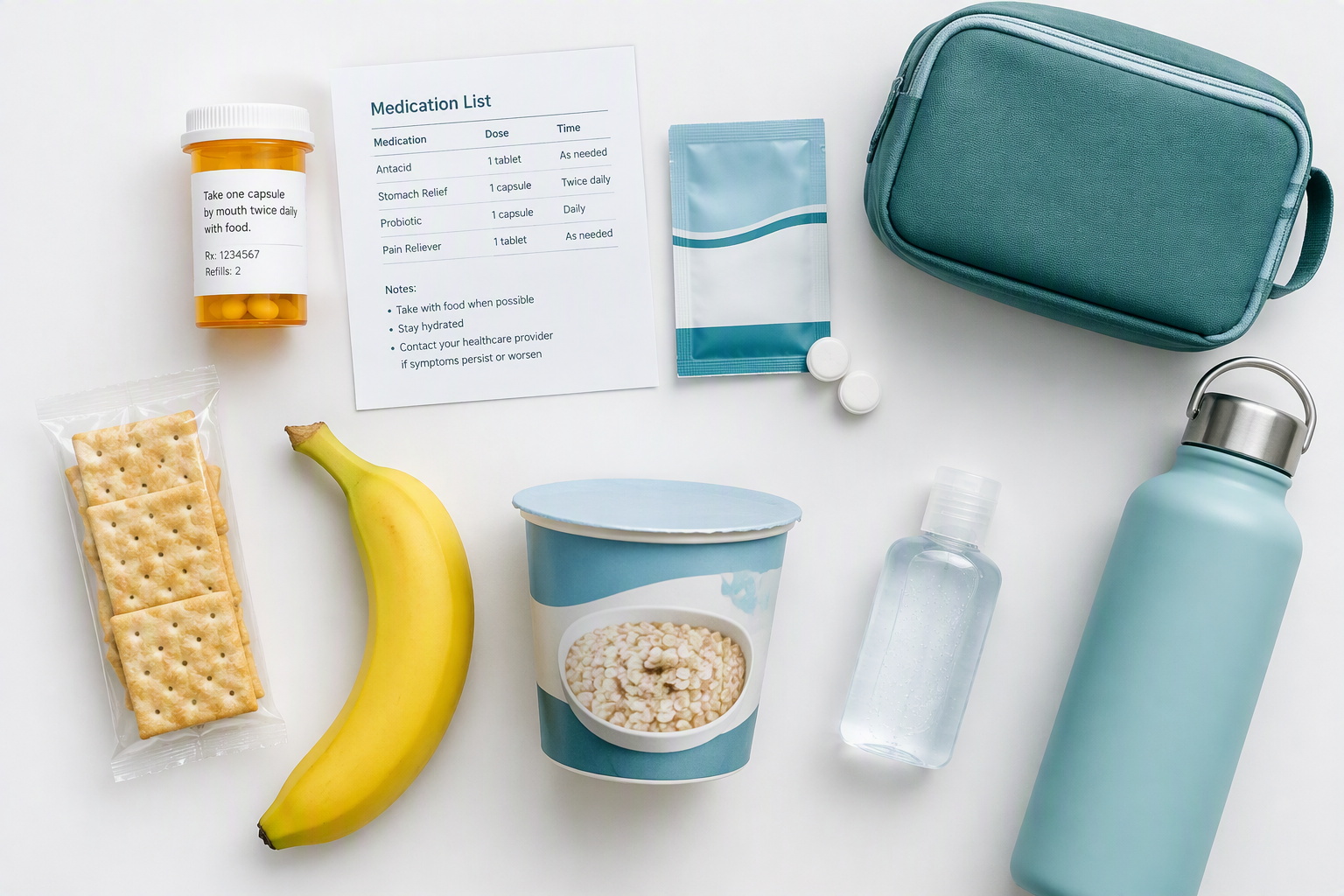
Along with checking medicine safety before driving, a travel health kit helps you manage reflux away from home without relying on unfamiliar food or medicine during a delay. Keep prescribed reflux medicine in its original labeled container in your carry-on or day bag, with a current medication list and prescription details. Bring enough for the itinerary plus a delay buffer, and protect it from car heat, direct sun, and humid bathrooms according to label instructions.
Pack these essentials:
- Familiar relief: Reflux medicine such as an antacid or H2 blocker, packed for trips, can help you plan for symptoms without replacing prescribed treatment.
- Short-term options: Calcium carbonate antacids for heartburn may provide brief relief, while famotidine, one of the H2 blockers, reduces acid for longer. Follow package directions, and ask a pharmacist or clinician before combining remedies or changing regular medicines.
Familiar snacks can give you a dependable option during a delay.
- Plain crackers or pretzels
- Plain oatmeal cups, if hot water is available
- A banana you already tolerate
- Still water in a refillable bottle
packing around your reflux trigger foods also means skipping coffee, energy drinks, carbonated drinks, rich foods, spicy snacks, peppermint products, and your personal triggers.
Food safety while traveling matters because a stomach illness can worsen reflux symptoms. Where water safety is uncertain, choose sealed bottled water or reliably treated water. Favor foods cooked and served hot, wash or peel produce when possible, and avoid raw foods, questionable street food, or seafood that may not be fresh. Hand sanitizer is useful before eating when soap and water are unavailable.
Traveling with GERD gets easier with a short list: antacids for travel, GERD-approved snacks you already tolerate, and water.
Manage Acid Reflux on Flights and Overnight Stays
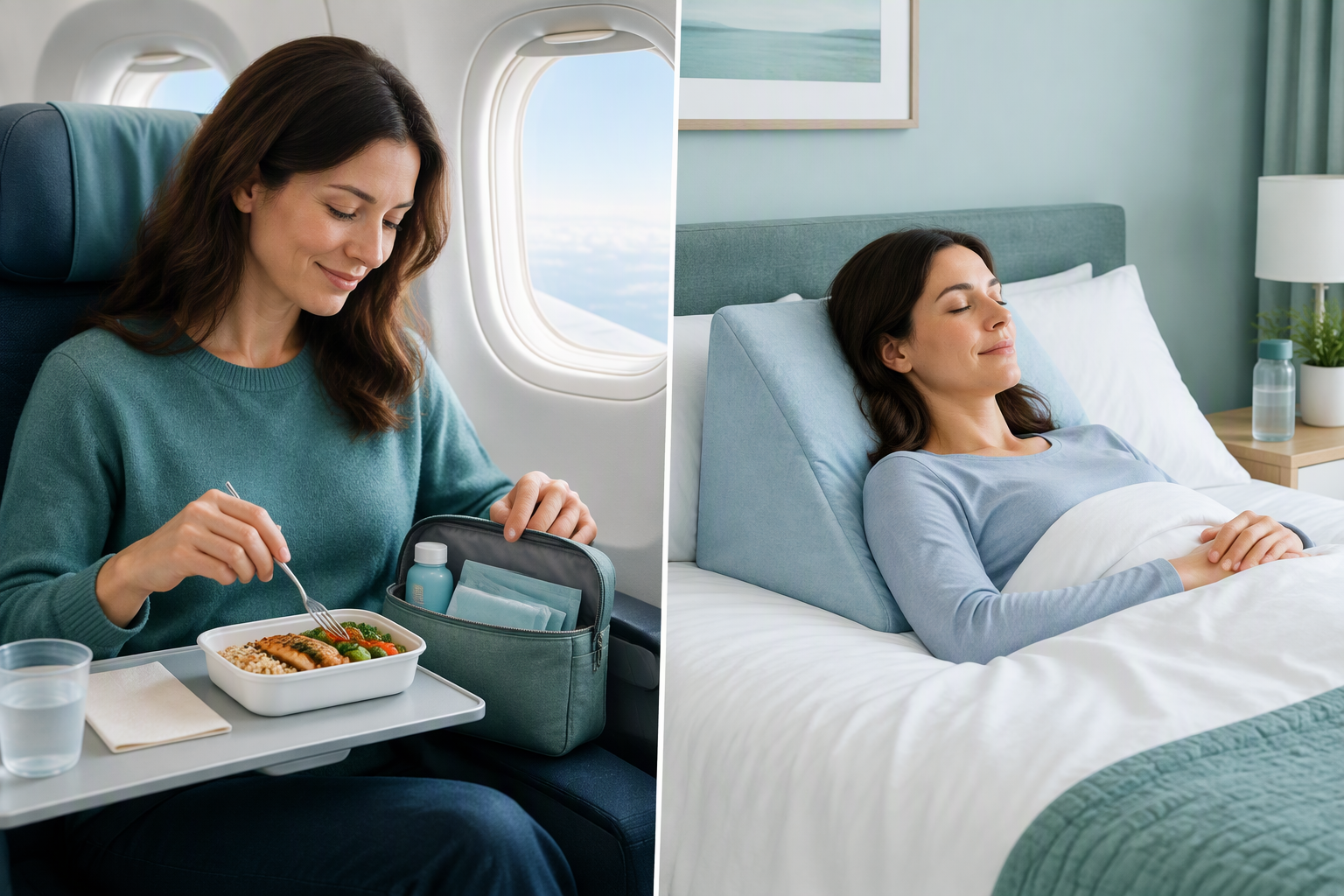
With medication and familiar supplies packed, flying is easier to manage when your meals, medication, and posture stay predictable. Keep symptom support within reach during the flight so a delayed or lost checked bag does not leave you without it, and use medicines only as directed on the label or by your clinician (source).
Smaller, familiar meals help:
- Eat several small meals or snacks rather than a large airport or pre-boarding meal.
- Allow time to eat slowly so you are not overly full during a long stretch of sitting.
- Save rich, spicy, greasy, or personally triggering foods for a time when symptoms are easier to manage.
Late arrivals are a common trap. Instead of making up for a missed dinner with a heavy meal before bed, try to finish eating two to three hours before lying down. If you are hungry, a small familiar snack is less likely than a large meal to bring on nighttime heartburn or regurgitation.
For overnight stays, raise your upper body rather than stacking pillows under your head alone, which can bend your neck and waist. A portable sleeping wedge creates a steadier incline. Extra hotel pillows may also ease nighttime reflux away from home by keeping your head and upper body raised.
The GERD travel tips that matter most are the ones about timing, which is how to manage acid reflux while traveling without carrying a pharmacy.
Know When Travel Reflux Symptoms Need Urgent Care
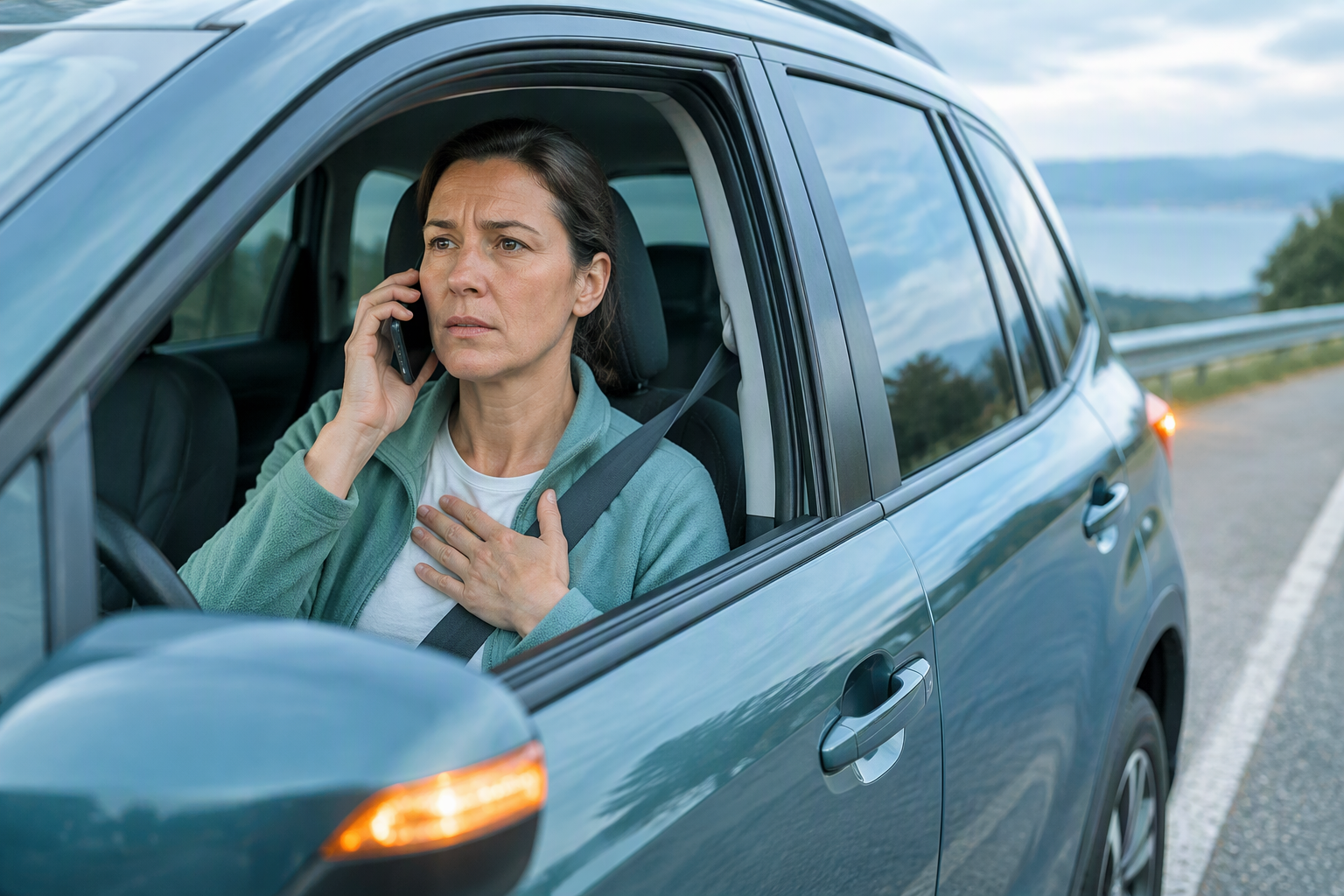
Despite planning meals, posture, and medication, new, severe, persistent, or unexplained chest pain could be a heart emergency rather than acid reflux. Pull over safely, call 911, and do not drive yourself for evaluation. Emergency warning signs include:
- Pressure, tightness, or squeezing in the chest.
- Pain spreading to an arm, jaw, back, or shoulder.
- Shortness of breath, sweating, faintness, or nausea.
Travel can aggravate GERD through long periods of sitting, irregular meals, coffee, roadside food, and late dinners. Treat symptoms as a usual flare only when they match your established pattern of heartburn, regurgitation, or a sour taste, improve with the measures that normally help, and do not come with new warning signs. Simple fixes for a reflux flare may help when symptoms are familiar and mild. The NHS notes that heartburn and acid reflux can cause a burning chest sensation and an unpleasant taste after eating (source).
Stop driving and seek urgent assessment for these symptoms:
- Vomiting blood or material that resembles coffee grounds.
- Black, tarry, or bloody stools.
- Painful swallowing or a feeling that food is stuck.
- Repeated vomiting or severe or worsening upper-abdominal pain.
- Confusion, marked weakness, dizziness, or very little urine, which can signal dehydration.
Travel stomach problems can overlap, and upper-abdominal discomfort is not always reflux. If acid reflux symptoms become more frequent or severe, repeatedly interrupt sleep, stop responding to your usual plan, or occur with unintentional weight loss, ongoing nausea, or swallowing changes, seek medical advice promptly (source). Pull into a safe location rather than trying to manage distracting symptoms behind the wheel.
Reflux While Driving and Traveling FAQs
These FAQs cover common reflux concerns during driving and travel, including long periods of sitting, irregular meals, and late dinners. They can help you plan for a more comfortable trip.
1. Can Motion Sickness Make Acid Reflux Worse?
Motion sickness can worsen acid reflux symptoms by causing nausea, retching, or vomiting that brings acidic stomach contents into the esophagus, increasing burning or a sour taste. It does not necessarily cause GERD, and antacids for heartburn may not ease nausea. Dimenhydrinate and prescription scopolamine can help some travelers, but may reduce alertness. Check the label, ask a pharmacist or clinician which option fits your needs, and do not drive if you feel drowsy, dizzy, or unfocused.
2. Can You Drive After Taking Antacids?
A calcium carbonate antacid does not automatically make driving unsafe. Short-term relief for heartburn while traveling may make it easier to focus. Still, a bad flare can leave you too uncomfortable or distracted to drive safely.
Some nausea or reflux medicines can cause drowsiness, dizziness, or fuzzy thinking even when the antacid does not. Check the label for driving warnings, avoid driving if you feel impaired, and ask a pharmacist or clinician about your product, dose, and medication combinations.
3. Does Jet Lag Trigger Acid Reflux?
Jet lag does not directly cause acid reflux, but time-zone changes can disrupt meals, sleep, and familiar routines, making heartburn and regurgitation more likely if you already have reflux. During the first few days, aim for earlier, regular meals in local time, moderate portions, and a simple evening meal instead of a heavy late dinner.
Avoid eating shortly before lying down. If hotel pillows leave you flat, a portable sleeping wedge can raise your upper body and make overnight symptoms easier to manage.
4. Can Travel Pillows Worsen Nighttime Reflux?
A U-shaped travel pillow supports your neck while sitting, not your upper body during sleep. If it leaves you bent forward, folded at the waist, or with pressure on your abdomen, it may worsen acid reflux after a late meal by making it easier for stomach contents to move upward.
For overnight travel, a stable foam or inflatable wedge can raise your torso while keeping your neck and abdomen more neutral. Avoid setups that cause sliding, bending, or a cramped, curled posture.